
Summary

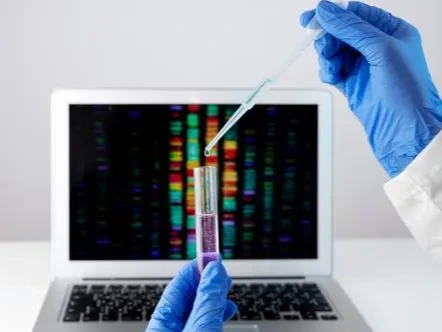
Biosynthesis and synthetic biology explore the enzymatic formation of biological molecules and the design, engineering, and reconstruction of biological systems. This collection covers biosynthetic pathways, enzyme-mediated reactions, metabolic engineering, genetic circuits, engineered microorganisms, cellular factories, genome editing, and the production of valuable compounds through programmable biological processes.

Expand All
Entries
Topic Review
Site-Specific Recombination Techniques
Site-specific recombination techniques use recombinase enzymes and designated DNA recognition sites to generate controlled DNA rearrangements. The enzyme binds compatible sites, forms a recombination complex, and catalyzes strand cleavage and rejoining through covalent protein–DNA intermediates [1]. Accessory factors and DNA organization can regulate formation of the reactive complex and favor a particular direction of recombination [2][3]. Inversion of a DNA segment changes its orientation relative to neighboring sequences and can connect or disconnect coding regions from expression elements [4]. Integration and excision alter the placement or presence of segments within a DNA molecule, contributing to genomic sequence rearrangement. Site position, orientation, and recognition specificity determine the permitted products, while regulation of recombinase expression or activity controls when the reaction proceeds [5].
  • 11
  • 25 Oct 2026
Topic Review
Metabolic Flux Optimization
Metabolic flux optimization denotes the directed adjustment of the rates at which metabolites traverse intracellular reaction pathways, with the objective of increasing the fraction of carbon and reducing power that is converted into a designated product. The concept rests on the recognition that the productive capacity of a cell factory is not determined by enzyme abundance or pathway presence alone, but by the actual distribution of fluxes through the metabolic network under operating conditions. Its analytical foundation is the quantitative determination of intracellular flux distributions, most rigorously through ¹³C metabolic flux analysis, which traces the routes of nutrient utilization and resolves the rates of intermediary pathways in living cells [1][2]. This quantitative flux map identifies pathway bottlenecks, futile cycles, and competing branches that divert precursor or cofactor away from the target product, thereby defining the nodes at which intervention is required. Optimization is then enacted through genetic or process-level interventions that alter flux partitioning: tuning the expression of rate-limiting or competing enzymes, eliminating branch pathways that dissipate carbon, balancing the supply of precursors and cofactors, or adjusting operating parameters such as substrate feed rate and pH according to pathway-level flux objectives [3][4]. A defining characteristic of the concept is its systems-level orientation: the unit of analysis is the distribution of fluxes across a network, and the criterion of success is the redirection of that distribution toward the product of interest rather than the enhancement of any single reaction in isolation [5].
  • 17
  • 25 Oct 2026
Topic Review
Enzyme Functionalization
Enzyme functionalization designates the deliberate covalent attachment of chemical moieties or non-natural functional groups to an enzyme molecule in order to introduce, modulate, or expand its catalytic and physicochemical properties [1]. The process operates through bioconjugation chemistries that target reactive side-chain functionalities of amino acid residues, yielding enzyme derivatives bearing new chemical handles, altered surface characteristics, or appended molecular modules [1]. Functionalization strategies range from the conjugation of synthetic polymers—such as poly(ethylene glycol)—to the enzyme surface, which imparts stability and novel functionalities, to the site-specific incorporation of noncanonical amino acids via genetic code expansion, which installs chemically orthogonal groups capable of participating in abiotic catalytic mechanisms or post-translational bioorthogonal ligation [2][3]. A defining feature of enzyme functionalization is that the modification is directed at the enzyme molecule itself, either prior to or following its association with a solid support, and serves to endow the biocatalyst with capabilities beyond those encoded by the twenty canonical amino acids [1][3][4]. The functionalized enzyme is characterized by a covalent linkage between the protein scaffold and the introduced functionality, producing a hybrid biocatalyst whose catalytic activity, substrate scope, selectivity, or operational stability reflects the contribution of the appended chemical module [2][3].
  • 15
  • 25 Oct 2026
Topic Review
Isoenzyme
Isoenzymes, also termed isozymes, constitute multiple molecular forms of an enzyme that occur naturally within a single species and catalyze the same chemical reaction while differing in their primary protein structure [1]. The structural multiplicity originates from genetically determined variation, including the expression of distinct gene loci, allelic variants, or heteropolymeric assemblies of non-covalently associated polypeptide chains [1]. These genetically encoded differences in primary structure give rise to modifications in higher-order structure, which in turn produce distinguishable kinetic parameters, substrate affinities, regulatory responses, and subcellular distributions among the forms [2][3]. Operationally, isoenzymes are enzyme proteins that share the same catalytic activity but are separable by suitable physical methods such as electrophoresis, a criterion that permits their experimental resolution and characterization. Within the structural and functional framework of enzymology, the concept designates a defined class of naturally occurring enzyme variants whose multiplicity is rooted in genetic control of protein structure, and whose individual forms exhibit characteristic structural and functional profiles that are subject to direct experimental measurement [1]. The term encompasses forms arising from independent genetic loci, allelic variation, and hybrid assembly of distinct subunit types, thereby providing a structural basis for the differential functional roles observed among multiple enzyme forms [1][2].
  • 11
  • 25 Oct 2026
Topic Review
Rate Limiting Enzyme
A rate limiting enzyme is an enzyme whose activity substantially constrains flux through a metabolic pathway under specified conditions. Metabolic control analysis quantifies this relationship by measuring how a change in enzyme activity changes the flux of the connected system [1]. Control can be distributed among several reactions and can shift when the metabolic state changes [2]. Regulatory circuits that coordinate expression with intracellular metabolites can alter the balance between precursor supply and downstream conversion [3]. In particular settings, regulation of one biosynthetic enzyme can exert strong control over production of a required metabolite pool [4]. The designation therefore requires evidence about the whole pathway under the conditions examined. Enzyme abundance, kinetic parameters, and reaction reversibility alone do not establish its quantitative contribution to pathway control [5].
  • 9
  • 25 Oct 2026
Topic Review
Membrane Enzyme
A membrane enzyme is an enzyme whose functional organization includes association with a biological lipid membrane. Membrane-associated phospholipases bind lipid interfaces and position their catalytic sites to act on phospholipid substrates [1]. Membrane adenylyl cyclases connect signals received at the cell surface with conversion of intracellular ATP to cyclic AMP [2]. The membrane environment also places lipid substrates beside catalytic regions that receive soluble reactants from an adjacent aqueous compartment [3]. In ATP synthase, a membrane-associated ion-translocation system is mechanically coupled to catalytic subunits that form ATP [4]. These arrangements connect enzyme chemistry to membrane topology. Substrate access, orientation of domains, and interactions with surrounding lipids establish how the enzyme operates at or across the bilayer [5].
  • 6
  • 25 Oct 2026
Topic Review
Enzyme Polymorphism
Enzyme polymorphism is the occurrence of inherited variation in enzyme structure, abundance, or activity within a population. Alternative alleles can encode molecular forms with different biochemical properties or alter the amount of enzyme produced [1]. Such genetic variation contributes to differences in metabolic phenotypes among individuals [2]. In methyltransferases, sequence variation can change enzyme properties and the rate at which particular compounds undergo methylation [3]. Regulatory variants, coding substitutions, and differences in gene copy number can contribute through distinct molecular routes. The observed phenotype also incorporates the cellular environment and the substrate being examined [4]. Characterization links the frequency and identity of inherited variants to measurements of expression or catalytic function, while distinguishing variants with demonstrated functional effects from those without established biochemical consequences [5].
  • 3
  • 25 Oct 2026
Topic Review
Auxiliary Enzyme
An auxiliary enzyme is an enzyme added to a coupled assay to convert a product or intermediate of the primary reaction into a measurable signal. The primary enzyme generates the chemical species being followed, while one or more supporting reactions connect its formation to a detectable change [1]. Enzyme-based measurements relate the measured signal to the amount or turnover of a particular metabolite through the stoichiometry of the coupled reactions [2]. In an ADP-linked assay, pyruvate kinase converts ADP and phosphoenolpyruvate into ATP and pyruvate, and lactate dehydrogenase couples pyruvate reduction to NADH oxidation. Other coupled systems use sequential carbohydrate-converting enzymes to connect the target reaction with a spectrophotometric readout [3][4]. Sufficient auxiliary activity allows the signal to track the primary reaction without becoming constrained by the supporting conversion steps.
  • 6
  • 25 Oct 2026
Topic Review
Terpenoid Metabolism
Terpenoid metabolism is the network of reactions that produces and transforms compounds derived from isoprenoid precursors. Formation of isopentenyl diphosphate and dimethylallyl diphosphate supplies five-carbon units for synthesis of longer prenyl diphosphates [1]. Terpene synthases then generate distinct skeletons through cyclization or rearrangement, followed by enzymatic reactions that elaborate their functional groups [2]. Branch-point reactions distribute shared precursors among products, while regulation of enzyme expression and activity adjusts their accumulation within cells [3]. In plant diterpenoid pathways, geranylgeranyl diphosphate connects precursor metabolism to multiple product branches, and the structures of the participating enzymes govern their substrate and product specificity. Cellular compartmentation and metabolite transport link these reactions across the locations in which precursor production, skeleton formation, and subsequent modification occur [4][5].
  • 7
  • 25 Oct 2026
Topic Review
Aerobic Fermentation
Aerobic fermentation is fermentative metabolism that occurs while oxygen is available to the cells. In Crabtree-positive yeasts, sugar consumption can generate ethanol even under oxygen-rich conditions, producing a physiological state in which fermentation and respiration coexist [1]. Carbon flow is distributed between these routes through the organization of the metabolic network and constraints on cellular resources. Compartment-specific limits on mitochondrial capacity and cytosolic protein allocation can contribute to the onset of overflow metabolism [2]. Reorganization of pyruvate metabolism and global transcriptional control can alter this respiro-fermentative state [3]. Increased glycolytic gene expression and glucose uptake can promote fermentative overflow despite continued oxygen availability. The defining biochemical feature is therefore the formation of fermentation products under aerobic conditions, with respiratory and fermentative reactions carrying parallel portions of the carbon flux [4][5].
  • 7
  • 25 Oct 2026
  • Page
  • of
  • 9
>>