
For many researchers, the acceptance and publication of a paper feels like the culmination of their work. However, this often leads to a critical oversight: failing to ensure the research reaches and resonates with its intended audience. The post-publication phase plays a critical role in increasing the visibility of research, improving accessibility for diverse audiences, facilitating understanding across disciplines, and extending influence beyond traditional citations to societal and interdisciplinary domains.

Post-publication promotion is not simply an optional addition to the researcher's toolkit; it is a fundamental component of their scholarly responsibility and a critical driver of their work’s ultimate significance and reach 1.
Here are practical tips and ideas for effectively promoting your article:
1. Multimedia and Visual Communication
Multimedia formats lower cognitive barriers and make research more engaging, memorable, and widely shareable across both academic and public channels.
-
Create a Video Abstract
A video abstract is a short, two-to-five-minute visual summary of your paper that introduces the background, methods, key findings, and implications using narration, imagery, and simple text 2.
User-behavior research on YouTube indicates that although Entertainment and Music dominate overall searches, Science and Technology content remains among the top trending categories 3, suggesting strong public interest in science delivered through video.
Evidence also shows that papers accompanied by video abstracts tend to perform better: citation rates may increase by around 15%, article views by about 35%, and Altmetric Attention Scores by roughly 25% 4. These improvements reflect how much easier it is for broader audiences to discover, understand, and share research when a video version is available.
What's more, animated video abstracts can extend this impact even further, helping authors increase visibility and reach wider communities on social media 5.
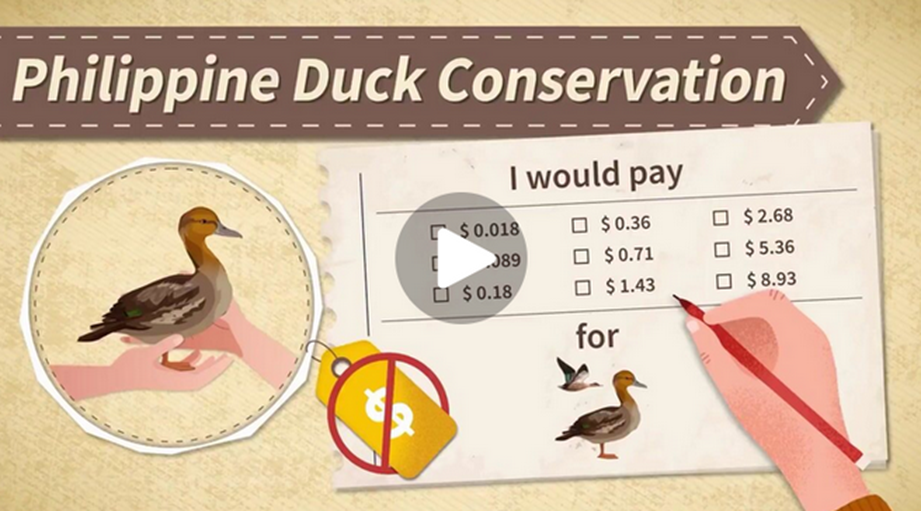
Source: Encyclopedia Academic Video Service (https://encyclopedia.pub/video/1623)
-
Develop Infographics
Infographics provide clear, visual summaries of complex findings, enabling quick comprehension and making them ideal for academic communication, public outreach, presentations, and social media. Research shows that infographic articles generate significantly greater social media attention and achieve higher Altmetric scores than standard original research articles, underscoring their value in enhancing research visibility 6.
Encyclopedia has launched the Scientific Infographic Service to support researchers in presenting complex scientific findings through clear and professionally prepared visual summaries. The service is now open for applications and is provided free of charge.
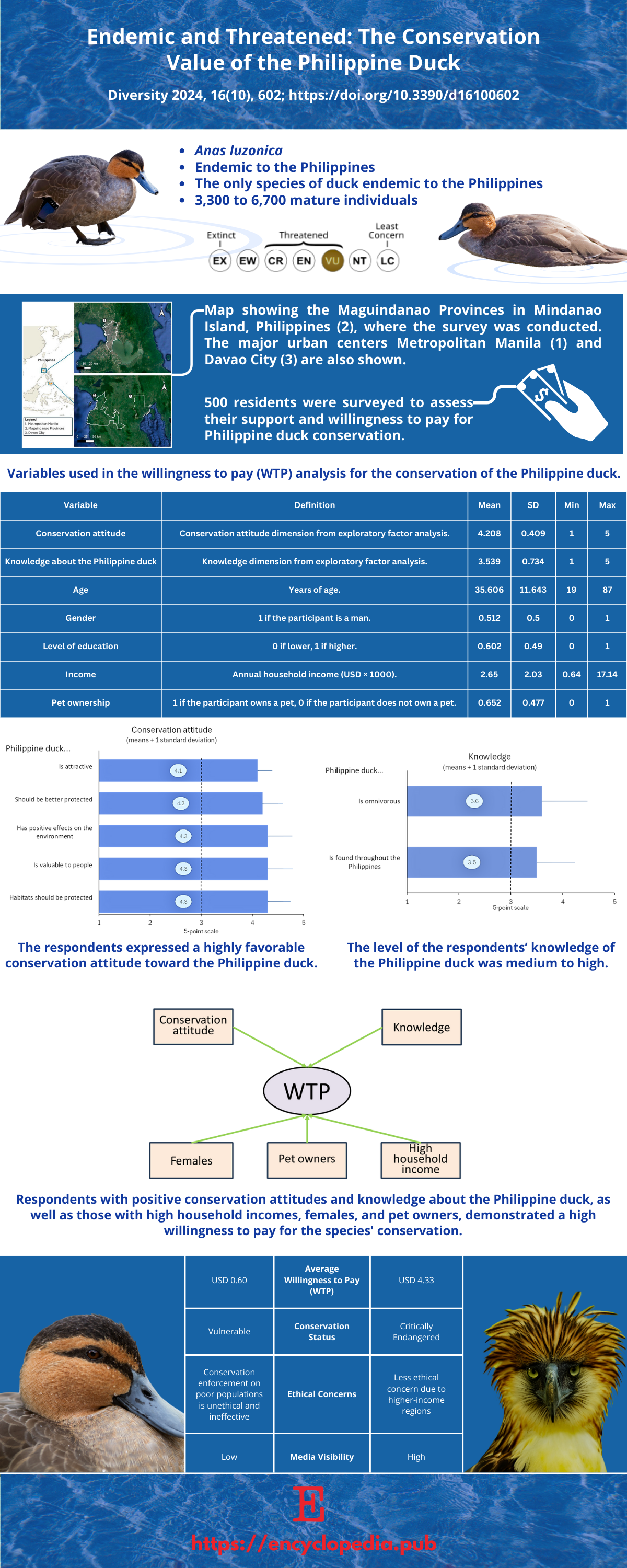
Source: Encyclopedia Scientific Inforgraphic (https://encyclopedia.pub/image/3584)
2. Scholarly Platform Dissemination
Leveraging academic platforms strengthens the discoverability, traceability, and early visibility of your research within global scholarly ecosystems. Maintaining an active, well-curated presence across these channels ensures that your work is easy to find, share, and cite.
-
Maintain academic profiles on platforms such as SciProfiles, ResearchGate, Academia, Google Scholar, Kudos, The Conversation, and Researchmap. These profiles allow you to upload your article or accepted manuscript and provide concise, accessible summaries that broaden academic reach and engagement.
-
Register for an ORCID iD and link your publications to ensure accurate author identification and consistent visibility across publishers, indexing services, and research databases.
-
Release a preprint on platforms such as Preprints to accelerate dissemination and invite early community engagement. Releasing a preprint is associated with a significant positive citation advantage of approximately 20.2% 7.
-
Create a scientific entry on the Encyclopedia platform to present your findings in an authoritative, structured format that enhances clarity, accessibility, and long-term discoverability.
3. Social and Public Engagement
Public and social networks extend your research reach beyond traditional academic communities, enabling broader conversations and greater societal impact.
-
Share your work on social platforms such as X (formerly Twitter), LinkedIn, Facebook, WeChat, and Weibo. These channels help spark discussion, increase awareness, and attract attention from journalists, policymakers, practitioners, and interdisciplinary audiences.
-
Make access easy by providing shareable links. Send your article directly to colleagues, add the link to your email signature, and update personal, laboratory, or institutional webpages with the article title and permanent link.
-
Write blog posts that highlight your key findings, explain their significance, and discuss broader implications. Blogs make your research accessible to non-experts and support broader engagement. Including a link to your published article further enhances visibility and citation potential. You can also publish blog posts on the Encyclopedia platform to reach an even wider readership.
4. Conferences and Scholarly Exchange
Active participation in academic conferences broadens your research visibility and helps you establish meaningful professional connections. Presenting your work—whether at in-person meetings or online sessions—allows you to share findings with informed audiences, receive constructive feedback, and spark new collaborations.
Joining international events, including those hosted on platforms such as Sciforum, further expands your reach across regions and disciplines. These interactions often lead to new partnerships, fresh research ideas, and additional academic opportunities.
References
1. Ratten, V.; Lux, A.; Merkle, T. Tips from management editors: Managing your academic reputation, post-publication promotion and building your network. J. Manag. Organ. 2025, 31, 1-6.
2. Spicer, S. Exploring Video Abstracts in Science Journals: An Overview and Case Study. J. Librariansh. Sch. Commun. 2014, 2, eP1110.
3. Dubovi, I.; Tabak, I. Interactions between emotional and cognitive engagement with science on YouTube. Public Underst Sci. 2021, 30, 759-776.
4. Bonnevie, T.; Repel, A.; Gravier, F.E.; et al. Video abstracts are associated with an increase in research reports citations, views and social attention: a cross-sectional study. Scientometrics 2023, 128, 3001–3015.
5. Erskine, N.; Hendricks, S. What is the effect of posting video abstracts on journal article impact? J. Vis. Commun. Med. 2024, 47, 47–55.
6. Kunze, K.N.; Vadhera, A.; Purbey, R.; Singh, H.; Kazarian, G.S.; Chahla, J. Infographics Are More Effective at Increasing Social Media Attention in Comparison With Original Research Articles: An Altmetrics-Based Analysis. Arthroscopy 2021, 37, 2591-2597.
7. Colavizza, G.; Cadwallader, L.; LaFlamme, M,; Dozot, G.; Lecorney, S.; Rappo, D. Hrynaszkiewicz I. An analysis of the effects of sharing research data, code, and preprints on citations. PLoS One. 2024, 19, e0311493.