
Aortic valve replacement remains one of the most commonly performed procedures in cardiac surgery for treating severe aortic valve disease. While conventional surgical aortic valve replacement (SAVR) continues to provide excellent long-term outcomes, advances in both surgical techniques and transcatheter therapies have expanded the range of treatment options available to patients. Among these developments, sutureless aortic valve replacement (SuAVR) was introduced to simplify valve implantation by reducing the need for multiple sutures, with the goal of shortening operative time and facilitating minimally invasive surgery.
More than a decade after its introduction, clinical experience with sutureless valves has grown substantially. At the same time, rapid progress in transcatheter aortic valve replacement (TAVR) and continued refinements in conventional surgery have reshaped the treatment landscape. A recent study published in the Journal of Clinical Medicine, titled "Exploring Use-Rates of and Scientific Evidence on Sutureless Devices in Aortic Valve Replacement: A Bibliographic Meta-Analysis and Clinical Considerations", reviews the current evidence surrounding SuAVR, examines how its use has evolved across different regions, and discusses where the technique may fit within contemporary cardiac surgery.
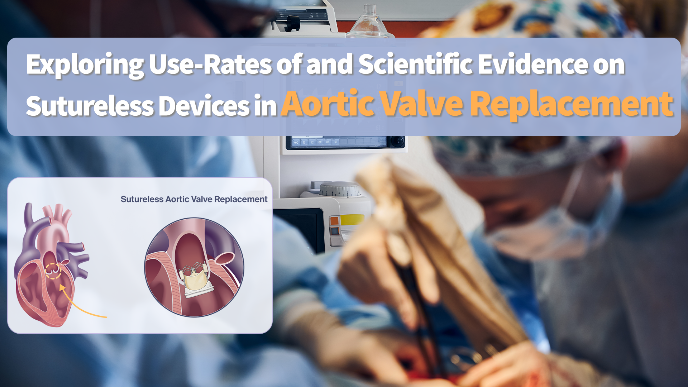
Figure 1. Use and Evidence of Sutureless Aortic Valves. Produced by MDPI Academic Video Service (Source: https://encyclopedia.pub/video/1831).
1. Why Sutureless Valves Were Developed
Conventional surgical valve replacement requires the prosthetic valve to be secured with multiple sutures, a process that contributes to aortic cross-clamp and cardiopulmonary bypass times. Because longer operative times are associated with increased surgical risk, particularly in elderly patients and those with multiple comorbidities, techniques that simplify valve implantation have attracted considerable interest.
Sutureless valves were developed to address this challenge. By reducing the number of sutures required during implantation, they may simplify the procedure while maintaining the principles of surgical valve replacement. The technology also complements minimally invasive surgical approaches, where the limited operative field can make conventional suturing more technically demanding.
For these reasons, SuAVR attracted considerable attention as a potential way to improve procedural efficiency while preserving the established benefits of surgical valve replacement.
2. What the Current Evidence Suggests
Over the past decade, a substantial body of clinical evidence has accumulated on sutureless valve implantation. To better understand how this evidence has evolved, the authors systematically reviewed 538 published studies on SuAVR.
The analysis showed that most of the available evidence comes from observational studies, while randomized controlled trials account for only 1.3% of the published literature. Although SuAVR has been investigated extensively, the limited availability of randomized evidence means that important clinical questions remain incompletely answered.
Across the published literature, one of the most consistent findings is that SuAVR is associated with shorter aortic cross-clamp and cardiopulmonary bypass times than conventional SAVR. These procedural advantages may be particularly relevant in patients undergoing minimally invasive surgery or in those for whom reducing operative time is desirable.
At the same time, the paper notes that concerns remain regarding long-term valve durability, pacemaker implantation, and procedural costs. These issues continue to influence how the technology is evaluated and adopted in clinical practice.
3. Clinical Use Has Continued to Evolve
Although research on SuAVR has expanded considerably, its global clinical adoption remains relatively limited.
The paper found that approximately 80% of the published literature originated from Europe, whereas North America contributed fewer than 10% of publications, highlighting a marked geographical imbalance in both research activity and clinical use. The authors suggest that this pattern may reflect a combination of factors, including earlier regulatory approval in Europe, differences in reimbursement policies, and variation in patient populations.
At the same time, the rapid expansion of TAVR has transformed the treatment of aortic valve disease, while conventional SAVR has continued to evolve through refinements in surgical techniques and prosthetic valve technology. Against this background, SuAVR has assumed a more selective role rather than becoming a universal alternative.
The authors suggest that SuAVR may offer its greatest clinical value by facilitating minimally invasive surgical aortic valve replacement, an approach that remains underutilized in many parts of the world despite its potential benefits in appropriately selected patients.
4. Finding a Place Alongside SAVR and TAVR
As treatment options for aortic valve disease continue to expand, selecting the most appropriate intervention increasingly depends on individual patient characteristics, anatomical considerations, surgical risk, and procedural goals.
Rather than replacing existing approaches, SuAVR has become one of several treatment options available to cardiac surgeons. Its potential advantages are most relevant in selected clinical settings, highlighting the importance of individualized decision-making when planning valve replacement.
5. What Comes Next for SuAVR?
The study emphasizes that additional high-quality comparative trials are needed to strengthen the evidence base for SuAVR. More standardized clinical guidance will also be important for better defining the role of this technology within modern valve therapy.
Meanwhile, advances in conventional surgery, transcatheter interventions, and prosthetic valve technology will continue to shape the management of aortic valve disease. As these treatment options evolve, careful patient selection will remain central to choosing the most appropriate therapeutic approach.
6. Putting the Evidence into Perspective
Sutureless aortic valve replacement was developed to simplify surgical valve implantation and support less invasive cardiac surgery. More than a decade of clinical experience has shown that the technique can shorten operative times and may offer practical advantages in selected patients, particularly when minimally invasive surgery or reduced procedural duration is desired.
Current evidence suggests that SuAVR occupies a focused rather than universal role in contemporary valve therapy. As additional comparative evidence becomes available and clinical guidance continues to evolve, a clearer understanding of where SuAVR fits within modern aortic valve treatment will help support informed surgical decision-making.