+1 credit
| Version | Summary | Created by | Modification | Content Size | Created at | Operation |
|---|---|---|---|---|---|---|
| 1 | Antonio Maria Labate | -- | 7945 | 2026-07-12 20:29:46 | | | |
| 2 | Catherine Yang | Meta information modification | 7945 | 2026-07-13 03:00:29 | | | | |
| 3 | Catherine Yang | Meta information modification | 7945 | 2026-07-22 02:28:29 | | | | |
| 4 | Catherine Yang | Meta information modification | 7945 | 2026-07-22 02:31:43 | | |
Video Upload Options
Older adults with type 2 diabetes represent a highly heterogeneous population in whom therapeutic decisions must balance glycaemic efficacy, cardiovascular and renal protection, hypoglycaemia avoidance, treatment burden, nutritional status, frailty, cognitive function, and individual preferences. Oral semaglutide is the first orally administered glucagon-like peptide-1 receptor agonist and combines the established metabolic effects of semaglutide with a tablet formulation. Randomized clinical trials have demonstrated clinically meaningful reductions in glycated haemoglobin and body weight, while cardiovascular outcome trials have established cardiovascular safety and, more recently, cardiovascular benefit in patients with type 2 diabetes at high cardiovascular or renal risk. Evidence specifically focused on older adults remains more limited than that available for the general population with type 2 diabetes. Nevertheless, subgroup analyses and real-world studies suggest that the glucose-lowering and cardiometabolic effectiveness of oral semaglutide is broadly maintained with advancing age. Its principal limitations in older patients are gastrointestinal intolerance, dehydration, unintended excessive weight loss, potential worsening of nutritional or functional vulnerability, and difficulty adhering to the specific fasting administration procedure. Oral semaglutide may therefore represent an appropriate option for selected older adults, particularly when low hypoglycaemia risk, improvement in glycaemic control, reduction of excess adiposity, cardiovascular risk reduction, and avoidance of injections are major therapeutic priorities. Chronological age alone should neither justify nor preclude treatment. Safe and effective use requires individualized therapeutic goals, assessment of frailty and nutritional status, gradual dose escalation, review of concomitant hypoglycaemia-prone medications, and active monitoring of tolerability and functional outcomes.
1. Introduction
Type 2 diabetes is highly prevalent among older adults and is frequently associated with atherosclerotic cardiovascular disease, chronic kidney disease, heart failure, hypertension, dyslipidaemia, obesity, cognitive impairment, functional limitations, and polypharmacy. However, older individuals with diabetes cannot be considered a homogeneous clinical category. A functionally independent patient aged 65 years with recently diagnosed diabetes differs substantially from a patient aged over 80 years with multimorbidity, frailty, cognitive decline, malnutrition, or limited life expectancy.
Current recommendations therefore emphasize that diabetes management in older adults should include regular assessment of medical, psychological, functional, and social domains. Treatment decisions should take into account diabetes duration, complications, comorbidities, capacity for self-management, availability of caregiver support, treatment burden, hypoglycaemia risk, polypharmacy, and financial barriers [1].
The aims of treatment also vary according to the patient’s overall health status. In robust older adults with preserved functional capacity and substantial life expectancy, prevention of microvascular and macrovascular complications remains a major objective. In individuals with frailty, cognitive impairment, advanced multimorbidity, or limited life expectancy, avoidance of hypoglycaemia, symptomatic hyperglycaemia, dehydration, falls, adverse drug events, and excessive treatment complexity may assume greater importance than strict glycaemic control.
This clinical heterogeneity has direct implications for the selection of glucose-lowering therapies. Drugs with a low intrinsic risk of hypoglycaemia are generally preferred, particularly when insulin or sulfonylureas can be reduced or discontinued. Nevertheless, low hypoglycaemia risk alone is not sufficient to establish suitability in an older patient. Gastrointestinal tolerability, nutritional reserve, weight trajectory, renal function, cognitive status, manual dexterity, medication schedules, and personal preferences must also be considered.
Glucagon-like peptide-1 receptor agonists are increasingly used in the management of type 2 diabetes because they provide effective glucose lowering, promote weight reduction, and improve several cardiovascular risk factors while carrying a low intrinsic risk of hypoglycaemia. Oral semaglutide was the first GLP-1 receptor agonist developed for once-daily oral administration and is approved in adults with insufficiently controlled type 2 diabetes as an adjunct to diet and physical activity [2].
The oral formulation may be particularly attractive to patients who are unwilling or unable to use injectable therapies. However, the assumption that a tablet is necessarily simpler than an injection is not always valid in older adults. Oral semaglutide requires a specific fasting administration procedure, and adherence may be challenging in patients with cognitive impairment, irregular daily routines, complex polypharmacy, or dependence on caregivers.
The clinical use of oral semaglutide in older adults therefore lies at the intersection between strong metabolic and cardiovascular efficacy and the need for geriatric individualization. This entry examines its pharmacological characteristics, evidence from randomized and real-world studies, cardiovascular effects, safety profile, practical administration, patient selection, and the specific concerns raised by frailty, sarcopenia, malnutrition, and polypharmacy.
2. Pharmacology and Oral Formulation
2.1. Molecular and Pharmacodynamic Characteristics
Semaglutide is a long-acting analogue of human glucagon-like peptide-1 (GLP-1) with structural modifications that increase resistance to enzymatic degradation and permit reversible binding to albumin. These properties prolong its elimination half-life to approximately one week, allowing sustained receptor activation despite once-daily administration of the oral formulation. After absorption, oral and subcutaneous semaglutide share the same active molecule and therefore the same principal pharmacodynamic actions.
GLP-1 receptor activation enhances glucose-dependent insulin secretion and suppresses inappropriately elevated glucagon secretion. These effects reduce fasting and postprandial glucose concentrations while maintaining a low intrinsic risk of hypoglycaemia. Semaglutide also reduces appetite and energy intake through central pathways and delays gastric emptying, particularly during the early phase of treatment. The combined effects on glycaemia, appetite, body weight, and several cardiometabolic risk factors explain its therapeutic relevance in type 2 diabetes. Hypoglycaemia becomes clinically important mainly when semaglutide is combined with insulin or a sulfonylurea.
2.2. The Challenge of Oral Peptide Delivery and the Role of SNAC
Oral administration of peptide drugs is difficult because they are susceptible to proteolytic degradation and cross the gastrointestinal epithelium poorly. Oral semaglutide is therefore co-formulated with sodium N-(8-[2-hydroxybenzoyl]amino) caprylate (SNAC), an absorption enhancer that acts locally in the stomach. SNAC increases the pH in the immediate microenvironment surrounding the tablet, thereby reducing acid- and enzyme-mediated degradation of semaglutide, and promotes transcellular passage across the gastric epithelium [3].
Pharmacoscintigraphic and mechanistic studies indicate that tablet erosion and absorption occur predominantly in the stomach rather than in the small intestine. The effect of SNAC is local and transient, and absorption is concentrated near the site at which the tablet dissolves. This mechanism represents a major technological advance in oral peptide delivery, but it does not eliminate pharmacokinetic variability. Absolute bioavailability remains low, and exposure is highly sensitive to dosing conditions [3][4].
2.3. Pharmacokinetics and Variability of Exposure
Under recommended administration conditions, the mean absolute bioavailability of oral semaglutide is below 1%. Exposure increases with longer post-dose fasting and decreases when the tablet is taken with food or with a large volume of water. Despite low and variable absorption, repeated once-daily administration produces a stable pharmacological effect because of the long half-life of semaglutide. Steady-state exposure is generally reached after several weeks.
The variability of oral absorption is greater than that observed with subcutaneous semaglutide. Consequently, an unexpectedly weak clinical response may reflect imperfect adherence to the administration procedure or minimal systemic exposure rather than true biological resistance. This issue may be especially relevant in older adults with cognitive impairment, complicated morning routines, or multiple oral medications.
Age alone does not require dose adjustment. Current European product information also indicates that no dose adjustment is required in mild, moderate, or severe renal impairment, although experience in end-stage kidney disease remains limited [2]. A dedicated pharmacokinetic study found no clinically relevant effect of renal impairment or haemodialysis on oral semaglutide exposure [5]. Clinical caution is nevertheless necessary when gastrointestinal adverse effects cause dehydration, because volume depletion may transiently worsen renal function.
2.4. Formulations, Dose Escalation, and Administration
The European product information now includes two bioequivalent tablet formulations. The newer round-tablet formulation is available at 1.5, 4, and 9 mg, whereas the established formulation includes 3, 7, and 14 mg tablets; higher maintenance doses of 25 and 50 mg are also included. The 1.5 mg and 3 mg doses are initiation doses, while maintenance treatment is achieved through stepwise escalation according to glycaemic response and tolerability. Dose increases should occur only after at least one month at the current dose. Tablets should not be combined to reproduce a higher strength, and one tablet only should be taken each day [2].
Oral semaglutide should be taken after a fasting period of at least eight hours. The tablet must be swallowed whole with a small amount of water, up to 120 mL, and should not be split, crushed, or chewed. Patients must then wait at least 30 minutes before eating, drinking, or taking any other oral medicine. Shortening this interval reduces semaglutide absorption [2,4]. If a dose is missed, it should be skipped and treatment resumed the following day.
The administration procedure is clinically important in older adults. A tablet may avoid injection anxiety and difficulties with injection technique, but the fasting requirement may interfere with levothyroxine, proton-pump inhibitors, antihypertensive therapy, diuretics, and other morning medicines. Oral semaglutide may therefore be simpler for some patients and more complex for others. Before prescribing it, clinicians should verify that the patient or caregiver can reliably reproduce the dosing sequence and integrate it into the existing medication schedule.
2.5. Implications for Older Adults
The pharmacology of oral semaglutide does not change fundamentally with chronological age, and age-based dose reduction is not required. The principal geriatric issue is operational rather than pharmacokinetic: the effectiveness of the formulation depends on correct and consistent administration. Cognitive impairment, visual problems, irregular sleep-wake patterns, dependence on caregivers, and polypharmacy may all reduce practical adherence.
Conversely, oral administration may be advantageous in older adults who strongly prefer tablets, have injection aversion, or cannot independently manage injection devices. The choice between oral and once-weekly injectable semaglutide should therefore be individualized. Oral delivery should not automatically be regarded as the less burdensome option; treatment simplicity is determined by the patient’s functional abilities, support network, daily routine, and medication burden.
3. Clinical Specificities of Older Adults
Chronological age alone does not determine the appropriateness of oral semaglutide. Older adults with type 2 diabetes range from robust, independent individuals with long life expectancy to people with multimorbidity, cognitive impairment, functional dependence, malnutrition, sarcopenia, or advanced frailty. The expected metabolic and cardiovascular benefits of treatment must therefore be considered together with biological reserve, treatment burden, ability to self-manage, and the outcomes that matter most to the individual patient [1].
3.1. Frailty and Functional Heterogeneity
Frailty is a state of reduced physiological reserve and increased vulnerability to stressors. It is associated with falls, disability, hospitalization, treatment complications, and mortality, but it is not synonymous with advanced age. A patient in the seventh or eighth decade who remains physically active and independent may tolerate and benefit from treatment very differently from a patient of the same age with recurrent falls, impaired mobility, or dependency in activities of daily living.
In robust or mildly vulnerable older adults, oral semaglutide may support clinically meaningful reductions in HbA1c, body weight, and cardiometabolic risk while avoiding the intrinsic hypoglycaemia risk of insulin and sulfonylureas. In patients with advanced frailty, however, the therapeutic priority may shift toward maintaining comfort, hydration, nutritional intake, functional stability, and a simple regimen. The presence of frailty does not automatically contraindicate a GLP-1 receptor agonist, but it substantially changes the balance between expected benefit and potential burden.
3.2. Nutrition, Weight Loss, and Sarcopenia
Weight reduction is often metabolically advantageous in older adults with overweight or obesity, but weight loss should not be interpreted as uniformly beneficial. Ageing is commonly accompanied by loss of skeletal muscle mass and strength, and diabetes itself increases the risk of sarcopenia. Appetite suppression and gastrointestinal adverse effects may further reduce energy and protein intake. In a patient with low muscle reserve, recent involuntary weight loss, or malnutrition, additional loss of body mass may worsen mobility, balance, and independence.
Clinical monitoring should therefore extend beyond body weight and BMI. Baseline and follow-up assessment should consider recent weight trajectory, appetite, dietary protein intake, muscle strength, walking ability, falls, and performance in daily activities. When intentional weight loss is appropriate, adequate nutrition and resistance or multicomponent physical activity should be encouraged according to the patient’s capabilities. Current diabetes guidance emphasizes adequate protein intake and physical activity, including resistance exercise, as central components of the management of malnutrition, sarcopenia, and frailty [1].
The available evidence does not establish that oral semaglutide causes clinically important sarcopenia in older adults. Nevertheless, body-composition studies of GLP-1 receptor agonist-associated weight loss indicate that some reduction in lean mass can accompany loss of fat mass [6][7]. This should be treated as a monitoring issue rather than as a reason to deny therapy to all older patients.
3.3 Cognitive Impairment and Treatment Self-Management
Cognitive impairment may affect the ability to understand titration, remember the fasting interval, distinguish tablet strengths, and coordinate oral semaglutide with other morning medicines. The practical requirements of the oral formulation can therefore create risks even when the pharmacological profile is otherwise suitable. A brief assessment of cognition, medication management, and caregiver support is particularly important when there is a history of missed doses, confusion, recurrent hypoglycaemia, or inconsistent routines.
When reliable caregiver support is available, oral treatment may remain feasible. In other circumstances, a simpler regimen, including a once-weekly injectable therapy administered with assistance, may impose less daily burden than a tablet that requires a precise sequence every morning. Treatment simplicity should be judged from the perspective of the patient’s actual routine rather than from the route of administration alone.
3.4. Polypharmacy and Competing Medication Schedules
Polypharmacy is common in older adults with diabetes because of coexisting cardiovascular, renal, endocrine, gastrointestinal, and neurological disease. Oral semaglutide must be taken separately from food, beverages, and other oral medicines, which may conflict with established morning schedules. Levothyroxine, diuretics, antihypertensive agents, proton-pump inhibitors, antiplatelet drugs, and nutritional supplements may all compete for the same dosing period.
A medication reconciliation should therefore precede treatment initiation. The aim is not only to identify pharmacological interactions but also to determine whether the dosing sequence is realistically sustainable. Patients should receive a written, easily reproducible plan. Where possible, non-essential medicines should be moved to another time of day, but changes should be individualized and should not compromise the safe administration of drugs with their own timing requirements.
3.5. Hypoglycaemia Risk and De-Intensification
Oral semaglutide has a low intrinsic risk of hypoglycaemia because its insulinotropic effect is glucose dependent. However, older adults may remain exposed to hypoglycaemia when treatment is combined with insulin or sulfonylureas. Renal impairment, irregular food intake, cognitive decline, and inability to recognize or communicate symptoms further increase vulnerability.
Initiation of oral semaglutide should therefore prompt active review of hypoglycaemia-prone therapy rather than simple addition to the existing regimen. Reduction or discontinuation of a sulfonylurea and adjustment of insulin may be appropriate according to baseline glucose levels, HbA1c, renal function, and monitoring capacity. In selected patients, the major geriatric benefit of oral semaglutide may be the possibility of simplifying treatment and reducing hypoglycaemia exposure rather than achieving a lower HbA1c.
3.6. Gastrointestinal Tolerance, Dehydration, and Renal Vulnerability
Nausea, vomiting, diarrhoea, constipation, abdominal discomfort, and reduced appetite are the main tolerability concerns. Although these effects are often transient, they can have disproportionate consequences in older adults. Even a short period of reduced fluid and food intake may lead to orthostatic symptoms, acute kidney injury, falls, delirium, or interruption of other essential medicines. European product information specifically advises patients to take precautions against dehydration associated with gastrointestinal adverse reactions [2].
Dose escalation should be guided by tolerability rather than by an automatic timetable. Persistent gastrointestinal symptoms, inability to maintain hydration, rapid weight loss, or functional decline should trigger reassessment. Temporary interruption or discontinuation may be more appropriate than forcing escalation. Particular caution is warranted in patients receiving diuretics, those with chronic kidney disease, and those with limited access to fluids or caregiver support.
3.7. Individualized Goals and Shared Decision-Making
The value of oral semaglutide depends on whether its expected benefits match the patient’s priorities. For a robust older adult with obesity, inadequate glycaemic control, established atherosclerotic cardiovascular disease, and strong aversion to injections, the treatment may address several goals simultaneously. For a frail patient with poor appetite, low body weight, complex polypharmacy, and limited life expectancy, the same treatment may offer little meaningful benefit and substantial burden.
Shared decision-making should explicitly address expected glucose and weight effects, cardiovascular rationale, administration requirements, possible gastrointestinal symptoms, and the circumstances in which treatment would be reduced or stopped. Reassessment is essential because health status, functional capacity, caregiver availability, and therapeutic priorities can change over time.
4. Evidence from Randomized Clinical Trials
The clinical evidence for oral semaglutide derives principally from the PIONEER phase 3 programme and from two dedicated cardiovascular outcome trials. These studies enrolled adults across different stages of type 2 diabetes, including patients receiving diet and exercise alone, oral glucose-lowering therapy, basal insulin, and patients with moderate chronic kidney disease or high cardiovascular risk. Older adults were represented, but the trials were not designed specifically for frail geriatric populations. Their results therefore establish efficacy and cardiovascular benefit in clinically selected older patients rather than in the full spectrum of late-life vulnerability.
4.1. Glycaemic Efficacy across the PIONEER Programme
PIONEER 1 demonstrated that once-daily oral semaglutide used as monotherapy produced dose-dependent and clinically meaningful reductions in HbA1c compared with placebo. Weight reduction was also greater with the therapeutic doses, particularly at the highest studied dose. Subsequent trials extended these findings to patients receiving background glucose-lowering therapy and showed that oral semaglutide could provide glycaemic efficacy at least comparable with established active treatments [8].
In PIONEER 4, oral semaglutide 14 mg was non-inferior to once-daily subcutaneous liraglutide 1.8 mg for HbA1c reduction and was superior to placebo. It also produced greater body-weight reduction than both liraglutide and placebo at the principal assessment. This comparison is clinically relevant because it confirms that oral delivery does not necessarily sacrifice the metabolic efficacy expected from a GLP-1 receptor agonist [9].
The programme also evaluated flexible dose adjustment according to glycaemic response and tolerability. PIONEER 7 showed that a flexible escalation strategy achieved superior glycaemic control compared with sitagliptin while allowing patients to remain at the lowest effective tolerated dose [10]. Although this design should not be interpreted as evidence for unstructured dosing, it supports an individualized approach in older adults, in whom tolerability may be more important than reaching the maximum dose.
4.2 Evidence in Chronic Kidney Disease
PIONEER 5 enrolled patients with type 2 diabetes and moderate renal impairment, defined by an estimated glomerular filtration rate of 30–59 mL/min/1.73 m². Oral semaglutide was superior to placebo for reducing HbA1c and body weight, with a safety profile broadly consistent with that observed in the wider programme [11]. This population is particularly relevant to older clinical practice because chronic kidney disease is common and may restrict the use or dosing of several glucose-lowering drugs.
The trial was designed to assess metabolic efficacy and short-term safety rather than long-term renal protection. Its findings therefore support the feasibility of oral semaglutide in moderate renal impairment, but they do not by themselves demonstrate prevention of kidney failure. In older adults, renal function remains clinically important because gastrointestinal adverse effects can cause dehydration and transient worsening of kidney function even when the pharmacokinetics of semaglutide do not require routine dose adjustment.
4.3. Efficacy and Safety according to Age
Subgroup analyses across the PIONEER programme generally found that reductions in HbA1c and body weight were maintained in participants aged 65 years or older. A pooled analysis of PIONEER trials reported broadly consistent efficacy across baseline age categories, although gastrointestinal adverse events and treatment discontinuation tended to be more frequent in older participants in some analyses [12].
A dedicated post hoc analysis of the Japanese PIONEER 9 and 10 trials similarly found no clear loss of glycaemic efficacy in participants aged 65 years or older compared with younger participants [13]. Safety findings were compatible with the established profile of oral semaglutide, but the analysis reinforced the need to monitor gastrointestinal tolerability. These data are reassuring for treatment based on chronological age, yet they remain limited by subgroup size and by the under-representation of very old, frail, malnourished, cognitively impaired, or functionally dependent individuals.
4.4 Cardiovascular Safety and Cardiovascular Benefit
PIONEER 6 was designed primarily to establish cardiovascular safety in patients with type 2 diabetes at high cardiovascular risk. Oral semaglutide was non-inferior to placebo for the composite of cardiovascular death, non-fatal myocardial infarction, or non-fatal stroke. The trial was relatively short and was not powered to provide definitive evidence of cardiovascular superiority, although the numerical findings were favourable [14].
The SOUL trial subsequently provided the definitive cardiovascular efficacy evidence for the oral formulation. In patients with type 2 diabetes and established atherosclerotic cardiovascular disease, chronic kidney disease, or both, oral semaglutide significantly reduced the risk of major adverse cardiovascular events compared with placebo, with a hazard ratio of 0.86. The incidence of serious adverse events was not increased [15]. Because cardiovascular and renal multimorbidity become increasingly prevalent with age, SOUL substantially strengthens the rationale for oral semaglutide in appropriately selected older adults.
Cardiovascular benefit should nevertheless be interpreted in the context of absolute risk, competing morbidity, life expectancy, treatment tolerability, and the time required to obtain benefit. A robust older patient with established atherosclerotic disease may have substantial potential to benefit, whereas in a severely frail patient with limited life expectancy, immediate burdens such as nausea, dehydration, weight loss, or treatment complexity may carry greater clinical importance.
4.5 Interpretation of Trial Evidence in Geriatric Practice
Taken together, randomized trials show that oral semaglutide provides effective glucose lowering, clinically meaningful weight reduction, and cardiovascular risk reduction in high-risk type 2 diabetes. Available subgroup data do not indicate that efficacy is lost after 65 years of age. However, trial eligibility criteria, structured follow-up, and the limited inclusion of patients with advanced frailty mean that efficacy cannot be transferred automatically to every older adult encountered in routine care.
The principal evidence gap is therefore not whether oral semaglutide works in older age, but how best to identify the older patients in whom its metabolic and cardiovascular benefits outweigh its nutritional, functional, and practical burdens. Randomized evidence should be integrated with geriatric assessment and with real-world data describing treatment persistence and tolerability in less selected populations.
5. Real-World Evidence
Real-world evidence complements randomized trials by describing effectiveness, tolerability, treatment persistence, dose escalation, and use in patients who are less selected than trial participants. This is particularly important for older adults, because frailty, multimorbidity, polypharmacy, cognitive limitations, and variable caregiver support are incompletely represented in phase 3 programmes. Observational studies cannot establish causality to the same extent as randomized trials, but they help define how oral semaglutide performs under routine clinical conditions.
5.1. Effectiveness in Routine Clinical Practice
Across prospective and retrospective cohorts, initiation of oral semaglutide has generally been associated with clinically meaningful reductions in HbA1c and body weight. The magnitude of change varies according to baseline HbA1c, previous GLP-1 receptor agonist exposure, dose reached, treatment persistence, and duration of follow-up. In the PIONEER REAL studies conducted in several European health-care systems, metabolic improvement was accompanied by high patient-reported acceptability of the oral formulation, although gastrointestinal adverse events remained the most frequent tolerability problem [16][17]. Nationwide and multicentre retrospective studies have reported similar patterns, supporting the transferability of the PIONEER findings to routine care [18][19]. A further Italian real-world study evaluated patients who discontinued or reduced sulfonylurea therapy when oral semaglutide was introduced, reporting effective glycaemic improvement with a strategy aimed at reducing exposure to hypoglycaemia-prone treatment [20].
Real-world effectiveness should not be interpreted only through mean HbA1c or weight change. The proportion of patients who remain on treatment, the dose that can be tolerated, changes in concomitant insulin or sulfonylurea therapy, and the ability to follow the fasting administration procedure are equally relevant. In practice, some patients obtain substantial benefit at intermediate maintenance doses, whereas others discontinue before a stable therapeutic dose is reached. These differences are especially important in older adults, in whom tolerability and treatment burden may determine net clinical benefit more strongly than maximal pharmacological efficacy.
5.2 Evidence Specifically Focused on Older Adults
Dedicated real-world studies in older populations remain limited but are clinically informative. A Japanese observational study evaluating older patients by age bracket found that oral semaglutide improved glycaemic control in both younger-old and very old participants. However, patients aged 75 years or older showed greater vulnerability to adverse events, treatment discontinuation, and hypoglycaemia when concomitant glucose-lowering therapies were not appropriately adjusted [21]. An Italian multicentre study including patients older than 75 years similarly supported preserved metabolic effectiveness in very old adults, while emphasizing the need for individualized treatment and careful follow-up [22].
In the two-centre Italian cohort reported by Labate, Moretti, and Villari, 99 adults aged at least 65 years initiated oral semaglutide and 81 had paired HbA1c measurements at baseline and 12 months [23]. HbA1c decreased from 7.75% to 6.80%, corresponding to a mean reduction of 0.96 percentage points. Mean body weight decreased by 4.09 kg, BMI by 1.50 kg/m², and waist circumference by 5.83 cm among patients with available measurements. Improvements were also observed in lipid parameters, blood pressure, renal indices, and surrogate markers of visceral adiposity. No hypoglycaemic events were reported during follow-up. Eighteen of the 99 patients discontinued treatment before 6 months because of gastrointestinal adverse events, all while receiving the 7 mg dose.
This cohort is relevant because it examined a population specifically selected by age and included 12-month follow-up. However, its retrospective design, modest sample size, lack of a comparator group, incomplete availability of some anthropometric variables, and absence of standardized frailty, nutritional, body-composition, or physical-performance measures limit interpretation. The findings support effectiveness in routine geriatric diabetes care but do not prove that the observed cardiometabolic changes were caused exclusively by oral semaglutide.
5.3 Persistence, Adherence, and Dose Attainment
Persistence with oral semaglutide is influenced by gastrointestinal tolerability, perceived effectiveness, cost, availability, and the practical burden of daily fasting administration. Real-world comparisons suggest that persistence may be lower with once-daily oral semaglutide than with once-weekly injectable semaglutide in some settings, despite the appeal of avoiding injections. This does not imply that one formulation is universally preferable. For an independent patient with injection aversion, the tablet may reduce treatment burden; for a patient with a complex morning regimen, cognitive impairment, or caregiver-administered therapy, a weekly injection may be simpler.
Dose attainment is another important interpretive issue. In routine practice, many patients do not reach the highest available maintenance dose, either because glycaemic goals are met earlier or because further escalation is not tolerated. The clinically appropriate dose is therefore the lowest tolerated dose that achieves the individualized treatment goal, rather than the highest dose permitted by the label.
5.4 Interpretation and Limitations of Real-World Data
Observational evidence is vulnerable to confounding by indication, missing data, treatment-selection bias, regression to the mean, and differential follow-up. Patients who tolerate and continue therapy are more likely to contribute long-term outcome data, creating a survivor effect that can overestimate effectiveness among all treatment initiators. Conversely, routine-care datasets may underestimate pharmacological efficacy when adherence is poor or dose escalation is incomplete. The most informative real-world studies therefore report both effectiveness among evaluable patients and discontinuation among all initiators.
For older adults, future observational studies should systematically include frailty, cognition, nutritional status, muscle strength, physical performance, falls, caregiver involvement, and reasons for discontinuation. These outcomes are needed to determine whether improvements in conventional metabolic variables translate into preservation of function and quality of life.
Table 1. Selected clinical evidence on oral semaglutide relevant to older adults with type 2 diabetes.
|
Study / evidence |
Population |
Main findings |
Relevance to older adults |
|
PIONEER 1 [8] |
Adults with T2D treated with diet and exercise alone |
Dose-dependent HbA1c reduction versus placebo; greater weight loss at therapeutic doses. |
Establishes core efficacy, but does not specifically address frailty or very old age. |
|
PIONEER 4 [9] |
T2D treated with metformin, with or without an SGLT2 inhibitor |
Oral semaglutide 14 mg was non-inferior to liraglutide for HbA1c reduction and produced greater weight loss at the principal assessment. |
Supports oral delivery without major loss of GLP-1 RA efficacy. |
|
PIONEER 7 [10] |
T2D inadequately controlled with one or two oral agents |
Flexible dose adjustment achieved superior glycaemic control versus sitagliptin. |
Supports individualized titration according to response and tolerability. |
|
PIONEER 5 [11] |
T2D with eGFR 30–59 mL/min/1.73 m² |
Improved HbA1c and body weight versus placebo; safety profile consistent with the wider programme. |
Relevant because moderate CKD is common in older adults; hydration and renal function still require monitoring. |
|
Participants aged ≥65 years within PIONEER trials |
Glycaemic and weight effects were broadly maintained with age; gastrointestinal intolerance and discontinuation remained important. |
Reassuring for chronological age, but frail and functionally dependent patients were under-represented. |
|
|
High cardiovascular-risk T2D; SOUL included ASCVD, CKD, or both |
PIONEER 6 established cardiovascular safety; SOUL demonstrated a significant reduction in major adverse cardiovascular events (HR 0.86). |
Strengthens use in selected older adults with high cardiovascular or renal risk. |
|
|
Routine-care adults aged ≥65 years, including patients aged >75 years |
Metabolic effectiveness was preserved, while adverse events and discontinuation required close follow-up. |
Provides geriatric real-world evidence, although observational designs limit causal inference. |
|
|
Labate et al. [23] |
Two-centre Italian cohort; 99 initiators aged ≥65 years, 81 with 12-month paired HbA1c |
HbA1c decreased by 0.96 percentage points; weight, waist circumference and multiple cardiometabolic indices improved. No hypoglycaemia was reported; 18 patients discontinued because of gastrointestinal adverse events. |
Directly relevant to routine geriatric diabetes care; limited by retrospective design, modest sample and absence of standardized frailty measures. |
|
Costa et al. [20] |
Real-world patients switching from or reducing sulfonylurea therapy |
Effective glycaemic improvement after introduction of oral semaglutide with reduced exposure to hypoglycaemia-prone treatment. |
Supports a practical de-intensification strategy in patients at increased hypoglycaemia risk. |
Abbreviations: ASCVD, atherosclerotic cardiovascular disease; CKD, chronic kidney disease; eGFR, estimated glomerular filtration rate; GLP-1 RA, glucagon-like peptide-1 receptor agonist; HR, hazard ratio; SGLT2, sodium–glucose cotransporter 2; T2D, type 2 diabetes.
6. Safety and Tolerability
The overall safety profile of oral semaglutide is consistent with the GLP-1 receptor agonist class. Gastrointestinal adverse reactions are the most frequent events and the principal cause of treatment discontinuation. In older adults, their clinical relevance is amplified by reduced physiological reserve, susceptibility to dehydration, chronic kidney disease, polypharmacy, and the risk that reduced food intake may accelerate malnutrition or functional decline [2].
6.1. Gastrointestinal Adverse Reactions
Nausea, diarrhoea, vomiting, abdominal pain, constipation, dyspepsia, and reduced appetite occur most often during treatment initiation and dose escalation. Symptoms are usually mild or moderate and often diminish with continued treatment, but persistence or severity may necessitate delayed escalation, dose reduction where permitted, or discontinuation. Patients with gastroparesis may experience more severe gastrointestinal effects; oral semaglutide should be used cautiously in this setting and is not recommended in severe gastroparesis [2].
In older patients, gastrointestinal symptoms should be assessed proactively rather than waiting for spontaneous reporting. Clinically relevant warning signs include inability to maintain fluid intake, repeated vomiting, orthostatic symptoms, rapid weight loss, worsening weakness, reduced urine output, or interruption of essential oral medication. Dose escalation should be based on tolerability and therapeutic need rather than an inflexible calendar.
6.2. Dehydration and Renal Function
Nausea, vomiting, and diarrhoea can cause dehydration and, in rare cases, deterioration of renal function. This is particularly relevant in older adults receiving diuretics, renin-angiotensin system inhibitors, or sodium-glucose cotransporter 2 inhibitors, and in those with chronic kidney disease or limited access to fluids. Patients and caregivers should receive clear instructions on maintaining hydration and seeking clinical advice during persistent gastrointestinal illness. Renal function and volume status should be reassessed when symptoms are clinically significant [2].
6.3. Hypoglycaemia and Concomitant Therapy
Oral semaglutide has a low intrinsic risk of hypoglycaemia because its insulinotropic effect is glucose dependent. The risk increases when it is combined with insulin or a sulfonylurea. Dose reduction of these agents should therefore be considered when oral semaglutide is initiated, particularly in patients with previous severe hypoglycaemia, chronic kidney disease, cognitive impairment, irregular meals, or limited ability to recognize and treat symptoms [2].
Insulin should not be withdrawn abruptly in insulin-dependent patients. Diabetic ketoacidosis has been reported when insulin was rapidly discontinued or excessively reduced after initiation of a GLP-1 receptor agonist. De-intensification must be individualized and accompanied by glucose monitoring appropriate to the clinical context.
6.4. Nutritional Status, Weight Loss, and Functional Vulnerability
Weight reduction may be desirable in robust older adults with obesity, but it should not be assumed to be beneficial in every geriatric patient. Reduced appetite and lower energy intake may contribute to inadequate protein consumption, loss of lean tissue, and worsening sarcopenia in vulnerable individuals. The available trials do not establish that oral semaglutide directly causes clinically significant sarcopenia, but they also provide limited evidence in frail or malnourished populations.
Monitoring should therefore include weight trajectory, appetite, dietary intake, mobility, strength, and functional status. Unintended or excessive weight loss, new difficulty rising from a chair, declining walking speed, or reduced independence should prompt nutritional and functional reassessment. Adequate protein intake and resistance exercise may be considered when clinically appropriate and feasible.
6.5. Pancreatitis and Gallbladder Disease
Acute pancreatitis has been observed with GLP-1 receptor agonists, although confirmed events were uncommon in the oral semaglutide development programme. Patients should be informed about persistent severe abdominal pain suggestive of pancreatitis. Treatment should be discontinued if pancreatitis is suspected and should not be restarted if the diagnosis is confirmed [2]. Gallbladder-related events are recognized within the GLP-1 receptor agonist class and should be considered when compatible symptoms develop, particularly during substantial or rapid weight loss.
6.6. Diabetic Retinopathy and Ocular Safety
Rapid improvement in glycaemic control can be associated with temporary worsening of diabetic retinopathy. Although retinopathy adverse events in oral semaglutide trials occurred in proportions similar to comparators, the increased risk of retinopathy complications observed with subcutaneous semaglutide in insulin-treated patients with pre-existing retinopathy cannot be fully excluded for the oral formulation. Patients with established retinopathy should be monitored according to clinical guidance, especially when a large and rapid HbA1c reduction is expected [2].
Current European product information also recognizes non-arteritic anterior ischaemic optic neuropathy as a very rare adverse reaction associated with semaglutide. Sudden loss or marked deterioration of vision requires urgent ophthalmological assessment, and semaglutide should be discontinued if the diagnosis is confirmed [2].
6.7. Peri-Procedural Considerations and Delayed Gastric Emptying
Delayed gastric emptying may increase residual gastric contents during general anaesthesia or deep sedation. The possibility of pulmonary aspiration should therefore be considered before procedures, and patients should inform the anaesthesia team that they are receiving a GLP-1 receptor agonist. Peri-procedural management should follow current local protocols and take account of gastrointestinal symptoms, treatment dose, and procedural risk [2].
6.8. Drug Administration and Interactions
Because oral semaglutide must be taken alone under fasting conditions, concurrent morning medicines may need to be rescheduled. Semaglutide delays gastric emptying and can influence the absorption of other oral medicines. European product information specifically notes increased thyroxine exposure during co-administration and recommends considering thyroid-function monitoring. More frequent INR monitoring is advised when treatment is initiated in patients receiving warfarin or other coumarin derivatives [2].
6.9. Practical Safety Approach in Older Adults
Safe prescribing requires a baseline assessment of frailty, nutritional status, renal function, gastrointestinal symptoms, retinopathy, concomitant insulin or sulfonylurea therapy, and the feasibility of the fasting administration procedure. Early follow-up should focus on tolerance, hydration, food intake, weight trajectory, and hypoglycaemia. Continuation should depend on net clinical benefit rather than HbA1c change alone. Persistent adverse effects, functional deterioration, excessive weight loss, or inability to administer the tablet correctly are valid reasons to reconsider the treatment strategy.
7. Patient Selection and Monitoring
The appropriateness of oral semaglutide in an older adult depends less on chronological age than on the relationship between expected benefit, biological reserve, treatment burden, and the patient’s priorities. Selection should integrate metabolic need, cardiovascular and renal risk, nutritional and functional status, cognitive capacity, concomitant therapies, and the feasibility of the fasting administration procedure. A geriatric assessment does not need to be elaborate in every case, but it should be sufficiently structured to identify vulnerability that may alter the risk–benefit balance [1].
7.1. Patients Most Likely to Benefit
Oral semaglutide may be particularly useful in robust or mildly vulnerable older adults with inadequate glycaemic control, overweight or obesity, established atherosclerotic cardiovascular disease, chronic kidney disease, or high cardiovascular risk, especially when a GLP-1 receptor agonist is clinically indicated and injections are declined. It may also facilitate reduction of insulin or sulfonylurea exposure when these therapies contribute to hypoglycaemia risk, provided that de-intensification is gradual and glucose control is monitored.
The oral route can be advantageous for patients who strongly prefer tablets, but this advantage is conditional. The patient must be able to take the medicine correctly on an empty stomach, with a small amount of water, and delay food, beverages, and other oral medicines for at least 30 minutes [2]. Reliable caregiver support may make treatment feasible when independent self-management is limited.
7.2. Situations Requiring Caution Or An Alternative Strategy
Particular caution is warranted in patients with active malnutrition, recent involuntary weight loss, severe frailty, advanced cognitive impairment without adequate support, recurrent dehydration, persistent gastrointestinal symptoms, or an inability to comply with the administration procedure. In these settings, the appetite-suppressing and gastrointestinal effects of treatment may outweigh the metabolic benefit. Severe injection aversion alone should not determine the choice if a once-weekly injectable therapy would in practice be simpler and more reliable than a daily fasting tablet.
Treatment should also be reconsidered when the principal objective is merely a small additional reduction in HbA1c in a patient already at an individualized target, particularly if the expected gain is unlikely to improve symptoms or prognosis within the patient’s remaining life expectancy. Conversely, age alone should not be used to deny a therapy with demonstrated cardiovascular benefit to a functionally independent high-risk patient [15].
7.3 Baseline Assessment
- Clarify the principal treatment objective: glycaemic improvement, cardiovascular risk reduction, weight reduction, simplification of therapy, or avoidance of injections.
- Record body weight and recent weight trajectory, appetite, nutritional intake, mobility, strength, falls, and functional independence.
- Assess cognition, medication-management capacity, daily routine, and the availability of caregiver support.
- Review renal function, hydration status, gastrointestinal symptoms, diabetic retinopathy, and relevant pancreatic or gallbladder history.
- Review insulin, sulfonylureas, diuretics, antihypertensive drugs, and the timing of other morning medicines.
- Confirm that the patient or caregiver can accurately describe the administration procedure before treatment is started.
7.4. Monitoring during Initiation and Titration
The early treatment period is the most important for tolerability. Dose escalation should be guided by clinical response and tolerance rather than by a fixed ambition to reach the highest dose. Before each increase, clinicians should ask specifically about nausea, vomiting, diarrhoea, constipation, reduced appetite, dizziness, fluid intake, meal size, and changes in daily function. Persistent symptoms, rapid weight loss, or reduced oral intake justify delaying escalation, returning to a previously tolerated dose where appropriate, or discontinuing treatment.
Glucose-lowering co-medication should be reviewed as glycaemic control improves. In patients using insulin or sulfonylureas, glucose monitoring may be temporarily intensified and doses reduced when clinically indicated to avoid hypoglycaemia. Renal function and electrolytes should be reassessed when gastrointestinal symptoms, dehydration, acute illness, or clinically meaningful changes in diuretic therapy occur.
7.5 Long-Term Follow-Up and Criteria for Continuation
Long-term monitoring should extend beyond HbA1c and body weight. The treatment should be considered successful when metabolic or cardiovascular objectives are achieved without unacceptable gastrointestinal burden, nutritional deterioration, loss of function, recurrent dehydration, or excessive complexity. Weight loss should be interpreted together with appetite, protein intake, strength, mobility, and the patient’s own perception of benefit.
Continuation should be periodically reassessed when health status changes. New frailty, acute hospitalization, progressive cognitive decline, dependence on caregivers, or a shift toward palliative goals may alter the original balance of benefit and burden. Deprescribing is appropriate when the treatment no longer supports the individual’s clinical priorities; equally, discontinuation should not occur solely because the patient has crossed an arbitrary age threshold.
Table 2. Practical framework for selecting and monitoring older adults treated with oral semaglutide.
|
Clinical domain |
Features favouring use |
Features requiring caution |
Suggested monitoring |
|
Glycaemic profile |
Need for effective HbA1c reduction with low intrinsic hypoglycaemia risk. |
Concomitant insulin or sulfonylurea without capacity for dose adjustment. |
HbA1c, capillary or sensor glucose when indicated, and review of hypoglycaemia-prone therapy. |
|
Body composition and nutrition |
Overweight or obesity with preserved nutritional and functional reserve. |
Sarcopenia, malnutrition, low BMI, poor appetite or recent involuntary weight loss. |
Weight trajectory, appetite, protein intake, strength, mobility and functional status. |
|
Cardiovascular and renal risk |
Established ASCVD, CKD or high cardiovascular risk when GLP-1 RA therapy is appropriate. |
Acute illness, recurrent dehydration, unstable renal function or severe gastrointestinal losses. |
Blood pressure, hydration, renal function and electrolytes when clinically indicated. |
|
Cognition and self-management |
Independent medication management or reliable caregiver support. |
Cognitive impairment, irregular routines or inability to understand fasting instructions. |
Adherence, correct administration and caregiver involvement. |
|
Treatment preference and burden |
Strong preference for oral therapy or injection aversion. |
Complex morning medication schedule or greater simplicity with once-weekly injection. |
Treatment satisfaction, persistence and practical feasibility. |
|
Gastrointestinal tolerance |
No major baseline gastrointestinal symptoms and capacity to maintain hydration. |
Persistent nausea, vomiting, gastroparesis-like symptoms or poor oral intake. |
Symptoms at each dose step; delay escalation, reduce dose or discontinue when burden exceeds benefit. |
The main practical elements for patient selection and treatment follow-up are summarized in Figure 1.
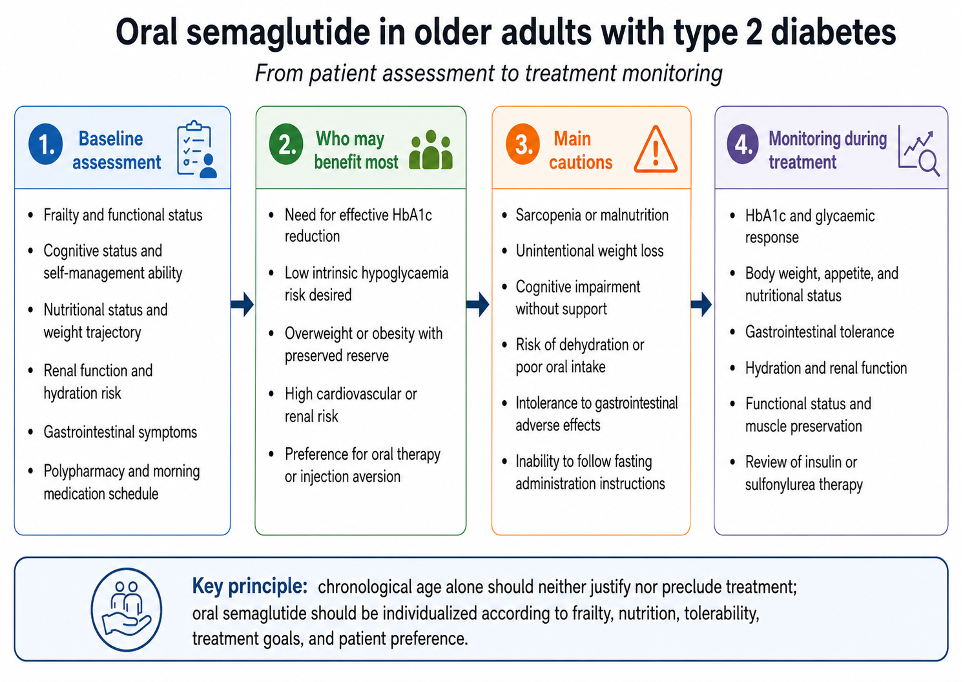
Figure 1. Clinical approach to oral semaglutide in older adults with type 2 diabetes: from baseline assessment to treatment monitoring.
8. Therapeutic Positioning in Older Adults
Oral semaglutide should be positioned within an individualized treatment strategy rather than considered simply as the tablet equivalent of injectable semaglutide. Its relative value depends on the indication for a GLP-1 receptor agonist, the competing advantages of other glucose-lowering classes, and the practical realities of the patient’s daily life.
8.1. Oral Versus Injectable GLP-1 Receptor Agonist Therapy
The oral formulation may be preferred when injection avoidance is a major patient priority and the fasting procedure can be followed reliably. An injectable formulation may be more practical when once-weekly administration, caregiver supervision, or reduced daily medication complexity is advantageous. Differences in dosing schedule, administration burden, available outcome evidence, tolerability, access, and cost should be discussed explicitly. Route of administration should therefore be selected by shared decision-making rather than by the assumption that oral treatment is inherently easier.
8.2. Relationship with SGLT2 inhibitors
SGLT2 inhibitors and GLP-1 receptor agonists have overlapping but not identical clinical roles. SGLT2 inhibitors are often prioritized when heart failure or chronic kidney disease predominates, whereas semaglutide is particularly attractive when atherosclerotic cardiovascular risk, glycaemic efficacy, and reduction of excess adiposity are central concerns. In selected high-risk older adults, combination therapy may be appropriate because the mechanisms and cardiorenal benefits are complementary. The additional treatment burden, volume status, renal function, tolerability, and cost must nevertheless be considered.
8.3. Relationship with Insulin and Sulfonylureas
Compared with insulin and sulfonylureas, oral semaglutide offers effective glucose lowering with a substantially lower intrinsic risk of hypoglycaemia and without promoting weight gain. Its introduction may create an opportunity to reduce hypoglycaemia-prone therapy, particularly in patients with previous episodes, irregular eating patterns, cognitive impairment, or chronic kidney disease. It is not, however, a substitute for insulin in patients with clear insulin deficiency, catabolic symptoms, or severe symptomatic hyperglycaemia, and insulin should not be withdrawn abruptly.
8.4 Relationship with DPP-4 Inhibitors and Other Oral Agents
DPP-4 inhibitors are generally weight neutral, well tolerated, and simple to administer, but their glucose-lowering effect is more modest and they have not demonstrated the same degree of cardiovascular risk reduction as semaglutide. They may remain preferable in lean, frail, or nutritionally vulnerable patients in whom gastrointestinal effects and weight loss are undesirable. Metformin remains appropriate when tolerated and not contraindicated, while pioglitazone is limited in many older adults by fluid retention, heart failure risk, weight gain, and fracture concerns. The therapeutic hierarchy should therefore reflect the dominant clinical problem rather than drug class novelty.
8.5. A Pragmatic Place in Therapy
In practice, oral semaglutide occupies a favourable position for an older adult who is functionally independent, has inadequate glycaemic control or high atherosclerotic cardiovascular risk, would benefit from reduction of excess adiposity, has a low tolerance for hypoglycaemia, and prefers to avoid injections. Its position is less favourable in severe frailty, malnutrition, progressive unintentional weight loss, persistent gastrointestinal disease, or inability to manage the fasting administration schedule.
The final decision should integrate evidence-based indication with geriatric priorities. The objective is not to maximize pharmacological intensity, but to select the treatment most likely to preserve health, independence, and quality of life while minimizing avoidable harm and burden.
9. Knowledge Gaps and Future Directions
Despite the extensive clinical development programme for oral semaglutide, evidence specifically designed around the priorities of older adults remains limited. Chronological age is commonly reported, but biological age, frailty, cognitive impairment, functional dependency, malnutrition and caregiver support are rarely characterized in sufficient detail. Consequently, the available evidence is most directly applicable to relatively robust older adults and less certain in very old or clinically vulnerable populations.
9.1. Representation of Frail and Very Old Adults
Future trials should include larger numbers of adults aged 75 years and older and should avoid excluding patients solely because of multimorbidity or functional limitation. Standardized measures of frailty, cognition, activities of daily living, nutritional status and social support would allow treatment effects to be interpreted within clinically meaningful geriatric phenotypes rather than broad age categories alone.
9.2 Body Composition and Functional Outcomes
Weight reduction is usually reported as a favourable outcome, but body weight alone cannot distinguish loss of adipose tissue from loss of lean mass. Studies in older adults should incorporate body-composition assessment, muscle strength, gait speed, physical performance, falls and maintenance of independence. This would clarify whether metabolic benefit is accompanied by preservation of functional reserve and would help define the role of nutritional and exercise interventions during treatment.
9.3. Comparative Effectiveness and Treatment Burden
Direct comparisons between oral semaglutide, once-weekly injectable GLP-1 receptor agonists, SGLT2 inhibitors and simpler oral regimens are needed in older populations. Such studies should evaluate not only HbA1c and body weight, but also persistence, adherence, administration errors, treatment satisfaction, caregiver burden, hypoglycaemia, hospitalizations and quality of life. The assumption that an oral formulation is always simpler should be tested rather than accepted, particularly in patients with complex morning medication schedules.
9.4. Predictors of Benefit, Intolerance and Discontinuation
Reliable clinical predictors of response and tolerability have not been established. Future research should explore whether frailty, baseline appetite, gastrointestinal symptoms, renal function, polypharmacy, cognitive status, prior weight trajectory or dose-escalation speed identify patients most likely to benefit or discontinue treatment. Real-world studies should also distinguish discontinuation caused by adverse events from discontinuation related to cost, availability, patient preference or inadequate education.
9.5. Outcomes That Matter to Older Patients
Cardiovascular and renal outcomes remain essential, but geriatric diabetes care also requires outcomes that are directly relevant to daily life. Future studies should assess maintenance of independence, symptom burden, mobility, cognition, nutritional status, treatment complexity and avoidance of emergency care or hospitalization. Incorporating these endpoints would support a more complete assessment of net clinical benefit in later life.
10. Conclusions
Oral semaglutide expands the therapeutic options available to older adults with type 2 diabetes by combining the glucose-lowering, weight-reducing and cardiovascular properties of semaglutide with oral administration. Randomized trials support its metabolic efficacy and cardiovascular value, while real-world studies indicate that clinically meaningful benefits can also be achieved in routine older populations.
Its suitability cannot be determined by chronological age alone. The most favourable candidates are generally older adults with preserved nutritional and functional reserve, inadequate glycaemic control or high atherosclerotic cardiovascular risk, and a preference for oral treatment who can reliably follow the fasting administration procedure. Greater caution is required in the presence of frailty, sarcopenia, malnutrition, recent involuntary weight loss, persistent gastrointestinal symptoms, cognitive impairment without adequate support, or unstable hydration and renal status.
The principal practical challenge is gastrointestinal tolerability rather than hypoglycaemia. Gradual titration, review of insulin or sulfonylurea therapy, monitoring of hydration and renal function, and assessment of appetite, body weight, muscle function and functional status are therefore central to safe use. Treatment should be continued only while its metabolic and cardiovascular benefits remain aligned with the patient’s evolving priorities and overall health status.
Oral semaglutide should thus be regarded neither as a universally simpler alternative to injectable therapy nor as a treatment that should be withheld because of age. Its appropriate role is that of an effective, evidence-based option used within individualized geriatric diabetes care, where efficacy, safety, treatment burden and preservation of independence are considered together.
References
- American Diabetes Association Professional Practice Committee for Diabetes. 13. Older Adults: Standards of Care in Diabetes—2026. Diabetes Care. 2026;49(Suppl 1):S277–S296. doi:10.2337/dc26-S013.
- European Medicines Agency. Rybelsus: EPAR—Product Information. Summary of Product Characteristics. Amsterdam: European Medicines Agency; 2026. Available at: https://www.ema.europa.eu/en/documents/product-information/rybelsus-epar-product-information_en.pdf (accessed 21 July 2026).
- Buckley ST, Bækdal TA, Vegge A, Maarbjerg SJ, Pyke C, Ahnfelt-Rønne J, Madsen KG, Schéele SG, Alanentalo T, Kirk RK, et al. Transcellular stomach absorption of a derivatized glucagon-like peptide-1 receptor agonist. Sci Transl Med. 2018;10(467):eaar7047. doi:10.1126/scitranslmed.aar7047.
- Bækdal TA, Breitschaft A, Donsmark M, Maarbjerg SJ, Søndergaard FL, Borregaard J. Effect of various dosing conditions on the pharmacokinetics of oral semaglutide, a human glucagon-like peptide-1 analogue in a tablet formulation. Diabetes Ther. 2021;12:1915–1927. doi:10.1007/s13300-021-01078-y.
- Granhall C, Søndergaard FL, Thomsen M, Anderson TW. Pharmacokinetics, safety and tolerability of oral semaglutide in subjects with renal impairment. Clin Pharmacokinet. 2018;57:1571–1580. doi:10.1007/s40262-018-0649-2.
- Neeland IJ, Linge J, Birkenfeld AL. Changes in lean body mass with glucagon-like peptide-1-based therapies and mitigation strategies. Diabetes Obes Metab. 2024;26(Suppl 4):16–27. doi:10.1111/dom.15728.
- Linge J, Birkenfeld AL, Neeland IJ. Muscle mass and glucagon-like peptide-1 receptor agonists: adaptive or maladaptive response to weight loss? Circulation. 2024;150(16):1288–1298. doi:10.1161/CIRCULATIONAHA.124.067676.
- Aroda VR, Rosenstock J, Terauchi Y, Altuntas Y, Lalic NM, Morales Villegas EC, Jeppesen OK, Christiansen E, Hertz CL, Haluzík M. PIONEER 1: randomized clinical trial of the efficacy and safety of oral semaglutide monotherapy in comparison with placebo in patients with type 2 diabetes. Diabetes Care. 2019;42:1724–1732. doi:10.2337/dc19-0749.
- Pratley R, Amod A, Hoff ST, Kadowaki T, Lingvay I, Nauck M, Pedersen KB, Saugstrup T, Meier JJ. Oral semaglutide versus subcutaneous liraglutide and placebo in type 2 diabetes (PIONEER 4): a randomised, double-blind, phase 3a trial. Lancet. 2019;394:39–50. doi:10.1016/S0140-6736(19)31271-1.
- Pieber TR, Bode B, Mertens A, Cho YM, Christiansen E, Hertz CL, Wallenstein SOR, Buse JB. Efficacy and safety of oral semaglutide with flexible dose adjustment versus sitagliptin in type 2 diabetes (PIONEER 7): a multicentre, open-label, randomised, phase 3a trial. Lancet Diabetes Endocrinol. 2019;7:528–539. doi:10.1016/S2213-8587(19)30194-9.
- Mosenzon O, Blicher TM, Rosenlund S, Eriksson JW, Heller S, Hels OH, Pratley R, Sathyapalan T, Desouza C. Efficacy and safety of oral semaglutide in patients with type 2 diabetes and moderate renal impairment (PIONEER 5): a placebo-controlled, randomised, phase 3a trial. Lancet Diabetes Endocrinol. 2019;7:515–527. doi:10.1016/S2213-8587(19)30192-5.
- Aroda VR, Bauer R, Christiansen E, Haluzík M, Kallenbach K, Montanya E, Rosenstock J, Meier JJ. Efficacy and safety of oral semaglutide by subgroups of patient characteristics in the PIONEER phase 3 programme. Diabetes Obes Metab. 2022;24:1338–1350. doi:10.1111/dom.14710.
- Yamada Y, Yabe D, Hertz CL, Horio H, Nakamura J, Nielsen AM, Seino Y. Efficacy and safety of oral semaglutide by baseline age in Japanese patients with type 2 diabetes: a subgroup analysis of the PIONEER 9 and 10 Japan trials. Diabetes Obes Metab. 2022;24:321–326. doi:10.1111/dom.14571.
- Husain M, Birkenfeld AL, Donsmark M, Dungan K, Eliaschewitz FG, Franco DR, Jeppesen OK, Lingvay I, Mosenzon O, Pedersen SD, et al. Oral semaglutide and cardiovascular outcomes in patients with type 2 diabetes. N Engl J Med. 2019;381:841–851. doi:10.1056/NEJMoa1901118.
- McGuire DK, Marx N, Mulvagh SL, Deanfield JE, Inzucchi SE, Pop-Busui R, Mann JFE, Emerson SS, Poulter NR, Engelmann MDM, et al. Oral semaglutide and cardiovascular outcomes in high-risk type 2 diabetes. N Engl J Med. 2025;392:2001–2012. doi:10.1056/NEJMoa2501006.
- Kick A, M’Rabet-Bensalah K, Acquistapace F, Amadid H, Ambühl RA, Braae UC, Item F, Schultes B, Züger T, Rudofsky G. Real-world use of oral semaglutide in adults with type 2 diabetes: the PIONEER REAL Switzerland multicentre, prospective, observational study. Diabetes Ther. 2024;15:623–637. doi:10.1007/s13300-023-01525-y.
- Catrina SB, Amadid H, Braae UC, Dereke J, Ekberg NR, Klanger B, Jansson S. PIONEER REAL Sweden: a multicentre, prospective, real-world observational study of oral semaglutide use in adults with type 2 diabetes in Swedish clinical practice. Diabetes Ther. 2024;15:2079–2095. doi:10.1007/s13300-024-01614-6.
- Moreno-Pérez O, Reyes-García R, Modrego-Pardo I, Doulatram-Gamgaram VK, Cases CC, Guillén-Morote C, Mendoza NA, Tejera-Pérez C, Cárdenas-Salas J, Martínez-Fuster S, et al. Real-world effectiveness and safety of oral semaglutide in people living with type 2 diabetes: a nationwide multicentre retrospective observational study (ENDO2S-RWD). Diabetes Obes Metab. 2024;26:1519–1523. doi:10.1111/dom.15431.
- Fiore V, Carbotta G, Barraco S, Falasca P, Aricò CN, Barucca A. Real-world retrospective study in elderly patients aged 65 years and older with type 2 diabetes mellitus treated with daily oral semaglutide (SEMA-elderly). Diabetes Obes Metab. 2025;27:1805–1814. doi:10.1111/dom.16174.
- Costa S, Miranda C, Elefante A, Vallone V, Vinci C, Borroni F, Brandoni G, Labate AM, Lo Pomo F, Strazzabosco M. Effectiveness and safety of daily oral semaglutide in people with type 2 diabetes mellitus switching from sulfonylureas: a real-world retrospective study. Diabetes Obes Metab. 2025;27:3084–3093. doi:10.1111/dom.16314.
- Oe Y, Nomoto H, Cho KY, Yokozeki K, Ono T, Miya A, Kameda H, Nakamura A, Arimura Y, Atsumi T. Efficacy and safety of oral semaglutide in older patients with type 2 diabetes: a retrospective observational study (the OTARU-SEMA study). BMC Endocr Disord. 2024;24:124. doi:10.1186/s12902-024-01658-6.
- Baronti W, Lencioni C, Occhipinti M, Nicolucci A, Di Cianni G, Tuscany Study Group–Italian Diabetologists Association AMD. Real-world effectiveness of oral semaglutide: focus on patients with type 2 diabetes older than 75 years. Diabetes Res Clin Pract. 2024;218:111928. doi:10.1016/j.diabres.2024.111928.
- Labate AM, Moretti L, Villari P. Glycaemic and cardiometabolic effects of oral semaglutide in patients aged ≥65 years with type 2 diabetes. Endocrines. 2026;7:8. doi:10.3390/endocrines7010008.