

 +1 credit
| Version | Summary | Created by | Modification | Content Size | Created at | Operation |
|---|---|---|---|---|---|---|
| 1 | Anurodh Das | -- | 668 | 2025-08-15 16:26:58 |
Video Upload Options
The 79th Independence Day of India, celebrated on August 15, 2025, is a day of profound significance, commemorating the nation's liberation from British rule. However, this joyous occasion is inextricably linked to one of the most tumultuous and tragic events in modern history: the Partition of India. This article delves into the complex history of the 1947 Partition, examining its causes, the devastating human cost, and its enduring legacy on the Indian subcontinent. It reflects on how the partition shaped the identity of the newly independent nations and continues to influence geopolitical dynamics, while also acknowledging the resilience and hope that emerged from the ashes of this cataclysmic event.
The Dawn of Freedom, The Shadow of Partition
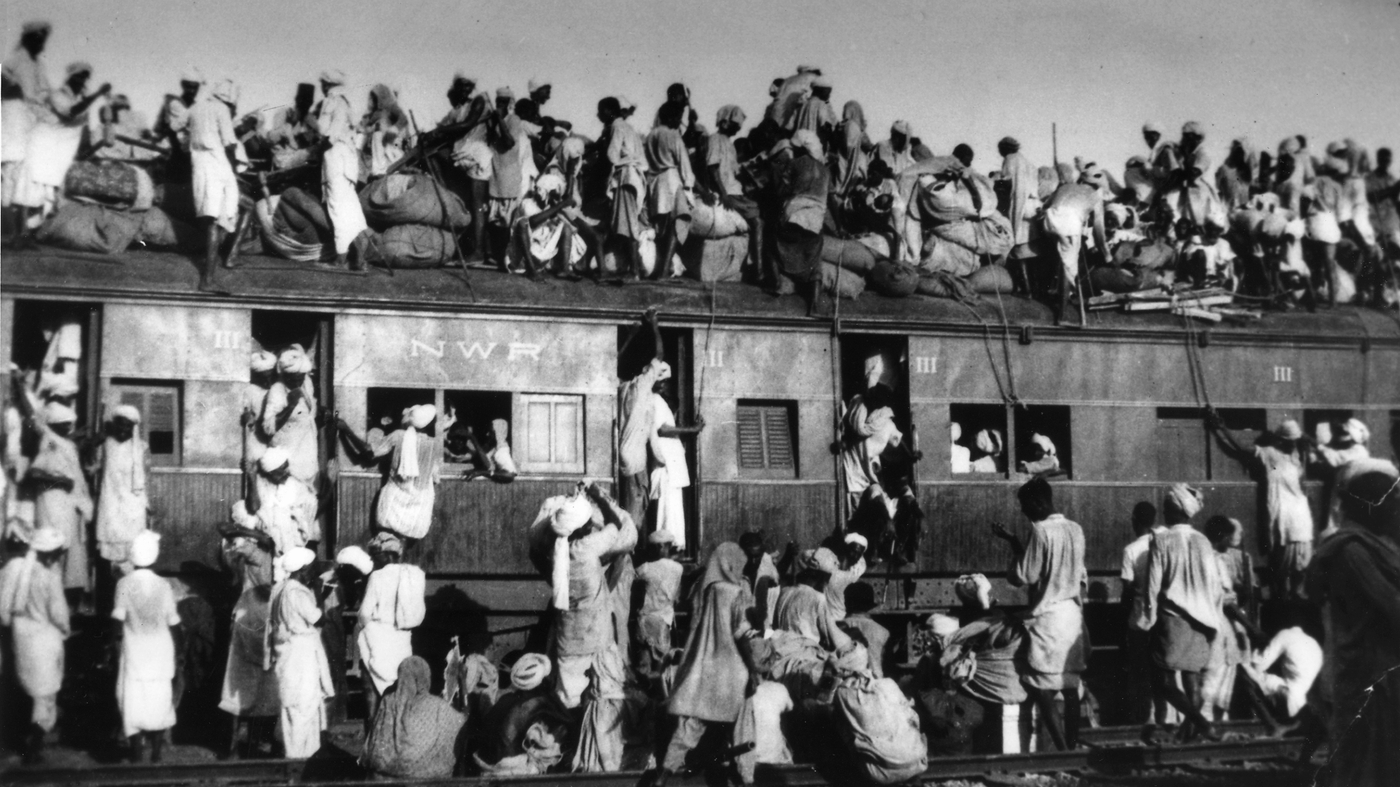 As the clock struck midnight on August 15, 1947, a new chapter began for the Indian subcontinent. British rule, which had lasted for nearly two centuries, came to an end. The air was filled with a mix of euphoria and apprehension. While Jawaharlal Nehru's "Tryst with Destiny" speech captured the aspirations of a new nation, it was also delivered under the shadow of a deeply painful reality: the subcontinent was being carved into two separate nations, India and Pakistan. This decision, driven by political expediency and communal tensions, unleashed a wave of violence and displacement on an unprecedented scale.
The origins of the Partition are complex and multifaceted. The British "divide and rule" policy, which often pitted religious communities against each other, created a fertile ground for communalism to flourish. The rise of the All-India Muslim League, led by Muhammad Ali Jinnah, and its demand for a separate Muslim state, Pakistan, further exacerbated these tensions. The final decision to partition, articulated in the Mountbatten Plan, was a desperate attempt to manage the escalating crisis, but it ultimately resulted in a chaotic and brutal division.
The human cost of the Partition was staggering. The Radcliffe Line, drawn hastily and with little regard for the demographic realities on the ground, cut through villages, homes, and families. This artificial boundary triggered one of the largest mass migrations in human history. An estimated 15 million people were uprooted, forced to leave their ancestral homes and embark on perilous journeys to what they hoped would be a safe haven. The journey was fraught with unimaginable horrors. Trains were attacked, convoys were ambushed, and widespread violence, including communal riots, massacres, and abductions, led to the deaths of an estimated one to two million people.
The legacy of the Partition continues to resonate today. It created an enduring rivalry between India and Pakistan, leading to multiple wars and a state of perpetual tension. The unresolved issue of Kashmir, a direct consequence of the Partition, remains a major flashpoint. The shared histories, cultures, and traditions of the region were fragmented, leaving a deep psychological wound that has yet to fully heal. The Partition's memory is kept alive through the stories of survivors, a testament to the resilience of those who endured unimaginable hardship and rebuilt their lives from scratch.
As India celebrates its 79th Independence Day, it is essential to remember that freedom came at a heavy price. The Partition serves as a somber reminder of the dangers of communalism and the catastrophic consequences of political decisions made without a full understanding of their human impact. It is a day to honor not only the freedom fighters who fought for independence but also the millions of ordinary people whose lives were forever altered by the stroke of a pen.
The 79th Independence Day is a time for introspection. It is an opportunity to reflect on the ideals of a united, secular, and democratic India that emerged from the ashes of Partition. It is a day to reaffirm the commitment to these values and to strive for a future where such divisions and violence are never repeated. The memory of the Partition, though painful, is a crucial part of our shared history, a lesson that must be learned and never forgotten.




