+1 credit
| Version | Summary | Created by | Modification | Content Size | Created at | Operation |
|---|---|---|---|---|---|---|
| 1 | Anurodh Das | -- | 683 | 2025-04-13 16:58:03 |
Video Upload Options
Today, April 13th, 2025, marks the 106th anniversary of the Jallianwala Bagh Massacre, a day etched in the collective memory of India as a brutal and defining moment in its struggle for independence.
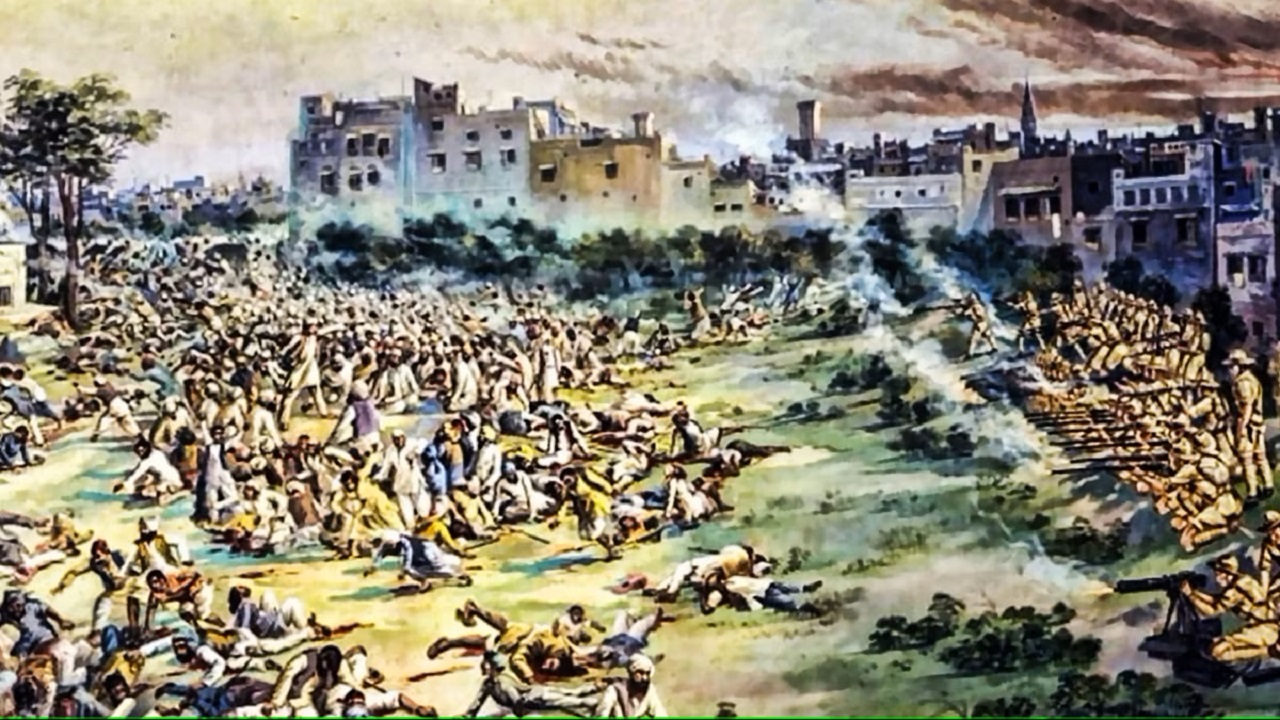 Th[1]e sheer scale of the tragedy – the indiscriminate killing of hundreds of unarmed civilians gathered peacefully in Amritsar – sent shockwaves across the nation and the world. But to truly understand the enduring significance of this horrific event, we must delve into the confluence of factors that led to the writing of this bloodiest and darkest chapter in India's modern history.
The seeds of the Jallianwala Bagh Massacre were sown in the fertile ground of escalating political tension and colonial oppression. Several key elements contributed to the volatile atmosphere that ultimately culminated in the carnage:
1. The Shadow of the Rowlatt Acts: Perhaps the most immediate trigger for the gathering at Jallianwala Bagh was the implementation of the Rowlatt Acts in March 1919. These draconian laws, passed by the British government, granted sweeping powers to the police to arrest and detain individuals without trial for suspected revolutionary activities. They effectively curtailed fundamental civil liberties, sparking widespread outrage and protests across India. Mahatma Gandhi called for a nationwide hartal (strike) on April 6th, 1919, to protest these unjust laws.
2. Growing Nationalist Sentiments: The early 20th century witnessed a significant surge in Indian nationalism. The desire for self-rule and an end to British colonial domination was gaining momentum. Various nationalist organizations and leaders were mobilizing the masses, challenging the authority of the Raj. This burgeoning nationalism was viewed with suspicion and hostility by the colonial administration, leading to increasingly repressive measures.
3. The Arrest of Prominent Leaders: In Amritsar, the arrest of two popular nationalist leaders, Dr. Saifuddin Kitchlew and Dr. Satya Pal, on April 10th, 1919, further inflamed public anger. Their detention, perceived as an arbitrary act of colonial power, triggered widespread demonstrations and clashes with the police, resulting in some violence and attacks on British property.
4. Misinformation and Fear: The local British administration, led by Lieutenant Governor Michael O'Dwyer, reacted to the unrest with a heavy hand. Fearful of a large-scale rebellion, they imposed strict restrictions on public gatherings under Section 144 of the Criminal Procedure Code. However, this information was not effectively disseminated throughout the city, leaving many unaware of the prohibition.
5. Brigadier-General Dyer's Mindset: The fateful decision to open fire on the unarmed crowd rested with Brigadier-General Reginald Dyer. His actions were driven by a belief in the necessity of instilling fear and crushing any signs of defiance against British authority. Dyer's own testimony before the Hunter Commission later revealed a chilling lack of remorse and a conviction that his actions were justified to maintain order and the prestige of the Empire. He saw the gathering at Jallianwala Bagh not as a peaceful protest but as an act of rebellion that needed to be met with decisive and brutal force.
The convergence of these factors created a tinderbox atmosphere in Amritsar. The peaceful gathering at Jallianwala Bagh on Baisakhi day, April 13th, 1919, became the unfortunate spark that ignited this pent-up tension, leading to the horrific massacre. The indiscriminate firing by Dyer's troops, the blocked exits, and the lack of medical aid for the injured left an indelible scar on the Indian psyche.
The Jallianwala Bagh Massacre was not an isolated incident but a brutal manifestation of the inherent injustices and oppressive nature of colonial rule. It served as a stark reminder of the power imbalance and the disregard for Indian lives. While the immediate aftermath brought widespread condemnation and a superficial inquiry, the underlying issues of colonial subjugation continued to fuel the independence movement.
Even 106 years later, the memory of Jallianwala Bagh serves as a potent symbol of the sacrifices made in the pursuit of freedom and a solemn reminder of the importance of upholding human rights and resisting all forms of oppression. The unhealed wound continues to resonate, urging us to learn from the past and strive for a future where such barbarity is never repeated.
References
- Jallianwala Bagh Massacre: History, Significance And Who Took Revenge For The 1919 Massacre?. News18. Retrieved 2025-4-13