
Pregnancy and breastfeeding both increase nutritional demands, making dietary quality an important part of maternal health. But how closely do everyday eating habits match nutritional recommendations during these stages?
A study published in Nutrients, “CastelLact Project: Exploring the Nutritional Status and Dietary Patterns of Pregnant and Lactating Women—A Comprehensive Evaluation of Dietary Adequacy” , examined dietary habits, nutrient intake, anthropometric characteristics, and breast milk composition among women in southeastern Spain.
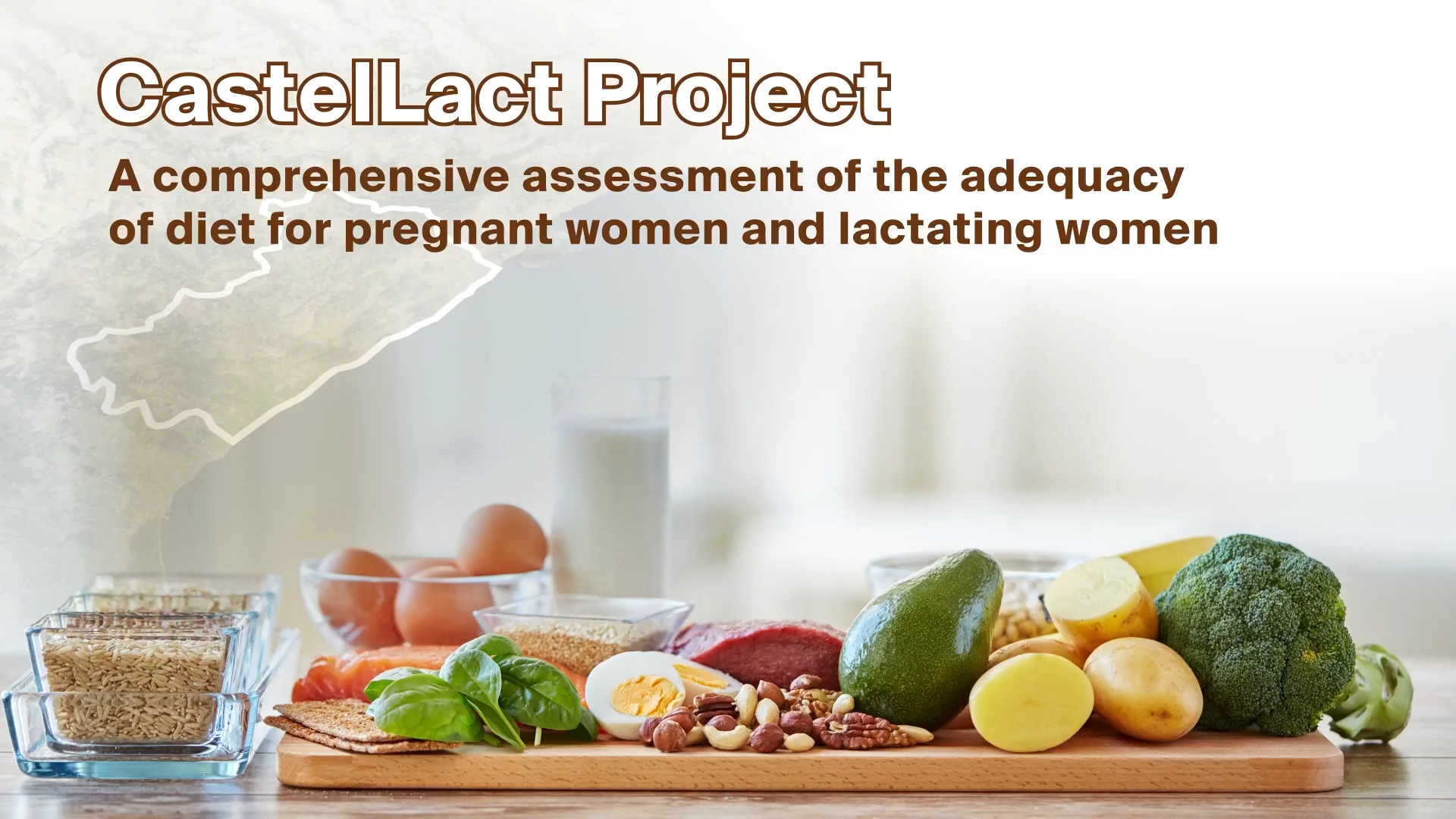
Figure 1. CastelLact Project: Exploring the Nutritional Status and Dietary Patterns of Pregnant and Lactating Women. Produced by MDPI Academic Video Service (Source: https://encyclopedia.pub/video/1798).
1. What Did the Study Look At?
The study included 26 women aged 25–40 years, with a median age of 32.3 years. Researchers collected information on dietary habits, food frequency, three-day dietary records, anthropometric measurements, and clinical and obstetric characteristics. Breast milk samples were also analyzed for nutritional composition.
The study was descriptive and used a relatively small convenience sample, so its findings should be viewed as a snapshot of this particular group rather than as representative of pregnant and breastfeeding women more broadly.
2. What Was on the Plate?
During pregnancy, the women's reported food consumption did not fully match the dietary recommendations used in the study. In particular, the researchers identified lower-than-recommended consumption of fruits, vegetables, legumes, nuts, and cereals.
Meal frequency was not necessarily low. 53.8% of participants reported eating five meals per day, while grilling and baking were the most commonly reported cooking methods, used by 92.3% and 76.9% of participants, respectively.
The findings therefore point more toward differences in what was being eaten than simply how often participants ate.
3. The Diet Changed During Breastfeeding
The dietary picture during lactation showed some additional differences.
The average reported energy intake was 2575.88 ± 730.59 kcal per day. The study's abstract reported that approximately 45% of energy came from carbohydrates and 40% from lipids, with saturated fatty acid intake averaging 37.16 ± 10.43 g per day.
The detailed dietary analysis also identified several micronutrients whose intake did not reach the reference values used in the study, including calcium, iodine, vitamin D, vitamin E, and folic acid.
Importantly, these findings describe dietary intake relative to recommendations. They do not mean that the women were clinically diagnosed with deficiencies of these nutrients.
4. Supplements Became Less Common
The researchers also compared supplement use during pregnancy and lactation.
They reported an almost 30% decrease in the use of vitamin and mineral supplements and a 20% decrease in supplements containing DHA and/or EPA between pregnancy and lactation. Consumption of probiotic foods remained relatively stable.
The authors suggested that this may indicate that nutritional requirements during lactation receive less attention than those during pregnancy. However, the study does not establish that the change in supplement use caused any particular nutritional outcome.
5. Weight Gain Told a Different Story
The dietary findings were not reflected in uniformly unfavorable anthropometric results.
Pregnancy weight gain ranged from 6.5 to 20.3 kg, with a mean of 12.8 ± 3.5 kg. The researchers reported that 84.7% of participants had anthropometric values within the normal BMI range specified in the study.
The authors therefore described the women's weight gain as generally consistent with recommendations, while also noting some cases of overweight and obesity.
This provides an interesting contrast: an apparently appropriate weight trajectory does not necessarily mean that every aspect of dietary intake meets nutritional recommendations.
6. What Was Found in the Breast Milk?
The study also analyzed breast milk samples and found considerable variation in their nutritional composition.
Average breast milk energy content was 66.08 ± 15.26 kcal, while average protein and carbohydrate contents were 1.05% and 7.13%, respectively. Calcium concentration averaged 249.81 ± 59.41 mg/L, below the reference range reported by the authors.
The analysis also found variation in fatty acid composition. Saturated fatty acids accounted for 43.71% of total fatty acids, while polyunsaturated and monounsaturated fatty acids accounted for 23.36% and 32.96%, respectively.
Overall, the authors considered the breast milk composition to be broadly consistent with established standards, although some components, particularly certain fatty acids and calcium, differed from the reference values.
7. Breastfeeding Was Not Always Easy
The study also recorded breastfeeding-related complications.
Among the 26 participants, 57.69% reported lactation complications. Nipple cracks were reported by 38.5%, while 19.2% reported mastitis.
These findings provide context for the women's breastfeeding experience, but the study did not establish a causal relationship between dietary intake and these complications.
8. What Can We Take from a Study of 26 Women?
The study has clear limitations. Its sample was small and selected through convenience sampling, and differences in supplement use and other participant characteristics could have introduced confounding factors. The authors therefore call for larger and more homogeneous studies to confirm these findings.
Still, the study provides a detailed look at dietary patterns and nutritional intake in a group of pregnant and breastfeeding women in southeastern Spain.
The picture is mixed. Most participants showed generally appropriate anthropometric outcomes, while their dietary intake did not fully align with several recommendations. During pregnancy, the main differences involved the consumption of several food groups. During lactation, the researchers identified an energy distribution relatively high in fat and lower-than-recommended intake of several micronutrients.
The findings do not point to one particular food or supplement as the answer. Instead, they highlight a broader issue: nutritional needs continue to change throughout pregnancy and breastfeeding, and dietary assessment needs to consider both stages rather than stopping at delivery.