
As vegan pet food becomes more widely available, questions about its nutritional adequacy have become increasingly important. Can commercially available vegan food provide the nutrients dogs and cats need? And how does it compare with conventional meat-based pet food?
A paper published in Animals entitled “How Nutritionally Sound Is Commercially Available Vegan Pet Food Relative to Meat-Based Pet Food? A Systematic Review”examined these questions by bringing together evidence from 54 studies that analyzed the nutrient composition of commercially available dog and cat foods. Rather than focusing only on vegan diets, the review compared findings across different types of pet food and assessed them against nutritional guidelines from the Association of American Feed Control Officials (AAFCO), the European Pet Food Industry Federation (FEDIAF), and the National Research Council (NRC).
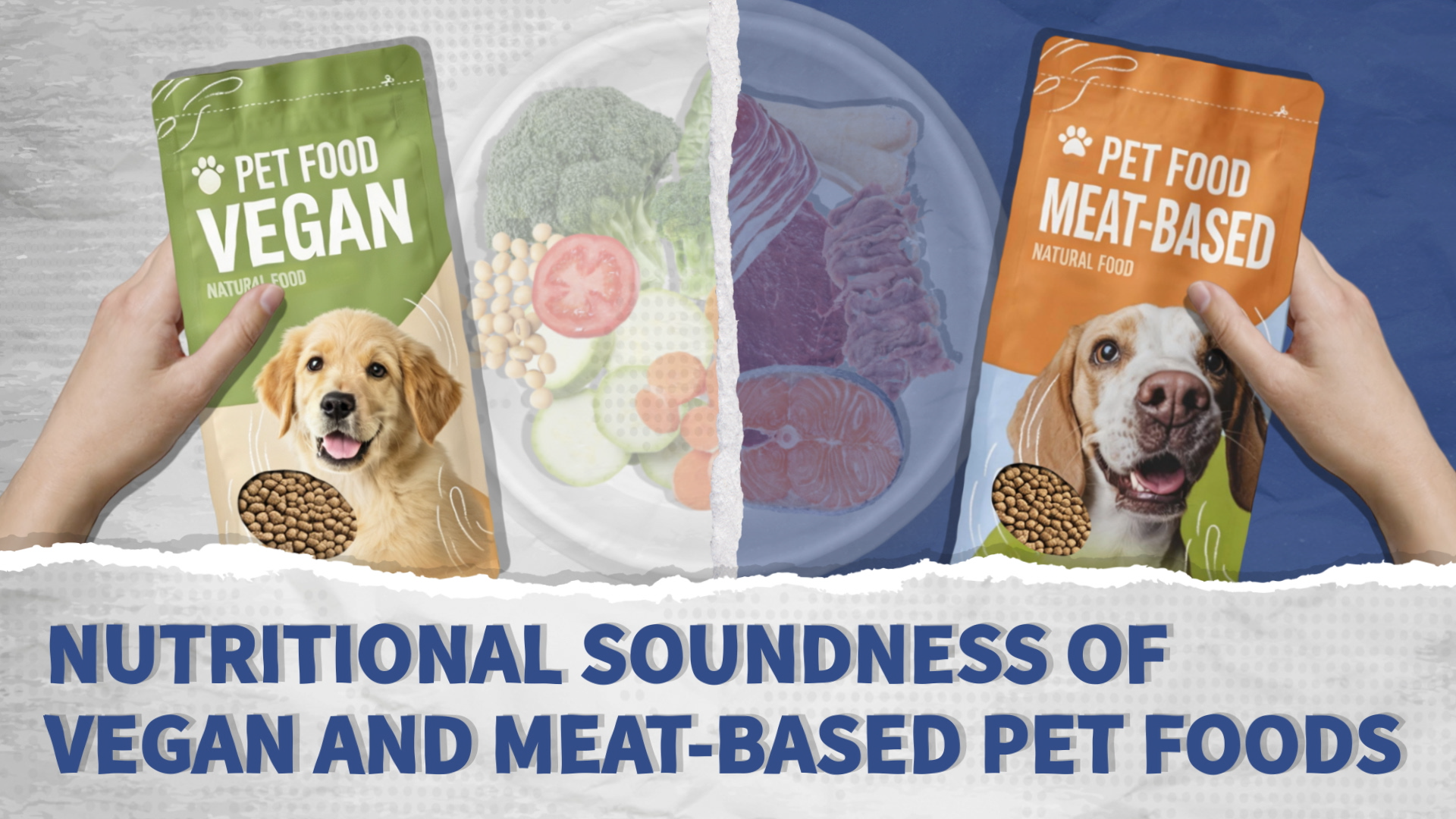
Figure 1. How Nutritionally Sound Is Commercially Available Vegan Pet Food?. Produced by MDPI Academic Video Service (Source: https://encyclopedia.pub/video/1868).
1. A Look at Commercial Pet Food
The review identified 831 records initially and ultimately included 54 studies published between 1989 and 2025. Of these, 24 focused on dog food, 11 on cat food, and 19 included both species. Most studies examined dry food, although wet and other types of commercial food were also represented.
The overall picture was mixed. Only 10 of the 54 studies (18.5%) found no nutritional deficiencies or excesses in the pet foods they examined when compared with AAFCO, FEDIAF, or NRC recommendations. The remaining 44 studies (81.5%) identified at least one nutritional deficiency or excess.
Importantly, the 81.5% figure refers to studies, not 81.5% of all commercial pet foods. The included studies differed substantially in the number of products tested and in the nutrients they measured. The review therefore does not mean that 81.5% of pet-food products on the market are nutritionally inadequate.
2. Where Nutritional Gaps Appeared
Some nutritional problems appeared repeatedly across the studies.
For both dogs and cats, calcium, phosphorus, and zinc deficiencies were among the most frequently reported. In cat food, taurine deficiency was another recurring concern. The review also identified excesses of calcium, phosphorus, and copper, with copper sometimes exceeding not only FEDIAF recommendations but also European legislative limits.
These findings illustrate that nutritional adequacy is not simply a matter of whether a food contains enough protein or whether its ingredients include meat. A product can provide adequate levels of some nutrients while falling below recommended levels for others—or, in some cases, exceeding recommended amounts.
The authors also emphasize that the nutritional guidelines themselves are not identical. AAFCO and FEDIAF provide regulatory-oriented recommendations, while NRC guidelines focus on physiological nutrient requirements. The studies included in the review also used different versions of these guidelines depending on when they were conducted. These differences need to be considered when comparing findings between studies.
3. What Did the Research Find about Vegan Pet Food?
The evidence specifically concerning vegan pet food was considerably smaller.
Six of the 54 studies considered vegan pet food. Five examined vegan or vegetarian products, while one study directly compared vegan and meat-based dog food. Four studies included both dogs and cats, one focused on vegan cat food, and the direct comparison study examined dogs. Most of the vegan products assessed were plant-based; none of the studies examined microbial-protein pet food.
The vegan products showed several nutritional deviations, including reported deficiencies in crude protein, methionine plus cystine, arachidonic acid, potassium, zinc, vitamin A, vitamin B6, and vitamin B12. Some products also showed an imbalance in the calcium-to-phosphorus ratio or excess copper. However, not every nutrient was measured in every study, so these findings should not be interpreted as a nutritional profile shared by all vegan pet foods.
There were also some favorable findings. Among the vegan products assessed, selenium deficiency was not reported, and the authors noted generally favorable fatty acid profiles. This contrasts with some meat-based products in which selenium deficiency was observed.
4. What Happened When Vegan and Meat-Based Foods Were Compared Directly?
Only one of the 54 studies directly compared vegan and meat-based pet food. It examined dog food and was also one of the studies receiving the highest certainty rating in the review.
Interestingly, this study found higher average amino acid concentrations in the vegan products than in the meat-based products. It did not identify crude-protein deficiencies in the vegan samples, while the lowest crude-protein value occurred in a meat-based product. The vegan products also had significantly higher levels of unsaturated fats.
These findings are notable, but they should not be interpreted as evidence that vegan pet food is nutritionally superior to meat-based food. There was only one direct comparative study, and the broader evidence base was much larger for meat-based products than for vegan products.
5. Meat-Based Food Was Not Consistently Adequate Either
The review found nutritional deviations in conventional meat-based foods as well.
Indeed, 49 studies examined meat-based foods, compared with only six studies involving vegan products. Deficiencies and excesses were reported across conventional meat-based, raw, and insect-based foods, as well as vegan products.
This broader pattern is important. The findings suggest that the nutritional adequacy of a commercial pet food cannot be inferred simply from its ingredient category. Meat-based food is not automatically nutritionally complete, just as a vegan product cannot be judged nutritionally adequate or inadequate solely because it excludes animal ingredients.
What matters is the nutrient profile of the finished product and whether it meets the nutritional requirements appropriate for the animal and life stage.
6. What Does This Mean for Pet Food Research?
The review also highlights an important gap in current evidence. Research on conventional meat-based pet food is much more extensive than research on newer alternatives. The authors point out that several alternative products—including microbial-protein and cultivated-meat foods—are relatively recent developments and have not yet been adequately represented in nutritional studies.
The review also notes that nutrient composition alone does not fully determine nutritional adequacy in animals. Factors such as bioavailability, digestibility, and interactions between nutrients or ingredients can affect how nutrients are ultimately used by the animal. Feeding trials and broader health assessments can therefore provide information that chemical analysis alone cannot.
Another limitation is the uneven evidence base. The included studies varied in sample size, nutrients analyzed, analytical methods, and nutritional standards used. The authors therefore recommend more comprehensive testing that assesses the full range of nutrients required by current AAFCO and FEDIAF guidelines.
7. A Broader Question Than Vegan Versus Meat
The main message of this systematic review is not that one type of pet food is universally better than another.
Instead, it shows that nutritional deviations have been reported across multiple categories of commercially available pet food. Vegan products had some recurring areas of concern, but conventional meat-based products also showed nutritional deficiencies and excesses.
At the same time, the evidence specifically comparing vegan and meat-based foods remains limited. With only one direct comparative study among the 54 included studies, much more research is needed before firm conclusions can be drawn about differences between these two categories.
For pet food manufacturers, the findings underline the importance of comprehensive formulation, quality control, and product testing. For researchers, they highlight the need for larger and more consistent nutritional assessments of both established and emerging pet food types.
Ultimately, the more useful question may not be whether a pet food is vegan or meat-based, but whether the finished product provides the nutrients that dogs and cats require, in appropriate amounts, for their particular life stage.