
Gastro-entero-pancreatic neuroendocrine neoplasms are among the most biologically diverse tumors in oncology. These rare cancers arise throughout the digestive system and pancreas, and their clinical behavior can vary widely from one patient to another. Some tumors grow slowly over many years, while others progress much more aggressively. This variability makes prognosis particularly difficult, as patients with apparently similar diagnoses can experience very different clinical outcomes.
Against this background, a recent review published in Cancers, titled "Artificial Intelligence for Prognosis of Gastro-Entero-Pancreatic Neuroendocrine Neoplasms", examines how artificial intelligence may help improve prognostic assessment in this complex disease. By analyzing clinical, imaging, and pathological information together, AI-based models could eventually support more individualized management for patients with these uncommon tumors.
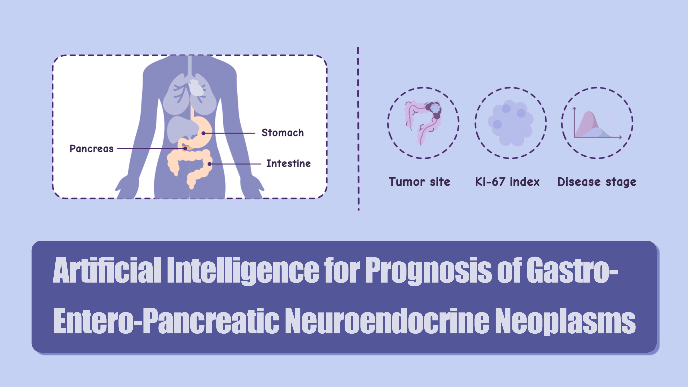
Figure 1. Artificial Intelligence for Prognosis of Gastro-Entero-Pancreatic Neuroendocrine Neoplasms. Produced by MDPI academic video service (source: https://encyclopedia.pub/video/1796).
1. Why Prognosis Remains Challenging
The difficulty in managing GEP-NENs lies largely in their heterogeneity. Tumors can differ not only in anatomical location but also in biological behavior. A lesion in the pancreas may behave very differently from one in the small intestine, even when the two appear similar under standard pathological evaluation.
Current prognosis usually depends on factors such as tumor grade, disease stage, primary site, and the Ki-67 proliferation index. These markers remain essential, but they do not always explain the full clinical picture. In practice, physicians often see patients whose disease behaves differently from what standard classifications would predict.
Because treatment decisions often depend on expected disease course, improving prognostic accuracy remains an important goal.
2. The Limits of Traditional Models
Traditional prognostic models are generally based on statistical methods that examine a limited number of variables at a time. While these tools provide useful clinical guidance, they can struggle to capture the complex interactions that influence tumor progression.
Clinical outcomes in GEP-NENs may be shaped by multiple factors simultaneously, including imaging characteristics, molecular markers, prior treatments, and patient-specific health conditions. These relationships are rarely simple or linear.
As a result, conventional prediction models may not fully reflect the biological complexity of the disease, which has encouraged interest in more advanced analytical approaches.
3. What Artificial Intelligence Can Add
Artificial intelligence offers a different way to examine medical data. Instead of evaluating isolated variables, machine learning models can process large datasets and identify patterns across multiple sources of information at the same time.
For neuroendocrine tumors, this may include:
- clinical history
- radiological imaging
- pathological findings
- molecular data
By combining these data types, AI models may detect relationships that would be difficult to recognize using conventional analysis alone. This could help generate more refined estimates of disease progression and survival.
Importantly, the goal is not to replace clinical judgment, but to provide additional information that may assist physicians in making more informed decisions.
4. Early Results from Prognostic Studies
Several studies discussed in the review suggest that machine learning models may improve prognostic prediction in selected patient groups.
Some early investigations found that machine learning approaches, including random survival forest models and neural networks, showed stronger predictive performance than conventional staging systems within specific datasets. These models were better able to account for non-linear relationships between clinical variables and patient outcomes.
Although these findings are encouraging, the authors also emphasize that most available studies remain limited by:
- retrospective study design
- small patient cohorts
- single-center datasets
- lack of external validation
Because of these limitations, AI-based models should still be considered investigational rather than established clinical tools.
5. Imaging as a Source of Hidden Information
Medical imaging may become one of the most valuable areas for AI in GEP-NEN research. Patients often undergo CT, MRI, and PET imaging during diagnosis and follow-up, and these scans contain more information than can be captured through visual interpretation alone.
Artificial intelligence can analyze subtle imaging features through radiomics, extracting quantitative data that may correlate with tumor aggressiveness or likely response to treatment.
Rather than simply showing where a tumor is located, future AI-enhanced imaging may help reveal how the tumor is likely to behave.
6. A Possible Role in Digital Pathology
Pathology remains central to the diagnosis of neuroendocrine neoplasms, but interpretation can sometimes vary among specialists, especially in rare tumor types.
AI-assisted digital pathology may help improve consistency by identifying microscopic features associated with prognosis. By analyzing tissue patterns at high resolution, machine learning systems may uncover additional prognostic signals that are not always evident through routine examination.
At present, these tools are still developing, but they may eventually complement standard pathological assessment.
7. The Challenges Still Ahead
Despite the growing interest in AI, important barriers remain before these systems can be used routinely in clinical care.
One major challenge is data quality. Because GEP-NENs are rare tumors, many institutions do not have enough patients to build large training datasets. Small datasets can limit the reliability of machine learning models.
Another concern is transparency. Some AI systems can produce predictions without clearly showing how those predictions were generated. In medicine, this raises concerns because clinicians need to understand and trust the tools they use in patient care.
The review also notes that ethical issues, including data privacy and algorithmic bias, must be addressed before AI can be more widely integrated into oncology practice.
8. Moving Toward More Personalized Care
The long-term potential of artificial intelligence lies in personalization. Rather than relying only on broad disease categories, future models may help estimate prognosis at the level of the individual patient.
With better validation, AI could eventually assist clinicians when considering:
- surveillance strategies
- surgical timing
- systemic therapy selection
- treatment sequencing
For patients with neuroendocrine tumors, where clinical behavior can be highly unpredictable, more individualized prognostic tools could help improve decision-making throughout the course of care.
9. Conclusion
Gastro-entero-pancreatic neuroendocrine neoplasms remain difficult to predict because of their biological diversity and variable clinical behavior. Traditional prognostic tools provide important information, but they do not always capture the full complexity of these tumors.
Artificial intelligence offers a promising new direction by identifying patterns across clinical, imaging, and pathological data that may not be visible through conventional analysis. Although current evidence is still limited and further validation is needed, AI may eventually become a valuable decision-support tool in the management of patients with neuroendocrine tumors.