
Traditional maize landraces have long been part of Europe’s agricultural history. Developed through centuries of farmer selection and local adaptation, these varieties reflect the environmental, cultural, and farming conditions of different regions across the continent. Although modern hybrid breeding has transformed maize production, many of these older landraces remain preserved in European genebanks, where they represent an important reservoir of genetic diversity. Today, this diversity is receiving renewed attention. As agriculture faces increasing pressure from climate change, environmental stress, and the demand for sustainable crop production, researchers are looking back to traditional genetic resources for traits that may support future crop improvement.
A recent study published in Biology, titled “Genetic and Phenotypic Evaluation of European Maize Landraces as a Tool for Conservation and Valorization of Agrobiodiversity”, explores how large-scale genetic and field-based evaluation can help reveal the value of European maize landraces and support both their conservation and practical use.
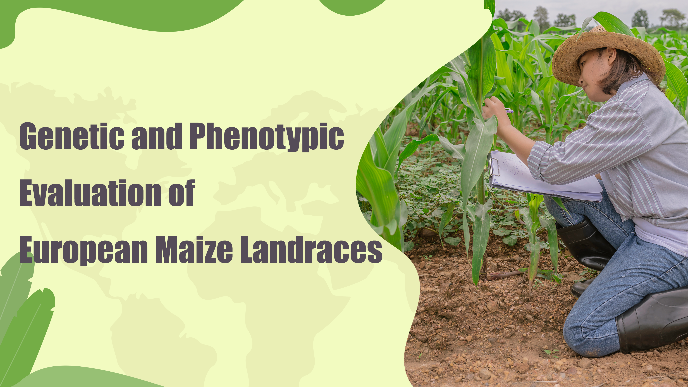
Figure 1. Genetic and Phenotypic Evaluation of European Maize Landraces. Produced by MDPI academic video service (Source: https://encyclopedia.pub/video/1816).
1. From Historical Cultivation to Modern Research
Maize was introduced to Europe in the late fifteenth century following its arrival from the Americas. Over time, farmers selected and cultivated maize populations adapted to local climates, soils, and agricultural practices. This long process of adaptation generated a remarkable diversity of landraces across Europe.
Unlike modern commercial hybrids, landraces are genetically heterogeneous populations. Their diversity may provide greater adaptability to changing environmental conditions, making them potentially valuable for breeding programs focused on resilience and sustainability.
Despite the large number of maize landraces preserved in European genebanks, many remain insufficiently characterized, limiting their broader use in crop improvement programs.
2. The EVA Maize Network
To better understand and utilize European maize diversity, the ECPGR European Evaluation Network (EVA) was established as a collaborative public–private initiative. The EVA Maize Network brings together genebanks, research institutes, and breeding companies across Europe with the shared goal of evaluating maize genetic resources conserved in European collections.
In this study, 626 maize landraces from eight national collections were analyzed using high-throughput SNP genotyping. Because maize is naturally outcrossing and highly heterogeneous, multiple plants were sampled from each landrace and their DNA was pooled before genotyping.
The analysis applied allele-frequency prediction models with statistical assignment thresholds to classify landraces into different genetic groups and investigate patterns of diversity across Europe.
3. Genetic Diversity Patterns
The genetic analysis separated the maize landraces into nine major genetic groups. These clusters reflected both geographic origins and historical patterns of maize introduction and diversification across Europe.
The findings illustrate how maize diversified after arriving on the continent, with local adaptation and historical breeding practices contributing to the formation of distinct regional populations. The study also showed that some breeding materials originated from combinations of different genetic groups, highlighting the historical exchange of germplasm across European agriculture.
Importantly, the results demonstrate that European genebank collections preserve substantial genetic diversity with significant potential for future breeding applications.
4. Genetic Structure of European Maize Landraces
To complement the molecular analysis, the researchers also conducted large-scale field evaluations.
A total of 588 landraces were tested in multi-location field trials conducted across eleven European sites over three years. Five commercial hybrid varieties were included as reference standards to support comparisons between locations and growing seasons.
The experiments evaluated key agronomic traits, including flowering time, plant height, and ear height.
The results revealed substantial variability in agronomic performance among the evaluated landraces. However, the phenotypic groupings only partially matched the genetic clusters identified through SNP analysis. This finding suggests that environmental adaptation and complex trait interactions play important roles in shaping maize performance under field conditions.
5. Implications for Breeding and Conservation
The study highlights the importance of combining molecular characterization with large-scale phenotypic evaluation when assessing crop genetic resources.
European maize landraces may contain traits associated with stress tolerance and local adaptation that could be valuable for future breeding programs. These characteristics may help support the development of maize varieties better suited to changing environmental conditions and more sustainable agricultural systems.
At the same time, the research demonstrates the value of collaborative evaluation networks such as EVA. By integrating genebank resources, genetic analysis, and field testing across multiple countries, the project provides a more systematic framework for identifying useful breeding material.
This approach may help bridge the gap between conservation and agricultural application. Rather than serving only as historical collections, maize landraces can become active genetic resources for crop improvement and food security.
6. Looking Forward
As climate variability continues to challenge agricultural systems worldwide, maintaining crop genetic diversity is becoming increasingly important. Modern breeding depends heavily on access to diverse genetic resources capable of supporting resilience, productivity, and environmental adaptation.
The combination of high-throughput genotyping and multi-environment field trials presented in this study offers a valuable strategy for unlocking the potential of European maize collections. Beyond maize itself, the work also provides a broader framework for evaluating and conserving agrobiodiversity in other crop species.
Ultimately, the study reinforces the importance of preserving traditional landraces not only as part of agricultural heritage, but also as valuable resources for the future of sustainable agriculture.