
Summary

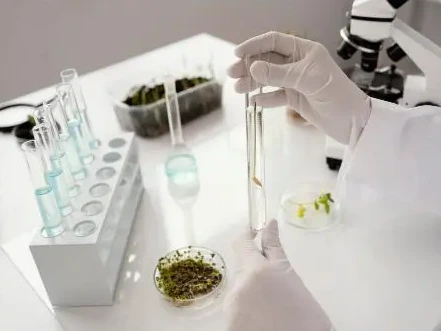
Medicinal chemistry and natural products focus on the discovery, structural characterization, synthesis, modification, and biological evaluation of bioactive molecules. This collection covers synthetic drugs, natural products, pharmacophores, structure–activity relationships, molecular interactions, drug-like properties, and the chemical and biological basis of therapeutic compound development.

Expand All
Entries
Topic Review
Calpain Inhibitor
A calpain inhibitor is a molecule that reduces the proteolytic activity of one or more members of the calpain family, particularly the calcium-activated cysteine proteases calpain-1 and calpain-2 [1]. Calpains cleave selected peptide bonds within cellular proteins, and their inhibition limits this processing rather than directly preventing protein synthesis [1][2]. Inhibitors include synthetic small molecules, peptide derivatives, and the endogenous regulatory protein calpastatin. Many small-molecule inhibitors interact with the catalytic cleft, where electrophilic groups can engage the active-site cysteine; individual compounds differ in reversibility and activity against other cysteine proteases [2]. Calpastatin uses a distinct recognition mechanism involving several contacts with calcium-activated calpain. Its inhibitory segment occupies the substrate-binding cleft while a loop passes around the catalytic cysteine, avoiding cleavage of the inhibitor itself [3][4]. Each of its four inhibitory repeats can engage a calpain molecule [4]. Inhibition therefore encompasses chemically diverse interactions that suppress substrate cleavage, with specificity varying among compounds and calpain isoforms [1][2].
  • 4
  • 05 Nov 2026
Topic Review
Supercritical Fluid Extraction
Supercritical fluid extraction is an engineering separation process in which a fluid maintained above its critical temperature and pressure—a supercritical fluid—is contacted with a solid or liquid matrix within a high-pressure vessel, effecting the selective transfer of soluble components from the matrix into the fluid phase [1][2]. The process exploits the hybrid physicochemical state of the supercritical fluid, which exhibits liquid-like density and solvating power together with gas-like viscosity and diffusivity, so that the solvent strength of the fluid is continuously tunable through manipulation of pressure and temperature [3]. Engineering description of the process is organized around the packed-bed contactor, in which the matrix is held as a fixed bed and the supercritical solvent percolates through the interparticle void space; mass transfer from the solid matrix to the bulk fluid is governed by external film diffusion and intraparticle diffusion, and the axial dispersion and pressure drop within the bed are determined by bed porosity, particle size, and solvent velocity [1]. The unit operation is realized through a high-pressure extraction vessel, a pump system for solvent delivery and pressurization, and a separation vessel in which the extract is recovered by controlled depressurization [4]. Process design and scale-up require mathematical models that couple mass balances, equilibrium relations, and transport rate expressions to predict extraction yield as a function of operating pressure, temperature, solvent flow rate, and bed geometry [1]. Supercritical fluid extraction therefore designates the integrated engineering system—thermodynamic solvent selection, packed-bed transport, high-pressure equipment, and model-based process design—through which supercritical fluids are applied to separate soluble constituents from solid matrices [2][3][4].
  • 11
  • 28 Oct 2026
Topic Review
Cardiovascular Protection
Cardiovascular protection denotes the concerted action of endogenous mediators, pharmacological agents, or lifestyle interventions that confer resistance to injury and preserve function across the cardiac and vascular systems [1]. Its targets encompass the myocardium, the coronary microcirculation, and the vascular endothelium, with protective effects directed toward limiting infarct size, attenuating ischaemia–reperfusion injury, and preventing the initiation and progression of atherosclerotic disease [1][2]. Mechanistically, cardiovascular protection is effected through the activation of intracellular signalling cascades—including sarcolemmal receptor activation, cytosolic kinase signalling, and inhibition of mitochondrial permeability transition pore opening—as well as through antioxidant, anti-inflammatory, and endothelial-modulating pathways that reduce oxidative stress, vascular inflammation, and endothelial dysfunction [2][3]. The concept spans primary prevention, which aims to avert the onset of cardiovascular disease by modifying risk factors, secondary prevention, which reduces the recurrence of cardiovascular events, and acute cardioprotection, which seeks to salvage jeopardised myocardium during ischaemic syndromes [2][4]. Cardiovascular protection therefore designates the integrated set of mechanisms and interventions—molecular, pharmacological, and behavioural—through which the structural and functional integrity of the heart and vasculature is maintained or restored [1].
  • 12
  • 28 Oct 2026
Topic Review
Gas Chromatography
Gas chromatography is a separation technique in which the mobile phase is a gas and separation is always carried out in a column [1]. A vaporized sample is transported by an inert carrier gas through a column containing a stationary phase, and the components of the sample are separated on the basis of their differential distribution between the gaseous mobile phase and the stationary phase [1][2]. Separation arises because sample components possess different vapor pressures and different affinities for the stationary phase, so that they migrate through the column at different rates and emerge at characteristic retention times [2]. The technique is applicable to thermally stable, volatile and semi-volatile substances, and the column may be of the packed or capillary type, with the stationary phase selected according to the chemical nature of the analytes [1]. The instrumental system comprises an injector, a column, a detector, and a carrier-gas supply with flow and pressure control, and the detector generates a signal proportional to the quantity of each separated component as it elutes from the column. Gas chromatography encompasses gas–liquid and gas–solid modes, depending on whether separation is effected by partition into a liquid stationary phase or by adsorption onto a solid stationary phase [1]. Within analytical chemistry and chromatography, the term designates this gas-phase, column-based separation method together with the retention, selectivity, and efficiency parameters through which the separation of volatile analytes is described and optimized [1][2].
  • 12
  • 28 Oct 2026
Topic Review
High-Performance Liquid Chromatography
High-performance liquid chromatography (HPLC) is a separation technique in analytical chemistry in which a liquid mobile phase is forced under elevated pressure through a column packed with a stationary phase, effecting the differential migration of dissolved sample components according to their distribution between the two phases [1][2]. The technique employs a liquid mobile phase, typically a mixture of two or more solvents, delivered by a high-pressure pump at inlet pressures sufficient to drive flow through columns packed with fine solid particles of narrow size distribution [2][3]. Separation arises from the repeated equilibrium partitioning of analyte molecules between the stationary phase and the mobile phase as the mobile phase percolates through the column, causing components with different affinities for the stationary phase to elute at characteristic retention times. The instrumentation comprises a solvent delivery system, a sample injection valve, a chromatographic column containing the stationary phase, a detector, and a data acquisition unit [1]. HPLC encompasses multiple separation modes—including reversed-phase, normal-phase, ion-exchange, and size-exclusion chromatography—selected according to the physicochemical properties of the analytes and the composition of the stationary and mobile phases. The technique is defined by its capacity to resolve, identify, and quantify components within complex mixtures through pressure-driven liquid-phase chromatography [1][3].
  • 17
  • 28 Oct 2026
Topic Review
Solvent Extraction
Solvent extraction is an analytical separation process in which a chemical species is transferred from a sample phase into a contacting solvent phase according to its relative solubility, chemical form, and distribution between the phases [1][2]. The process generally involves contacting the sample with an immiscible or partially miscible extractant, allowing the target analyte to partition between the phases, promoting phase separation, and collecting the phase enriched in the analyte for subsequent measurement [1][3]. Extraction behavior is governed by the distribution coefficient or distribution ratio of the analyte and is influenced by solvent composition, polarity, pH, ionic strength, temperature, phase-volume ratio, contact time, mixing, and the chemical interactions governing analyte solvation or complex formation [1][4]. In analytical chemistry, solvent extraction includes batch liquid–liquid extraction, continuous extraction, dispersive liquid–liquid microextraction, and related miniaturized liquid-phase procedures in which the extracting solvent functions as the phase responsible for analyte isolation and, frequently, preconcentration [2][4][5]. The concept encompasses extraction of inorganic, organic, and biochemical analytes from liquid or dissolved sample matrices, together with optimization and quantitative assessment of recovery, selectivity, enrichment, and phase-transfer efficiency [1][2][3][4][5].
  • 17
  • 26 Oct 2026
Topic Review
Alkaloids
Alkaloids constitute a class of nitrogen-containing specialised metabolites that are biosynthesised by plants, fungi, bacteria, and certain animals and are characterised by the presence of at least one nitrogen atom within their molecular framework [1][2]. This nitrogen atom is typically basic and, in the majority of alkaloids, is incorporated into a heterocyclic ring system, a structural feature that confers the alkaline character from which the class derives its name [3][4]. Alkaloids are further organised according to their biosynthetic origin into three structural categories: true alkaloids, in which the nitrogen atom is derived from an amino acid and resides within a heterocycle; proto-alkaloids, in which the nitrogen is amino-acid-derived but lies outside a heterocyclic ring; and pseudo-alkaloids, in which the nitrogen is introduced at a late biosynthetic stage and is not amino-acid-derived [3][5]. The class is defined by pronounced structural diversity, with more than 27,000 structures reported and approximately 21,000 of these isolated from plants, and by a correspondingly broad range of biological activities that include toxicity, antimicrobial action, and pharmacological activity in humans and other animals [1][2]. Within the taxonomy of alkaloid synthesis and bioactivity, the term designates this nitrogen-containing, structurally heterogeneous group of specialised metabolites together with the biosynthetic pathways—rooted in amino acid metabolism and centred on iminium cation chemistry—through which their characteristic nitrogen heterocyclic scaffolds are constructed [1][3].
  • 16
  • 26 Oct 2026
Topic Review
Ethnopharmacology
Ethnopharmacology is an interdisciplinary field within medicinal plant research that investigates the therapeutic substances, preparations, and treatment practices used by culturally defined communities, together with their botanical identity, traditional preparation, routes of administration, intended therapeutic context, chemical constituents, pharmacological actions, toxicological properties, and clinical or biological evidence [1][2][3]. The field integrates ethnographic documentation with botanical identification, phytochemical analysis, pharmacological experimentation, and safety assessment to examine relationships between culturally transmitted medicinal knowledge and measurable biological effects [1][2]. Its study units may include medicinal plant species, plant parts, mixtures, extracts, preparation methods, dosage patterns, and the disorders or symptoms for which they are used [2][4]. Ethnopharmacology also records the cultural, ecological, and social contexts that organize medicinal knowledge and shape the selection, processing, and administration of plant-based remedies [1][3]. Within plant science and life sciences, the concept therefore denotes the systematic study of culturally situated medicinal-plant use and the chemical, biological, and toxicological properties associated with that use [1][2][3][4].
  • 16
  • 26 Oct 2026
Topic Review
Phytochemistry
Phytochemistry is the branch of plant science concerned with the chemical constituents of plants, their occurrence, distribution, structural characteristics, biosynthesis, accumulation, transformation, and biological activities [1][2]. Its subject matter includes primary metabolites required for plant growth and cellular function, as well as specialized metabolites—often termed secondary metabolites—such as alkaloids, terpenoids, phenolic compounds, and flavonoids [3][4]. Phytochemical investigation commonly involves the preparation and extraction of plant material, chromatographic separation, spectroscopic or spectrometric characterization, quantitative analysis, and evaluation of biological activity. The field addresses chemical variation among plant taxa, tissues, developmental stages, environmental conditions, and geographic populations, together with the metabolic pathways responsible for the formation and modification of plant constituents [2][5]. Within the taxonomy of phytochemistry and biological activities, the term includes the integrated study of plant-derived molecules and the biological properties associated with those molecules, including their ecological, physiological, pharmacological, toxicological, and antimicrobial activities [1][4].
  • 18
  • 26 Oct 2026
Topic Review
Medicinal Plants
Medicinal plants are plant taxa, or identifiable plant-derived materials, that contain naturally occurring constituents used in the prevention, alleviation, management, or treatment of human or animal disorders within a recognized traditional, ethnomedical, or pharmacological context [1]. The concept encompasses whole plants and specified plant parts—such as leaves, roots, bark, flowers, fruits, seeds, or aerial portions—together with preparations obtained from them, including infusions, decoctions, powders, extracts, and expressed materials, when their medicinal use is documented [2]. Their defining basis is the association between a botanical organism or its derived material and a therapeutic or health-related use, supported by traditional knowledge, ethnobotanical records, pharmacopoeial recognition, phytochemical evidence, or pharmacological investigation [3][4]. Medicinal plants may be wild or cultivated and may be used as raw botanical materials, as standardized herbal preparations, or as sources of bioactive constituents. The term therefore includes plants recognized through customary healthcare systems as well as taxa investigated for biologically active compounds relevant to therapeutic purposes [1][5].
  • 19
  • 26 Oct 2026
  • Page
  • of
  • 5
>>