The Genetic Component of Seagrass Restoration: What We Know and the Way Forwards
by
1,2,† ,
1,†,
1,4,
1,
1,
Lázaro Marín-Guirao
1,3,‡ and
1,*,‡
1
Department of Integrative Marine Ecology, Stazione Zoologica Anton Dohrn, 80121 Napoli, Italy
2
Department of Life Sciences, University of Trieste, 34127 Trieste, Italy
3
Seagrass Ecology Group, Oceanographic Centre of Murcia, Spanish Institute of Oceanography, C/Varadero, 30740 San Pedro del Pinatar, Spain
4
Faculty of Engineering, National University of Chimborazo, Riobamba 1407, Ecuador
*
Author to whom correspondence should be addressed.
†
These authors have contributed equally to the work.
‡
These authors have contributed equally to the work.
Academic Editor: Sebastiano Calvo
Water 2021, 13(6), 829; https://doi.org/10.3390/w13060829
Received: 12 February 2021 / Revised: 12 March 2021 / Accepted: 15 March 2021 / Published: 18 March 2021
(This article belongs to the Special Issue Restore Degraded Marine Coastal Areas in the Mediterranean Sea)
,
1,†,
1,4,
1,
1,
Lázaro Marín-Guirao
1,3,‡ and
1,*,‡
1
Department of Integrative Marine Ecology, Stazione Zoologica Anton Dohrn, 80121 Napoli, Italy
2
Department of Life Sciences, University of Trieste, 34127 Trieste, Italy
3
Seagrass Ecology Group, Oceanographic Centre of Murcia, Spanish Institute of Oceanography, C/Varadero, 30740 San Pedro del Pinatar, Spain
4
Faculty of Engineering, National University of Chimborazo, Riobamba 1407, Ecuador
*
Author to whom correspondence should be addressed.
†
These authors have contributed equally to the work.
‡
These authors have contributed equally to the work.
Academic Editor: Sebastiano Calvo
Water 2021, 13(6), 829; https://doi.org/10.3390/w13060829
Received: 12 February 2021 / Revised: 12 March 2021 / Accepted: 15 March 2021 / Published: 18 March 2021
(This article belongs to the Special Issue Restore Degraded Marine Coastal Areas in the Mediterranean Sea)
 ,
1,†,
1,4
,
1,†,
1,4.png)
 ,
1
,
1 ,
1,
,
1,
Lázaro Marín-Guirao
1,3,‡ and
1,*,‡1
Department of Integrative Marine Ecology, Stazione Zoologica Anton Dohrn, 80121 Napoli, Italy
2
Department of Life Sciences, University of Trieste, 34127 Trieste, Italy
3
Seagrass Ecology Group, Oceanographic Centre of Murcia, Spanish Institute of Oceanography, C/Varadero, 30740 San Pedro del Pinatar, Spain
4
Faculty of Engineering, National University of Chimborazo, Riobamba 1407, Ecuador
*
Author to whom correspondence should be addressed.
†
These authors have contributed equally to the work.
‡
These authors have contributed equally to the work.
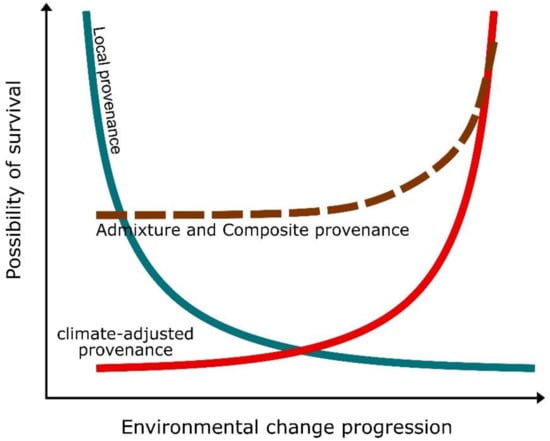
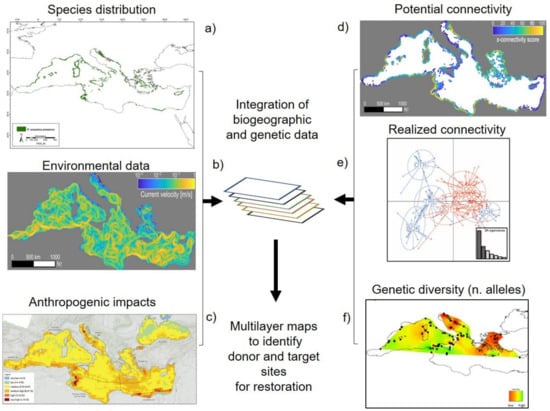
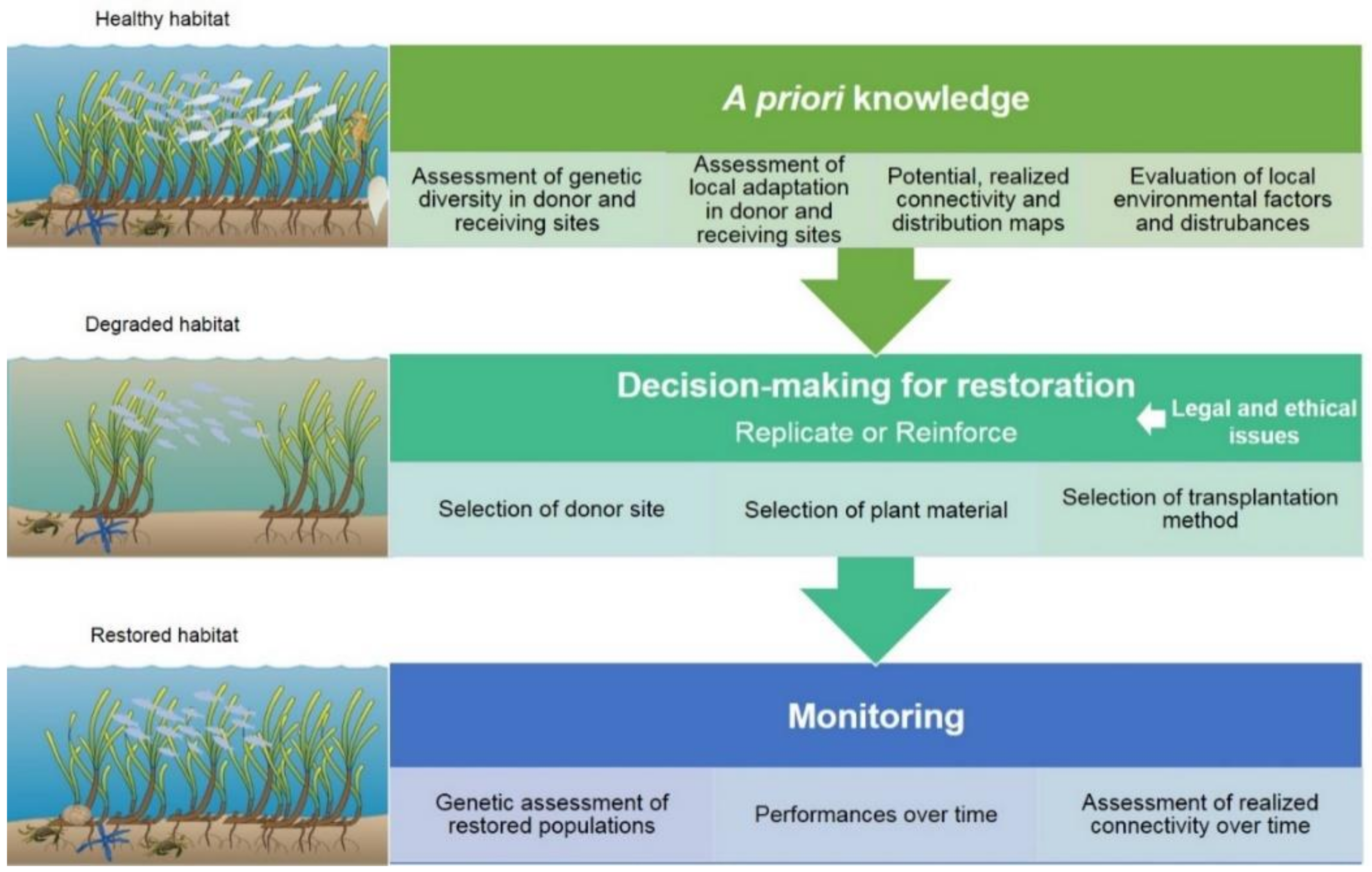
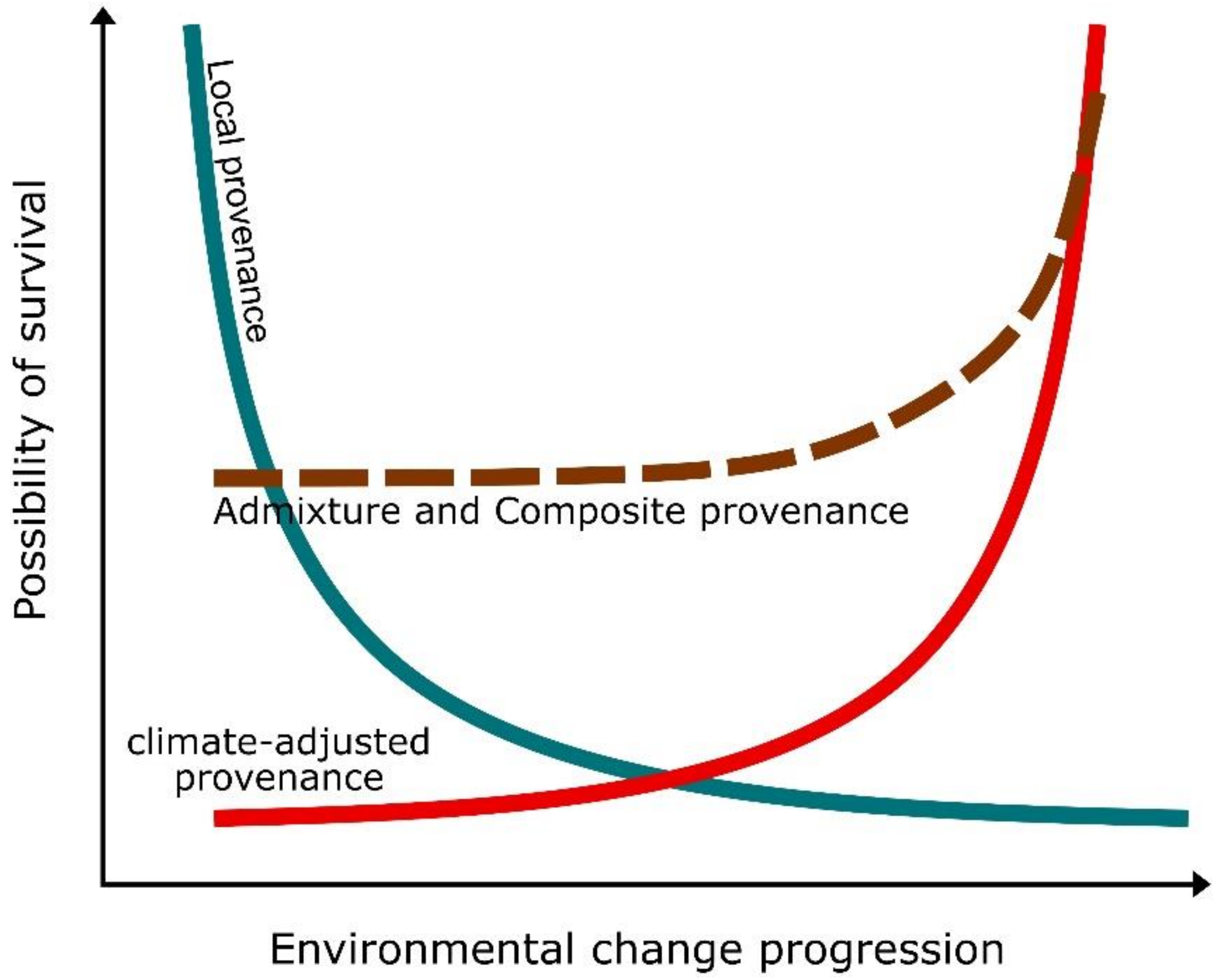
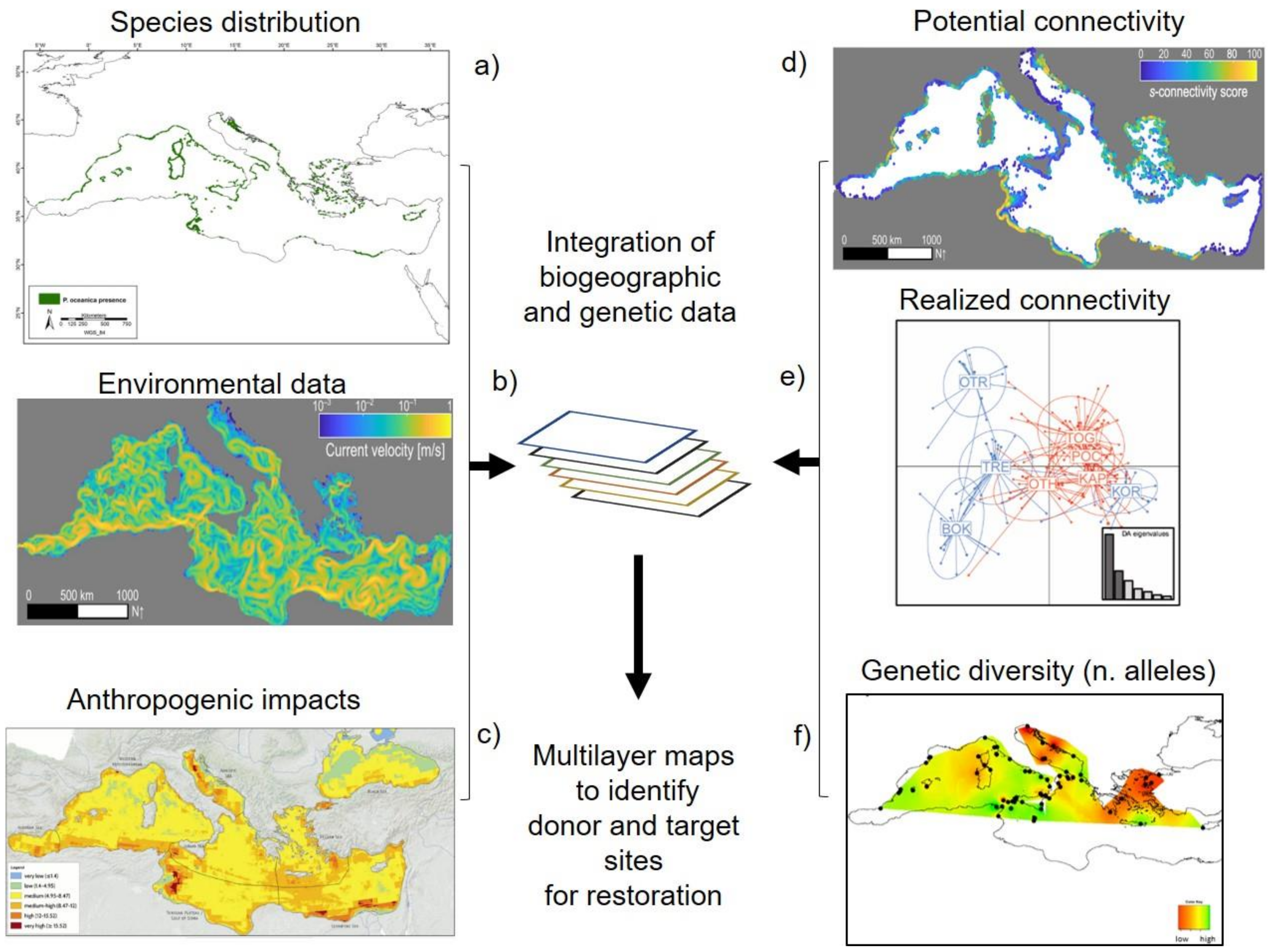
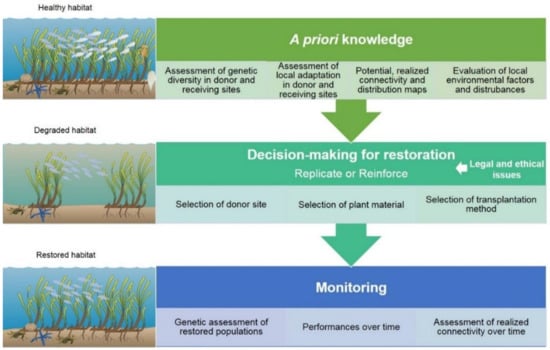
Seagrasses are marine flowering plants providing key ecological services and functions in coasts and estuaries across the globe. Increased environmental changes fueled by human activities are affecting their existence, compromising natural habitats and ecosystems’ biodiversity and functioning. In this context, restoration of disturbed seagrass environments has become a worldwide priority to reverse ecosystem degradation and to recover ecosystem functionality and associated services. Despite the proven importance of genetic research to perform successful restoration projects, this aspect has often been overlooked in seagrass restoration. Here, we aimed to provide a comprehensive perspective of genetic aspects related to seagrass restoration. To this end, we first reviewed the importance of studying the genetic diversity and population structure of target seagrass populations; then, we discussed the pros and cons of different approaches used to restore and/or reinforce degraded populations. In general, the collection of genetic information and the development of connectivity maps are critical steps for any seagrass restoration activity. Traditionally, the selection of donor population preferred the use of local gene pools, thought to be the best adapted to current conditions. However, in the face of rapid ocean changes, alternative approaches such as the use of climate-adjusted or admixture genotypes might provide more sustainable options to secure the survival of restored meadows. Also, we discussed different transplantation strategies applied in seagrasses and emphasized the importance of long-term seagrass monitoring in restoration. The newly developed information on epigenetics as well as the application of assisted evolution strategies were also explored. Finally, a view of legal and ethical issues related to national and international restoration management is included, highlighting improvements and potential new directions to integrate with the genetic assessment. We concluded that a good restoration effort should incorporate: (1) a good understanding of the genetic structure of both donors and populations being restored; (2) the analysis of local environmental conditions and disturbances that affect the site to be restored; (3) the analysis of local adaptation constraints influencing the performances of donor populations and native plants; (4) the integration of distribution/connectivity maps with genetic information and environmental factors relative to the target seagrass populations; (5) the planning of long-term monitoring programs to assess the performance of the restored populations. The inclusion of epigenetic knowledge and the development of assisted evolution programs are strongly hoped for the future.
Keywords: seagrasses; restoration; genetic diversity; donor sites; transplantation; provenance; monitoring