
The House of Hazrat Ishaan (Persian: حضرت ایشان; also transliterated as Hazrat Ishaan and Hasrat Eshan) is a saintly house of sunni faith descending from Prophet Muhamamd´s Family. As descendants of Bahauddin Naqshband they hold a special centralized status for all followers of the Naqshbandiyya Silsila.
The house is centered on the veneration of Sayyid Mir Jan and his brother Sayyid Mahmud Agha as patron saints.
The most well known descendant today in the 21st century is Sultan Masood Dakik.
- templateinfobox
- hazrat
- monarchy
1. Meaning of the name Hazrat Ishaan
According to Yasin Qasvari, a scholar of the Naqshbandi Sufi order, Hazrat Ishaan is an honorific title used by The Khan of Bokhara Abdullah Khan bin Iskander and Moghul Emperor Akbar to address Khwaja Khawand Mahmud (1563-1642), the contemporary supreme leader of the Naqshbandi Sufi Order. Qasvari and David William Damrel, Professor of Religious studies in South Carolina and Pluralism Project Affiliate at Harvard University furthermore mention that both monarchs were spiritual followers of Hazrat Ishaan, as it is believed that he saved Abdullah Khan II during an accident while hunting and prayed for Akbar to get a son.[1]
Hazrat is a common Iranian, and honorific Turkish title used to honour a person. It literally denotes and translates to "presence, appearance".
Scholars attending a programm about Hazrat Ishaan I at 92 News mention that "Ishaan" is derived from the persian term "Shaan" meaning exalted, holy or blessed by God.[2]
Thus Hazrat Ishaan is to be translated as "One with the exalted Presence". One reason why their followers called Khwaja Khawand Mahmud in this manner 400 years ago is in reliance to his ancestor Abdul Qadir Gillani´s teaching of the eternal pre-existence of Muhammad´s light as the ultimate mediator between God and creation in his book Sirr ul Asrar.[3] They thus claim that everywhere the Hazrat Ishaan is, Muhammad´s light is most "concentrated". Thus also the current surname Dakik (Persian: concentrated).[4]
-
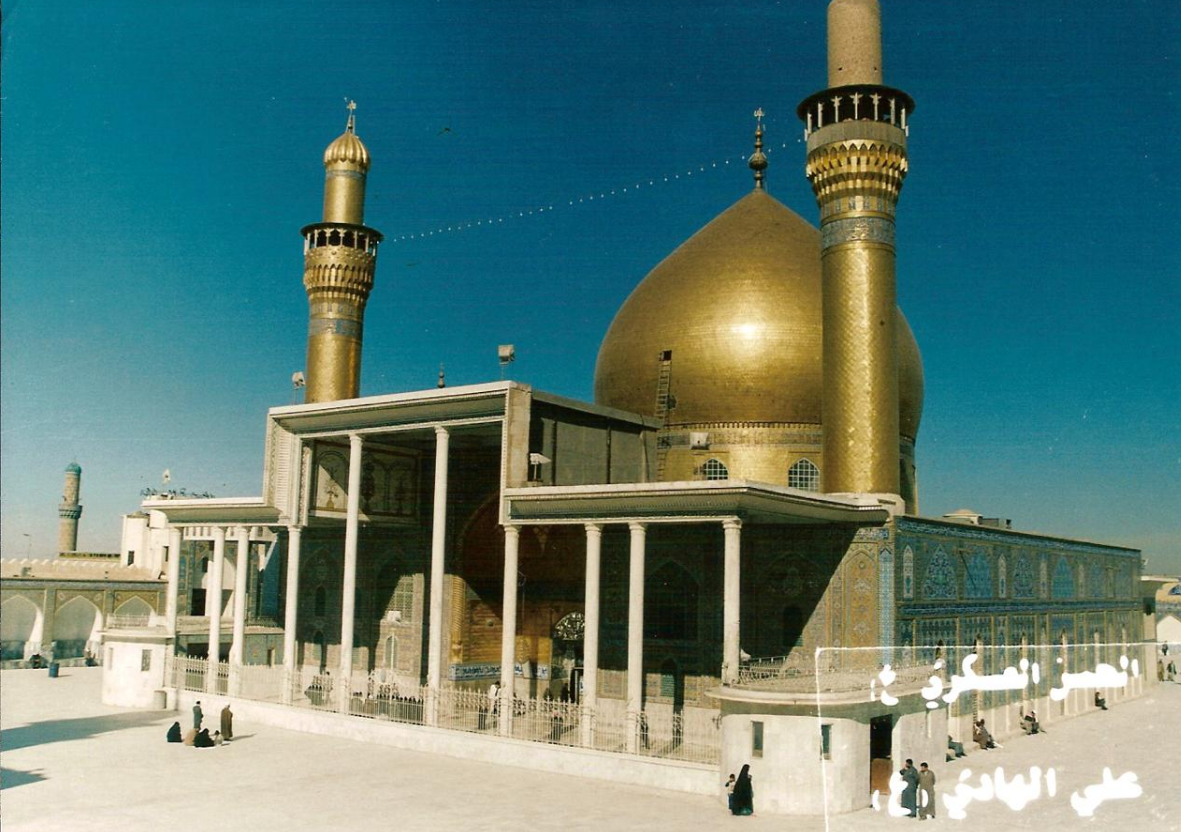
Shrine of the 11th Imam Hasan al Askari, ancestor of the Hazrat Ishaans, 23 generations to Sayyid Khawand Mahmud.
-
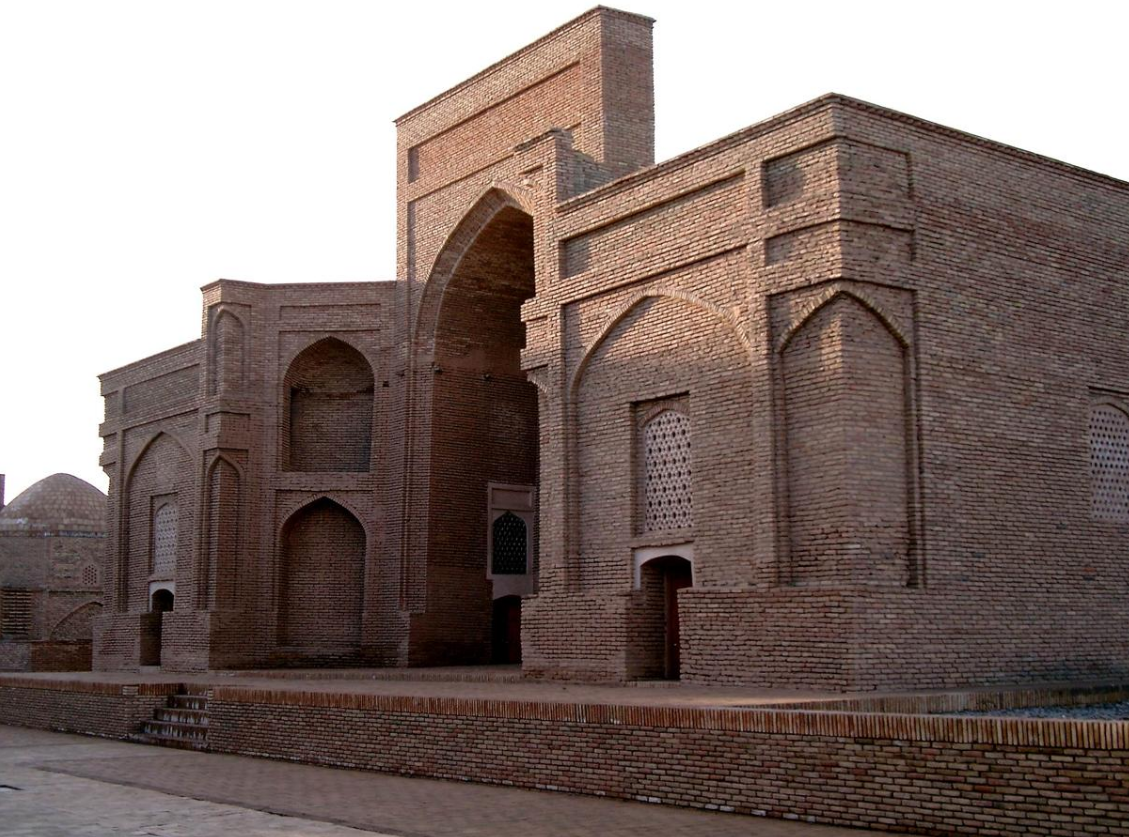
Shrine of Sayyid Ali Akbar ibn Hasan al Askari, grandpatriarch of the Hazrat Ishaans, 22 generations to The Hazrat Ishaan Muazzama.
-
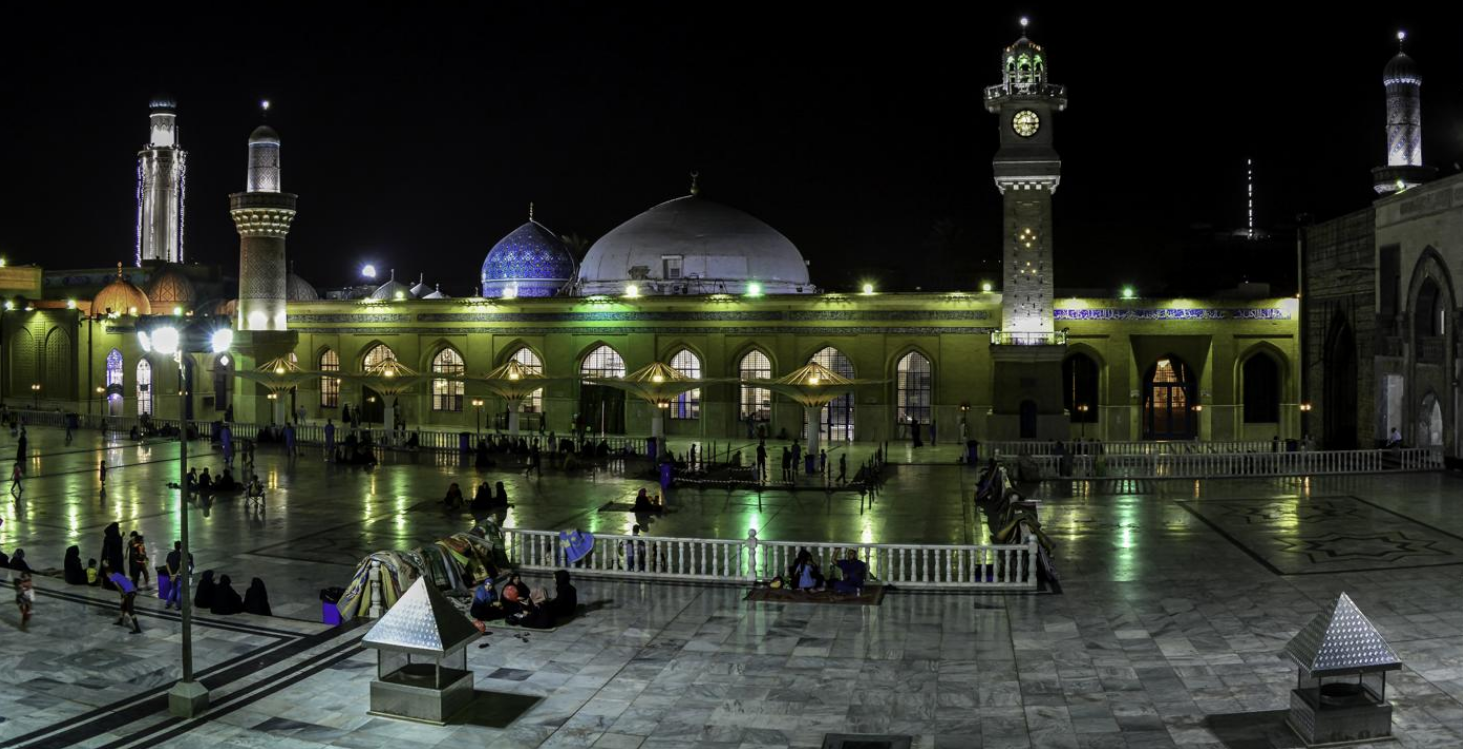
shrine of Sayyid Abdul Qadir Gillani, ancestor in the 13th generation to Sayyid Khawand Mahmud.
-
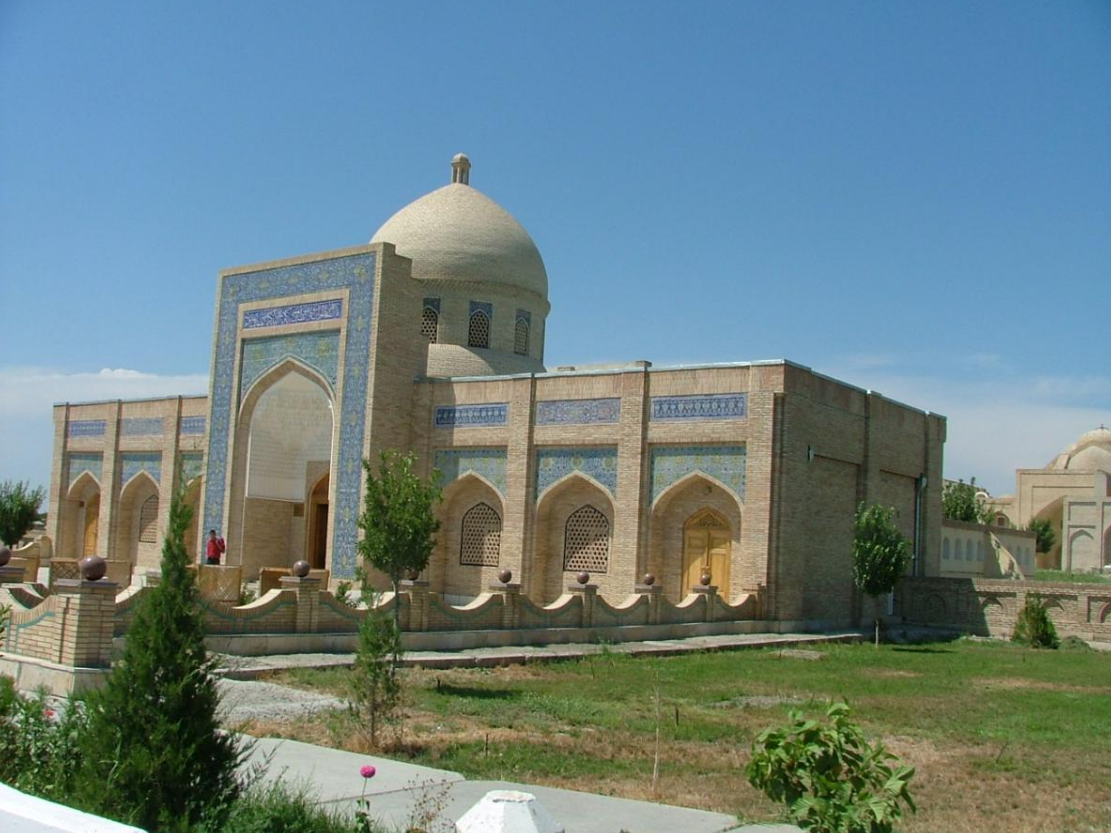
shrine of Sayyid Bahauddin Naqshband, grandpatriarch with 7 generations to The Hazrat Ishaan Muazzama.
-
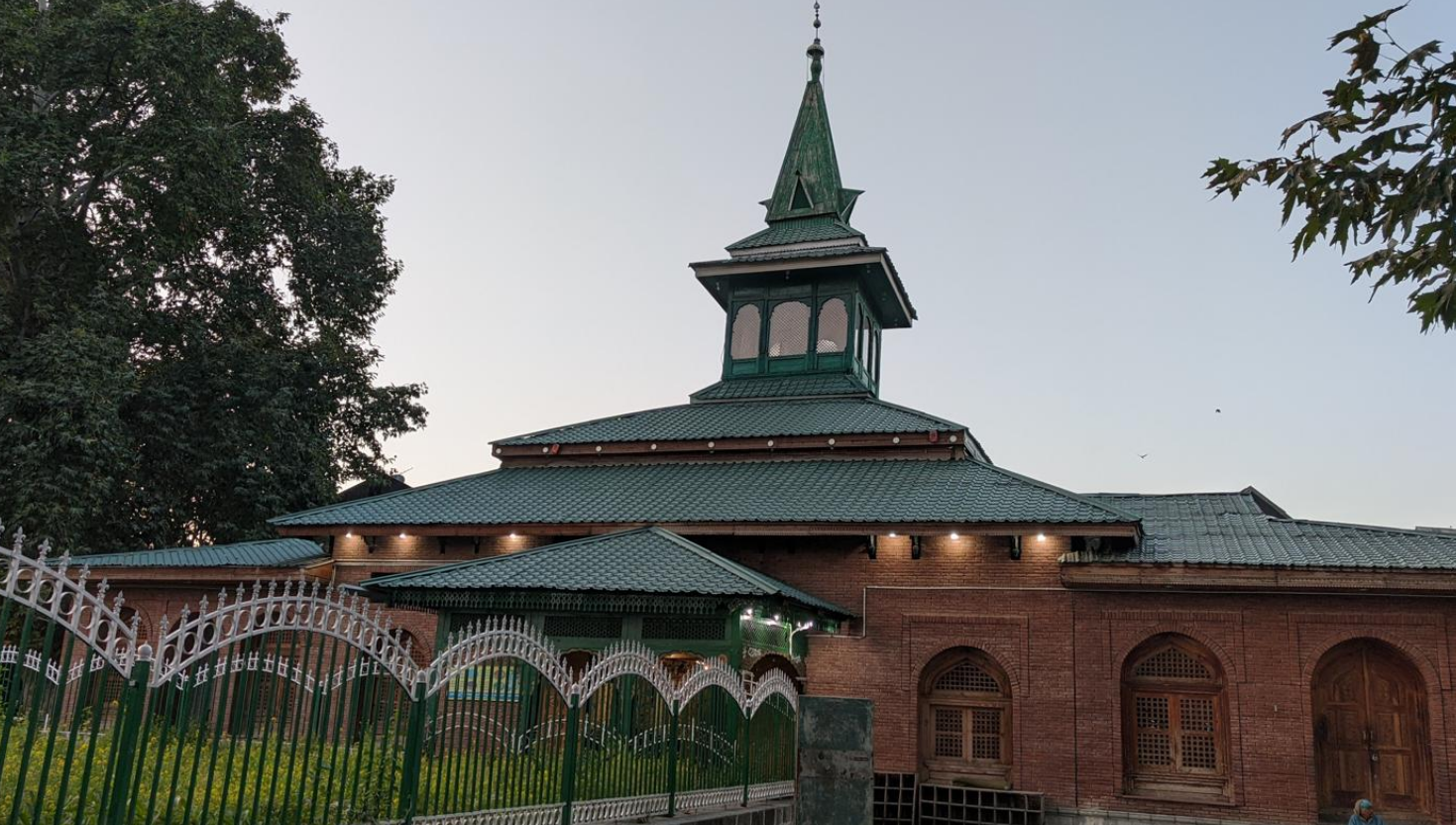
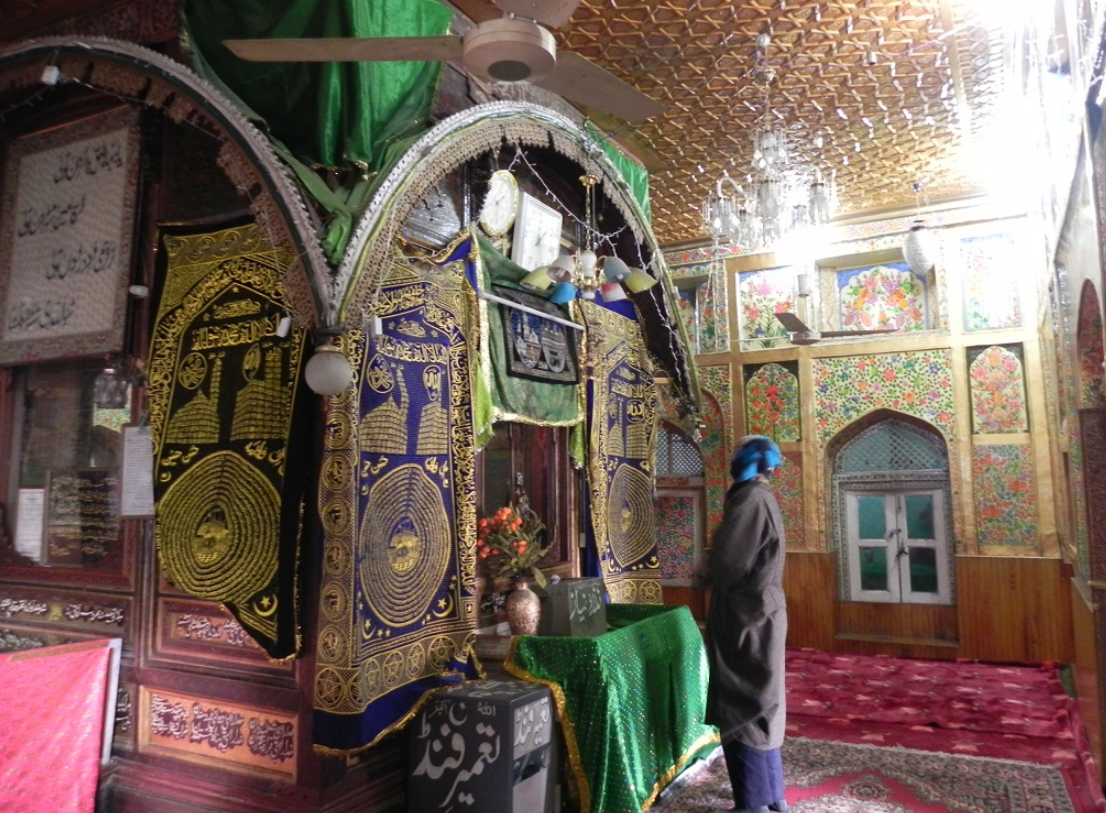
Ziyarat Hazrat Ishaan in Srinagar
-
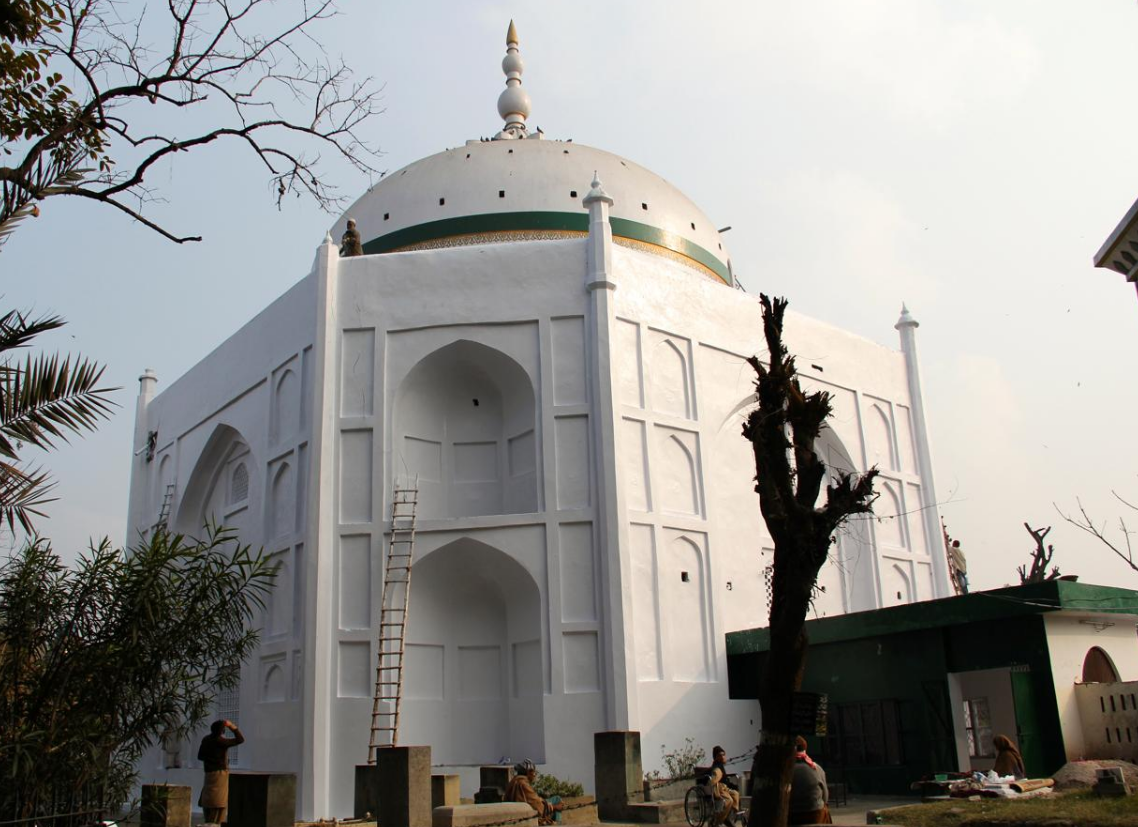
Ziyarat Hazrat Ishaan in Lahore.
2. History of Hazrat Ishaan
When the Saint Khwaja Khawand Mahmud Hazrat Ishaan migrated to Kashmir, he was welcomed as their spiritual patron saint, supported by the Moghul emperors. Until today his descendants are highly esteemed in the Ziyarat Naqshband Saheb. After a Shiite rebellion against Hazrat Ishaan, he was evacuated by Shah Jahan to migrate to Lahore. There Shah Jahan has constructed a palace for him, which is his present Mausoleum in Begumpura.[5]
3. Uwaisi Golden Chain and role of Sayyid Mir Jan
The Hazrat Ishaans and their followers the Naqshbandis substantiate their leadership as rightful successors of Prophet Muhammad on the occasion of a certain line of prediction from Muhammad over leading Saints, so called Ghaus or Aqtab reaching Sayyid Mir Jan as the promised Khwaja-e-Khwajagan-Jahan, meaning "Khwaja of all Khwajas of the world". Sayyid Mir Jan is in addition the awaited Ghawth of the Mujadiddiya Silsila being the ultimate Qayyum-e-Alam. The Qayyum is in the Mujaddidiya a concept that means that a certain perfect human being is the main reason why the world is sustained. In that regard adherents of the Naqshbandi Sislila consider him also an ultimate Mujaddid who invites mankind to focus on Allah himself as the main purpose of the faith instead of sole worldly ambitions.[13]
Through Abdul Qadir Gilani
- Muhammad predicted the coming of his descendant the Muhammad al-Baqir[14]
- Muhammad Baqir predicted the coming of his descendant Ali, the Ridha men Ahlul bayt[15]
- Ali al-Ridha predicted the coming of his descendant Muhammad al Mahdi, the Qaim[16]
- Muhammad al Mahdi and his father Hasan al Askari predicted the coming of the Abdul Qadir, the Mohyuddin, "reviver of faith"[17][18]
- Abdul Qadir Gilani predicted the coming of his descendant Bahauddin, the Naqshband[19][20][21][22]
- Bahauddin predicted the coming of his descendant Khawand Mahmud, the Hazrat Ishaan; Damrel highlights that the followers believe in the resurrection of Bahauddin (Persian:"Az Qabar Bar Amadah")[23] in year 1598, proclaiming the succession of his descendant Mahmud.[24][25]
- Hazrat Ishaan and his family predicted the coming of Sayyid Mir Jan, the Khwaja of all Khwajas; Qasvari in a same manner describes the belief of the resurrection of Mahmud in the end of the 19th century, proclaiming Sayyid Mir Jan as successor and promised "Khwaja of all Khwajas".[26][27][28]
Through Abdul Khaliq Ghujdawani
Moinuddin Hadi Naqshband mentioned the following Uwaisi Golden chain. The excempt is as follows:
- Khwaja-e-Khwajagan Abdulkhaliq Ghujdawani
- Khwaja-e-Khwajagan Shah Bahauddin Naqshband (Uwaisi)
- Khwaja-e-Khwajagan Hazrat Ishaan (Uwaisi)
- Khwaja-e-Khwajagan-e-Jahan Hazrat Sayyid Mir Jan (Uwaisi)
- Hazrat Shah Saheb Mir Sayyid Mahmud Agha
- Hazrat Sayyid Mir Fazlullah Agha
- Hazrat Sayyid Mir Muhammad Jan Agha
3.1. Surname Dakik/Sadaat
In pride of:
- the line of Golden Chains
- the central role of Sayyid Mir Jan within prophet muhammad´s family and progeny
- their closest genetical lineage to Prophet Muhammad in the 32nd Generation
- The Alledged possession of Tabarukat
- The mystical belief of Prophet Muhammad´s light being most concentrated on Sayyid Mir Jan as the Qayyum ul Alam for whom the world is sustained
The Hazrat Ishaans today have chosen the surname Dakik (Persian: "concentrated" derived from "Mazhar ul Daqaiq" related to Bahauddin Naqshband) and Sadaat (abbreviation of "Sayyid ul Sadaat"), claiming that their bloodline is the purest to their ancestor Muhammad and that they rightfully represent the Noor (Persian: "Light") of Prophet Muhammad, spiritually and socially.[29]
4. Bloodline between Bahauddin Naqshband and Sayyid Mir Jan
This special line of Emirate (Leadership) of the Naqshbandiyya Silsila is believed to be guarded and centered on Sayyid Mir Jan as the Khwaja-e-Khwajagan.
- Mir Sayyid Muhammad al Baha ul Din
- Mir Sayyid Hasan al Imamuddin
- Mir Sayyid Hussein al Inamuddin (brother)
- Mir Sayyid Tajuddin
- Mir Sayyid Muhammad
- Mir Sayyid Ziauddin
- Mir Sayyid Sharifuddin
- Mir Sayyid Muhammad al Shamsuddin
- Mir Sayyid Khwaja Khawand Mahmud (brother)
- Mir Sayyid Moinuddin Hadi Naqshband
- Mir Sayyid Khwaja Khawand Ahmad (brother)
- Mir Sayyid Bahauddin (brother)
- Mir Sayyid Nizamuddin (son of Imam Moinuddin)
- Mir Sayyid Nooruddin
- Mir Sayyid Kamaluddin
- Sayyid Mir Jan (great grandson)
- Sayyid Mahmud (brother)
- Mir Sayyid Fadhlullah (brother)
- Sayyid Mir Muhammad Jan
4.1. Current Role of the family - Sultan Masood Dakik
The most well known descendant of Hazrat Ishaan and Sayyid Mir Jan in the 21th century is Sultan Masood Dakik. As a Khalifa of his mother Sayyida Rahima daughter of Sayyid Mir Muhammad Jan his legacy is predominantly centered around him. Sultan Masood Dakik was also prophecied by Sayyid Mir Jan 100 years prior to Sultan Masood Dakik´s brith to be a descendant of special favour because he will renovate the shrine of Hazrat Ishaan in Begumpura after the shrine has been forgotten. This came to happen in 2013.
Sultan Masood Dakik is also known for his philanthropic activities on which occasion he has been granted the federal cross of merit of Germany. He advises governments worldwide on the occasion of special political topics. Furthermore he is advising states in their development through international aid initiatives in favour of people in need including orphans, widows and handicaped people.[32][33][34]
4.2. Aristocratic Background
The descendants of Hazrat Ishaan belong to Nawabi, Afghan and Pashtun Aristocracy.[6]
The address His Highness is thus used out of courtesy for members of Sultan Masood Dakiks family in light of intermarriages of Hazrat Ishaans decendants with members of middle-eastern dynasties. The title "Shahzada", "Amir", "Mir" and "Sardar" are all translated as Prince and are until today used to address the Hazrat Ishaans in regards to their relations to the Mughal and Barakzai royal family and to pay tribute to their responsibility of representing the Naqshbandi Silsila. It is until today used as a strengthened custom that survived the abolishment of the Afghan monarchy on the occasion of the Soviet Invasion in Afghanistan.[38][39]
In regards to his popularity in the Moghul court, Khwaja Khawand Mahmud Hazrat Ishaan´s son Sayyid Moinuddin Hadi Naqshband married the daughter of Emperor Jahangir, bestowing royalty on him. Sayyid Moinuddin´s grandson in turn also married the daughter of Aurangzeb. Hazrat Ishaan Sayyid Mir Muhammad Jan then married an Afghan princess, descending from Shah Ashraf Hotak, whose daughter Sayyida Rahima married the Afghan Barakzai Prince Abdul Khalek Khan, who was a pioneer of Natural Science of the Pashtun people, becoming the permanent Ambassador of the Kingdom of Afghanistan to the United Nation, cousin and right hand person of Prince Muhammad Daoud Khan, both descending from the Afghan King Sultan Muhammad Khan. The Pashtun Musahiban royal family was known for their loyality to Sayyid Mir Jan. Members of the former Afghan royal family are buried in the Mausoleum of Hazrat Ishaan in Begumpura.[7]
Some Descendants of Hazrat Ishaan were traditional viceroys of Lahore. H.I.H. Abd al-Samad Khan, viceroy of Lahore, received by his relative Jahandar Shah.
H.I.M. Shah Ashraf Hotak, Emperor of Persia Follower and ancestor of the Hazrat Ishaans. Hazrat Ishaan Sayyid Mir Muhammad Jan married a Pashtun tribal princess descending from Shah Ashraf Hotaki.
H.I.M. Sultan Abdulhamit II, Sultan of the Ottoman Empire followed his Murshid Hazrat Ishaan Sayyid Mir Fazlullah Agha and invited him to become Grand Mufti of Constantinople.
-
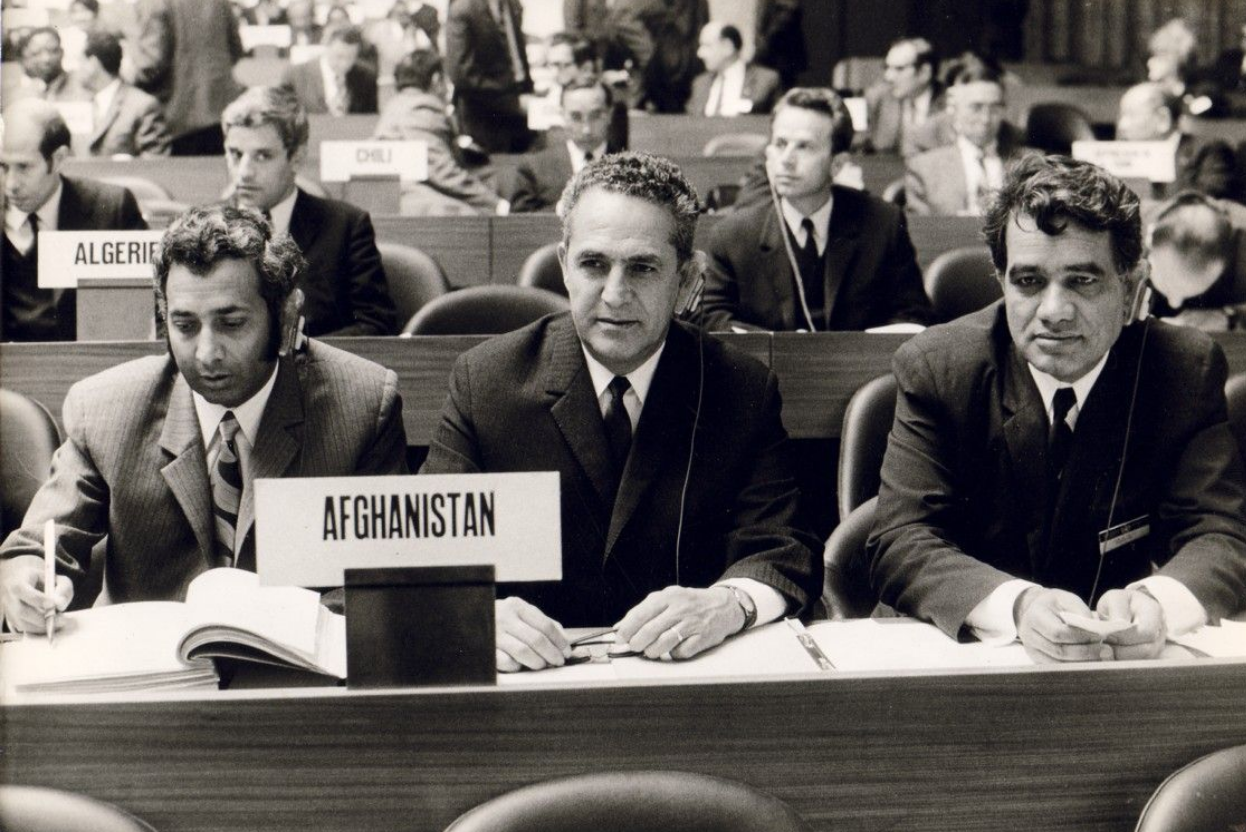
HRH Prince Dr. Abdul Khaliq Khan, Prince of Afghanistan, father of Sultan Masood Dakik in the UN General assembly as Royal Afghan Ambassador to the UN in New York City.
5. Gallery
-
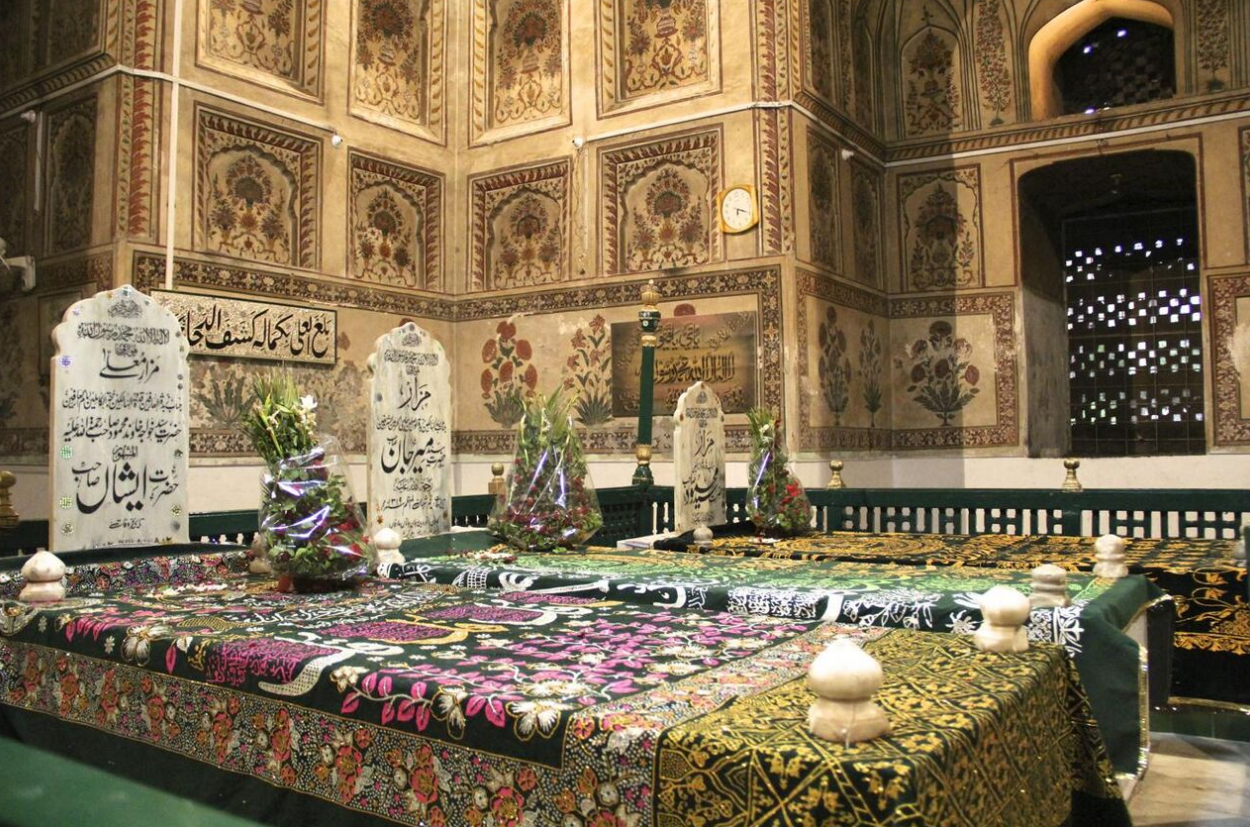
Graves of Hazrat Ishaan Khwaja Khawand Mahmud, Hazrat Sayyid Mir Jan and Hazrat Mir Sayyid Mahmud Agha. https://handwiki.org/wiki/index.php?curid=1942277
-
Grave of Khwaja Sayyid Moinuddin Hadi Naqshband, son of Hazrat Ishaan and Mir of his family. https://handwiki.org/wiki/index.php?curid=1180180
The content is sourced from: https://handwiki.org/wiki/Biography:Hazrat_Ishaan_(title)
References
- David Damrel, Forgotten Grace: Khwaja Khawand Mahmud in Central Asia and Moghul India
- Subh E Noor, Programm 19th Jan 2019, 92NewsHD; recorded and published on YouTube https://www.youtube.com/watch?v=g1RvArLDLck
- Sayyid abdul Qadir Gillani in Sirr ul Asrar, Introuction paragraph 4 https://data.nur.nu/Kutub/English/Jilani_Sirr-al-Asrar-1---5.pdf
- Prince Sayyid Raphael Dakik in Farman ul Ishaaniyya, Farman No. 5
- Subh E Noor, Programm 19th Jan 2019, 92NewsHD; recorded and published on YouTube https://www.youtube.com/watch?v=g1RvArLDLck
- Damrel in Forgotten Grace, p. 275 ff.
- Tazkare Khwanadane Hazrat Eshan(genealogy of the family of Hazrat Eshan)(by author and investigator:Muhammad Yasin Qasvari Naqshbandi company:Edara Talimat Naqshbandiyya Lahore)
- Tazkare Khwanadane Hazrat Eshan(genealogy of the family of Hazrat Eshan)(by author and investigator:Muhammad Yasin Qasvari Naqshbandi company:Edara Talimat Naqshbandiyya Lahore)
- Tazkare Khwanadane Hazrat Eshan(genealogy of the family of Hazrat Eshan)(by author and investigator:Muhammad Yasin Qasvari Naqshbandi company:Edara Talimat Naqshbandiyya Lahore)
- Sharif, Imran (21 April 2011). "Allama Iqbal's 73rd death anniversary observed with reverence". Pakistan Today. Retrieved 6 August 2012.
- Sevea, Iqbal Singh (2012). The Political Philosophy of Muhammad Iqbal: Islam and Nationalism in Late Colonial India. Cambridge University Press. p. 16. ISBN:978-1-139-53639-4.
- Funeral Prayer Of Justice (retd) Javed Iqbal Offered, Dawn news, https://www.dailymotion.com/video/x38hv3z
- Tazkare Khwanadane Hazrat Eshan(Stammesverzeichnis der Hazrat Ishaan Kaste)(verfasst und geschriben von: Yasin Qasvari Naqshbandi Verlag: Talimat Naqshbandiyya in Lahore), p. 281
- https://www.al-islam.org/story-holy-kaaba-and-its-people-smr-shabbar/fifth-imam-muhammad-ibn-ali-al-baqir; Muhammad ordered Jabir bin Abdullah to say salams to Muhammad Baqir, the Imam of time
- https://www.youtube.com/watch?v=AzqX5xH-sSw ; "people they were always asking for the appeareance of al-Ridha (yad´ un al Ridha min Ale Muhammad)"(4:55)
- Günther/Lawson in Roads to Paradise: Eschatology and Concepts of the Hereafter in Islam, p. 623 f.
- https://www.sufiwiki.com/Abdul_Qadir_Jilani
- Skeikh Abu Muhammad in Kitab Makhzaanul Qadiriyya
- https://sunnirazvi.net/qadiri/masters/naqshband.htm
- http://www.sufi.co.za/wp-content/uploads/2015/11/TheMajestyofHazrathGhauseAzamAndTheGloryOfTheQadiriaSufiOrder-.pdf, p. 15
- Imam Abu‟l Hasan „Ali ash-Shattanawfi Nuruddin Alli Ibn Jaleel in Bahjat al Asrar
- Shaykh Muhammad ibn Yahya al-Tadifi al-Hanbali in Qalaid Jawahir
- David Damrel in Forgotten grace: Khwaja Khawand Mahmud Naqshbandi in Central Asia and Mughal India, p. 67, l.
- David Damrel in Forgotten grace: Khwaja Khawand Mahmud Naqshbandi in Central Asia and Mughal India, p. 67
- Moinuddin Hadi Naqshband in maqamat al Mahmudiyya, p. 197
- Khatme Ziarate Sharife hazrat eshan Bukhari(written and investigated by Mian Ahmad Bader Akhlaq(BSC)) printed the second time in 1988 Writer and inspector Mian Muhammad Hasan Akhlaq(M.Km) 1988 company: Koperatis Lahorin
- Tazkare Khwanadane Hazrat Eshan(genealogy of the family of Hazrat Eshan)(by author and investigator:Muhammad Yasin Qasvari Naqshbandi company:Edara Talimat Naqshbandiyya Lahore)
- Tariq Jamil Gillani in Zikr Jameel
- Prince Sayyid Raphael Dakik in Farman ul Ishaaniyya, Farman No. 5
- Damrel in Forgotten Grace, p. 273
- Jörg Niemeier in Parallelgesellschaften und die Zukunft (Parallel societies and the future), published in Bornheim, ISBN:978-3-7418-2840-9
- Damrel in Forgotten Grace, p. 273
- Jörg Niemeier in Parallelgesellschaften und die Zukunft (Parallel societies and the future), published in Bornheim, ISBN:978-3-7418-2840-9
- https://www.uni-hohenheim.de/pressemitteilung?&tx_ttnews[tt_news]=27426&cHash=5c16a692f64cb108a88cb6b3ef5429cb
- Tazkare Khwanadane Hazrat Eshan(genealogy of the family of Hazrat Eshan)(by author and investigator:Muhammad Yasin Qasvari Naqshbandi company:Edara Talimat Naqshbandiyya Lahore)
- Khatme Ziarate Sharife hazrat eshan Bukhari(written and investigated by Mian Ahmad Bader Akhlaq(BSC)) printed the second time in 1988 Writer and inspector Mian Muhammad Hasan Akhlaq(M.Km) 1988 company: Koperatis Lahorin
- Prince Sayyid Raphael Dakik in Dastoor Jalwah, Book Baath Sayadat, chapter The Qadiriyya Sufi Order
- Subh E Noor, Programm 19th Jan 2019, 92NewsHD; recorded and published on YouTube
- Tazkare Khwanadane Hazrat Eshan(genealogy of the family of Hazrat Eshan)(by author and investigator:Muhammad Yasin Qasvari Naqshbandi company:Edara Talimat Naqshbandiyya Lahore)