
Mesoporous carbon is a promising material having multiple applications. It can act as a catalytic support and can be used in energy storage devices. Moreover, mesoporous carbon controls body’s oral drug delivery system and adsorb poisonous metal from water and various other molecules from an aqueous solution. The accuracy and improved activity of the carbon materials depend on some parameters. The recent breakthrough in the synthesis of mesoporous carbon, with high surface area, large pore-volume, and good thermostability, improves its activity manifold in performing functions. Considering the promising application of mesoporous carbon, it should be broadly illustrated in the literature.
- mesoporous carbon
- surface modification
- catalytic support
- adsorbent
- drug delivery
- capacitor
1. Introduction
According to IUPAC, the term “mesoporous carbon” refers to solid-based material, which might have either disordered or ordered networks with narrow or broad pores distribution in the range from 2 to 50 nm [1]. Historically, Ryoo et al. [2] reported the first structural composition of highly ordered mesoporous carbon material using mesoporous silica template, and later, much consideration was given to its synthetic methods and applications [3][4][5]. Therefore, rapid development was started for the synthesis of mesoporous carbon with the use of carbon precursors and self-assembly of copolymer molecular arrays [6][7][8][9]. Recently, modification, as well as the introduction of physicochemical properties on carbon, has been applied by incorporating inorganic constituents either anchored onto the mesoporous walls or decorated within the channels. Thus, the emergence of so-called modified mesoporous carbon has mostly driven the advancement of carbon-based electrodes or catalysts for its putative applications [10][11][12][13]. On the other hand, the substantial development of clean energy technology has motivated carbon-based researchers to exploit this porous material in the formation of energy storage devices [14][15][16][17][18].
According to IUPAC, the term “mesoporous carbon” refers to solid-based material, which might have either disordered or ordered networks with narrow or broad pores distribution in the range from 2 to 50 nm [1]. Historically, Ryoo et al. [2] reported the first structural composition of highly ordered mesoporous carbon material using mesoporous silica template, and later, much consideration was given to its synthetic methods and applications [3,4,5]. Therefore, rapid development was started for the synthesis of mesoporous carbon with the use of carbon precursors and self-assembly of copolymer molecular arrays [6,7,8,9]. Recently, modification, as well as the introduction of physicochemical properties on carbon, has been applied by incorporating inorganic constituents either anchored onto the mesoporous walls or decorated within the channels. Thus, the emergence of so-called modified mesoporous carbon has mostly driven the advancement of carbon-based electrodes or catalysts for its putative applications [10,11,12,13]. On the other hand, the substantial development of clean energy technology has motivated carbon-based researchers to exploit this porous material in the formation of energy storage devices [14,15,16,17,18].
Porous carbon materials, including carbon molecular sieves and activated carbon, have been synthesized on a large scale from fruit shells, wood, coal, or polymers by simple pyrolysis and physical or chemical treatment at elevated temperatures [19][20][21][22][23]. Moreover, these carbons have relatively broad pore-size distributions in both mesopore and micropore ranges and have been synthesized from defects resulting from heteroatoms elimination during carbonization. However, the carbon materials produced in these methods provide poor conductivity, structural integrity, and mass transport, owing to the presence of heteroatoms, lack of structural control, and restricted flow pathways. These limitations have been resolved by the introduction of mesopores for potential applications [24][25]. Mesoporous carbons with good physical properties are being synthesized on a large scale by carbonization from organic sources, such as sucrose, under acid treatment using silica templates. In this protocol, a transient silica-carbon complex is formed, and finally, following the alkali treatment, the silica is removed, leaving mesoporous carbon with analogous properties of silica materials (Figure 5) [24][25]. The mesoporous carbon synthesis, in this way, possesses good structural features and meets high physiological demands in modern scientific research [17][21][22][23].
Porous carbon materials, including carbon molecular sieves and activated carbon, have been synthesized on a large scale from fruit shells, wood, coal, or polymers by simple pyrolysis and physical or chemical treatment at elevated temperatures [19,20,21,22,23]. Moreover, these carbons have relatively broad pore-size distributions in both mesopore and micropore ranges and have been synthesized from defects resulting from heteroatoms elimination during carbonization. However, the carbon materials produced in these methods provide poor conductivity, structural integrity, and mass transport, owing to the presence of heteroatoms, lack of structural control, and restricted flow pathways. These limitations have been resolved by the introduction of mesopores for potential applications [24,25]. Mesoporous carbons with good physical properties are being synthesized on a large scale by carbonization from organic sources, such as sucrose, under acid treatment using silica templates. In this protocol, a transient silica-carbon complex is formed, and finally, following the alkali treatment, the silica is removed, leaving mesoporous carbon with analogous properties of silica materials (Figure 5) [24,25]. The mesoporous carbon synthesis, in this way, possesses good structural features and meets high physiological demands in modern scientific research [17,21,22,23].
Carbon materials with well-ordered mesoporous structures are ubiquitous and indispensable in modern scientific research, which attracted huge attention for their promising applications in various fields, including adsorption and separation of large biomolecules, electrical double-layer capacitors, catalytic support, wastewater treatment, and air purification (
Figure 1) [26][27][28][29][30][31][32]. The emergence of inorganic porous materials, such as silica, zeolite, zeotype materials, carbon, metal oxides, and composites, has paved the way for the progression of drug delivery systems and other applications due to their high adsorption efficiency and ideal biocompatibility [33][34][35][36][37][38][39]. Compared with conventional porous materials, an inorganic carrier with small particle sizes, well-control shape, high stability, surface functionalization properties, low density, and wide availability offers substantial benefits in terms of application [40][41]. Recent advances in nanotechnology have provided a new dimension in carbon structure through continuous development of conventional methods as well as the introduction of new synthesis techniques [42]. Considering the well-controlled structure and promising application of mesoporous carbon in many scientific disciplines, it should be broadly compiled in the scientific literature from different points of view. To this line, the article aimed to provide a brief but elaborate overview of the applications of mesoporous carbon in many scientific research fields with special emphasis on catalytic reaction, adsorption, and drug delivery. Moreover, the outlook for further improvements and plausible challenges of mesoporous carbon has been demonstrated in detail. The authors, therefore, hope that this article would serve as a reference guidebook for future researchers regarding the potential application of mesoporous carbon in diverse research fields
) [26,27,28,29,30,31,32]. The emergence of inorganic porous materials, such as silica, zeolite, zeotype materials, carbon, metal oxides, and composites, has paved the way for the progression of drug delivery systems and other applications due to their high adsorption efficiency and ideal biocompatibility [33,34,35,36,37,38,39]. Compared with conventional porous materials, an inorganic carrier with small particle sizes, well-control shape, high stability, surface functionalization properties, low density, and wide availability offers substantial benefits in terms of application [40,41]. Recent advances in nanotechnology have provided a new dimension in carbon structure through continuous development of conventional methods as well as the introduction of new synthesis techniques [42]. Considering the well-controlled structure and promising application of mesoporous carbon in many scientific disciplines, it should be broadly compiled in the scientific literature from different points of view. To this line, the article aimed to provide a brief but elaborate overview of the applications of mesoporous carbon in many scientific research fields with special emphasis on catalytic reaction, adsorption, and drug delivery. Moreover, the outlook for further improvements and plausible challenges of mesoporous carbon has been demonstrated in detail. The authors, therefore, hope that this article would serve as a reference guidebook for future researchers regarding the potential application of mesoporous carbon in diverse research fields
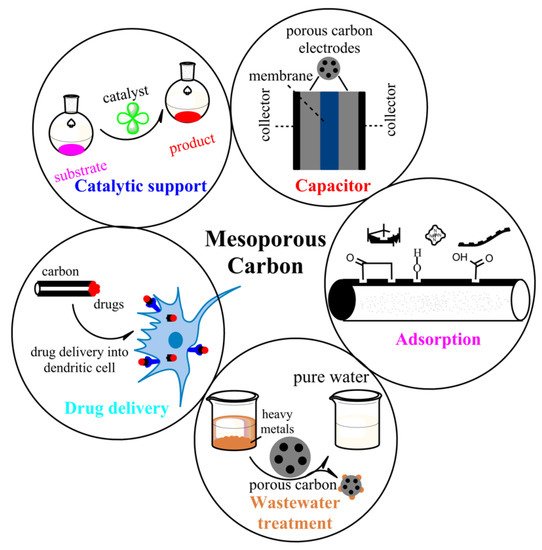
Figure 1.
Potential applications of mesoporous carbon in modern scientific research.
2. Versatility of Mesoporous Carbon
Porous carbon nanomaterials are of great interest in current research due to their physicochemical properties and high surface area. However, traditional methods produce indiscriminate porous carbon materials with little to no control over their mesostructures and pore-size distributions, etc. The latest advances in the synthesis of other porous nanomaterials have led to developing alternative syntheses of mesoporous carbon with exceptionally ordered mesostructures and high surface areas, which play a pivotal role in separating media, cutting-edge electronic materials, and catalytic support (
,
Table 1) [20][43]. Here, we outlined versatile applications of mesoporous carbon with the current scenarios in the respective fields.
) [20,43]. Here, we outlined versatile applications of mesoporous carbon with the current scenarios in the respective fields.
Table 1.
| Disciplines | Form of Mesoporous Carbon | Preparation Method | Application | Ref. |
|---|---|---|---|---|
| Catalytic supports | Au/C | Deposition–precipitation, cationic adsorption | Glucose oxidation | [44] |
| Au/C | Incipient wetness impregnation |
Glucose oxidation | [45] | |
| Au–Pd/C | Impregnation | Glyoxal and glucose oxidation | [46] | |
| Au/C | Immobilization | Glucose and Alcohol oxidation | [47] | |
| OMCs/tungsten carbide composites | Soft template | Methanol electrooxidation | [48] | |
| Pt-Ru/C | Co-precipitation | Methanol electrooxidation | [49] | |
| Pt/C and PtCO3O4/C | Microwave and Impregnation | Methanol oxidation | [50] | |
| Au/MnOx/C | Electrodeposition | CO oxidation | [51] | |
| Au/TiO2/C | Sonochemical and Microwave | CO oxidation | [52] | |
| Porous carbon supported gold catalysts | Antigalvanic reduction | Oxygen reduction reaction | [53] | |
| Mesoporous carbon supported gold | Hydrothermal synthesis | Reduction of nitroarenes | [54] | |
| Ordered mesoporous carbon supported gold | Wet chemical | Oxygen reduction | [55] | |
| Au/FeOx | Deposition | CO oxidation | [56] | |
| Adsorbents | CMK-3–100 (3 nm) and CMK-3-150 (6.5 nm) | Template synthesis | Lysozyme adsorption | [57] |
| CMK-1 and CMK-3 | Template synthesis | Vitamin E adsorption | [58] | |
| Activated carbon with mesopores | Commercial | Sugars adsorption | [59] | |
| Activated carbon with mesopores | Commercial | Sugars adsorption | [60] | |
| Mesoporous carbon | Template synthesis | Antibiotics adsorption | [61] | |
| Glucose-based mesoporous carbon | Template synthesis | Antibiotics adsorption | [62] | |
| Activated carbon with mesopores | Commercial | Sugars adsorption | [63] | |
| Wastewater treatment | Magnetic mesoporous carbon | Wet impregnation | Removal of methyl orange and methyl blue | [64] |
| Iron containing mesoporous carbon | Template synthesis | Removal of Arsenic (As) | [65] | |
| Magnetically graphitic mesoporous carbon | Template synthesis | Removal of Chinese medical waste | [66] | |
| Magnetically encapsulated mesoporous carbon | Template synthesis | Removal of methylene blue, Congo red | [67] | |
| Ordered mesoporous carbon | Template synthesis | Removal of malachite green | [68] | |
| Boron-doped mesoporous carbon nitride | Template synthesis | Removal of malachite green | [69] | |
| Mesoporous carbon nanofibers | Hydrothermal | Removal of methylene blue, methyl orange | [70] | |
| S-doped magnetic mesoporous carbon | Template synthesis | Removal of methyl orange | [71] | |
| Magnetic mesoporous carbon nanospheres | Template synthesis | Removal of hexavalent chromium | [72] | |
| Polyacrylic acid modified magnetic mesoporous carbon | Template synthesis, co-impregnation | Removal of Cd(II) | [73] | |
| Ordered mesoporous carbon electrodes | Template synthesis | Copper (II) | [74] | |
| Boron doped ordered mesoporous carbon | Template synthesis | Pb(II) | [75] | |
| Functionalized mesoporous carbon | Chemical modification | Pb(II) | [76] | |
| Phosphate modified ordered mesoporous carbon | Template synthesis | Pb(II) | [77] | |
| Ordered mesoporous carbon | Template synthesis | AV90 dye | [78] | |
| Modified mesoporous carbon | Template synthesis | Bisphenol-A | [79] | |
| Octyl modified ordered mesoporous carbon | Template synthesis | Phenol | [80] | |
| Functional mesoporous carbon | Hydrothermal carbonization | Bisphenol and diuron | [81] | |
| Mesoporous carbon microsphere | Template synthesis | Removal of hexavalent chromium | [82] | |
| Drug delivery | Mesoporous carbon | Template synthesis | Celecoxib | [83] |
| Mesoporous carbon nanoparticles | Template synthesis | Ruthenium dye | [84] | |
| ZnO gated mesoporous carbon nanoparticles | Template synthesis | Mitoxantrone | [85] | |
| CMK-1 type mesoporous carbon nanoparticle | Template synthesis | Fura-2 | [86] | |
| Folate functionalized mesoporous carbon | Template synthesis | Doxorubicin | [87] | |
| Hyaluronic acid modified mesoporous carbon nanoparticles | Template synthesis | Doxorubicin | [88] | |
| Mesoporous carbon nanospheres | Hydrothermal synthesis | Doxorubicin | [89] | |
| Capacitors | Mesoporous carbon | Carbonization | Electric double layer capacitors | [90] |
| Mesoporous carbon | Defluorination | Electric double layer capacitors | [91] |
2.1. Catalytic Supports
2/g), ordered pore architecture, good electrical conductivity and large pore volume, thermal stability, high recyclability, and biocompatibility [25][92][93]. These features offer high dispersion of metal nanoparticles, and therefore, increase the transport of ions, or electrons, and molecules, via the nanochannels/nanopores, and enhance product yields of a catalytic reaction with the shortest duration and minimum cost.
2
3
2
3
2
3
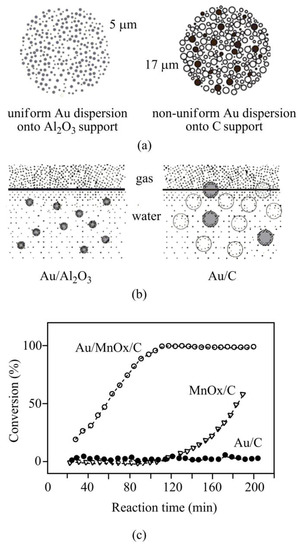
Figure 2.
2
3
a
b
a
b
c
3+
4
x
x
x
x,
2, etc.) for supported gold catalysts preparation [52][56][97].
−1
−1
−1
2
2
2.2. Adsorbent
Nowadays, the carbons with well-ordered mesopores provide crucial applications in diverse fields, and one such example is the adsorption and separation of biomolecules, including enzymes, sugars, vitamins, proteins, amino acids, and useful antibiotics [42][99][100][101][102]. The carbon materials have good physicochemical properties with tunable pore diameter, high pore volume, and high surface area; however, the hydrophobicity and inertness of mesoporous carbons might not be favorable for this application. Therefore, surface modification of the carbon materials is required for their development and to change the hydrophobic and hydrophilic properties of the carbon surface [103]. Functional groups, such as the carboxyl group, are generally introduced into carbon surfaces upon oxidation using various oxidizing agents, for example, ammonium persulfate solution (APS), concentrated nitric acid, ozone, and sulfuric acids, and thus, enhances the wettability of polar solvents and activates the carbon surface to covalently immobilize DNA, nanocrystals, proteins, metal-containing complexes, etc. The extent of biomolecules adsorption on the carbon surface predominantly depends on the strength and density of the functional agent of the solid surface. Contemporary studies have shown that porous carbon treatment with APS provides more carboxyl groups onto the carbon surface compared to the treatment with H
2
4
3 because treatments with these strong acids offer large quantities of oxygen interfaces that affect the overall structure as well as textural properties [57][104].
The Vinu group [57] comparatively analyzed the ability of lysozyme adsorption using various APS-treated functionalized carbons namely CMK-3–0 h, CMK-3–12 h, CMK-3–24 h, and CMK-3–48 h (depending on the APS concentrations and oxidation times). However, these materials did not show promising activity for the adsorption of large biomolecules, owing to their poor textural features, disordered porous structure, and small pore size. The carboxyl group functionalization onto APS-treated-mesoporous carbon provides higher adsorption ability because the adsorbent molecules easily access the interior portion of mesoporous carbon materials and the oxidation of small carbon rods that are usually organized either vertically or horizontally inside the functionalized mesoporous channels. It has also been noticed that the anchoring capacity of carboxyl groups placed at the entrance and inside the mesopores may hinder the release of protein biomolecules from porous channels of carboxy functionalized mesoporous carbon, which results in elevated protein adsorption [57][105].
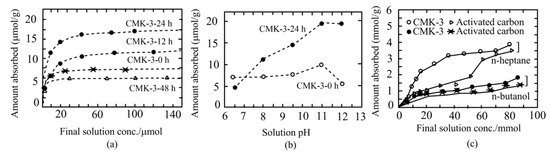
Figure 3.
a
b
a
b
c
2
n
Antibiotics have extensive use in biomedical applications for disease inhibition and treatment, in aquaculture and in farming for growth promotion [106]. Owing to their unhealthy management, antibiotics are posing a potential hazard to ecosystems and public health [107]. Currently, a number of antibiotics are repeatedly measured in surface water, municipal wastewater, drinking water, and groundwater [108][109]. Among the exclusion methods for antibiotics from wastewater, adsorption is regarded as one of the most encouraging techniques due to its extraordinary removal efficacy, ecofriendly properties, and ease of adsorbent synthesis [110]. Activated carbon is regarded as a promising candidate for this application.
2
2
Figure 4). Apart from these, several other reports on antibiotic adsorption have been illustrated in the literature [111][112][113][114][115].
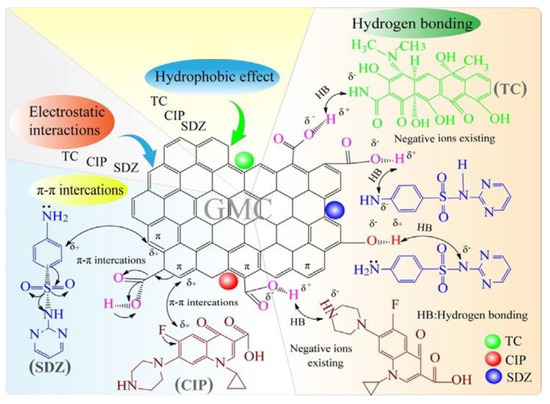
Figure 4.
2.3. Waste-Water Treatment
As per the Global Risk Report of 2015, the water catastrophe is positioned as the highest long-durable risk [116]. Approximately 783 million people have no access to safe and clean water, and 1 in 9 (11%) of the world’s population do not have access to drinking water [117]. Since population, as well as industry, are growing constantly, various pollutants, including endocrine disrupters, nitrosoamines, and heavy metals, are released into the water. These impurities have an adverse effect on environmental flora and fauna [118][119][120][121][122]. Currently, the conventional approaches of wastewater treatment, including sedimentation, coagulation, membrane process, decontamination, disinfection, ion exchange, and filtration, have been reported; however, these methods are intensive chemically and operationally [123][124][125][126][127][128][129][130][131][132][133]. Moreover, various water disinfectants have been applied for the chemical treatment of water, which may generate side products, for example, hydrochloric acid, chlorine, alum, ammonia, ozone, permanganate, and ferric salts, that are dangerous to freshwater resources [119]. Hence, there is an urgent need for efficient, large-scale, and low-cost systems for developing water quality. Many adsorbents have also been tested for metal removal, such as granular ferric hydroxide (GFH) [134][135], activated alumina [136][137], iron oxide-coated sand (IOCS) [138][139][140][141], and ferric (hydro)oxides [142][143]. Nowadays, ordered mesoporous carbons have drawn much attraction for this purpose due to their promising physical properties [144].
III
V
Carthamus tinctorius
3
4
3
4
−1
−1
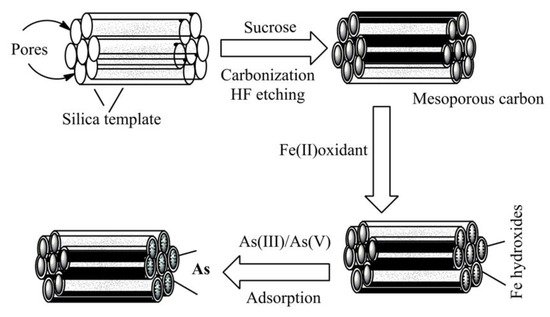
Figure 5.
2 chemical activation [64]. Mesostructural properties were induced through silica formation and the magnetic component was integrated by magnetite via wetness impregnation. This silica increases the porosity and gives a 3D network to stimulate the molecule adsorption. The adsorption ability of methyl orange and methyl blue dyes on the activated carbon, mesoporous activated carbon, and magnetic mesoporous carbon complex was studied. The effect of various parameters, for example, dosing of adsorbents, initial dye concentration, and pH of the dye solution, on the adsorption efficacy were analyzed. The MMAC adsorbed 98.5% methyl orange and 82% methyl blue dye in 30 min. The adsorbent material was recycled four times for methyl orange and methyl blue removal without a substantial loss in the adsorption ability. Comparative analyses showed that MMAC was more efficient in adsorbing wastewater than mesoporous activated carbon and activated carbon because of its high pore volume and high surface area. The magnetic properties of MMAC separate the adsorbent material after the adsorption process, showing that it is a promising material for water purification. Various other data on wastewater treatment using mesoporous carbon materials have also been reported in the recently published articles for the adsorption of malachite green dyes [68][69], methylene blue and methyl orange [70][71], hexavalent chromium [72][73][74][75][76][77][78][79][80][81][82], Cd(II) [73], copper [74], lead(II) [75][76][77], AV90 dye [78], pesticides [145], phenolic compound [79][80][81], diuron (herbicides), etc. [81].
2.4. Drug Delivery
Among various drug delivery routes, oral drug administration is still considered the preferred route because of patient compliance and simplicity [146][147][148]. The oral sustained-release formulation is the most common process and has drawn huge attraction in the disciplines of novel drug delivery. However, the oral delivery method is highly challenging because of its poor bioavailability as a result of biopharmaceutical (e.g., poor solubility and permeability and/or instability in the gastrointestinal environment) and pharmacokinetic (rapid clearance) challenges in the delivery process [149]. Until now, there is a surprisingly significant number of active drug constituents that show poor dissolution rates. For example, 30–40% of the leading 200 oral drug stuffs from the USA, Japan, Spain, and the UK are weakly dissolved in water [150]. Therefore, this is an emergency issue to explore novel drug formulation methods that might increase the water solubility of such drugs, predominantly the Biopharmaceutics Classification System (BCS) Class 2 compounds (poor solubility and high permeability) [151].
To this line, many delivery techniques, such as silica-lipid hybrid microcapsules [152], micelles [153], nanodispersions [154], silica nanoparticles [155][156][157], solid-lipid nanoparticles [158], self-microemulsification [159], and mesoporous carbon [43][160][161], have been established to upgrade drug bioavailability via improving the solubility and dissolution rate. There are several reports of drug delivery using mesoporous carbon with novel characteristics, e.g., higher drug loading, high adsorption efficiency, larger specific surface area and pore volume, and chemically inert [43][162]. In a recent study, mesoporous carbon with pore size (9.74 nm) and pore volume (1.53 cm
3
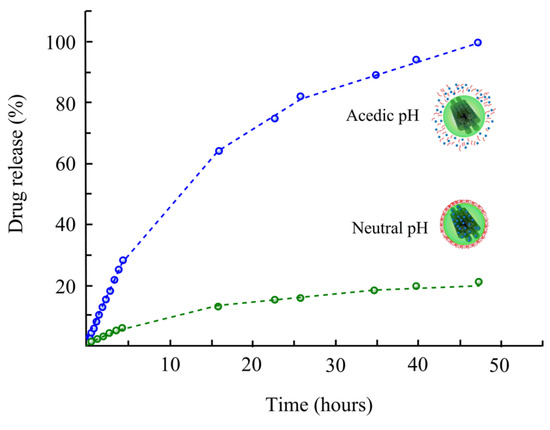
Figure 6.
2.5. Capacitors
Capacitors are energy storage devices which deliver high power density as well as incredible energy. Recently, these features have offered great advantages as electric vehicles, electronic components, and backup power systems due to their energy storage benefits. These devices are based on an energy storage mechanism resulting from the synthesis of an electric double layer at the interface between an electrolyte solution and an electronically conductive material [24][163][164][165]. A classic supercapacitor consists of two carbon electrodes interposed by a porous matrix (separator) (
Capacitors are energy storage devices which deliver high power density as well as incredible energy. Recently, these features have offered great advantages as electric vehicles, electronic components, and backup power systems due to their energy storage benefits. These devices are based on an energy storage mechanism resulting from the synthesis of an electric double layer at the interface between an electrolyte solution and an electronically conductive material [24,163,164,165]. A classic supercapacitor consists of two carbon electrodes interposed by a porous matrix (separator) (
Figure 1). The energy accumulated in carbon-based supercapacitors is a function of several parameters, such as pore structure and specific surface area of electrodes, voltage stability, and ionic conductivity of electrolyte. Moreover, the usual materials employed in traditional electrodes should have a high surface area, e.g., carbon aerogels [166][167], carbon fibers [168], and activated carbons [169][170][171]. The electrolytes commonly utilized in supercapacitors are an aqueous solution of H
). The energy accumulated in carbon-based supercapacitors is a function of several parameters, such as pore structure and specific surface area of electrodes, voltage stability, and ionic conductivity of electrolyte. Moreover, the usual materials employed in traditional electrodes should have a high surface area, e.g., carbon aerogels [166,167], carbon fibers [168], and activated carbons [169,170,171]. The electrolytes commonly utilized in supercapacitors are an aqueous solution of H
2
SO
4
or KOH [172] or non-aqueous solutions of tetraethyl-ammonium-tetrafluoroborate (ET
4
NBF
4) in organic solvents [169][173]. The addition of solid polymer electrolytes in supercapacitors, as a liquid electrolytes substitute, may offer several benefits, including flexible structure, compact geometry, and easier packaging. Additionally, since this device is free from outflows of dangerous and corrosive liquids, it offers safety profiles. If mesoporous carbon with a well-ordered pore structure and a high specific surface area are used, the well-engineered solid-state supercapacitors would provide higher energy as well as power density compared to liquid electrolyte-based supercapacitors. Moreover, this capacitor would provide an advantage in terms of ease of design and realization of lightweight and flexible devices.
) in organic solvents [169,173]. The addition of solid polymer electrolytes in supercapacitors, as a liquid electrolytes substitute, may offer several benefits, including flexible structure, compact geometry, and easier packaging. Additionally, since this device is free from outflows of dangerous and corrosive liquids, it offers safety profiles. If mesoporous carbon with a well-ordered pore structure and a high specific surface area are used, the well-engineered solid-state supercapacitors would provide higher energy as well as power density compared to liquid electrolyte-based supercapacitors. Moreover, this capacitor would provide an advantage in terms of ease of design and realization of lightweight and flexible devices.
Recently, nanostructured mesoporous carbon materials achieved much interest as negative electrodes of rechargeable lithium batteries [174][175] and supercapacitor electrodes [171]. Tamai et al. [90] revealed that the introduction of mesoporous carbon in the electrodes improved the specific capacitance of carbon-based supercapacitors. Yamada et al. [91] comparatively studied various carbons of similar specific surface areas with various pore size distributions and found that highly mesoporous materials exhibited better capacitance ability. Yoon et al. [176] demonstrated that higher fractionated mesopores carbons delivered high power densities and exhibited a smaller time constant compared to microporous carbons. However, these experiments were based on liquid electrolyte supercapacitors [107] and the microstructural features of such carbon may affect the generation of effective polymer electrolyte-based supercapacitors.
Recently, nanostructured mesoporous carbon materials achieved much interest as negative electrodes of rechargeable lithium batteries [174,175] and supercapacitor electrodes [171]. Tamai et al. [90] revealed that the introduction of mesoporous carbon in the electrodes improved the specific capacitance of carbon-based supercapacitors. Yamada et al. [91] comparatively studied various carbons of similar specific surface areas with various pore size distributions and found that highly mesoporous materials exhibited better capacitance ability. Yoon et al. [176] demonstrated that higher fractionated mesopores carbons delivered high power densities and exhibited a smaller time constant compared to microporous carbons. However, these experiments were based on liquid electrolyte supercapacitors [107] and the microstructural features of such carbon may affect the generation of effective polymer electrolyte-based supercapacitors.
Lufrano et al. [173] synthesized mesoporous carbons using SBA-15 silica templates and sucrose as a carbon source. These mesoporous carbon materials were used to develop composite electrodes by a casting method for solid-state supercapacitors. The electrochemical features of mesoporous carbons in supercapacitors were analyzed by electrochemical impedance spectroscopy and cyclic voltammetry. The CMK-3A mesoporous carbon showed a value of specific capacitance of 132 Fg
−1
(for a single electrode), which was 68% higher than that of reference carbon material. The double-layer capacitor performance of the mesoporous carbon was 127% (12.05 µF cm
−2
vs. 5.3 µF cm
−2
) when compared with the reference carbon. These findings were explained based on the high pseudocapacitance and other physicochemical properties of the mesoporous carbon, including accessibility of pores to the electrolyte, pore structure, and surface wettability by surface functional groups.