
Summary

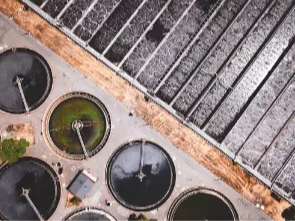
The principal objective of wastewater treatment is generally to allow human and industrial effluents to be disposed of without danger to human health or unacceptable damage to the natural environment. Typical processes that are investigated and applied to wastewater treatment can be the following: biological, adsorption, flocculation, oxidation, membranes, filtration, etc. This entry collection features information about many processes of wastewater treatment and many other related issues such as reuse, cost, fluid aspects, plants, etc.

Expand All
Entries
Topic Review
Treatments for Minimizing Sewage Sludge
Similar to other types of waste, sewage sludge (SS) must be minimized, not only to respect the European Directive 2018/851 on waste, but also because the cost of sludge management is approximately 50% of the total running costs of a wastewater treatment plant (WWTP). Usually, minimization technologies can involve sewage sludge production with three different strategies: (i) adopting a process in the water line that reduces the production of sludge; (ii) reducing the water content (dewatering processes) or (iii) reducing the fraction of volatile solids (stabilization).
  • 1.6K
  • 26 Oct 2020
Topic Review
Antibiotics in Poultry Production
The utilization of antibiotics in feed has been reevaluated since bacterial pathogens have established and shared a variety of antibiotic resistance mechanisms that can easily be spread within microbial communities. Multiple countries have introduced bans or severe restrictions on the non-therapeutic use of antibiotics. Since the use of antibiotics may have a positive influence on poultry performance, excessive use as growth promoters harms human health. This has therefore warranted the urgent need for alternatives.
  • 1.8K
  • 26 Oct 2020
Topic Review
Nanostructured Materials for Uranium Removal
Groundwater is commonly used as a drinking water resource all over the world. Therefore, groundwater contamination by toxic metals is an important issue of utmost concern for public health, and several technologies are applied for their effective removal, such as coagulation, ion exchange, adsorption, and membrane applications like reverse osmosis. Adsorption is acknowledged as a simple, effective and economic technology, which has received increased interest recently, despite certain limitations regarding operational applications. The respective scientific efforts have been specifically focused on the development and implementation of novel nano-structured adsorbent materials, which may offer extensive specific surface areas, much higher than the conventional adsorbents, and hence, are expected to present higher removal efficiencies of pollutants. In this paper, the recent developments of nanomaterial applications for uranium removal from groundwaters are critically reviewed. Particularly, the use of novel composite materials, based mainly on hybrid metallic oxide nanoparticles and on composites based on graphene oxide (GO) (i.e., graphene-based hybrids), showed promising evidences to achieve efficient removal of toxic metals from water sources, even in full scale applications.
  • 1.7K
  • 12 May 2020
  • Page
  • of
  • 16
>>