
Cultural heritage both tangible and intangible has come to play an essential role in developing strategies for contemporary cities [1]. The study aims to determine the link between cultural heritage with urban sustainability and how multi-disciplinary education can help organize urban issues. The article is relevant to the emerging multicultural urban society with wide socio-economic disparities straining the global urban resilience and posing a challenge for future policy implementation. The study has inquired into the most important areas for urban sustainability like community heritage, sustainable urban governance, and behavioral and multidisciplinary approaches. It is intended to iundertake a knowledge-based and multidisciplinary inquiry, to enrich the literature in cultural heritage study. Urban academics therefore have a duty to solve the issues confronting global urban sustainability and cultural disputes.
- urban sustainability
- cultural heritage
- multicultural
- community cohesion
- knowledge-based urban development
- multidisciplinary
Introduction
Cultural heritage, both tangible and intangible, has come to play an essential role in developing strategies for enhancing the image of contemporary cities [1]. The Dialogues on the Post-2015 Development Agenda have given a central place to culture and contribute to people and communities creating the future they would prefer [2]. With the adoption of the 2030 Agenda, the world community acknowledged – for the first time – the role of culture in long-term development. The 2030 Agenda implicitly refers to culture across many of its Goals and Targets [3]. Global urbanization is directly correlated with an increased understanding of typical urban challenges [4], foster creativity, wealth creation, social expansion, and the use of human and technology resources, culminating in unprecedented economic and social advancements [3, 5]. Overtime, they have evolved, giving each location a distinct identity and heritage. At the same time, cities struggle to restructure while retaining their distinct identity and historical connections [6-7]. The dialogues emphasize heritage as a vital tool for dealing with current urban realities [2]. They provide examples of past urban landscapes as the key to creating cities that are sustainable, livable, and inclusive [8]. The task of integrating heritage and ensuring its significance in the context of sustainable urbanization is to demonstrate that heritage contributes to social cohesion, well-being, creativity, and economic appeal, and is a factor in improving community understanding and would benefit future generations [8-9].
Cultural heritage plays a vital role in formulating action plans (Figure 1) for the modern city and increasing urbanization [10]. The publication of the New Urban Agenda is another notable document that has added more impetus to urban sustainability and culture [5, 8] and the inclusion of urban sustainability in policy frameworks such as the Sustainable Development Goals (SDGs). SDG No.11 explicitly calls for “making cities and human settlements inclusive, safe, resilient and sustainable” [5,11]. Scholars [12] have also focused on "Spaces of Possibility" (SoPs) and linked Institutional Innovations (II) as tools to investigate how cultural actors and urban policymakers might propose new approaches that emphasize the cultural component of sustainability through a selection of recent cases of urban cultural practices.
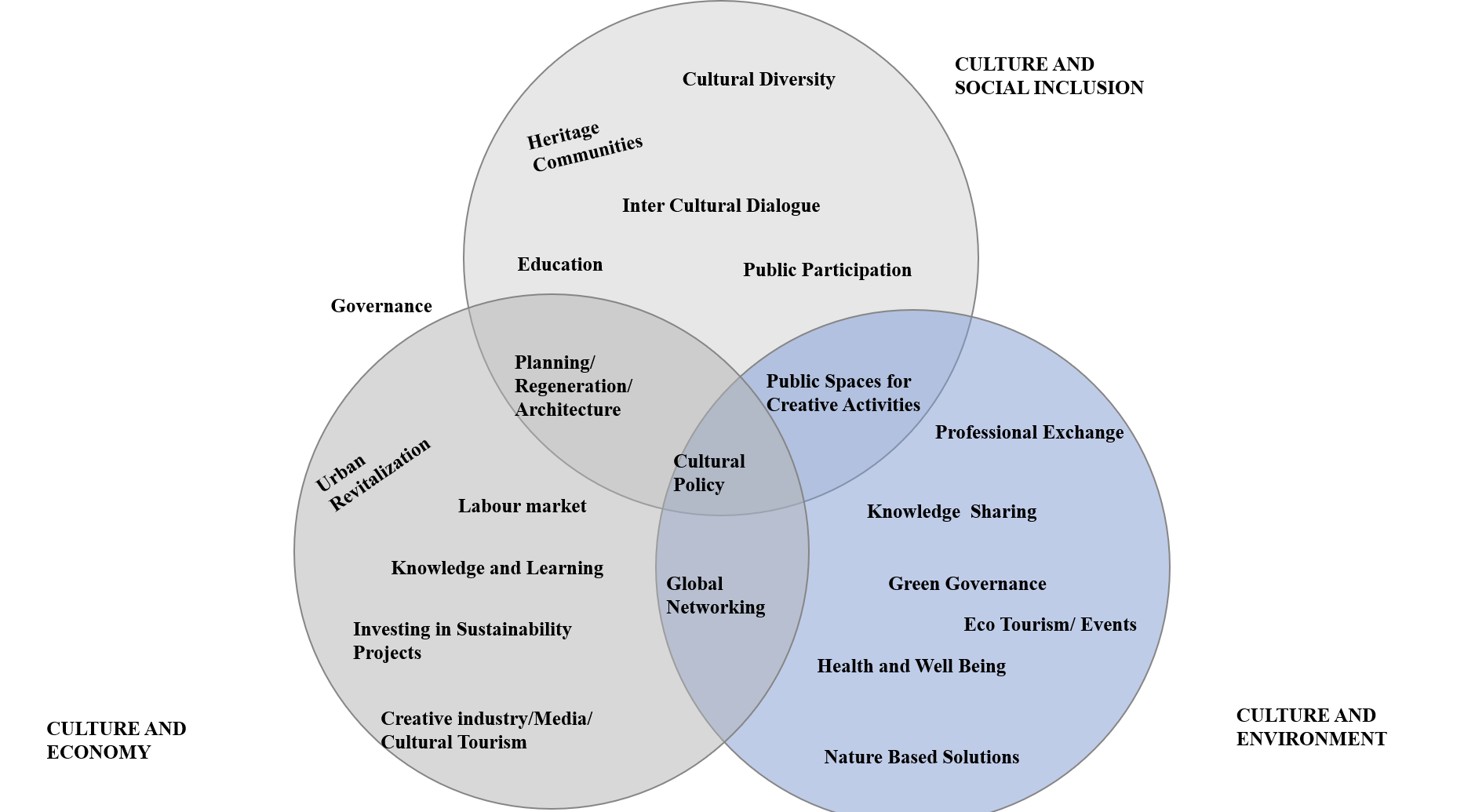 Fig:1 Culture and Sustainable Development Action Plan.
The inefficiency with which cultural heritage is managed should be blamed on government failures to address public policies for the sustainability of cultural heritage or cultural policy independently, that is often included in the coordinated governance of cultural heritage. Marked inequalities and injustices emerged [14] within urban societies during the COVID-19 crisis that impacted the labor market and education progress. The world has witnessed protests against injustices and government failure to address citizens’ basic rights. In this paper, an attempt has been made to investigate how culture is related to the development of sustainable communities and neighborhoods, as well as a multidisciplinary and knowledge-based inquiry into the cultural aspects of sustainable urban management. It is also vital to discuss the challenges that come with governing the urban system. It is strongly felt that undertaking this study will not only add to the literature on cultural heritage study but can also help develop more clarity of urban sustainability approaches, which are currently evolving in the academic domain.
- Culture in the global agenda for sustainable development of cities
Cultural legacy has gained international attention, principally owing to the efforts of the United Nations Educational, Scientific, and Cultural Organization (UNESCO) [1]. Inclusion of culture as a priority component of urban plans and strategies is also referred to in Transforming our World: The New Urban Agenda. A growing awareness related to cultural factors in city prosperity and its adoption by United Cities and Local Governments (UCLG), is intended to bridge the gap between urban cultural policy and sustainable development [15-16]. Culture and cities are so inextricably interwoven that sustainable cities provide access to culture in the 2030 Agenda for Sustainable Development [3].
Goal 11 of the Sustainable Development Goals has a specific aim for "intensifying efforts to maintain and safeguard the world's cultural and natural heritage" [3,5]. In addition to SDG 11, which focuses on urban spaces and functions, all 17 SDGs are important to cities.
Academics use heritage, innovation, and intercultural dialogue to inspire new planning and governance models to inspire create new jobs, address social inequities, minimize urban disputes, and lower cities' ecological imprints making cities more inclusive and resilient [3,5,16-17]. UNESCO is building on the various components of culture – tangible and intangible heritage, the creative economy, cultural tourism, museums, and other local cultural organizations – by focusing on the distinct components of culture. A broader holistic view places culture as a social, cultural, and economic resource for long term city development [3].
The significance of cultural heritage and the utilization of cultural assets in the promotion of long-term urban development is advocated by a number of scholars [6, 18-19]. Some scholars consider cultural heritage to be a tool for cultural legacy, creativity, and diversity that can effectively contribute to ethical, inclusive, integrative, and extended urban growth [6]. Cities have also been identified as laboratories [11,20-21] that are best equipped to appreciate cultural diversity to promote community resilience and well-being while also promoting environmental sustainability. The dynamics of tangible and intangible heritage are considered a driver and enabler of economic, social and environmental benefits and sustainability [22]. As a driver culture directly contributes to economic growth and societal benefits. As an enabler it improves the efficacy of growth initiatives [23].
Heritage sustainability thus can be achieved through innovative solutions and civic participation, since heritage is part of citizens' daily lives [13]. An effective measure in this regard is that, the international community has recognized culture as a fundamental component of effective urban planning and a vital breakthrough for the definition of a New Urban Agenda [8].
- Urban Sustainability
The growing emphasis on cities and their role in achieving sustainability is expected since cities currently host more than half of the world's population [5]. Academics have, therefore, attempted to establish indicators, evaluation techniques, assessment tools, and rating systems for integrating sustainability in urban planning and development [24]. The author [5] clearly states the multiple benefits attached to assessment, such as allowing planners and policymakers to measure targets, promoting openness and accountability, boosting awareness, expediting development proposal and approval procedures, and allowing better-informed decision-making. Some have used the geo-design paradigm to promote the understanding of urban components that impact vitality and urbanity [25]. Additionally, the diverse dimensions of urban sustainability, is apparent through studies on biophilic design and planning [26] that have the potential to provide an indicator to an urban environment's sustainability implications. Others have used the Historic Urban Landscape (HUL) approach [7] to determine the sustainability of urban design in a post-disaster situation.
A more precise definition of sustainability considers the interplay of environmental, social, cultural, and economic factors, designed to promote the balanced development of the environment, society, and economy [27-28] and safeguard fundamental public liberties [29]. Each factor is related and urban sustainability can be realized by the complex interaction of these three scopes [8]. Environmental sustainability entails safeguarding natural resources and ecosystems [29]. It is also referred to as ecological sustainability. Social sustainability seeks to maintain and enhance one's social standing (well-being and health), as well as maintain the balance and cultural diversity of social systems. Cultural sustainability is associated with the preservation and development of cultural values such as cultural heritage, cultural life, and cultural activities that should be passed down to future generations. Economic sustainability refers to achieving the optimum flow of economic well-being while protecting current savings [30].
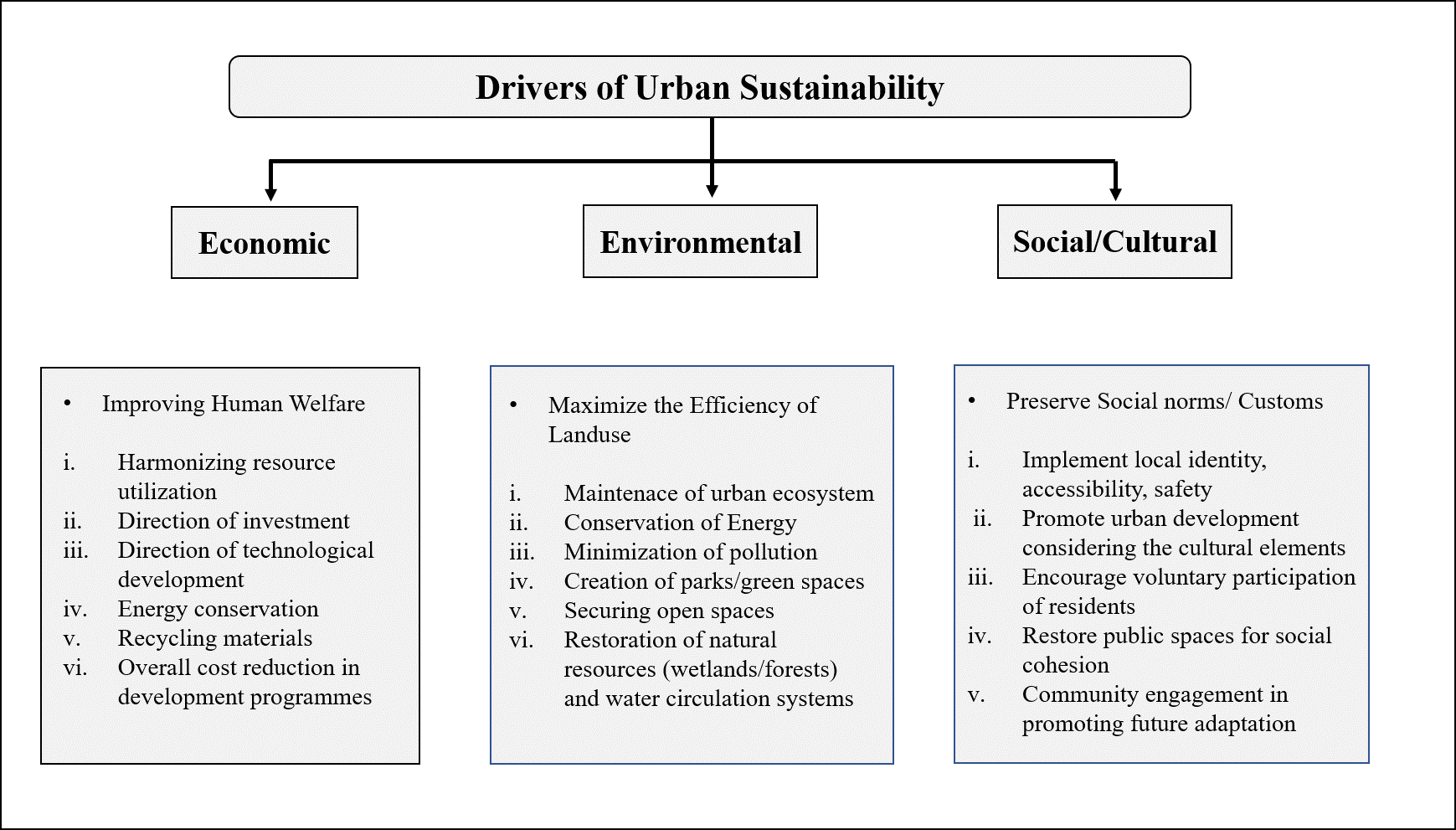 Fig: 2 The current society's sustainable development concept is explained as covering.
economic, environmental and sociocultural factors
- Multidisciplinarity and city knowledge
How might interdisciplinary education help organize urban issues?
To answer the above query, it is imperative for academics to create interest and follow it up in higher education, another focus area in the literature [31-32]. Cities have an impact on scientific urban research, contribute to urban sustainability, and shape cities [33]. Urban sustainability has evolved into a complex socio-cultural dialogue that advocates for higher education (HE). In this context, transdisciplinary techniques [33] are ideal for facilitating transformative learning in higher education [34], and integrating expertise and knowledge from diverse disciplines [31]. Two sets of inquiry can be developed, i. on the holistic approach and ii. on pedagogical challenges.
Wilkerson et al., [34] suggested a holistic approach to comprehend multidisciplinary endeavours and examine the need to enhance conceptual knowledge of the links between sustainable cities and development. This further demonstrates the significance of the multidimensional integration of social/cultural, economic, and environmental/climate variables in building sustainable urban models and policies.
Interdisciplinary studies have a pedagogical argument: fragmentation hinders learning, and evaluations of educational programs have frequently urged for better coherence and integration of diverse fields. The successful creation of sustainable solutions in urban settings necessitates the integration of information and abilities from multiple perspectives. Consequently, the capacity to think beyond disciplinary and institutional barriers is needed [66], as significant obstacles emerge when attempting to bridge disciplines and conduct interdisciplinary and transdisciplinary research [35-38].
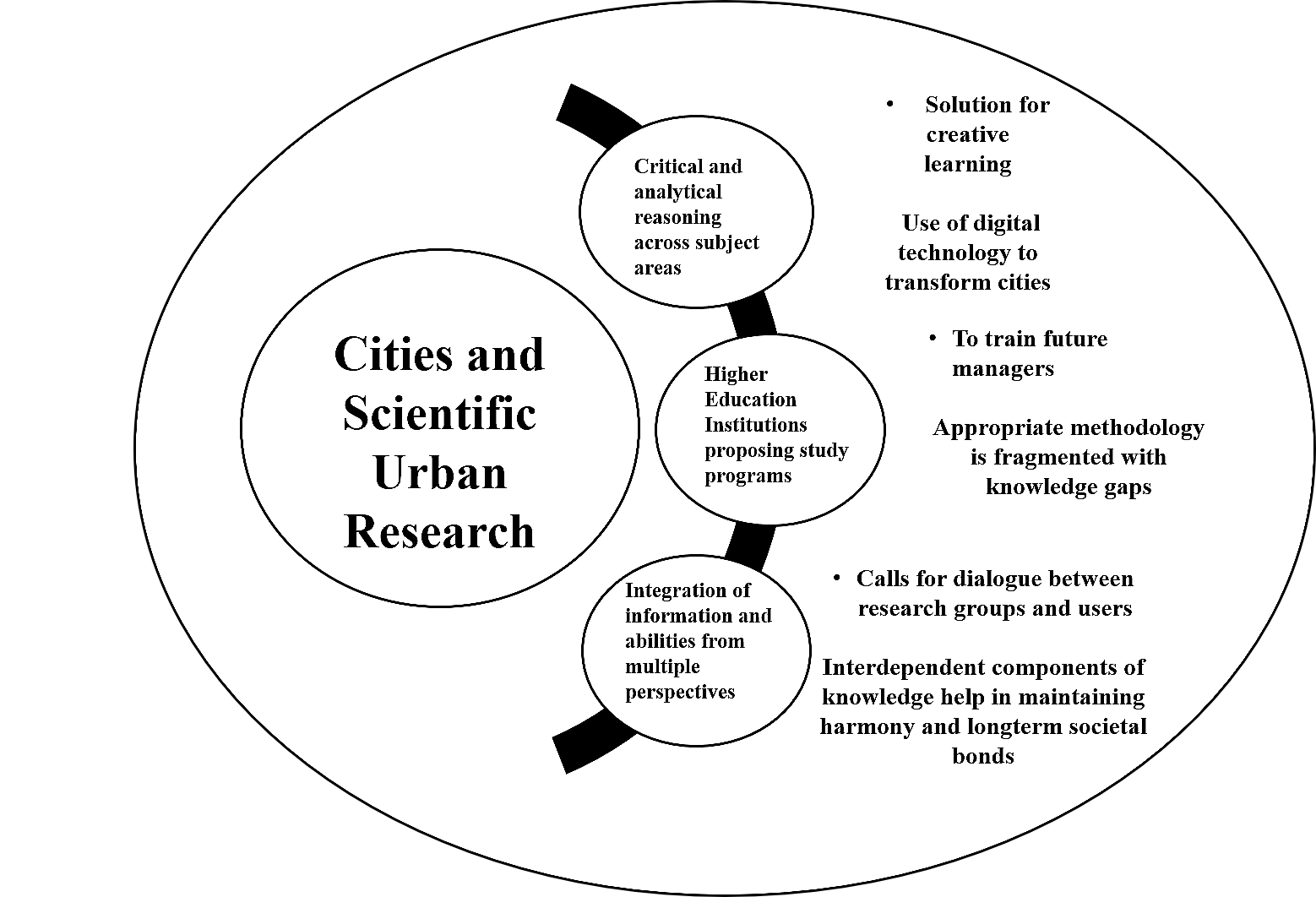 Fig: 3 Prospects of a multidisciplinary approach to scientific urban research
Conclusion
The study, therefore, closely looks at the impact of culture on urban sustainability, concerning the cultural heritage aspect of urban life and how they have a role in organizing urban issues. There has been combined the concepts of culture with urban sustainability, as informed by the Sustainable Development Goals. With increasing urbanization, cultural heritage plays an important role in designing development strategies for contemporary cities, that are often confronted with socio-cultural concerns related to the loss of tangible and intangible cultural resources. The socio-cultural urban framework is inadequate unless urban areas acknowledge strong community ties. In-corporating tangible and intangible cultural resources, as well as cultural professionals and creative practices, has the potential to lead to a more sustainable urban future.
References:
- Tavares, D.S.; Alves, F.B.; Vásquez, I.B. The Relationship between Intangible Cultural Heritage and Urban Resilience: A Systematic Literature Review. Sustainability 2021, 13, 12921. https://doi.org/10.3390/su132212921
- UNESCO 2015; POST-2015 Dialogues on Culture and Development, https://unesdoc.unesco.org/ark:/48223/pf0000232266
- UNESCO; World Bank. 2021. Cities, Culture, Creativity: Leveraging Culture and Creativity for Sustainable Urban Development and Inclusive Growth. Paris: UNESCO, and Washington, D.C.: World Bank. © World Bank and UNESCO. https://openknowledge.worldbank.org/handle/10986/35621 License: CC BY-SA 3.0 IGO.” http://hdl.handle.net/10986/35621
- Chen, Y.; Daamen, A.T.; E.; Wouter J.; Verheul, J.W. Interdisciplinary and Experiential Learning in Urban Development Management Education, Int. J. Technol. Des.Edu. 2020, 30:919–936, https://doi.org/10.1007/s10798-019-09541-5
- Sharifi, A. Urban Sustainability Assessment: An Overview and Bibliometric Analysis, Indic., 2021, Volume 121, 107102,ISSN 1470-160X, https://doi.org/10.1016/j.ecolind.2020.107102.
- Duxbury,N.;Hosaghrahar J.; Pascual, J. Why Must Culture be at the Heart of Sustainable Urban Development? Agenda 21 For Culture, UCLG 2016
- El-Bastawissi,Y.; Raslan, I.; Mohsen,R.; Zeayter, H. Conservation of Beirut’s Urban Heritage Values Through the Historic Urban Landscape Approach. Urban Plan., 2022, 7(1), 101–115. doi:https://doi.org/10.17645/up.v7i1.4762
- Nocca, F. The Role of Cultural Heritage in Sustainable Development: Multidimensional Indicators as Decision-Making Tool, Sustainability 2017, 9, 1882; doi:10.3390/su9101882
- Kultur, S. Role of Culture in Sustainable Architecture, Archi-Cultural Translations through the Silk Road 2nd Int Conf, Mukogawa Women’s Univ., Nishinomiya, Japan, July 14-16, 2012 Proceedings
- Portolés, B. “Cultural Heritage and Sustainable Cities. Key Themes and Examples in European Cities”, UCLG 2018, UCLG Committee on Culture Reports, nº7.
- Vardoulakis, S.; Kinney P. Grand Challenges in Sustainable Cities and Health. Sustain. Cities, 2019, 1:7. doi: 10.3389/frsc.2019.00007
- Kagan, S.; Hauerwaas, A.; Holz, V.; Wedler, P. Culture in Sustainable Urban Development: Practices and Policies for Spaces of Possibility and Institutional Innovations, City, Cult. Soc, 13, 2018, 32-45, 1877-9166, https://doi.org/10.1016/j.ccs.2017.09.005
- JELINČIĆ,A.D.; TIŠMA, S. Ensuring Sustainability of Cultural Heritage Through Effective Public Policies, Urbani Izziv, 2020, 31:2, 78-87
14. Haase, D. Continuous Integration in Urban Social-Ecological Systems Science needs to allow for Spacing Co-existence, Ambio, 2021, 50:1644–1649, https://doi.org/10.1007/s13280-020-01449-y
15. Menéndez,P.E.; García,H.E. Urban Sustainability Versus the Impact of Covid-19, disP - Plan Rev., 2020 56:4, 64 81, DOI: 10.1080/02513625.2020.1906059
16. Vries, G. d. Culture in the Sustainable Development Goals: The Role of the European Union. (2nd revised edition) (ifa-Edition Kultur und Außenpolitik). 2020, Stuttgart: ifa (Institut für Auslandsbeziehungen). https://doi.org/10.17901/AKBP1.06.2020)
17. Sharifi, A.; Chelleri, L.; Fox-Lent, C.; Grafakos, S.; Pathak, M.; Olazabal, M.; Moloney, S.; Yum-agulova, L.; Yamagata, Y. Conceptualizing Dimensions and Characteristics of Urban Resilience: In-sights from a Co-Design Process. Sustainability 2017, 9, 1032. https://doi.org/10.3390/su9061032
18. Watson,V. Locating Planning in the New Urban Agenda of the Urban Sustainable Development Goal, Theory 2016 , 15 (4), 435-448, DOI: 10.1177/1473095216660786
19. Labadi, S; Giliberto, F.; Rosetti, I.; Shetabi, L.; Yildirim, E. Heritage and the Sustainable Development Goals:Policy Guidance for Heritage and Development Actors. 2021,Paris: ICOMOS
20. Boeri; A.; Bortoli G.; Long, D. Cultural Heritage as a Driver for Urban Regeneration: Comparing two Processes, WIT Trans. Ecol. Environ. 2019, Vol 217, WIT Press, doi:10.2495/SDP180501
21. Chang, D.L.; Sabatini-Marques, J.; da Costa, E.M. et al. Knowledge-based, Smart and Sustainable Cities: a Provocation for a Conceptual Framework. open innov. 2018 4: 5 https://doi.org/10.1186/s40852-018-0087-2
22. Labadi, S; Giliberto, F.; Rosetti, I.; Shetabi, L.; Yildirim, E. Heritage and the Sustainable Development Goals:Policy Guidance for Heritage and Development Actors. 2021,Paris: ICOMOS
23. UNESCO, Thematic Indicators for Culture in the 2030 Agenda for Sustainable Development, Culture 2030 Indicators, A Synthesis, UNESCO 2019 https://unesdoc.unesco.org/ark:/48223/pf0000371562
24. Krellenberg K.; Koch,F. Conceptualizing Interactions Between SDGs and Urban Sustainability Transformations in Covid-19 Times, Politics Gov., 2021, 9:1, 200–210, DOI: 10.17645/pag.v9i1.3607
25. Garau ,C.;Annunziata,A. A Method for Assessing the Vtality Potential of Urban Areas. The Case Study of the Metropolitan City of Cagliari, Italy, City, Territ. Archit.,2022 9:7 https://doi.org/10.1186/s40410-022-00153-6
26. Radha, H.C. Biophilic Design as a New Approach in Urban Sustainability -BY-NC 4.0) Pollack Period., 2021, DOI: 10.1556/606.2021.00424
27. Kim, S.; Kwon, H. Urban Sustainability through Public Architecture, Sustainability 2018, 10, 1249; doi:10.3390/su10041249
28. Bibri, E.S.; Krogstie, J.; Kärrholm, M. Compact City Planning and Development: Emerging Practices and Strategies for Achieving the Goals of Sustainability, DIBE, 2020, 4, 100021, ISSN 2666-1659, https://doi.org/10.1016/j.dibe.2020.100021
29. Ragheb, A.; Aly,R.; Ahmed,G. Toward Sustainable Urban Development of Historical Cities: Case study of Fouh City, Egypt, Ain Shams Eng.J., 2021, https://doi.org/10.1016/j.asej.2021.06.006
30. Dostoğlu, N. Re-viewing the Role of Culture in Architecture for Sustainable Development, DRArch 2021, 2:2, 157-16, https://doi.org/10.47818/DRArch.2021.v2i201731.
31. Ciesielska, M.; Rizun,N.; Janowsk, T. Interdisciplinarity in Smart Sustainable City Education: Exploring Educational Offerings and Competencies Worldwide, 2021, Proceedings of the 54th Hawaii International Conference on System Sciences
32. Brombal, D., Area Studies for Urban Sustainability Research: Current Practice and Untapped Potential, IQAS 2019 50 ,3–4, 11–30, DOI: https://doi.org/10.11588/iqas.2019.3-4.10704
33. Sommier, M.,;Wang, Y.; Vasques, A. Transformative, Iinterdisciplinary and Intercultural Learning for Developing HEI Students’ Sustainability-Oriented Competences: A Case Study. Environ Dev Sustain 2022, https://doi.org/10.1007/s10668-022-02208-7
34. Wilkerson, M.L.; Mitchell, M.; Shanahan, ; Wilson, K.A.; Ives, C.D.; Lovelock, C.E.; Rhodes, J.R. The Role of Socio-Economic Factors in Planning and Managing Urban Ecosystem Services. Ecosyst. 2018, 31, 102-¬110. https://doi.org/10.1016/j.ecoser.2018.02.017
35.Baumber, A. Transforming Sustainability Education Through Transdisciplinary Practice, Environment, Development and Sustainability: A Multidisciplinary Approach to the Theory and Practice of Sustainable Development, Dev. Sustain. 2022, 24, 6:7, 7622-7639 https://doi.org/10.1007/s10668-021-01731-3
36. Chaiechi, T. Sustainable Tropical Cities: A Scoping Review of Multidisciplinary Methods for Urban Planning. ETropic 2020, 19:2, 25–51. https://doi.org/10.25120/etropic.19.2.2020.3743
37. Taylor, J.; Jokela, S.; Laine, M.; Rajaniemi, J.; Jokinen, P.; Häikiö, L.; Lönnqvist, A. Learning and Teaching Interdisciplinary Skills in Sustainable Urban Development—The Case of Tampere University, Finland. Sustainability 2021, 13, 1180. https://doi. org/10.3390/su13031180
38. Grove, M.J.; Childers, L,D.; Galvin, M.; Hines,S.; Muñoz‐erickson,T.; Svendsen,S.E. Linking Science and Decision Making to Promote an Ecology for the City: Pactices and Opportunities, Health Sustain, 2016, 2:9, e01239, DOI: 0.1002/ehs2.1239