
This article maps out, organizes, and collates scattered information on the current state-of-art of the Finnish cottage phenomenon, which is of great cultural and economic importance to Finland. It is believed that the article will contribute to the continuation of the cottage culture, which is crucial for the vitality of rural municipalities, regional development, national culture, and the well-being of individuals in Finland.
- cottage
- holiday house
- second home
- Finland
1. Introduction
Second houses, rooted in ancient societies, conceptually differ from region to region and culture to culture [1]. People in many countries have a second home to access geographical and cultural attractions that their primary property cannot give them. Among the primary factors that make it attractive to own a second home, are the desire to be in a natural environment, the search for an authentic atmosphere, or the inclination to a countryside lifestyle [2]. In this sense, second homes are preferred not only by the elite but also by many people as weekend getaways in Nordic countries [3]. Partly as a consequence of prosperity and abundance of space, many Scandinavian people have a second home in the rural areas (Finnish ‘mökki’, Swedish ‘stuga’, Norwegian ‘hytte’, Danish ‘sommerhus’). Likewise, in countries like Turkey, second homes in high-altitude areas are used by many people as part of their culture to escape the hot weather during the summer months. For this reason, it is seen that global borders have been removed and second homes are gradually gaining an international dimension [4].
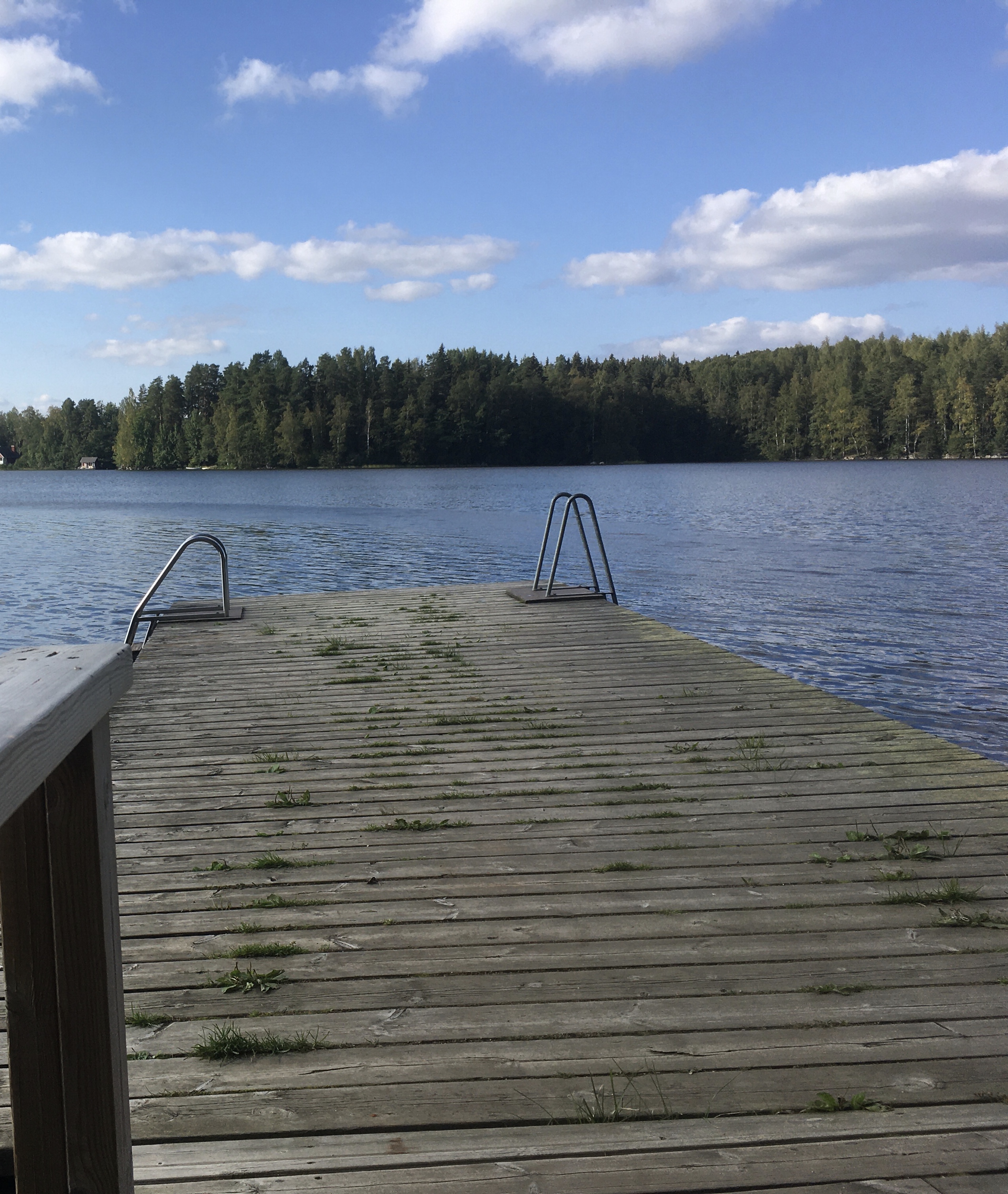
The northern lifestyle is closely linked to nature and the highly anticipated but short-lived summer season [5]. The most common and ideal way to spend the summer months in Finland is a lakeside cottage surrounded by nature [6] (see Figure 1). It is based on the same basic traditions as Finnish culture and lifestyle and forms an important part of the Finnish national landscape [7]. Many Finns consider the cottage as a balancing act for city life [8].
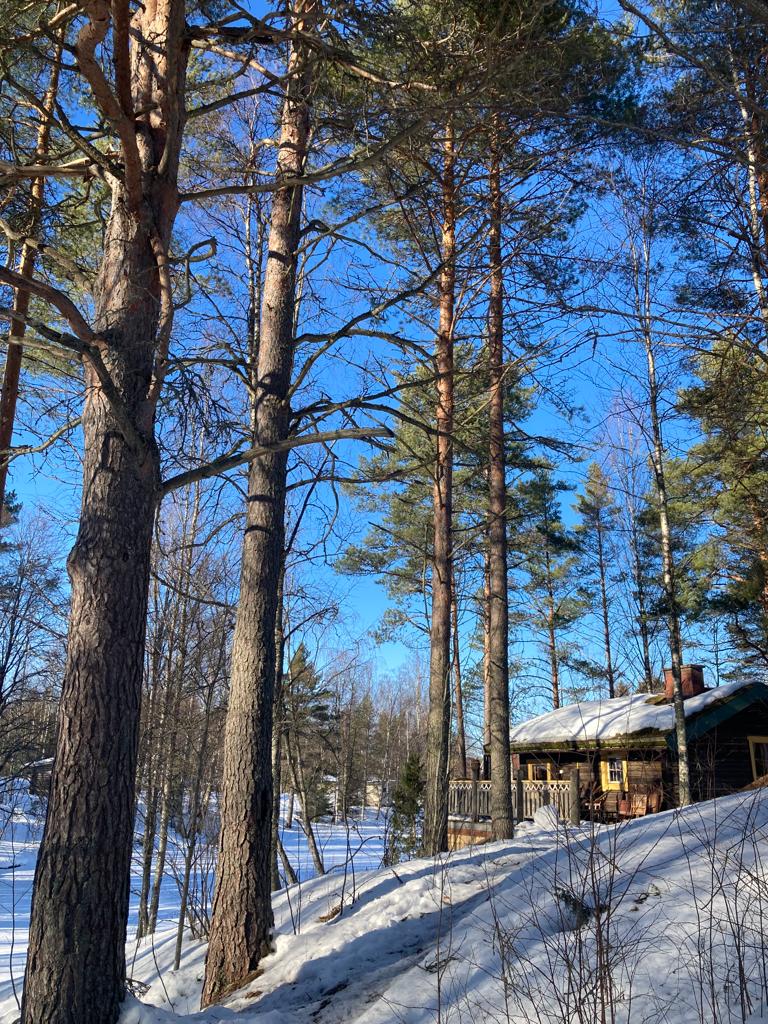
In the Finnish context, second homes play an essential role in the expression of the country's cultural landscape [12], illustrating the significance of outdoor recreation and traditional activities [13]. A large segment of Finnish people defines second homes as very valuable [14]. Additionally, the second home for rural municipalities is critical to the local economy and considerable job potential in Finland [10]. Second homes and tourism potential have also been the focus of academic research for a long time and have become an established part of leisure time in various countries [15][16][17][18][19][20][21]. Both in Finland and internationally, second homes have become not only an important part of people's leisure pursuits but also entire life cycles and lifestyles [22][23].
During the COVID-19 pandemic, urbanization trends have changed, and the importance of housing conditions has increased drastically [24][25]. In the post-pandemic, people began to prefer low-density rural areas over high-density urban centers [26]. In this context, the pandemic is an important social phenomenon influencing the meaning of the 'second home', and in its early stages, second homeowners thought of them as an escape from urban areas where the virus was spreading more wildly [27]. Shortly after the outbreak of the epidemic and the closure of workplaces, schools, and restaurants, people began to flee to their second homes as a better spot of isolation. Therefore, second home use has been extended from recreational and tourism purposes to “protection from epidemics” to “favored remote workplace” [28] as in the cases of Russia, Turkey, the United Kingdom, and France [29][30][31]. Furthermore, people focused on domestic tourism as many national borders were closed for the period of the COVID-19 pandemic. During the pandemic, second homes have become a more important form of domestic tourism in many countries where a significant proportion of people have access to a second home, particularly in rural areas as in the cases of Scandinavia, Southern Europe, Russia, North America, Australia, and New Zealand [32]. In addition, outdoor spaces such as gardens and balconies attached to residences have encouraged leisure activities such as gardening, which are beneficial for well-being during the pandemic [33][34][35][36]. Therefore, these crucial changes in daily life and new demands increase the significance of studies on cottage phenomena.
The summer villa trend that started in the 19th century, represented a model of luxury living that belonged only to the elite in the early years of Finland's independence [7]. Originally built near cities, the earliest ancestors of these cottages later spread to the coastlines and countryside. As industrialization increased in cities, holiday homes offered an escape to the natural environment. In the 1950s, spending time in the cottage became the pastime of almost all Finns, and in the 1980s cottage construction increased and reached its peak. The number of cottages in Finland at the end of 2018 had exceeded half a million [9][14][15].
About fifty percent of the Finnish population regularly visit a cottage [3] and summer cottage owners are only one part of this group. Grandchildren and children often use their parents' cottage, and around three million Finns visit it at least once a year [37]. Although cottage preferences vary according to socioeconomic status and income level [11], Finnish cottage culture remains widespread throughout the country.
The size, comfort level, and prevalence of use in the winter months of the cottages, whose ownership is gradually transferred to new generations, are increasing [38]. In addition, global factors e.g. the sharing economy, flexible working practices, and increased environmental awareness due to climate crises also significantly affect the Finnish cottage phenomenon [21]. Restrictions on shoreline construction and new wastewater regulations are on the agenda among Finnish cottage owners [39]. On the other hand, although the interest in Finnish cottages still seems high, traditional cottages inherited from Finnish forests are at risk of deterioration, which is struggling to respond to changing trends and needs.
Wood, which has never lost its popularity among construction materials, has always been the most important building material in cottage architecture [40]. Cottage buildings and newly built holiday homes are almost entirely wooden, 70% of which are log buildings (see Figure 3) [41]. Wood is considered a natural, warm and ecological material that is compatible with the Finnish landscape [42][43][44][45][46][47][48][49][50][51][52][53][54][55][56][57]. Features such as breathability, moisture balance, allergy friendliness, and esthetics are other prominent benefits of log construction [58].
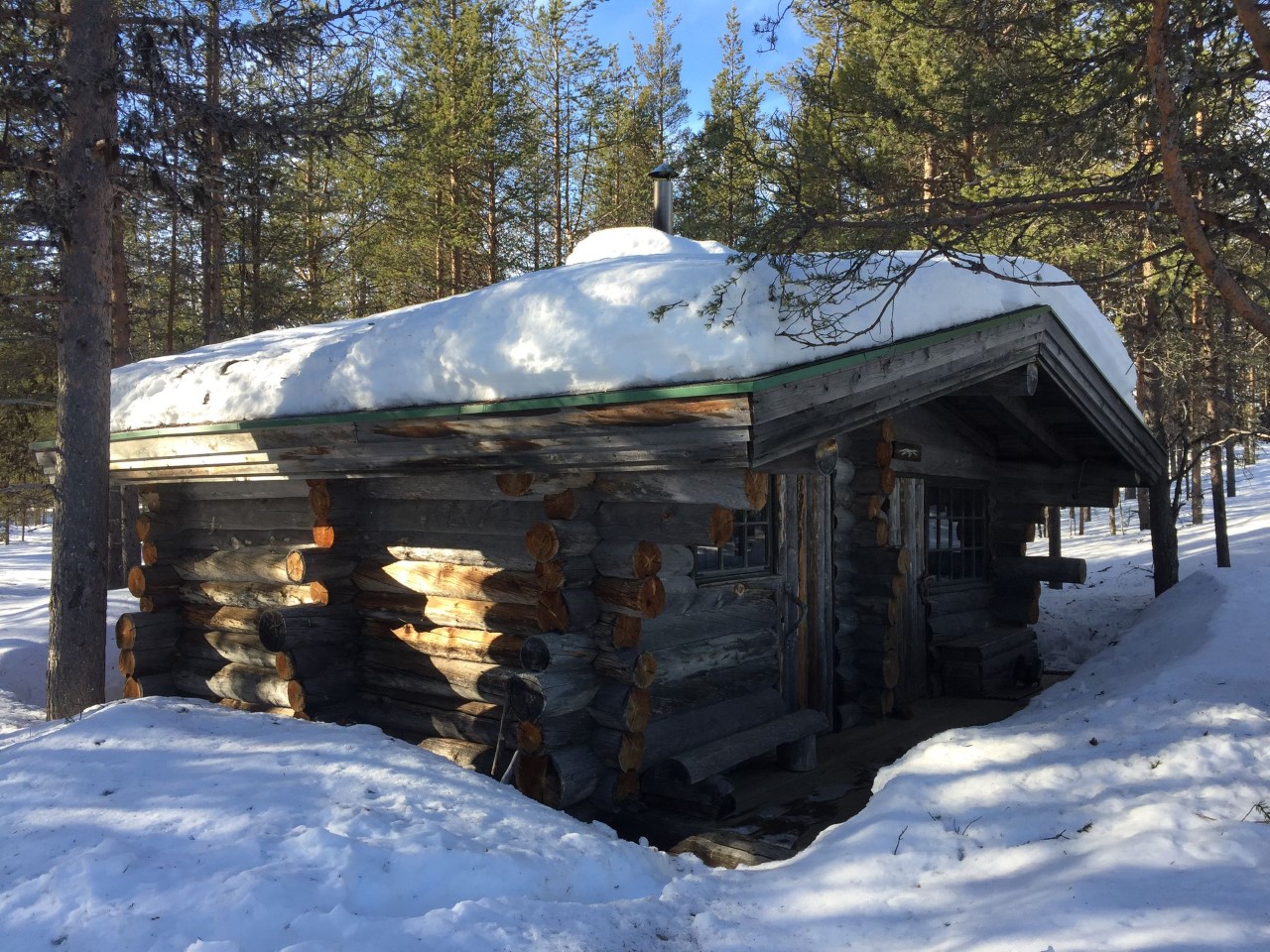
Figure 3. Log cottage example from northern Finland (Photo courtesy of Lotta Häkkänen).
Governance, development, mobility, tourism are among the most discussed topics in the existing literature, terminologically based on the second home. To date, there are limited studies in the literature focusing on the Finnish cottage phenomenon, which is of great cultural and economic importance for Finland [35]. This may be because the cottage is an intimate and natural part of Finnish culture and daily life [59][60].
This article maps, organizes, and collates scattered information about the current state of the cottage phenomenon in Finland and presents it in an accessible and understandable discourse for both technical and non-technical readers. This entry also provides a methodical literature analysis on international peer-reviewed studies and research projects. It is believed that the article will contribute to the continuation of the cottage culture, which is essential for the vitality of rural municipalities, regional development, national culture, and the well-being of individuals in Finland by gaining an understanding of the current state of the cottages and associated changes, and by drawing attention to cottages as part of the contemporary architectural debate, from which modest cottage construction is often excluded.
The remainder of this entry is composed as follows: First, a literature survey is given. This was followed by a section on the current state of the cottage phenomenon in Finland. Finally, the results of the study are presented along with the prospects of cottage culture and recommendations for future research.
2. Literature Survey
As mentioned above, there are a limited number of studies on the Finnish cottage phenomenon, but there are numerous studies on the second home concept. Notable studies include Häkkänen et al. [61] researched the Finnish cottage phenomenon from the experts' point of view through interviews, in which the main findings were based on key themes including cottage buyers, characteristics of dream cottage, diversified cottages, the regulation of cottages in municipalities, and challenges in the regulation of cottages. Overvåg [62] explored the link between second homes and urban growth in the Oslo area, Norway. The study showed that second homes and urban growth are connected to some extent, but regulations by the government preclude a stronger link. In addition, Overvåg's work highlighted the impact of land scarcity and demand changes, noting that urban growth is one of the factors affecting the location of second homes owned by Oslo residents. Müller et al. [63] conducted a survey among Swedish holiday homeowners examining the relationships between vacationers and the Swedish countryside. The survey results showed that today's leisure accommodation businesses are not considering settling in a vacation home permanently. Moreover, there were signs that the residential use would increase, indicating that the boundaries between second homes and permanent residences might disappear after a while. Hiltunen and Rehunen [36] scrutinized the leisure-based mobile lifestyle between the urban home and rural second home in the Finnish context mainly via GIS data and questionnaires. The results showed that social changes such as urbanization, modernization, rural restructuring, distribution, and mobility, as well as historical events and government decisions at different levels, play an active role in second home tourism. Rinne et al. [60] examined the second home management from the standpoint of public participation by means of three group discussions focusing on three cottage-rich places in Finland. The results demonstrated that the traditional approaches of cottage owners are increasingly supported and reconfigured by heterogeneous and diverse second home users. The Finnish Environment Institute [10] analyzed how citizens and municipalities perceive the situation and development of second home tourism. While revealing that second homes play an important role in both leisure mobility and rural areas, the report underlined the views of Finnish municipalities that second homes contribute positively to local economies. The Routledge Second Home Tourism and Mobility Handbook [64] provides an overview of interdisciplinary and methodological approaches to second homes. Additionally, there are many studies on the COVID-19 pandemic and its effects on second home ownership and tourism. Among the major studies, Zoğal et al. [27] examined the epistemological evolution of the concept of 'second homes' and revealed possible short-, medium- and long-term effects that could place second homes at the center of tourist activity. They concluded that in the early stages of the COVID-19 pandemic, second homes were moving from high-density urban areas to low-density rural areas, and a potential change in tourist preferences could place second homes at the center of tourism activity as soon as travel restrictions are lifted, which can intensify existing housing commodification procedures by strengthening residential platforms. Pitkanen et al. [32] analyzed the safety of second homes during the COVID-19 pandemic in various locations e.g. Sweden, Finland, Canada, Russia, and it was found that even though the second home cultures of different locales may differ, in general, people are approaching their second homes for escape and safety during the pandemic. Bieger et al. [65] discussed the relationship between the COVID-19 pandemic and second home prices in Switzerland and the results indicated a considerable price increase in second homes – especially compared to flat prices – after the onset of the pandemic.
3. The Current State of the Cottage Phenomenon in Finland
Key stakeholder groups play a role in understanding the demands of contemporary consumers, particularly to shed light on the current state of the Finnish cottage phenomenon. In the interview study by Häkkänen et al. [61], cottage buyers, characteristics of the dream cottage, diversified cottage, regulation of cottages in municipalities, challenges in the regulation of cottages were selected as main themes among real estate agencies, cottage suppliers, city planners, building inspectors to identify wishes and views of cottage buyers as well as municipal authorities in Finland. The main highlights of the study were:
(i) Cottage buyers were usually in their 50s and had a high income. Convenience, ready-made solutions, and easy maintenance were decisive parameters in choosing a cottage. Ecological concerns were of interest to buyers, but most of all they paid attention to the cleanliness of the nature around the cottage, and especially the water body;
(ii) The high level of equipment required for cottages and suitability for winter use were critical considerations for cottage buyers, and well-equipped cottages were in high demand because they met buyers' needs;
(iii) Location was a key factor in determining the popularity of vacation homes. A modern and simple style is generally preferred in cottage architecture. The cottage's poor condition was often seen as an obstacle to its sale, as buyers were reluctant to undertake the troublesome renovations;
(iv) Diversification of today's cottages is among the prominent themes. Despite the attractiveness of waterfront cottages, interior houses were also seen as a possible alternative due to other benefits e.g. resorts offering services and recreational activities. While the demand for well-equipped cottages suitable for year-round use increased, modest ones continued to be in demand;
(v) When certain conditions were met, the attitudes of the municipalities towards the coastal development regarding the recreation area were positive. Building rights, wastewater treatment, and permanent living at cottages were also considered as important considerations. In general, although buyers' needs are the same, attitudes and practices of municipalities towards cottages varied;
(vi) The cottages could be converted into permanent residences under certain conditions. Meeting some user needs, e.g. watered toilets, faced regulatory hurdles at the summer cottages.
4. Conclusions
This article aimed to support the continuity of Finland's cottage culture, which is of critical importance for the future of rural municipalities, regional development, preservation of national culture, and transferring it to future generations by shedding light on the current state of the cottage phenomenon. By doing so, it focused on the demands of contemporary consumers from the perspective of key stakeholders.
Methodologies that concentrate on buyer demands make important contributions to determining a viable roadmap of housing and rental housing market dynamics, where potential users of cottages can play a critical role in local planning and decision-making. Developing design and implementation approaches for user needs through main shareholders in the construction industry, architects, engineers, and other control mechanisms has become a necessity in the market. In addition, while taking into account the demands of cottage buyers for the new design and renovation of existing residences, more satisfactory solutions should be developed for regulatory and legal obligations that will pave the way for these user-oriented initiatives.
Therefore, it is critical to sustaining the cottage culture in Finland by developing attitudes to meet the demands and needs of the younger generation, to develop easy and economical solutions, and preserve the diversity and inclusiveness of the cottage supply in the future.
Possible further research topics can be renovating old cottages and improving their eco-efficiency, the potential of abandoned cottages, as well as expansion and development of cottages for multi-generational use, challenges with inherited cottages, and opportunities for different cottages rental and joint ownership methods.
In Finland, which has more than half a million cottages, the cottage phenomenon is expected to become a better part of the contemporary architectural debate and completed projects to inspire the next. Also, more research is needed to better understand the dynamics between different cottage users and governmental procedures, which can help to manage cottages more usefully and avoid pointless conflict in high-density regions. Like other building types, cottages must stand the test of time and symbolize high-quality architecture technologically and artistically.
Considering the ever-increasing demand for detached houses and outdoor use, which has developed as a reflection of the COVID-19 pandemic, it is seen that the demand for the summer cottage lifestyle has increased. This situation can be shown as the main reason for a significant price increase in second homes, especially in Finland, after the pandemic. Furthermore, given the growing demand of buyers for houses with gardens and the tendency to move from the city center to the countryside, the COVID-19 pandemic has also increased the desire of people to be more intertwined with nature, as in families with children who aim to own a house with a garden. Therefore, the preference for working remotely and spending more time in the second home, in particular, can push the year-round demand for cottages to a much higher level than before the pandemic, which could change the market balance in the housing sector in Finland as in the case of increasing demand for houses with larger gardens due to the desire to be more intertwined with nature.
Given the Finnish context, more research is needed on the development prospects and trends of the cottage as it is a prominent phenomenon in its social, cultural, and economic aspects. Furthermore, responsive cottage design from an architectural point of view and the development of appropriate engineering solutions are critical to the sustainability and future of cottage life in Finland.
This entry is adapted from the peer-reviewed paper 10.3390/buildings12030260
References
- Coppock, J.T. (Ed.) Second Homes: Curse or Blessing?, Pergamon, Oxford, 1977.
- Eriksen, T.H. Second homes in the Nordics, Available online: https://nordics.info/show/artikel/second-homes-in-the-nordics#:~:text=Second%20homes%20are%20used%20as,and%20an%20abundance%20of%20space (accessed on 08 March 2022).
- Müller, D.K. Second Homes in the Nordic Countries: Between Common Heritage and Exclusive Commodity. Scandinavian Journal of Hospitality and Tourism, 2007, 7(3), 193–201, doi.org/10.1080/15022250701300272.
- Müller, D.K. Reinventing the countryside: German second-home owners in Southern Sweden, Current Issues in Tourism. 2002, 5(5), 426-446, doi: 10.1080/13683500208667933.
- Hall, C.M.; Müller, D.K.; Saarinen, J. Nordic tourism. Issues and cases. Bristol: Channelview, 2009.
- Reijo, M. Suomalaisilla käytössä kakkosasuntoja useimmin EU: n alueella. Hyvinvointikatsaus, 2002, 2, 20–23. (In Finnish)
- Jetsonen, J.; Jetsonen, S. Finnish Summer Houses, Princeton Architectural Press, New York, 2008.
- Pitkänen, K.; Kokki, R. Publications of the Savonlinna Institute for Regional Development and Research no. 11, Non-Faculty Institutes, Savonlinna Centre for Continuing Education and Regional Development, University of Joensuu publications, 2005. (In Finnish) Available online: https://erepo.uef.fi/bitstream/handle/123456789/8449/urn_isbn_952-458-701-7.pdf?sequence=1&isAllowed=y (accessed on 08 March 2022).
- Concepts and definitions, Statistics Finland. Available online: https://www.stat.fi/til/rakke/kas_en.html (accessed on 08 March 2022).
- Adamiak, C.; Vepsäläinen, M.; Strandell, A.; Hiltunen, M.J.; Pitkänen, K.; Hall, C.H.; Rinne, J.; Hannonen, O.; Paloniemi, R.; Åkerlund, U. Second home tourism in Finland Perceptions of citizens and municipalities on the state and development of second home tourism, Finnish Environment Institute publications, 22en/2015, Helsinki, 2015.
- Aho, S.; Ilola, H. Another home in the country? Second housing and rural vitality, Faculty of Economics and Tourism, University of Lapland publications, Rovaniemi, Finland, 2006. (In Finnish)
- Vepsäläinen, M.; Pitkänen, K. Second home countryside: Representations of the rural in Finnish popular discourses, Journal of Rural Studies 2010, 26(2): 194–204.
- Hiltunen, M.J.; Pitkänen, K.; Vepsäläinen, M.; Hall, C.M. Second home tourism in Finland: Current trends and eco-social impacts. In Z. Roca (ed.) Second Home Tourism in Europe: Lifestyle Issues and Policy Responses. Farnham, UK: Ashgate, 165–198, 2013.
- Pitkänen, K.; Puhakka, R.; Semi, J.; Hall, C.M. Generation Y and second homes: Continuity and change in Finnish outdoor recreation, Tourism Review International 2014, 18(3), 207–221.
- Melasniemi-Uutela, H. Suomalaisen mökkikulttuurin suunta? [The trends in the Finnish cottage culture?]. In K. Ahlqvist & A. Raijas (Eds.), Ihanne ja todellisuus. Näkökulmia kulutuksen muutokseen (pp. 145–163). Statistics Finland. Helsinki: Edita Prima, 2004.
- Hiltunen, M.J. Environmental impacts of rural second home tourism – Case Lake district in Finland. Scandinavian Journal of Hospitality and Tourism 2007, 7, 243–265.
- Casado-Diaz M.A. Socio-demographic impacts of residential tourism: a case study of Torrevieja, Spain. International Journal of Tourism Research 1999, 1(4), 223−237.
- Mottiar, Z.; Quinn, B. Shaping leisure/tourism places – the role of holiday homeowners: A case study of Courtown, Co. Wexford, Ireland. Leisure Studies, 2003, 22(2), 109–127.
- Hall, C.M.; Müller, D.K. (eds) Tourism, Mobility and Second Homes: Between elite landscape and common ground. Channel View Publications, Clevedon, 2004.
- McIntyre, N.; Williams, D.R.; McHugh, K.E. (eds) Multiple Dwelling and Tourism: Negotiating place, home and identity. Cabi, Wallingford, 2006.
- Marjavaara, R. Second home tourism: The root to displacement in Sweden. Gerum 2008: 1. Department of Social and Eco-nomic Geography, Umeå University, 2008.
- Karisto, A. Kesämökki ja arjen ympäristöpolitiikka. In Massa I & Ahonen S (eds). Arkielämän ympäristöpolitiikka, 122–137. Gaudeamus, Helsinki, 2006.
- OSF. Official Statistics of Finland. Kotitalouksien käytettävissä olevat rahatulot vuonna 2011, 2013. Available online: http://www.stat.fi/til/tjt/2011/03/tjt_2011_03_2013-04-10_kat_001_fi.html> 28.6.2013 (accessed on 30 January 2022).
- Mouratidis, K. How COVID-19 reshaped quality of life in cities: A synthesis and implications for urban planning, Land Use Policy. 2021, 111, 105772–105772, doi.org/10.1016/j.landusepol.2021.105772.
- Ilgın, H.E.; Karjalainen, M.; Pelsmakers, S. Finnish architects' attitudes towards multi–storey timber–residential buildings, International Journal of Building Pathology and Adaptation. 2021, Vol. ahead–of–print, No. ahead–of–print., doi.org/10.1108/IJBPA–04–2021–0059.
- Batty, M. The Coronavirus crisis: what will the post-pandemic city look like?, Environment and Planning B: Urban Analytics and City Science. 2020, 47, 4, 547-552, doi: 10.1177/ 2399808320926912.
- Zoğal, V.; Domènech, A.; Emekli, G. Stay at (which) home: second homes during and after the COVID-19 pandemic. Journal of Tourism Futures. 2020, ahead-of-print(ahead-of-print), doi.org/10.1108/JTF-06-2020-0090.
- Gallent, N. Covid-19 and the flight to second homes. Town and Country Planning. 2020, 89, 141– 144.
- Grigoryev, L.M. Global social drama of pandemic and recession. Population and Economics, 2020, 4(2), 18–25, doi.org/10.3897/popecon.4.e53325.
- Nikolaeva, U.G.; Rusanov, A. V. Self-isolation at the dacha: Can’t? Can? Have to? Population and Economics. 2020, 4(2), 182–198, doi.org/10.3897/popecon.4.e54577.
- Seraphin, H.; Dosquet, F. Mountain tourism and second home tourism as post COVID- 19 lockdown placebo? Worldwide Hospitality and Tourism Themes, 2020, 12(4), 485–500, doi.org/10.1108/ WHATT-05-2020-0027.
- Pitkänen, K.; Hannonen, O.; Toso, S.; Gallent, N.; Hamiduddin, I.; Halseth, G.; Hall, C.M.; Müller, D.K.; Treivish, A.; Nevedova, T. Second homes during Corona – Safe or unsafe haven and for whom?: Reflections from researchers around the world. Finnish Journal of Tourism Research. 2020, 16(2), 20–, doi.org/10.33351/mt.97559.
- Corley, J.; Okely, J.A.; Taylor, A.M.; Page, D.; Welstead, M.; Skarabela, B.; Russ, T.C. Home garden use during COVID-19: Associations with physical and mental wellbeing in older adults. J. Environ. Psychol. 2021, 73, 101545-, https://doi.org/10.1016/ j.jenvp.2020.101545.
- Lehberger, M.; Kleih, A.-K.; Sparke, K. Self-reported well-being and the importance of green spaces – A comparison of garden owners and non-garden owners in times of COVID-19. Landsc. Urban Plan. 2021, 212, 104108-, https://doi.org/ 10.1016/j.landurbplan.2021.104108.
- Poortinga, W.; Bird, N.; Hallingberg, B.; Phillips, R.; Williams, D. The role of perceived public and private green space in subjective health and wellbeing during and after the first peak of the COVID-19 outbreak. Landsc. Urban Plan. 2021, 211, 104092- https://doi.org/10.1016/j.landurbplan.2021.104092.
- Hiltunen, M.J.; Rehunen, A. Second home mobility in Finland: Patterns, practices and relations of leisure oriented mobile lifestyle. Fennia 2014, 192(1), 1–22.
- FCG Finnish Consulting Group Oy, Advisory Board for Finnish Archipelago Affairs Ministry of Agriculture and Forestry, Cottage Barometer, 2016. (In Finnish) Available online: https://mmm.fi/documents/1410837/1880296/Mokkibarometri+2016/7b69ab48-5859-4b55-8dc2-5514cdfa6000 (accessed on 08 March 2022).
- Free-time Residences 2018, Statistics Finland, Available online: https://www.stat.fi/til/rakke/2018/rakke_2018_2019-05-21_kat_001_en.html (accessed on 08 March 2022).
- Finnish Industrial Wastewater Guide, Conveying non-domestic wastewater to sewers Publication series no. 69, the Finnish Water Utilities Association, Helsinki, 2018 Available online: https://www.vvy.fi/site/assets/files/1110/finnish_industrial_wastewater_guide.pdf (accessed on 08 March 2022).
- Laapotti, S. Wood is a sustainable building material – but there is a money problem to solve, Unit magazine, Tampere Uni-versity, Available online: https://www.tuni.fi/unit-magazine/en/articles/wood-sustainable-building-material-there-money-problem-solve (accessed on 08 March 2022).
- The Finnish Timber Council (Puuinfo), Available online: http://www.puuinfo.fi/puutieto (accessed on 08 March 2022).
- Karjalainen, M.; Ilgın, H.E. The Change over Time in Finnish Residents’ Attitudes towards Multi–Story Timber Apartment Buildings. Sustainability 2021, 13, 10, 5501.
- Karjalainen, M.; Ilgın, H.E.; Metsäranta, L.; Norvasuo, M. Suburban Residents’ Preferences for Livable Residential Area in Finland. Sustainability 2021, 13, 11841.
- Ilgın, H.E.; Karjalainen, M. Perceptions, Attitudes, and Interest of Architects in the Use of Engineered Wood Products for Construction: A Review; IntechOpen: London, UK, 2021.
- Karjalainen, M.; Ilgın, H.E.; Metsäranta, L.; Norvasuo, M. Wooden Facade Renovation and Additional Floor Construction for Suburban Development in Finland; IntechOpen: London, UK, 2022.
- Karjalainen, M.; Ilgın, H.E.; Metsäranta, L.; Norvasuo, M. Residents’ Attitudes towards Wooden Facade Renovation and Additional Floor Construction in Finland, International Journal of Environmental Research and Public Health 2021, 18, 23, 12316, doi.org/10.3390/ijerph182312316.
- Rinne, R.; Ilgın, H.E.; Karjalainen, M. Comparative Study on Life-Cycle Assessment and Carbon Footprint of Hybrid, Concrete and Timber Apartment Buildings in Finland. Int. J. Environ. Res. Public Health 2022, 19, 774. https://doi.org/10.3390/ijerph19020774.
- Ilgın, H.E.; Karjalainen, M. Preliminary Design Proposals for Dovetail Wood Board Elements in Multi-Story Building Construction. Architecture 2021, 1, 56–68.
- Karjalainen, M.; Ilgın, H.E.; Somelar, D. Wooden Additional Floors in old Apartment Buildings: Perspectives of Housing and Real Estate Companies from Finland. Buildings. 2021, 11, 8, 316.
- Ilgın, H.E.; Karjalainen, M.; Koponen, O. Review of the Current State-of-the-Art of Dovetail Massive Wood Elements; IntechOpen: London, UK, 2021.
- Karjalainen, M.; Ilgın, H.E.; Tulonen, L. Main Design Considerations and Prospects of Contemporary Tall Timber Apartment Buildings: Views of Key Professionals from Finland. Sustainability 2021, 13, 6593.
- Tulonen, L.; Karjalainen, M.; Ilgın, H.E. Tall Wooden Residential Buildings in Finland: What Are the Key Factors for Design and Implementation? IntechOpen: London, UK, 2021.
- Karjalainen, M.; Ilgın, H.E.; Yli-Äyhö, M.; Soikkeli, A. Complementary Building Concept: Wooden Apartment Building: The Noppa toward Zero Energy Building Approach; IntechOpen: London, UK, 2021.
- Ilgın, H.E.; Karjalainen, M.; Koponen, O. Various Geometric Configuration Proposals for Dovetail Wooden Horizontal Structural Members in Multistory Building Construction; IntechOpen: London, UK, 2022.
- Karjalainen, M.; Ilgın, H.E.; Somelar, D. Wooden Extra Stories in Concrete Block of Flats in Finland as an Ecologically sensi-tive Engineering Solution, Ecological Engineering – Addressing Climate Challenges and Risks, IntechOpen: London, UK, 2021.
- Ilgın, H.E.; Karjalainen, M.; Koponen, O. Dovetail Massive Wood Board Elements for Multi-Story Buildings, LIVENARCH VII Livable Environments & Architecture 7th International Congress OTHER ARCHITECT/URE(S), September 28-30, 2021, Trabzon, Turkey, Volume I, 47-60.
- Karjalainen, M.; Ilgın, H.E. A Statistical Study on Multi-story Timber Residential Buildings (1995-2020) in Finland, LIVEN-ARCH VII Livable Environments & Architecture 7th International Congress OTHER ARCHITECT/URE(S), September 28-30, 2021, Trabzon, Turkey, Volume I, 82-94.
- Polina, I. The designing, construction, and maintenance of Honka log houses. Guidelines for Russian customers, MSc thesis, Lappeenranta Degree Program in Civil and Construction Engineering, Saimaa University of Applied Sciences Technology, South Karelia, Finland, 2010.
- Periäinen, K. The Summer Cottage: A Dream in the Finnish Forest. Multiple Dwelling and Tourism: Negotiating Place, Home and Identity. Wallingford, UK: CABI, 2006, 103–113.
- Rinne, J.; Paloniemi, R.; Tuulentie, S.; Kietäväinen, A. Participation of second-home users in local planning and decision-making – a study of three cottage-rich locations in Finland, Journal of Policy Research in Tourism, Leisure and Events, 2015, 7(1), 98-114.
- Häkkänen, L.; Ilgın, H.E.; Karjalainen, M. The Current State of the Finnish Cottage Phenomenon: Perspectives of Experts. Buildings 2022, 12, 260.
- Overvåg, K. Second homes and urban growth in the Oslo area, Norway. Norsk Geografisk Tidskrift – Norwegian Journal of Geography 2009, 63(3), 154–165.
- Müller, D.K.; Nordin, U.; Marjavaara, R. Fritidsboendes relationer till den svenska landsbygden. Resultat av en enkät bland svenska fritidshusägare 2009. GERUM Kulturgeografisk arbetsrapport 2010-04-15. Kulturgeografiska institutionen, Umeå Universitet, 2010.
- Hall, C.M.; Müller, D.K. (ed.) The Routledge Handbook of Second Home Tourism and Mobilities, Routledge: London and New York, 2018.
- Bieger, T.; Weinert, R.; Klumbies, A. COVID-19 and Second Home Prices in Switzerland: An Empirical Insight. Zeitschrift Für Tourismuswissenschaft. 2021, 13(3), 375–386, doi.org/10.1515/tw-2021-0026.