You're using an outdated browser. Please upgrade to a modern browser for the best experience.
Neuromuscular Stimulation as an Facilitative Intervention Tool: History
Please note this is an old version of this entry, which may differ significantly from the current revision.
Subjects: Neurosciences
Contributor: Shigeru Obayashi

Neuromodulators at the periphery, such as neuromuscular electrical stimulation (NMES), have been developed as add-on tools to regain upper extremity (UE) paresis after stroke, but this recovery has often been limited. To overcome these limits, novel strategies to enhance neural reorganization and functional recovery are needed. This review aims to discuss possible strategies for enhancing the benefits of NMES. To date, NMES studies have involved some therapeutic concerns that have been addressed under various conditions, such as the time of post-stroke and stroke severity and/or with heterogeneous stimulation parameters, such as target muscles, doses or durations of treatment and outcome measures.

  • cortical reorganization
  • functional near-infrared spectroscopy
  • upper extremity paresis
  • neuromuscular electrical stimulation
  • neuronal plasticity
  • neurorehabilitation
  • repetitive peripheral neuromuscular magnetic stimulation

1. Introduction

Stroke is a leading cause of disability, with a greater incidence in older age groups. Poststroke disabilities affect upper extremity (UE) function. More severe UE paresis in patients with stroke more profoundly impairs the performance of daily living activities. Full recovery from UE paresis for all survivors is the ultimate goal during rehabilitation intervention. Neuromodulators at the periphery, such as neuromuscular electrical stimulation (NMES), or neuromodulators over the skull, such as repetitive transcranial magnetic stimulation (rTMS) and transcranial direct current electrical stimulation (t-DCS), have been proven to be useful tools for treating UE paresis after a stroke [1][2][3][4][5][6]. In this review, we focus on neuromodulators at the periphery.
We begin with some therapeutic concerns regarding NMES. Specifically, NMES studies have provided heterogeneous stimulation parameters, such as target muscles, doses or durations of treatment, as well as outcome measures and/or different conditions, such as time post-stroke, and stroke severity. To the best of our knowledge, currently, there are only a few systematic reviews and meta-analyses due to the substantial heterogeneity among the relevant studies [7][8][9]. A review demonstrated a statistically significant benefit from NMES applied within 2 months of onset [7]. Another review supported the supplementary use of NMES in the first 4 weeks [8]. A third review, by Howlett et al., demonstrated a major effect of NMES on upper-limb activity [9]. On the other hand, the superiority of NMES compared to standard care was still reportedly controversial [10], perhaps because of a lack of optimal treatment parameters for NMES application. To determine whether these factors may influence motor recovery, we focus on the “progress rate (PR)” as an index of gains, defined as the gains in UE function scores (Fugl–Meyer upper extremity scores) divided by treatment duration. These attempts may offer some clues regarding the optimal parameters and/or conditions for maximizing the NMES benefits for UE motor recovery after stroke, thereby, hopefully, overcoming the disability.
This is followed by a description of the expectations from and the possibility of repetitive peripheral neuromuscular magnetic stimulation (rPMS), which is probably comparable to the usefulness of NMES. As might be expected, a recent report indicated the effectiveness of rPMS in UE motor recovery in the acute phase of a stroke [11].

2. Time to NMES following Stroke: Is Earlier Intervention More Effective?
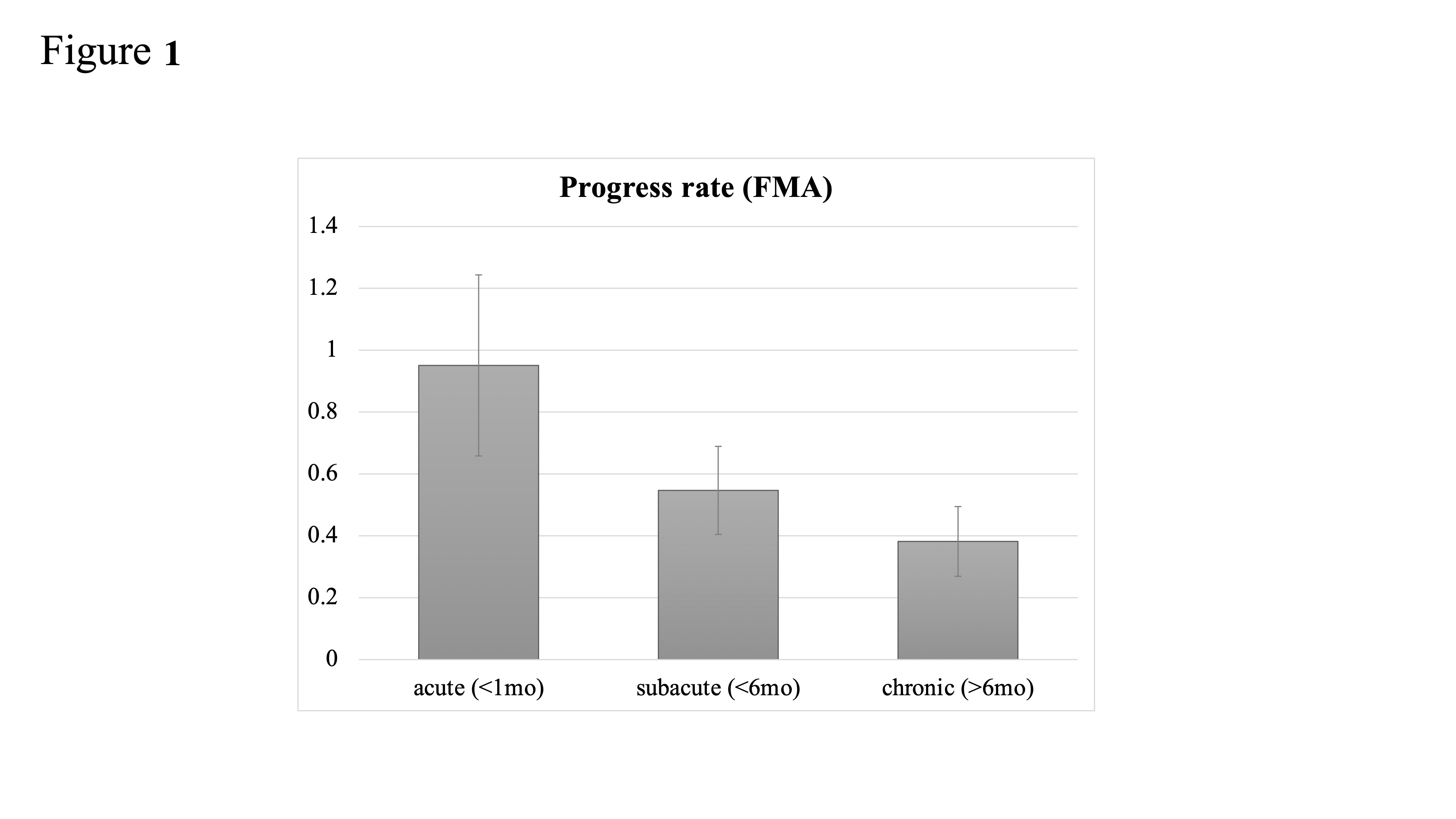
In general, the greatest gain in recovery tends to occur immediately after stroke, with slower gains over time [12]. A previous study suggested that critical time windows exist during which the brain is more responsive to training-dependent plasticity [13]. In particular, the first month after stroke onset offers the highest rate of recovery. Another study suggested that intervention training in the early phase of stroke can promote motor improvement rapidly, with a delayed enlargement of the motor map relative to behavioral changes [14]. With regard to the effectiveness of rTMS, there may be optimal time windows for motor recovery as well. A recent study suggested the timing-dependent effectiveness of rTMS applied post-stroke in the following descending order: acute phase > subacute phase and >chronic phase [15]. The same may be true for other neuromodulators. Therefore, we anticipated the superiority of earlier intervention with NMES over later intervention in terms of functional recovery. However, there was only a trend toward the usefulness of early intervention of NMES, but no significance (Figure 1). Furthermore, there was no correlation between the time since stroke and PR. These results may, however, be mainly due to a lack of statistical power because of the small sample size.
Interestingly, a recent report discovered the surprising role of reactive astrocytes as phagocytes in the clearance or synaptic remodeling of the penumbra area in the acute phase (from 7 days of onset) of cerebral infarct [16]. This supports the concept that early intervention may provide the advantage of motor recovery after a stroke. Accordingly, it is plausible that NMES is most effective when it is applied during the optimum therapeutic window.

3. Stroke Severity

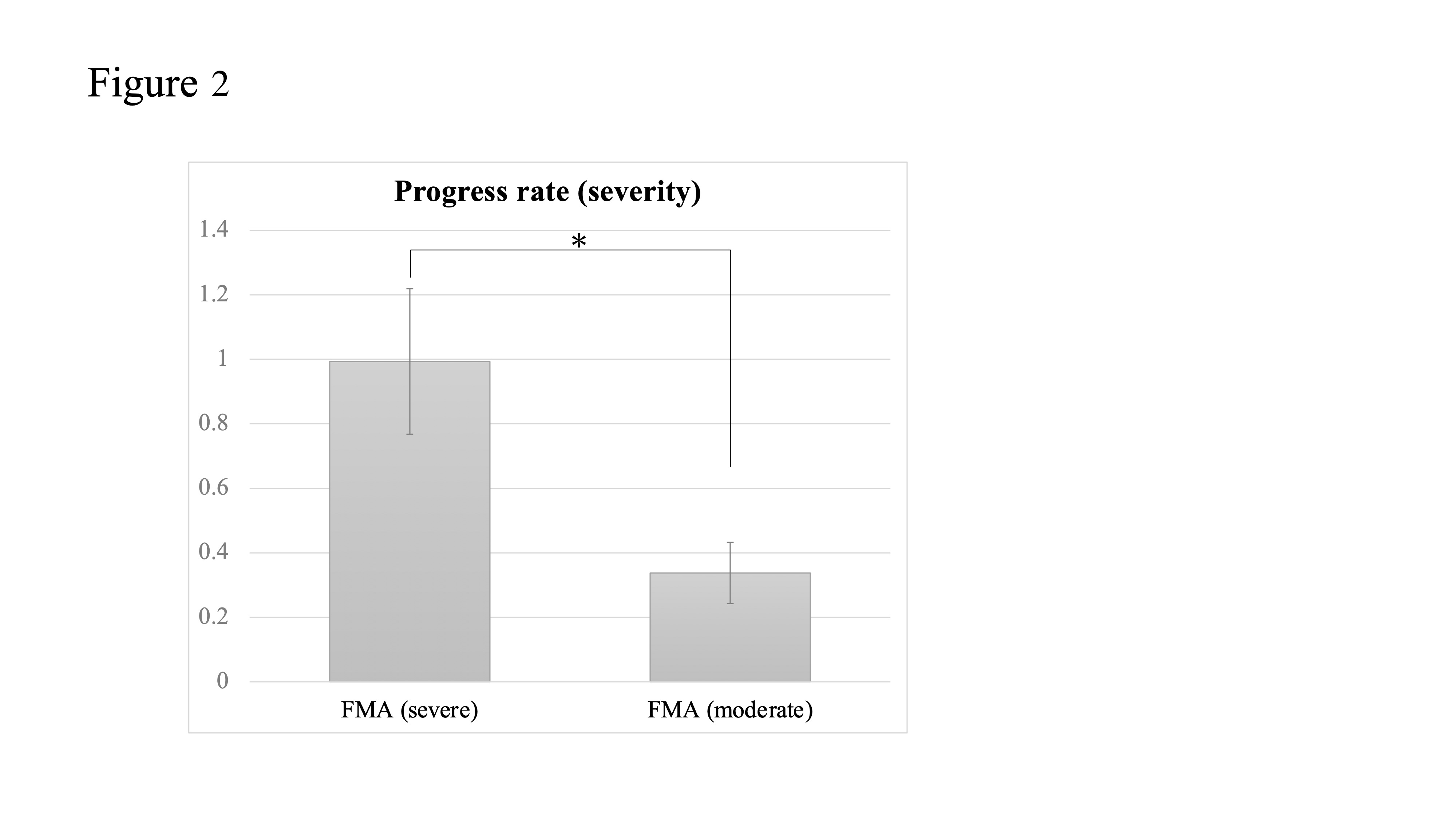
Although neural reorganization occurs soon after stroke, functional recovery by conventional intervention has often been limited. The probability of motor recovery after a stroke depends on its severity, and a prognosis of functional recovery may be formed within 12 weeks of stroke onset [17]. Neurological impairments recover most dramatically within 30 days of stroke onset, but patients with moderate and severe disability recover within up to 3 and 6 months, respectively [18]. So far, the relationship between NMES benefits and severity has remained unclear. The present findings suggest that survivors of severe stroke may be more sensitive to NMES than survivors of moderate stroke, regardless of the length of time since stroke (Figure 2). On the other hand, our results suggest that there is no correlation between severity and PR; this implies the existence of a therapeutic window for NMES in terms of severity. Further study is required.

4. Target Muscles

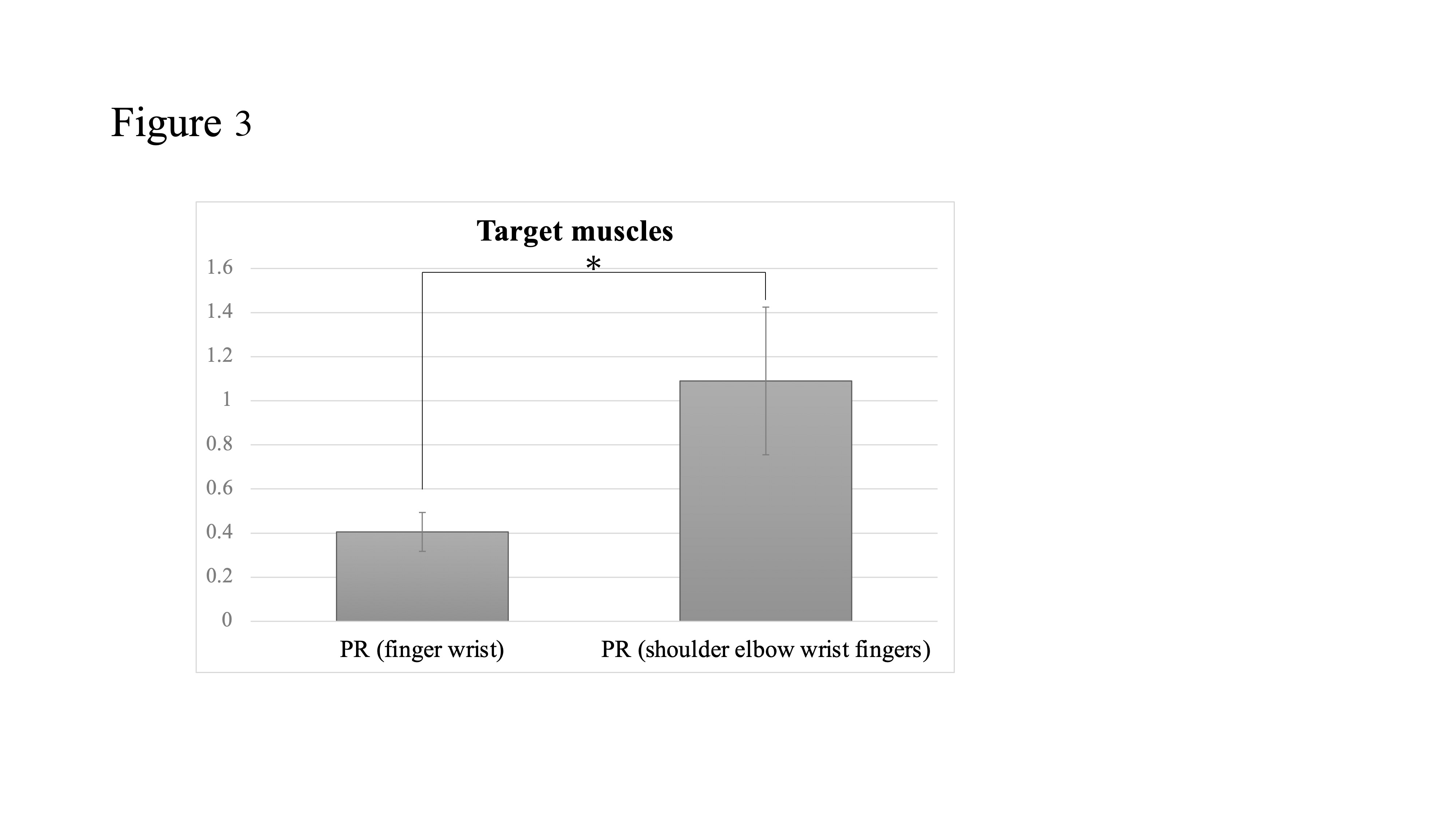
Our results suggest that the application of NMES to the whole UE was more effective for the UE function of stroke survivors than its application to the wrist and finger extensors (Figure 3). These findings indicate that NMES benefits may depend upon the muscles targeted by NMES. In the included studies, the majority of NMES studies applied NMES to the wrist/ finger extensors. Some authors claimed that NMES was applied to the wrist/finger extensors because of the time required to apply the multiple electrodes to cover the whole UE. Nevertheless, our present analysis suggests that the application to the whole UE is strategically advantageous in the enlargement of ADL as well as motor recovery compared to the wrist/fingers. A recent report also supports this view [19].

5. Is a Higher Dose of NMES More Beneficial?

In general, higher doses and longer duration of standard care intervention may produce better functional outcomes. Typically, the efficacy of constrained-induced (CI) therapy may support this view. In fact, few studies seem to have paid attention to this consideration. Intuitively, it was expected that a higher dose of NMES is more effective for motor recovery. However, the present findings suggest that higher dose and/or longer duration may not always produce better outcomes. The dose–response relationship between NMES and UE function for stroke patients remains uncertain [20][21]. A trial by Hsu et al. compared the NMES benefits between low doses (30 min/session) and high doses (60 min/session) of NMES and reported no significant difference [20]. In a study by Page et al., three different doses (30 min, 60 min, 120 min) of NMES were applied for the chronic phase; the authors suggested that a dose of 120 min is most effective for UE function [21]. They also suggested that future studies should investigate various combinations of treatment dose administration for designing intervention programs suitable for clinical practice. In addition, a recent study demonstrated that 20 min of NMES could facilitate UE motor recovery in the acute phase of stroke [19]. It implied that, by comparison, lower doses and shorter durations of intervention ameliorate UE disability during the early acute phase of stroke. In support of this, the effective threshold of minimal dose and duration needs to be identified.

6. Which of the NMES Modes Is More Effective?

NMES features two modes, the EMG-triggered mode and the cyclic mode. As well as EMG-triggered NMES, the post-stroke application of cyclic NMES to UE paresis after stroke was considered effective for UE improvement [22]. Most of the included studies (21/23 trials), however, used EMG-triggered NMES; therefore, we could not compare the NMES benefits between the two modes, leaving us unable to address the issue of whether cyclic or EMG-triggered NMES is more effective.
EMG-triggered NMES can provide weaker contraction of target muscles in severe stroke patients than cyclic NMES, whereas survivors with moderate or mild paresis experience stronger contractions with EMG-triggered NMES than with cyclic NMES. Actually, EMG-triggered NMES for severe paretic patients cannot enhance the fully volitional contraction of target muscles. It is possible that insufficient muscle contraction by electrical stimulation may be nonproductive, resulting in unsatisfactory benefits from NMES. NMES might be more effective for motor recovery when it is appropriately decided which mode of NMES is applied to each of the paretic muscles, including the shoulder, elbow, wrist and fingers during the early acute phase of stroke. The selection of mode may depend upon the volitional contraction of each of the paretic muscles. Accordingly, a recent study examined the effect of coupled cyclic and EMG-triggered NMES with whole UE on motor function [19]. In other words, EMG-triggered NMES was applied to each of the relatively moderate paretic muscles (stroke impairment assessment set (SIAS) level 3), while cyclic NMES was applied to severe paretic muscles (SIAS 1–2). The results suggested that the PR of the FMA-UE scores differed significantly between the coupled NMES group and the standard care group (2.54 for the coupled NMES group and 1.10 for the standard care group) (p = 0.036). The NMES group demonstrated a large effect size (r = 0.50) on FMA-UE, suggesting the high clinical significance of FMA-UE. These findings suggest that a new strategy of coupled NMES, depending on the severity of targeted paretic muscles, might be more effective than the application of the alternative mode.

7. Sensitivity of Measure Outcomes to Motor Function
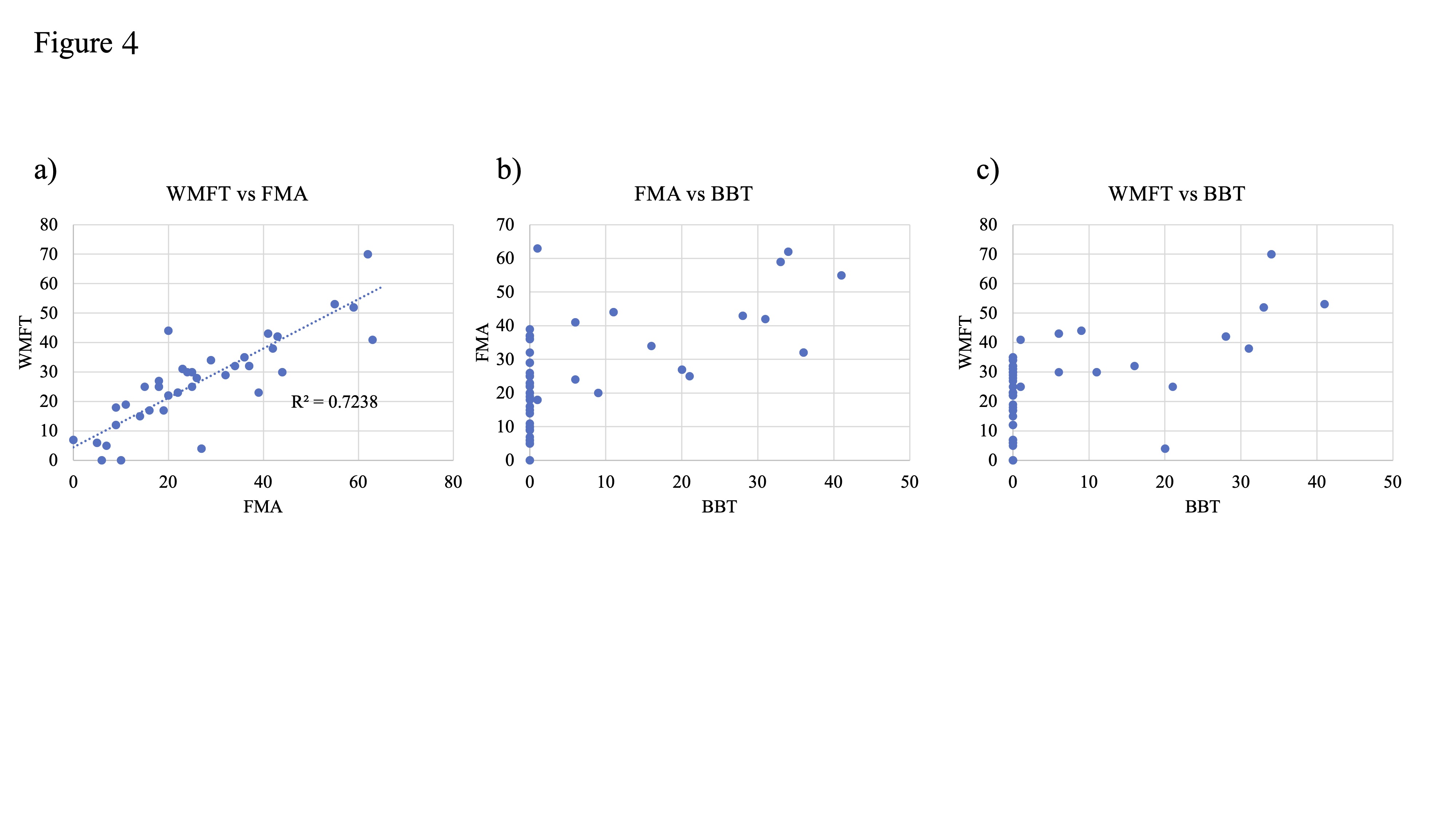
The sensitivity of outcome measures for motor function is a seemingly important factor in determining whether NMES is effective for UE function. Which of the outcome measures are the most sensitive to changes in UE function? It is likely that FMA-UE features almost the same sensitivity to severe UE paresis as WMFT-FAS (Figure 4a). BBT seemed less sensitive to UE function than FMA and WMFT (Figure 4b,c). More specifically, BBT marked zero even when the FMA scores and WMFT were estimated as 40 and 35, respectively. Accordingly, it is plausible that the included studies used FMA most frequently as outcome measures for motor recovery when applying NMES. It is notable, however, that full FMA-UE scores do not mean full recovery from paresis. For patients with mild paresis, FMA is saturated. Instead, BBT is available. This means that the sensitivity and suitability of outcome measures may depend on stroke severity. In the near future, a new universal outcome measure, independent of the severity of UE paresis, is expected to be established.

8. Possibility of rPMS for Recovery from UE Paresis

The use of rPMS can be characterized by penetration into deeper regions of muscles without pain. Given that peripheral stimulation for affected muscles, such as NMES, can enhance motor recovery, rPMS could improve the motor function of UE paresis. So far, however, there have been no studies to support the effectiveness of rPMS on upper extremity paresis despite some efforts using various parameters [23][24][25][26][27][28]. Recently, a study reported the effectiveness of rPMS in UE motor function recovery when applied to affected UE muscles (shoulder, elbow, wrist, fingers) in the early acute phase of stroke (mean stroke duration of 9.2 days) [11]. The PR of the FMA-UE scores after 7.8 session-rPMS treatment (n = 10; mean scores 14.6/66 before intervention) significantly differed from the standard care (SC) group (n = 9; mean scores 19.0/66 before treatment), i.e., 2.65 for the rPMS group and 1.10 for the SC group, respectively (p = 0.003). The rPMS group demonstrated a large effect size (r = 0.68) on FMA-UE, suggesting high clinical significance in FMA-UE.
The advantages and disadvantages of rPMS have been summarized [29]. The authors of this summary pointed out that the advantages of rPMS over NMES were the absence of pain, deeper penetration, the generation of higher muscle torque and its applicability to children, while the disadvantages were the overheating of the coil and the exposure of a larger area stimulated with increased intensity. So far, however, no recommendations have been provided regarding the parameters of rPMS application, such as coil design, duty cycle, duration, frequency and intensity.

9. Effects of Neuromodulators: Long-Term and Long-Lasting?

When applied over motor cortical areas to treat UE paresis, rTMS and t-DCS are both expected to be potential tools for improving motor function after stroke by modulating cortical excitability [1][2][3][4]. Both modulators not only feature similar concerns as NMES, but also create two other issues that must be raised. One is that rTMS and/or t-DCS have been proven to produce a short-term effect on UE function after stroke in the acute, subacute or chronic phases, but it still remains unknown whether the beneficial effect would be long-lasting. The other is that it is unclear whether rTMS and/or t-DCS would lead to greater motor recovery following more treatment sessions. A recent review addressed this issue by comparing the short-term effects of rTMS on motor recovery after stroke with the long-term effects [15]. The review suggested the session-number-dependent effect of rTMS on UE paresis recovery after stroke but that increasing the session number to five produced the most benefits before a plateau is reached. Subsequently, the therapeutic effect was rapidly lost after the use of more than 15 sessions. Similarly, after the initial five sessions of t-DCS were administrated to chronic stroke patients, the more sessions of t-DCS were performed, the less effective they became over time [30]. It remains unclear how or why this phenomenon occurs. In spite of our efforts, we have not found any studies that address the above issues concerning NMES and rPMS. It is likely that ceiling effects of NMES and rPMS may also exist. Further study is required.

This entry is adapted from the peer-reviewed paper 10.3390/app12020810

References

  1. Hsu, W.Y.; Cheng, C.H.; Liao, K.K.; Lee, I.H.; Lin, Y.Y. Effects of repetitive transcranial magnetic stimulation on motor functions in patients with stroke: A meta-analysis. Stroke 2012, 43, 1849–1857.
  2. Le, Q.; Qu, Y.; Tao, Y.; Zhu, S. Effects of repetitive transcranial magnetic stimulation on hand function recovery and excitability of the motor cortex after stroke: A meta-analysis. Am. J. Phys. Med. Rehabil. 2014, 93, 422–430.
  3. Hummel, F.; Celnik, P.; Giraux, P.; Floel, A.; Wu, W.H.; Gerloff, C.; Cohen, L.G. Effects of non-invasive cortical stimulation on skilled motor function in chronic stroke. Brain 2005, 128, 490–499.
  4. Schlaug, G.; Renga, V.; Nair, D. Transcranial direct current stimulation in stroke recovery. Arch. Neurol. 2008, 65, 1571–1576.
  5. Daly, J.J.; Hogan, N.; Perepezko, E.M.; Krebs, H.I.; Rogers, J.M.; Goyal, K.S.; Dohring, M.E.; Fredrickson, E.; Nethery, J.; Ruff, R.L. Response to upper-limb robotics and functional neuromuscular stimulation following stroke. J. Rehabil. Res. Dev. 2005, 42, 723–736.
  6. Popovic, D.B.; Popovic, M.B.; Sinkjaer, T. Neurorehabilitation of upper extremities in humans with sensory-motor impairment. Neuromodulation 2002, 5, 54–66.
  7. Eraifej, J.; Clark, W.; France, B.; Desando, S.; Moore, D. Effectiveness of upper limb functional electrical stimulation after stroke for the improvement of activities of daily living and motor function: A systematic review and meta-analysis. Syst. Rev. 2017, 6, 40.
  8. Wattchow, K.A.; McDonnell, M.N.; Hillier, S.L. Rehabilitation Interventions for Upper Limb Function in the First Four Weeks Following Stroke: A Systematic Review and Meta-Analysis of the Evidence. Arch. Phys. Med. Rehabil. 2018, 99, 367–382.
  9. Howlett, O.A.; Lannin, N.A.; Ada, L.; McKinstry, C. Functional electrical stimulation improves activity after stroke: A systematic review with meta-analysis. Arch. Phys. Med. Rehabil. 2015, 96, 934–943.
  10. Whitall, J. Stroke rehabilitation research: Time to answer more specific questions? NeuroRehabilit. Neural Repair 2004, 18, 3–8.
  11. Obayashi, S.; Takahashi, R. Repetitive peripheral magnetic stimulation improves severe upper limb paresis in early acute phase stroke survivors. NeuroRehabilitation 2020, 46, 569–575.
  12. Kwakkel, G.; Kollen, B.; Twisk, J. Impact of time on improvement of outcome after stroke. Stroke 2006, 37, 2348–2353.
  13. Wahl, A.S.; Omlor, W.; Rubio, J.C.; Chen, J.L.; Zheng, H.; Schroter, A.; Gullo, M.; Weinmann, O.; Kobayashi, K.; Helmchen, F.; et al. Neuronal repair. Asynchronous therapy restores motor control by rewiring of the rat corticospinal tract after stroke. Science 2014, 344, 1250–1255.
  14. Nishibe, M.; Urban, E.T., 3rd; Barbay, S.; Nudo, R.J. Rehabilitative training promotes rapid motor recovery but delayed motor map reorganization in a rat cortical ischemic infarct model. NeuroRehabilit. Neural Repair 2015, 29, 472–482.
  15. Zhang, L.; Xing, G.; Fan, Y.; Guo, Z.; Chen, H.; Mu, Q. Short- and Long-term Effects of Repetitive Transcranial Magnetic Stimulation on Upper Limb Motor Function after Stroke: A Systematic Review and Meta-Analysis. Clin. Rehabil. 2017, 31, 1137–1153.
  16. Morizawa, Y.M.; Hirayama, Y.; Ohno, N.; Shibata, S.; Shigetomi, E.; Sui, Y.; Nabekura, J.; Sato, K.; Okajima, F.; Takebayashi, H.; et al. Reactive astrocytes function as phagocytes after brain ischemia via ABCA1-mediated pathway. Nat. Commun. 2017, 8, 28.
  17. Jorgensen, H.S.; Nakayama, H.; Raaschou, H.O.; Vive-Larsen, J.; Stoier, M.; Olsen, T.S. Outcome and time course of recovery in stroke. Part II: Time course of recovery. The Copenhagen Stroke Study. Arch. Phys. Med. Rehabil. 1995, 76, 406–412.
  18. Duncan, P.W.; Lai, S.M.; Keighley, J. Defining post-stroke recovery: Implications for design and interpretation of drug trials. Neuropharmacology 2000, 39, 835–841.
  19. Obayashi, S.; Takahashi, R.; Onuki, M. Upper limb recovery in early acute phase stroke survivors by coupled EMG-triggered and cyclic neuromuscular electrical stimulation. NeuroRehabilitation 2020, 46, 417–422.
  20. Hsu, S.S.; Hu, M.H.; Wang, Y.H.; Yip, P.K.; Chiu, J.W.; Hsieh, C.L. Dose-response relation between neuromuscular electrical stimulation and upper-extremity function in patients with stroke. Stroke 2010, 41, 821–824.
  21. Page, S.J.; Levin, L.; Hermann, V.; Dunning, K.; Levine, P. Longer versus shorter daily durations of electrical stimulation during task-specific practice in moderately impaired stroke. Arch. Phys. Med. Rehabil. 2012, 93, 200–206.
  22. Mann, G.E.; Burridge, J.H.; Malone, L.J.; Strike, P.W. A pilot study to investigate the effects of electrical stimulation on recovery of hand function and sensation in subacute stroke patients. Neuromodulation 2005, 8, 193–202.
  23. Barker, A.T. An introduction to the basic principles of magnetic nerve stimulation. J. Clin. Neurophysiol. 1991, 8, 26–37.
  24. Krewer, C.; Hartl, S.; Muller, F.; Koenig, E. Effects of repetitive peripheral magnetic stimulation on upper-limb spasticity and impairment in patients with spastic hemiparesis: A randomized, double-blind, sham-controlled study. Arch. Phys. Med. Rehabil. 2014, 95, 1039–1047.
  25. Beaulieu, L.D.; Schneider, C. Effects of repetitive peripheral magnetic stimulation on normal or impaired motor control. A review. Neurophysiol. Clin. 2013, 43, 251–260.
  26. Struppler, A.; Binkofski, F.; Angerer, B.; Bernhardt, M.; Spiegel, S.; Drzezga, A.; Bartenstein, P. A fronto-parietal network is mediating improvement of motor function related to repetitive peripheral magnetic stimulation: A PET-H2O15 study. Neuroimage 2007, 36 (Suppl. 2), T174–T186.
  27. Struppler, A.; Angerer, B.; Gundisch, C.; Havel, P. Modulatory effect of repetitive peripheral magnetic stimulation on skeletal muscle tone in healthy subjects: Stabilization of the elbow joint. Exp. Brain Res. 2004, 157, 59–66.
  28. Struppler, A.; Havel, P.; Muller-Barna, P. Facilitation of skilled finger movements by repetitive peripheral magnetic stimulation (RPMS)—A new approach in central paresis. NeuroRehabilitation 2003, 18, 69–82.
  29. Beaulieu, L.D.; Schneider, C. Repetitive peripheral magnetic stimulation to reduce pain or improve sensorimotor impairments: A literature review on parameters of application and afferents recruitment. Neurophysiol. Clin. 2015, 45, 223–237.
  30. Lindenberg, R.; Zhu, L.L.; Schlaug, G. Combined central and peripheral stimulation to facilitate motor recovery after stroke: The effect of number of sessions on outcome. NeuroRehabilit. Neural Repair 2012, 26, 479–483.
More
This entry is offline, you can click here to edit this entry!
Academic Video Service