
Alzheimer’s disease (AD) is a degenerative brain disorder characterized by a progressive decline in memory and cognition, mostly affecting the elderly. Numerous functional bioactives have been reported in marine organisms, and anti-Alzheimer’s agents derived from marine resources have gained attention as a promising approach to treat AD pathogenesis. Marine sterols have been investigated for several health benefits, including anti-cancer, anti-obesity, anti-diabetes, anti-aging, and anti-Alzheimer’s activities, owing to their anti-inflammatory and antioxidant properties. Marine sterols interact with various proteins and enzymes participating via diverse cellular systems such as apoptosis, the antioxidant defense system, immune response, and cholesterol homeostasis.
- cholesterol homeostasis
- marine steroids
- fucosterol
- neurodegeneration
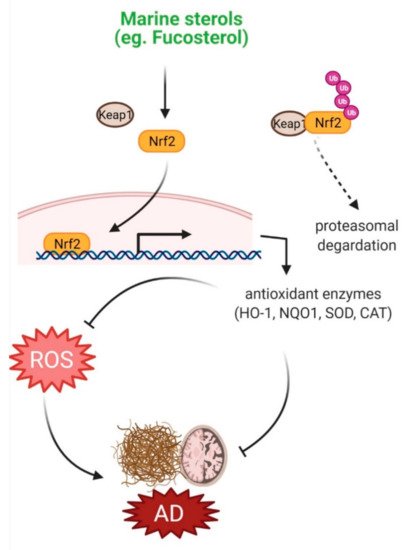
1. Protection against Oxidative Stress
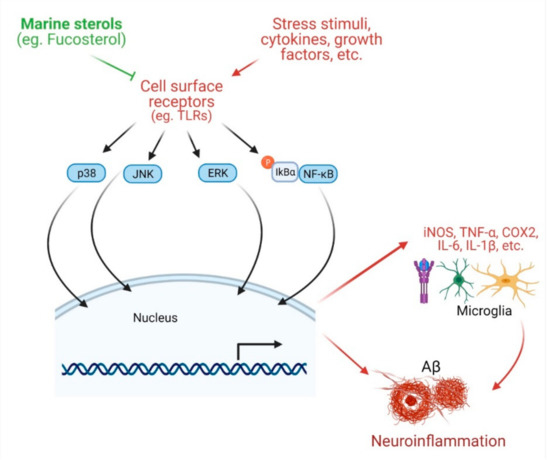
2. Protection against Neuroinflammation
3. Marine Sterols as Cholinesterase Inhibitors
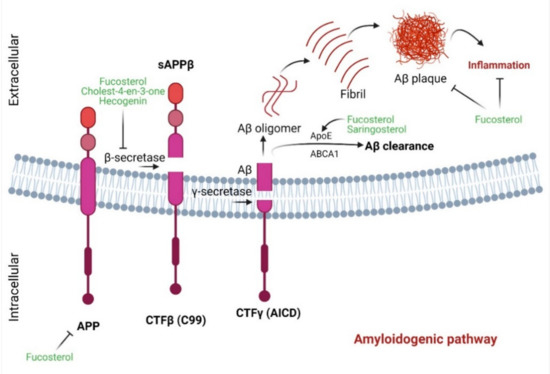
4. Marine Sterols as β-Secretase Inhibitors
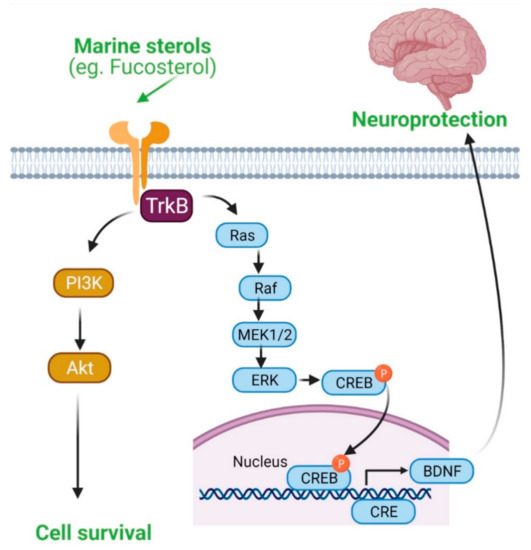
5. Marine Sterols as Neuroprotective Agent
6. Marine Sterols as Regulators of Cholesterol Homeostasis
This entry is adapted from the peer-reviewed paper https://doi.org/10.3390/md19030167