Phyllodes tumors are rare fibroepithelial neoplasms of the breast, and their malignant forms present significant diagnostic and therapeutic challenges. This review summarizes current knowledge across the benign-to-malignant spectrum, focusing on diagnostic approaches, histopathological classification, molecular alterations, and treatment strategies. While recent molecular studies have revealed recurrent genetic mutations, their clinical implications remain under investigation. Surgical excision remains the cornerstone of treatment, and systemic therapies are generally adapted from soft tissue sarcoma protocols. Future efforts should focus on improving diagnostic accuracy, identifying molecular targets for therapy, and fostering international collaboration to advance clinical research in this rare tumor type.
Breast cancer remains a major global health issue, with most research focused on invasive ductal carcinoma, which comprises most breast malignancies. This emphasis has led to significant therapeutic progress, including agents like capecitabine [
1], trastuzumab deruxtecan (Enhertu) [
2], and datopotamab deruxtecan [
3], as well as personalized treatments informed by genetic testing for mutations such as
PIK3CA and
AKT [
4]. In contrast, rare tumors such as phyllodes tumors (
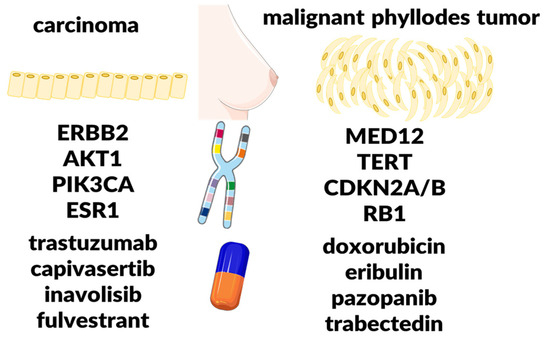
Figure 1), which represent less than 1% of breast neoplasms [
5], remain understudied despite their diagnostic and therapeutic complexities. Malignant phyllodes tumors, in particular, may exhibit aggressive behavior with high recurrence and metastatic potential.
Figure 1. Comparison of molecular alterations and representative systemic therapies in breast carcinoma and malignant phyllodes tumor.
The scarcity of large-scale clinical trials and standardized guidelines has contributed to uncertainty in managing these tumors. Their histological overlap with both benign lesions like fibroadenomas and aggressive entities like metaplastic carcinomas or sarcomas further complicates diagnosis and treatment planning as per community standards. In addition, incomplete understanding of their biological behavior [
6], particularly in borderline and malignant variants, hampers prognostication and therapy [
7].
Although recent advances in molecular profiling have shed light on the genetic drivers of phyllodes tumors [
8], clinical translation remains limited. Unlike common breast cancers, where targeted therapies have reshaped management, comparable strategies for malignant phyllodes tumors are still in early stages. This review aims to synthesize current evidence on phyllodes tumors, focusing on malignant subtypes, with the goal of informing clinical practice and identifying directions for future research.
This entry is adapted from the peer-reviewed paper https://doi.org/10.3390/encyclopedia5040157