
This study investigated the enhancement of Topic-Specific Pedagogical Content Knowledge (TSPCK) among Life Sciences educators, with a particular focus on cellular respiration. The research identified a paucity of studies on this topic, especially within South African educational settings, thereby emphasizing the challenges educators and learners face. The lesson study approach has been identified as an effective strategy for enhancing educators' TSPCK. The research explored how to enhance educators' TSPCK on the topic of cellular respiration, how to incorporate this understanding into lessons, and offered valuable insights on how to use TSPCK successfully. This research will contribute to developing effective teaching approaches for cellular respiration and offer insights for initiatives aimed at advancing Life Sciences education in South Africa. The findings revealed that educators utilize contextualization, differentiated teaching, collaborative planning, and a focus on conceptual understanding. Through the improvement of lesson designs, assessment methodologies, technological integration, and an emphasis on critical thinking and problem-solving, educators refined their cellular respiration-TSPCK components. The lesson study approach enhances leaner learning, bolsters educator confidence, and fosters sustained professional development. The results of this study will enhance educator professional development, impact curriculum design, and promote teaching and learning methodologies.
- Topic Specific Pedagogical Content Knowledge (TSPCK)
- lesson study approach
- educator professional development
1. Introduction
Educators play a vital role in learning, yet their expertise and understanding remain insufficiently explored [1]. This lack of insight is worrisome given educators' crucial influence on learner achievement, engagement, and overall educational experience [2]. Limited understanding hampers their teaching effectiveness, professional growth, and educational policy development [3]. Additional research into educators' competencies and methodologies is essential to bolster their development. Collaboration between educators, scholars, and policymakers can foster improved teaching and learning outcomes [4]. The nexus between learning outcomes and Pedagogical Content Knowledge (PCK) is of particular interest to curriculum advisors and researchers [5]. PCK encompasses the specialized understanding required to teach specific subjects, integrating content knowledge and pedagogical strategies [6]. It is a complex construction shaped by various classroom factors [7]. Unraveling this intricacy is a daunting task due to the multitude of elements influencing the teaching-learning process [8].
Educators' knowledge is intricate and shaped by their ideologies, values, and beliefs [9]. These beliefs influence classroom strategies and teaching approaches, impacting the emphasis on social justice or learner-centered methodologies. Additionally, environmental elements like learner diversity and curriculum demands affect teaching practices [10]. Classroom dynamics, such as technology use and class size, further influence teaching and learning processes. These aspects can present obstacles or opportunities; for example, educators might adjust lessons for diverse learners or balance curriculum guidelines with their pedagogical principles [11]. Recognizing these interactions is important for creating teaching strategies, boosting professional development, and improving learning results [12]. Collaboration between educators and researchers is vital in establishing effective, inclusive learning environments by addressing the intricate relationships between teaching, learning, and educators' experiences [13]. Collective efforts can enhance the understanding of educators' knowledge and its impact on learning [14]. Investigating connections between Pedagogical Content Knowledge (PCK), learning outcomes, and educators' capabilities can lead to more effective teaching strategies and better educational experiences [15]. Teaching is multifaceted and requires insights from multiple disciplines. Effective teaching involves a comprehensive understanding of the subject matter and the ability to communicate complex concepts clearly. PCK, which combines pedagogical and subject knowledge, is essential for educators [16][17]. Pedagogical knowledge includes teaching techniques and classroom management [18], while content knowledge relates to subject expertise [19]. PCK enables educators to present complex ideas engagingly [20] and evolves with the educators' experience [21]. Curriculum knowledge is a significant component of Pedagogical Content Knowledge (PCK), encompassing the understanding of curriculum goals [22][23]. Educators with a strong grasp of curriculum content can craft lesson plans that align with curriculum standards [24]. PCK is foundational for effective teaching, aiding in improved learning outcomes [25].
Veal and MaKinster [26] pointed out the lack of a hierarchical framework for Pedagogical Content Knowledge (PCK). They formulated a taxonomy to illustrate the connections between its elements. The taxonomy begins with a broad, general PCK, narrows down to domain-specific PCK for areas such as Life Sciences and Mathematics, and finally, focuses on topic-specific PCK for subjects within a domain. This structure enhances comprehension of PCK's complexity. In scientific education research, topic-specific PCK, or TSPCK as Mavhunga and Rollnick [27] describe, is essential. TSPCK involves an educator's skill to transform subject matter into comprehensible and meaningful formats for learners, utilizing effective teaching strategies and analogies [28]. Educators leverage TSPCK to facilitate learner understanding. Research has emphasized educators' PCK proficiency, with studies on TSPCK conducted by Mavhunga and van der Merwe [29] and Ndlovu and Malcolm [30], while others, like Fernandez [31], delve into PCK. TSPCK pertains to the nuanced knowledge required for teaching a specific subject, unlike PCK, which focuses on a broader subject level [32]. This body of research enhances understanding of PCK and TSPCK, particularly in teaching Cellular respiration, guiding teaching approaches, and educational resources. South African educational research emphasizes TSPCK in disciplines like genetics and physics, with studies by Mavhunga and van de Merwe [29] examining pre-service teachers in various sciences, and Mazibe, Coetzee, and Gaigher (2018) investigating motion graphs. TSPCK in genetics teaching has been analyzed by Mapulanga, Ameyaw, Nshogoza, and Sinyangwe (2023).
Initiatives to enhance educators' TSPCK, such as Mapulanga et al.'s [33] research in Zambia, are advancing the field. There is increasing interest among educators both in South Africa and internationally to comprehend and enhance TSPCK [34]. Studies indicate that investigating educators' TSPCK across various fields can improve teacher training and boost student learning outcomes. However, there is a notable shortage of research on TSPCK among South African Life Sciences educators, especially on cellular respiration, which poses teaching and learning difficulties in Grade 11 [35]. This gap emphasizes the need for further research. Lesson study, a collaborative teaching refinement method originating in Japan, has shown positive impacts on student learning [36]. It encourages ongoing teaching improvement through collaboration, inquiry, and reflection [37]. Educators' TSPCK significantly influences effective classroom decisions. Therefore, investigating this for South African Life Sciences educators, particularly for challenging topics like cellular respiration, is crucial [38]. This study seeks to explore the impact of lesson study on the enhancement of TSPCK and the improvement of teaching techniques in Grade 11 cellular respiration.
2. Materials and Methods
2.1. Research design
This study used a qualitative research technique to delve deep into the transformative power of the lesson study approach in enhancing Grade 11 educators' Topic-Specific Pedagogical Content Knowledge (TSPCK) in the intricate realm of cellular respiration [39]. The study meticulously focused on the preparation of transcripts, delivery of teaching sessions, insightful reflection activities, and both individual and collaborative content representation. The deliberate choice to concentrate on cellular respiration stemmed from the significant challenges educators and learners face in decoding this complex and abstract concept. The study used a lesson study design, which is collaborative and iterative. This method was selected for its suitability in improving teaching practices. It consists of five cyclical steps [40].
2.2. Sampling
Convenience sampling was used to select six Grade 11 Life Sciences educators from the Mankweng Circuit in the Capricorn South District to take part in a study. Twelve schools' six educators participated in required lesson study sessions. Two PLCs (Professional Learning Communities) were established.
PLC 1 included three schools (M, K, and C) located 10-15 km apart, with 1000-1900 learners each. These schools had basic facilities, motivated female principals supporting collaborative teaching improvements, and a mix of new and experienced educators.
PLC 2 comprised three semi-urban schools (N, W, and T) with 1000-1350 learners each. Male principals led these schools, with School T providing free classrooms for after-hours study sessions. The DH at School T coordinated the study.
The six educators (T1 to T6) represented diverse backgrounds, qualifications, and teaching experiences. Data collection focused on understanding how lesson study influenced educators’ TSPCK. Demographic factors like gender showed no impact on teaching or learning outcomes, aligning with research indicating no gender gap in STEM education.
2.3. Data collection
Lesson planning occurred three weeks before the lesson study. Educators completed the lesson preparation checklist [41] using a uniform template to ensure equal opportunity in conveying their TSPCK [42].
The lesson involved one educator delivering the scheduled lesson to Grade 11 Life Sciences learners while the researcher and other participants observed and took notes.
After lessons were taught, there was a post-lesson reflection and discussion. Open-ended questionnaires were used to collect data from educators, offering freedom of expression on their understanding. The questionnaire comprised two sections, one focusing on educators’ demographic data [43], the other on lesson delivery, timing, content, and reflections on areas needing improvement.
2.4. Data analysis
We used a deductive analysis to categorize lesson planning responses into emergent themes and conclude from detailed recordings during team planning [44]. Observation data from teaching were descriptively analyzed and summarized alongside class presentations, and findings were aligned with relevant thematic frameworks [45]. Data from open-ended questionnaires in lesson discussions were split into basic units and thematically categorized for a comprehensive summary [46].
2.5. Quality criteria
Rigor was ensured through four standards: credibility, transferability, dependability, and confirmability [47], guaranteeing trustworthy findings. Triangulation enhanced credibility by cross-verifying data from different sources [48]. Credibility also relied on comfort with data sources [49]. Participants gave consent for data collection, and prolonged engagement built trust [49][50]. Transferability was achieved by detailing the research context and methodology, including participant information [50]. Reliability stemmed from a detailed methodology for replication [49] and was reinforced through coordinated schedules and plans for consistency until saturation [51]. Method and results consistency was reviewed [39]. Consulting literature confirmed interpretations, boosting reliability. Confirmability reduced researcher bias via sequential data [49]. Detailed data-gathering allowed for a conclusion assessment [52]. Participant validation and member checking ensured findings matched intentions [51]. Accurate data handling improved confirmability, transparency, and accountability [51].
3. Results
The study found that although all participants had degrees in life sciences, there were serious problems with the applicability and relevance of their knowledge. Interestingly, it was discovered that three educators had out-of-date undergraduate degrees, which may have a significant impact on their capacity to adopt and use innovative teaching techniques [53]. The CAPS strongly supports cutting-edge teaching strategies, like the creative lesson study approach, which is intended to significantly enhance educators' TSPCK for incredibly successful teaching in the challenging topic of cellular respiration [54].
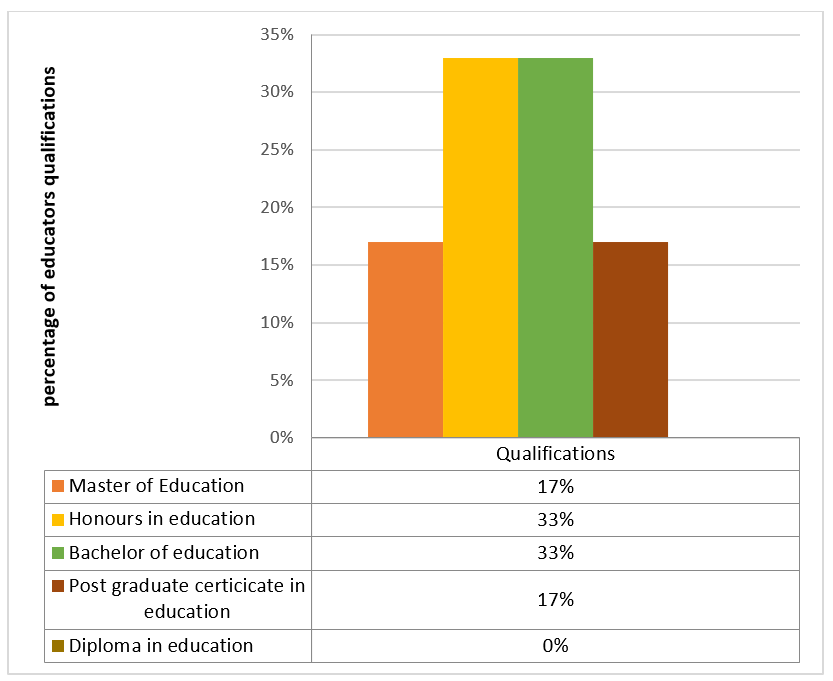
Figure 1. Participant’s qualifications.
As Figure 1 clearly shows, just 18 percent of educators concentrate exclusively on teaching Life Sciences. On the other hand, 82% of them are faced with the difficult challenge of balancing several different disciplines. They carefully work to balance the demanding criteria of the life sciences with the strict CASS specifications of other areas. Reflective teaching methods, which are essential for achieving professional success and quality, are in danger of being suppressed by this ever-increasing workload [55].
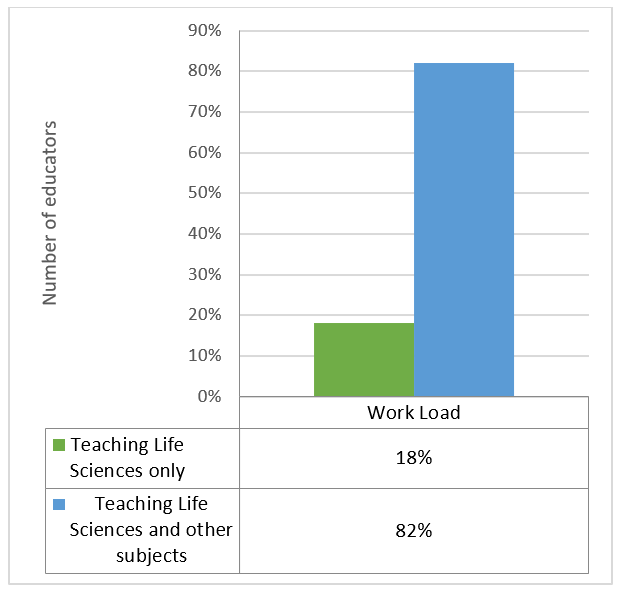
Figure 2. Participants' teaching load, Life Sciences, and other subjects.
As educators struggle to balance the demands of CASS and SBA with the difficult task of juggling many subjects, the constant strain of stress and exhaustion creates a significant barrier against the successful use of the lesson study technique. The quality of teaching is steadily diminished by this demanding atmosphere. Due to their overwhelming workload, our educators find it difficult to meet the high requirements, which in turn causes a discernible decline in educational quality and disengagement among learners. The obvious lack of time and resources is a barrier that prevents the adoption of critical reflective techniques that are necessary for ongoing professional development and teaching improvement. Sufficient materials are essential for both deep contemplation and collaborative lesson planning.
Nevertheless, stress's pernicious effects erode motivation, undermining the fundamental basis of lesson study. Overwhelming workloads significantly restrict possibilities for critical introspection and creative thought, stifling educators as they juggle the demanding requirements of CASS and SBA while teaching many subjects. It is essential to strategically manage workloads and create pathways to resources and opportunities for professional development to fully realize the potential of reflective teaching techniques. In the field of life sciences, effective workload management and the development of reflective skills are critical to improving teaching.
It becomes clear that ongoing professional development is essential to effectively communicating complex scientific ideas. Boundaries are pushed in TSPCK by customizing development programs to fit the distinct demographics of educators. The conversion of glucose into vital energy with necessary byproducts is made possible by a deep understanding of cellular respiration [56], which is a prerequisite for advancement in the life sciences and plays a crucial role in curriculum design [57]. Understanding the fundamentals of life processes requires a thorough understanding of cellular respiration.
To effectively teach cellular respiration, educators need to be knowledgeable about the subject and able to communicate its intricacies in an appealing way [57]. They ought to describe related phases such as the citric acid cycle, glycolysis, and oxidative phosphorylation. Educators must design engaging classes that accommodate a variety of learning preferences, including talks, hands-on activities, and visual aids to illustrate cellular respiration. When this subject is taught well, learners understand its biological significance, which encourages them to pursue life sciences coursework and develop a lifelong love of the natural world.
3.1 Lesson Planning Cycle
Lesson Study is a cutting-edge paradigm for professional development that educators have adopted with enthusiasm. Skilled PLC coordinators were carefully chosen to lead the effort from the beginning of the workshop. Alamri's (2020) well-known technique was used during the carefully organized 8-day sessions, fitting it with preexisting timetables without interfering with essential teaching duties. Coordinators were crucial in boosting dynamic participation and guaranteeing the smooth operation of the Lesson Study cycle, while participants' enthusiastic participation and perceptive consultation wonderfully highlighted their collaborative spirit. Comprehensive preparation, careful teaching techniques, and in-depth reflective sessions designed especially for Grade 11 Life Sciences were all part of this revolutionary approach, which wonderfully emphasized cooperative group synergy.
3.1.1 First lesson planning Cycle – PLC1
In a bold step, school principals implemented innovative changes to the first lesson study cycle schedules, allowing participants to deliberately prepare, teach, and reflect on two carefully constructed research lessons over a rigorous four-day period in Week 2. Even in the face of the simultaneous pressures of the School Governing Bodies' election week, this audacious research continued as planned. These crucial changes not only reduced the risk of participant fatigue but also demonstrated administrative support, which improved the cycle's effectiveness by allowing for a more thorough and meaningful planning process participation. Academic studies by Lewis, Perry, and Friedkin (2009), Fernandez and Yoshida (2012), and Anfara, Lenski and Caskey (2009) demonstrate how important it is to have enough time resources to carry out Lesson Study effectively. This visionary revised schedule, characterized by its early start times and purposefully shortened class periods, offered educators the crucial time they required for teamwork, demonstrating a dedication to cutting-edge teaching methods.
T2 noted significant improvements that were ascribed to collaborative planning.
T1 agreed, emphasizing the benefits
T4 noted that educators have now come to understand that Lesson Study serves a more expansive and revolutionary role in the educational landscape, going beyond the simple boundaries of performance evaluation.
T3 praised the novel's method in the lesson framework, highlighting it as an exemplary teaching strategy. He used diagrams for lactic acid and alcoholic fermentation (Figures 20 & 21), addressing learners' confusion on pyruvic acid conversion in plants vs. animals.
Figure 20. The diagram showing lactic acid fermentation as illustrated by T3.
Figure 21. The diagram showing alcoholic fermentation by T3.
T5 demonstrated extraordinary precision and unrivaled coherence, highlighting the very meticulous planning and brilliantly executed performance.
With a focus on improving learner comfort, participants carefully adjusted their teaching methods in response to insightful feedback. They also participated in deep reflection sessions as part of their usual academic schedule.
3.1.2 Second Lesson Planning Cycle PLC2
Building on the priceless knowledge gained from the first lesson planning cycle, participants made impressive strides in the second cycle. While closely following CAPS guidelines, they painstakingly created lessons that were transformative and focused on clearing up common misconceptions about cellular respiration. They created an insightful Grade 11 diagnostic report to transform the way lessons are taught by utilizing the combined brilliance of their knowledge, seasoned experiences, and the crucial input from motivated learners. To improve understanding, they created a series of eye-catching visual aids, such as incredibly comprehensive flow diagrams, which perfectly illustrate the steps, requirements, and end products of cellular respiration (figure 2 below). Additionally, they skillfully used charts and equations to illustrate the subtleties of aerobic respiration as well as the striking differences between lactic and alcoholic acid fermentation.
Figure 1: The process of aerobic cellular respiration as described by PLC 2
Despite significant progress, TSPCK's obvious shortcomings were made abundantly clear, especially in the crucial teaching of complex cellular respiration subtopics. Even though T2 conveyed his three years of expertise with remarkable confidence, the obvious lack of confidence on the part of others in this area caused serious worries and may have prevented productive conversations. Interestingly, studies by Lewis, Perry, and Friedkin (2009) and Fredman (2005) indicate that these intense fears can be caused by ingrained cultural or personal factors. But by the end of the discussion, in a dramatic change of pace, T1 eagerly offered to bravely lead the way by teaching the crucial third lesson at School M.
The participants carefully honed their teaching methods on the complex relationships between aerobic and anaerobic cellular respiration, with a particular emphasis on helping learners overcome the difficult obstacles associated with ATP yield complexities and a thorough comparison of the different stages. Once thought to be simple, the topic developed to show a maze of difficulties in the interpretation of chemical equations and the detection of byproducts from anaerobic reactions. An extensive end-of-chapter assessment was expertly created to reinforce understanding and mastery; yet some of the questions presented serious difficulties and required intense cognitive effort.
T2 anticipated that Question 2 would be quite complex, so he recommended the strategic application of sharp critical thinking abilities in conjunction with expressive verbal expressions to successfully negotiate the difficulties.
Figure 2: An extensive end-of-chapter assessment, Question 2 as used by PLC 2
While T2 painstakingly explored the intricacies of the citric acid cycle and oxidative phosphorylation, T3 audaciously incorporated a broad array of energy flow stages, creating a vibrant tapestry of energetic advancement. However, this bold strategy unintentionally led to a significant level of misinterpretation, generating a dynamic tension between complex scientific procedures and their interpretation.
The conversation was greatly enhanced by T1's active engagement with advisers to obtain their perspectives. Even though the discussion was intense, there was no quick fix, which allowed for further research and deliberation.
An insightful flow diagram was meticulously crafted and unveiled as a pivotal tool designed to thoroughly assess and deepen understanding of the intricate stages of cellular respiration. With resounding endorsement from T5, praised for its unparalleled visual clarity, this tool stands as a beacon of learning innovation. Meanwhile, T2 and T3 passionately dedicated themselves to intensive exploration, conducting comprehensive additional research to significantly enhance their TSPCK. This exemplary commitment powerfully underscores the paramount importance of reflective practice as an indispensable catalyst in dramatically advancing the effectiveness of future teaching endeavors.
The detailed lesson plan revealed a unique and creative structure that cleverly included interactive tests and dynamic flow charts that were carefully designed to enthrall and involve learners. In addition to creating a strong sense of ownership among participants, this innovative and cooperative approach expertly adapted the lesson to each learner's particular needs. As a result, it created a dynamic, learner-centered setting that was highly concentrated on the complex mechanisms of glycolysis as well as the respiratory and metabolic systems.
Conciseness: Redundancy was removed without sacrificing important information. This is one of the primary improvements.
Structure: Carefully arranged to improve flow and readability.
Clarity: Converted difficult phrases into understandable and clearer thoughts.
Engagement: To guarantee steadfast authenticity and engagement, dynamic active voice and poignant direct citations were used.
3.2. The First and second lessons teaching PLC 1
The research team struggled to meet the 1:30 educator-to-learner ratio set by the Department of Basic Education. Initially, T1 was nervous, but became more relaxed and excited with a larger observer group than usual. This novelty has likely increased motivation. All participants arrived on time, ensuring a smooth lesson. After a break, everyone was seated early, and learners were punctual due to prior notification and an early bell. Observers received an observation tool, a lesson plan, and a worksheet. The lesson on cellular respiration aimed to cover definitions, stages, and comparisons of aerobic and anaerobic cellular respiration, among other goals. T1 lacked understanding of inclusion and Language Across the Curriculum (LAC), affecting learners from diverse backgrounds. This gap may hinder engagement for non-dominant language speakers and limit culturally sensitive methods. Forsman, Bendtsen, Björklund, and Pörn [58] highlighted, inclusive practices and linguistic support are crucial for equitable learning opportunities. Educators must grasp LAC's importance in lesson planning.
Learners are expected to comprehend the following lesson objectives:
- Elucidate the phases of cellular respiration, encompassing glycolysis, the citric acid cycle, oxidative phosphorylation, and pyruvate oxidation.
- Define essential terms, including glycolysis, oxidative phosphorylation, aerobic and anaerobic cellular respiration, and identify products such as carbon dioxide, water, ATP, and reactants like glucose and oxygen.
- Expound on ATP production and its significance.
- Differentiate between aerobic and anaerobic cellular respiration in terms of oxygen presence and resultant products.
- Appreciate the significance of cellular respiration in furnishing energy for cellular activities.
T1 initiated an exercise designed to observe cellular respiration, addressing all objectives while engaging learners in a comprehensive analysis. Participants completed various activities and responded to inquiries regarding the locale of cellular respiration, anaerobic cellular respiration in yeast and muscle cells, and types of respiration. T2 and T3 extended assistance to some learners despite the provided instructions. Learners presented their responses on the board, with varying levels of precision. This session underscored two key concepts: the stages of cellular respiration and its types under different conditions. Although some learners grappled with specifics, the overall understanding was achieved. T1 delivered the lesson with clarity, albeit time limitations impeded full integration. Observations indicated active engagement with the concepts of cellular respiration, thus fulfilling the educational objective.
3.2.1 The first lessons teaching PLC 1
Even under the critical eye of her department head, T3 maintained her unflinching confidence throughout the painstakingly planned first lesson. Each participant demonstrated punctuality by coming together when the final session started on time at 13:15. While T3 skillfully coordinated the distribution of carefully prepared teaching materials, the researcher diligently made sure that each observer was properly armed with essential instruments. Participants enthusiastically engaged in the learning process while being carefully tasked with the articulation and comparative examination of the complexities of cellular respiration. However, the lengthy period spent on thorough board responses unintentionally delayed the session's early completion. T3 cleverly began the class by going over the nuances of plant and animal cells again, evaluating learners' past knowledge while shedding light on the essential organelles, like mitochondria, that are essential for cellular respiration. These fundamental elements painstakingly connected the complex idea of cellular respiration with the knowledge of cellular structure. In lesson 2, T5 explored glycolysis, the Krebs cycle, and oxidative phosphorylation with clarity and accuracy, using written and visual aids to significantly increase learners' understanding of these difficult ideas.
3.2.2 The second lesson teaching PLC 2
After a lengthy break, T1's expertly delivered second research lesson for PLC 2 at precisely 11:00 a.m. was greeted as a huge success. Learners demonstrated lively involvement, while some had trouble following the instructions. The lesson proceeded smoothly, following a meticulously planned lesson plan. The cellular respiration lesson was skillfully organized, using an interactive slide to engage learners and skillfully assess their understanding. This creative teaching method encouraged learners to identify later phases in the energy conversion process, which sparked their curiosity, sharpened their critical thinking, and prompted them to solve problems.
As noted in the first PLC 1 assessment, T1 and T3's failure to address inclusivity highlights the vital necessity for continual professional growth. By going over important content, including pyruvate oxidation, glycolysis, the citric acid cycle, and oxidative phosphorylation, the lesson sought to help learners understand the complexities of cellular respiration. Learners successfully distinguished between aerobic and anaerobic processes and recognized and contrasted the steps of energy conversion. This session had a higher degree of learner-centeredness than T3's previous lesson and demonstrated T3's assured and methodical teaching strategies despite time restrictions. The fact that participants were actively involved and achieved their learning goals highlights how important it is for educators to be flexible and seek ongoing professional development to guarantee the efficacy of their teaching methods.
3.3 First lesson study cycle 1 post-lesson reflection and lesson discussion
After the lively delivery of lesson presentations, participants, including prominent presenters T1 and T3 as well as a varied group of observers, gathered once more for an intense period of introspection on the fifth day of this eye-opening research journey. In a session skillfully facilitated by T5, participants enthusiastically shared their thoughts after the presentation. T3 enthusiastically praised the careful content execution and the deft research adaptation at school K, which was especially designed to satisfy the changing demands of the learners. In the meantime, T4 wisely noted that even if the tasks were displayed on charts, T3 diligently kept writing them on the board to guarantee comprehension and participation. The session chair wisely called on everyone to concentrate and concentrate on the lesson content, steering away from personal remarks.
In an open time of reflection, T1 expressed a mixed feeling of satisfaction and worry about a far too wide range of subjects, specifically mentioning the complex topic of aerobic cellular respiration. T6 complimented T1's teaching for its enlightening clarity and made the innovative suggestion to incorporate chemical formulas into diagrams. T3 reinforced a solid foundation of earlier knowledge by highlighting the critical importance of understanding cellular structures by the eleventh grade. In yet another crucial observation, T2 argued that future classes should more clearly distinguish between anaerobic cellular respiration in muscles and yeast, highlighting the apparent misunderstanding among learners. Other participants' quiet remarks were probably a result of their inexperience in giving constructive criticism, which is a skill that must be developed.
3.4. Second lesson study cycle 2: post-lesson reflection and lesson discussion
The participants excitedly gathered after the stimulating presentation of the research lessons, prepared to engage in in-depth contemplation and significant improvement of these teachings. The second class was carefully designed to address the shortcomings found in the first lesson. After completing a full cycle, participants engaged in lively discussion about the improvements and their improved understanding of the lesson study process. This life-changing event greatly strengthened their abilities and increased productivity. They focused intently on the intricate and varied subject of cellular respiration during these contemplative sessions, examining its several stages as well as its aerobic and anaerobic components.
The great complexity of processes like oxidative phosphorylation, glycolysis, and the citric acid cycle was highlighted by T3, who eloquently described his enormous difficulty in teaching about the complexities of cellular respiration. Despite these enormous obstacles, their combined efforts produced innovative and ground-breaking teaching strategies. T1 strongly agreed, noting that learners continue to find these processes confusing and highlighting the vital need for thorough teaching that incorporates visual flow diagrams. By fearlessly taking on challenging subjects and tirelessly sharing creative approaches, participants demonstrated their unwavering dedication to transforming teaching practices and expanding learners' comprehension. The lesson study's cherished collaborative attitude was regarded as an essential facilitator, enabling educators to successfully address teaching issues and continuously improve their techniques.
4. Discussion
According to the study's findings, lesson study is a useful strategy for improving educators' TSPCK in the life sciences, especially when it comes to teaching cellular respiration. Educators who took part in the study reported better lesson planning, more effective teaching techniques, and a deeper comprehension of the subject matter. Lesson study's collaborative approach promoted peer learning, enabling educators to improve their techniques, clear up misunderstandings, and include learner-centered approaches.
The results are consistent with earlier studies by Stols & Ono [59] and Sekao & Engelbrecht [60], which emphasize the value of lesson study in enhancing teaching proficiency. Similarly, lesson study promotes teamwork and encourages inquiry-based learning, according to Takahashi & McDougal [61]. According to Boz & Belge-Can [62] and Lampley, Gardner & Barlow [63], lesson study improves pedagogical content understanding by empowering educators to adapt their lessons to the needs of their learners.
When comparing studies conducted in various educational contexts, however, disparities were noted. For instance, studies by Yamnitzky [64] and Mon, Dali, and Sam [65] highlighted how lesson learning is ingrained in Japanese educational culture, where planned cycles are commonplace. The South African school system, on the other hand, has difficulties implementing because of lack of awareness, time restrictions, and resource limitations. Furthermore, although Hill, Schilling, and Ball [66] emphasized the value of lesson study in developing mathematical thinking, this study concentrated on how it affects the teaching of life sciences.
By illustrating how lesson study may be modified for various educational contexts to enhance pedagogical topic understanding, the study makes a substantial contribution to the knowledge enterprise. Beyond traditional workshop-style professional development, its incorporation into professional learning communities (PLCs) provides an organized, iterative method for improving teaching techniques. Peer observation, introspection, and feedback systems guarantee ongoing learning, which eventually improves the caliber of teaching provided by teachers.
Lesson study helps educators provide learner-centered teaching by encouraging inquiry-based learning, group planning, and self-reflection. The study emphasizes how crucial it is to comprehend learners' past knowledge, fill in conceptual gaps, and relate cellular respiration to practical applications. It also emphasizes how important it is for school management teams to provide organized support to guarantee successful implementation.
The results imply that broadening the scope of lesson study beyond the life sciences to include other areas could improve teaching methods even more, especially when it comes to difficult scientific ideas that call for a profound conceptual grasp. Maintaining its influence will require incorporating it into professional development frameworks, training on lesson study cycles, and including policymakers.
5. Conclusions
Lesson study is a dynamic combination of teamwork, astute observation, and careful reflection that can significantly advance the professional growth of educators. The significant influence that lesson study cycles have on enhancing educators' TSPCK in the life sciences is highlighted by this important investigation, which was carried out in the Capricorn South District schools. Lesson study's strong ability to enhance teaching quality is unquestionably confirmed by the transformative results, which also establish it as a creative, educator-led, grassroots effort that daringly opposes the conventional top-down professional development paradigms.
As Ugbe, Bessong, and Agah (2010) emphasized so forcefully, educators are the cornerstone of the enormous responsibility of promoting learner accomplishment; therefore, their unwavering pursuit of professional development is necessary. However, they are continuously confronted with persistent problems like the unrelenting strain of time restraints, the enormous weight of heavy workloads, and a conspicuous lack of research experience. The most significant benefits are reaped by educators who approach lesson study with true openness and proactive participation, highlighting the crucial necessity of carefully considering their attitudes and personalities during its thoughtful implementation.
This study is a groundbreaking investigation in South African secondary schools that focuses specifically on life science educators. It makes a significant academic contribution by highlighting the critical role that TSPCK plays in the dynamic and successful teaching of cellular respiration. With the active participation of School Management Teams (SMTs), the institutionalization of lesson study as a transformative approach to school-based development has the potential to completely reform educator preparation and promote long-term advancements in teaching strategies. To further understand the significant influence of lesson study on PCK in the context of teaching life sciences, more focused research is essential. According to current research, it has the potential to significantly improve learning outcomes, significantly improve teaching methods, and significantly boost educators' TSPCK, all of which would lead to long-lasting improvements in the realm of science education.
References
- Celik, I., 2023. Towards Intelligent-TPACK: An empirical study on teachers’ professional knowledge to ethically integrate artificial intelligence (AI)-based tools into education. Computers in human behavior, 138, p.107468.
- Kangwa, D., Msafiri, M.M., Wan, X. and Fute, A., 2024. Discover Education. Discover, 3, p.156.
- Smith, C. and Gillespie, M., 2023. Research on professional development and teacher change: Implications for adult basic education. In Review of Adult Learning and Literacy, Volume 7 (pp. 205-244). Routledge.
- Khalifa, M., Alrasheed, R. and Aldada, A.M., 2023. Education in light of the sustainable development goals in the Kingdom of Bahrain” an analytical study. Education, 12(4), pp.1-2023.
- Brandt, J.O., Bürgener, L., Barth, M. and Redman, A., 2019. Becoming a competent teacher in education for sustainable development: Learning outcomes and processes in teacher education. International Journal of Sustainability in Higher Education, 20(4), pp.630-653.
- Behling, F., Weidenhiller, P., Förtsch, C. and Neuhaus, B.J., 2025. Improving pre-service biology teachers’ lesson-planning skills, with a focus on academic and science language in biology on the basis of the refined consensus model of PCK. International Journal of Science Education, pp.1-32.
- Minken, Z., Macalalag Jr, A.Z., Clarke, A., Marco-Bujosa, L.M. and Rulli, C., 2021. Development of Teachers' Pedagogical Content Knowledge during Lesson Planning of Socioscientific Issues. International Journal of Technology in Education, 4(2), pp.113-165.
- Mukhopadhyay, M. and Kundu, A. eds., 2023. Academic Framework for 21st-Century Schooling: Promoting Global Peace and Harmony: Promoting Global Peace and Harmony. IGI Global.
- Clandinin, D.J. and Husu, J., 2022. Personal practical knowledge in teacher education. In Encyclopedia of teacher education (pp. 1252-1257). Singapore: Springer Nature Singapore.
- Tomlinson, C.A. and Jarvis, J.M., 2023. Differentiation: Making curriculum work for all students through responsive planning & instruction. In Systems and models for developing programs for the gifted and talented (pp. 599-628). Routledge.
- Qorib, M., 2024. Analysis Of Differentiated Instruction As A Learning Solution In Student Diversity In Inclusive And Moderate Education. International Journal Reglement & Society (IJRS), 5(1), pp.43-55.
- Cojorn, K., 2024. A collaborative professional development and its impact on teachers' ability to foster higher order thinking. Journal of Education and Learning (EduLearn), 18(2), pp.561-569.
- Eden, C.A., Chisom, O.N. and Adeniyi, I.S., 2024. Parent and community involvement in education: strengthening partnerships for social improvement. International Journal of Applied Research in Social Sciences, 6(3), pp.372-382.
- Olsher, S., Abdu, R. and Shalata, M., 2025. The relationships between student content-specific grouping and teachers-students’ interactions during online collaborative mathematical task solving. Educational Studies in Mathematics, pp.1-20.
- Maun, D., Sharma, P. and Hung, T.H., 2025. Current Trends and Best Practices of How In-Service Teachers Can Develop and Apply PCK in Social Sciences. In Current Trends and Best Practices of Pedagogical Content Knowledge (PCK) (pp. 213-236). IGI Global Scientific Publishing.
- Han, J., Zhao, Y., Liu, M. and Zhang, J., 2021. The development of college English teachers’ pedagogical content knowledge (PCK): From general English to English for academic purposes. Asia Pacific Education Review, pp.1-13.
- Shulman, L.S., 2015. PCK: Its genesis and exodus. In Re-examining pedagogical content knowledge in science education (pp. 3-13). Routledge.
- Wolff, C.E., Jarodzka, H. and Boshuizen, H.P., 2021. Classroom management scripts: A theoretical model contrasting expert and novice teachers’ knowledge and awareness of classroom events. Educational psychology review, 33(1), pp.131-148.
- McCarthy, K.S. and McNamara, D.S., 2023. Knowledge: A Fundamental Asset. Grantee Submission.
- Nilsson, P., 2024. From PCK to TPACK-Supporting student teachers’ reflections and use of digital technologies in science teaching. Research in Science & Technological Education, 42(3), pp.553-577.
- Wang, L. and Zhan, F., 2023. Elaborating teachers’ pedagogical content knowledge from static and dynamic perspectives. Creative Education, 14(11), pp.2301-2312.
- Lee, S.J. and Kriewaldt, J., 2025. Where powerful knowledge and pedagogical content knowledge intersect: The case of knowledge and beliefs for teaching school geography through inquiry. International Research in Geographical and Environmental Education, 34(1), pp.79-94.
- Schubatzky, T., Haagen‐Schützenhöfer, C., Wackermann, R., Wöhlke, C. and Wildbichler, S., 2024. Navigating the complexities of student understanding: Exploring the coherency of students' conceptions about the greenhouse effect. Science Education, 108(4), pp.1134-1161.
- Iqbal, M.H., Siddiqie, S.A. and Mazid, M.A., 2021. Rethinking theories of lesson plan for effective teaching and learning. Social Sciences & Humanities Open, 4(1), p.100172.
- Ekiz-Kiran, B., Boz, Y. and Oztay, E.S., 2021. Development of pre-service teachers’ pedagogical content knowledge through a PCK-based school experience course. Chemistry Education Research and Practice, 22(2), pp.415-430.
- Veal, W.R. and MaKinster, J.G., 1999. Pedagogical content knowledge taxonomies. The Electronic Journal for Research in Science & Mathematics Education.
- Mavhunga, E. and Rollnick, M., 2013. Improving PCK of chemical equilibrium in pre-service teachers. African Journal of Research in Mathematics, Science and Technology Education, 17(1_2), pp.113-125.
- Ismail, M.H., Fadzil, H.M., Salleh, M.F.M., Saat, R.M., Kurniawan, C. and Hariyono, E., 2024. Investigating Science Teachers’ Instructional Practices: A Need Analysis for Preparing Integrated STEM Practices through Scientist-Teacher-Student Partnership (STSP). Asian Journal of University Education, 20(3), pp.630-644.
- Mavhunga, E. and van der Merwe, D., 2020. Bridging science education's theory–practice divide: A perspective from teacher education through topic-specific PCK. African journal of research in mathematics, science and technology education, 24(1), pp.65-80.
- Ndlovu, B.P. and Malcolm, S.A., 2022. Changes in pre-service teachers’ planned TSPCK in stoichiometry after a TSPCK-based practicum. African Journal of Research in Mathematics, Science and Technology Education, 26(2), pp.125-141.
- Fernandez, C., 2014. KNOWLEDGE BASE FOR TEACHING AND PEDAGOGICAL CONTENT KNOWLEDGE (PCK): SOME USEFUL MODELS AND IMPLICATIONS FOR TEACHERS’TRAINING. Problems of Education in the 21st Century, 60(1), pp.79-100.
- Akinyemi, O.S., 2020. Exploring the development of pre-service teachers’ Topic Specific PCK and its influence on learner outcomes (Doctoral dissertation).
- Mapulanga, T., Ameyaw, Y., Nshogoza, G. and Sinyangwe, E., 2023. Improving Secondary School Biology Teachers' Topic-Specific Pedagogical Content Knowledge: Evidence from Lesson Studies. Journal of Baltic Science Education, 22(1), pp.20-36.
- Copur-Gencturk, Y. and Han, A., 2025. How is teachers’ mathematical knowledge visible during classroom observations? Unveiling the role of different conceptualizations of content and pedagogical content knowledge in teaching. In Research Handbook on Classroom Observation (pp. 224-243). Edward Elgar Publishing.
- Kibirige, I., 2022. In-Service Teachers’ Performance Using Guided Inquiry Computer Simulations to Learn Cellular Respiration. Journal of Education Technology, 6(3), pp.542-547.
- Roorda, G., de Vries, S. and Smale-Jacobse, A.E., 2024, January. Using lesson study to help mathematics teachers enhance students’ problem-solving skills with teaching through problem solving. In Frontiers in Education (Vol. 9, p. 1331674). Frontiers Media SA.
- Ayantaş, T. and Gürgen, G., 2025. Building Collaboration Among Teacher Candidates in Higher Education: Developing Lesson Planning Competencies With Lesson Study (LS) Teams. In Developing Effective and High-Performing Teams in Higher Education (pp. 145-186). IGI Global.
- Allen, G.E. and Baker, J.J., 2017. Scientific process and social issues in biology education. Switzerland: Springer International Publishing.
- Creswell, J.W. and Poth, C.N., 2016. Qualitative inquiry and research design: Choosing among five approaches. Sage publications.
- Norwich, B., Baumfield, V., Dimitrellou, E., Katene, W. and Koutsouris, G., 2025. Exploring reflective practice through lesson study in the school-based practices of PGCE primary and secondary student teachers in a UK ITE programme. Reflective Practice, pp.1-17.
- Gorman, D.M., 1993. A review of studies comparing checklist and interview methods of data collection in life event research. Behavioral Medicine, 19(2), pp.66-73.
- Tuithof, H., Van Drie, J., Bronkhorst, L., Dorsman, L. and Van Tartwijk, J., 2023. Teachers’ pedagogical content knowledge of two specific historical contexts captured and compared. Educational Studies, 49(4), pp.686-711.
- Rock, T.C. and Wilson, C., 2005. Improving teaching through lesson study. Teacher education quarterly, 32(1), pp.77-92.
- Azungah, T., 2018. Qualitative research: deductive and inductive approaches to data analysis. Qualitative research journal, 18(4), pp.383-400.
- Mirhosseini, S.A., 2020. Doing qualitative research in language education. Springer Nature.
- Cohen, L., Manion, L. and Morrison, K., 2017. Action research. In Research methods in education (pp. 440-456). Routledge.
- Morrison, Z., Fernando, B., Kalra, D., Cresswell, K. and Sheikh, A., 2014. National evaluation of the benefits and risks of greater structuring and coding of the electronic health record: exploratory qualitative investigation. Journal of the American Medical Informatics Association, 21(3), pp.492-500.
- Torrance, E.P., 2017. Creativity research in education: Still alive. In Perspectives in creativity (pp. 278-296). Routledge.
- Shenton, A.K., 2004. Strategies for ensuring trustworthiness in qualitative research projects. Education for information, 22(2), pp.63-75.
- Springer, K., 2009. Educational research: A contextual approach. John Wiley & Sons.
- LoBiondo-Wood, G. and Haber, J., 2013. Integrating research, evidence-based practice, and quality improvement. Nursing research: Methods and critical appraisal for evidence-based practice, p.5.
- Bertram, C. and Christiansen, I., 2014. Understanding research. An introduction to reading research. Pretoria: Van Schaik Publishers.
- Madani, R.A., 2020. Teaching Challenges and Perceptions on STEM Implementation for Schools in Saudi Arabia. European Journal of STEM Education, 5(1), p.3.
- Chan, K.K.H. and Hume, A., 2019. Towards a consensus model: Literature review of how science teachers’ pedagogical content knowledge is investigated in empirical studies. Repositioning pedagogical content knowledge in teachers’ knowledge for teaching science, pp.3-76.
- Bawaneh, A.K., Moumene, A.B.H. and Aldalalah, O., 2020. Gauging the Level of Reflective Teaching Practices among Science Teachers. International Journal of Instruction, 13(1), pp.695-712.
- Songer, C.J. and Mintzes, J.J., 1994. Understanding cellular respiration: An analysis of conceptual change in college biology. Journal of Research in Science Teaching, 31(6), pp.621-637.
- Rahioui, F., Jouti, M.A.T. and El Ghzaoui, M., 2025. Study and Analysis of Students' Representations Regarding the Concept of Cellular Respiration. WSEAS Transactions on Biology and Biomedicine, 22, pp.169-180.
- Forsman, L., Bendtsen, M., Björklund, S. and Pörn, M., 2023. Language and literacy across and beyond the curriculum. In Developing a didactic framework across and beyond school subjects (pp. 220-231). Routledge.
- Stols, G. and Ono, Y., 2016. Lesson study: An implementation manual [online]
- Sekao, D. and Engelbrecht, J., 2022. South African primary mathematics teachers’ experiences and perspectives about lesson study. International Journal of Science and Mathematics Education, 20(7), pp.1431-1453.
- Takahashi, A. and McDougal, T., 2019. Using school-wide collaborative lesson research to implement standards and improve student learning: Models and preliminary results. Theory and practice of lesson study in mathematics: An international perspective, pp.263-284.
- Boz, Y. and Belge-Can, H., 2020. Do Pre-Service Chemistry Teachers' Collective Pedagogical Content Knowledge Regarding Solubility Concepts Enhance after Participating in a Microteaching Lesson Study?. Science Education International, 31(1), pp.29-40.
- Lampley, S.A., Gardner, G.E. and Barlow, A.T., 2018. Exploring pedagogical content knowledge of biology graduate teaching assistants through their participation in lesson study. Teaching in Higher Education, 23(4), pp.468-487.
- Yamnitzky, G.S., 2010. Elementary teachers' perspectives on the impact that lesson study participation had on their mathematical content and pedagogical-content knowledge. University of Pittsburgh.
- Mon, C.C., Dali, M.H. and Sam, L.C., 2016. Implementation of Lesson Study as an Innovative Professional Development Model among Malaysian School Teachers. Malaysian Journal of Learning and Instruction, 13(1), pp.83-111.
- Hill, H.C., Ball, D.L. and Schilling, S.G., 2008. Unpacking pedagogical content knowledge: Conceptualizing and measuring teachers' topic-specific knowledge of students. Journal for research in mathematics education, 39(4), pp.372-400.