
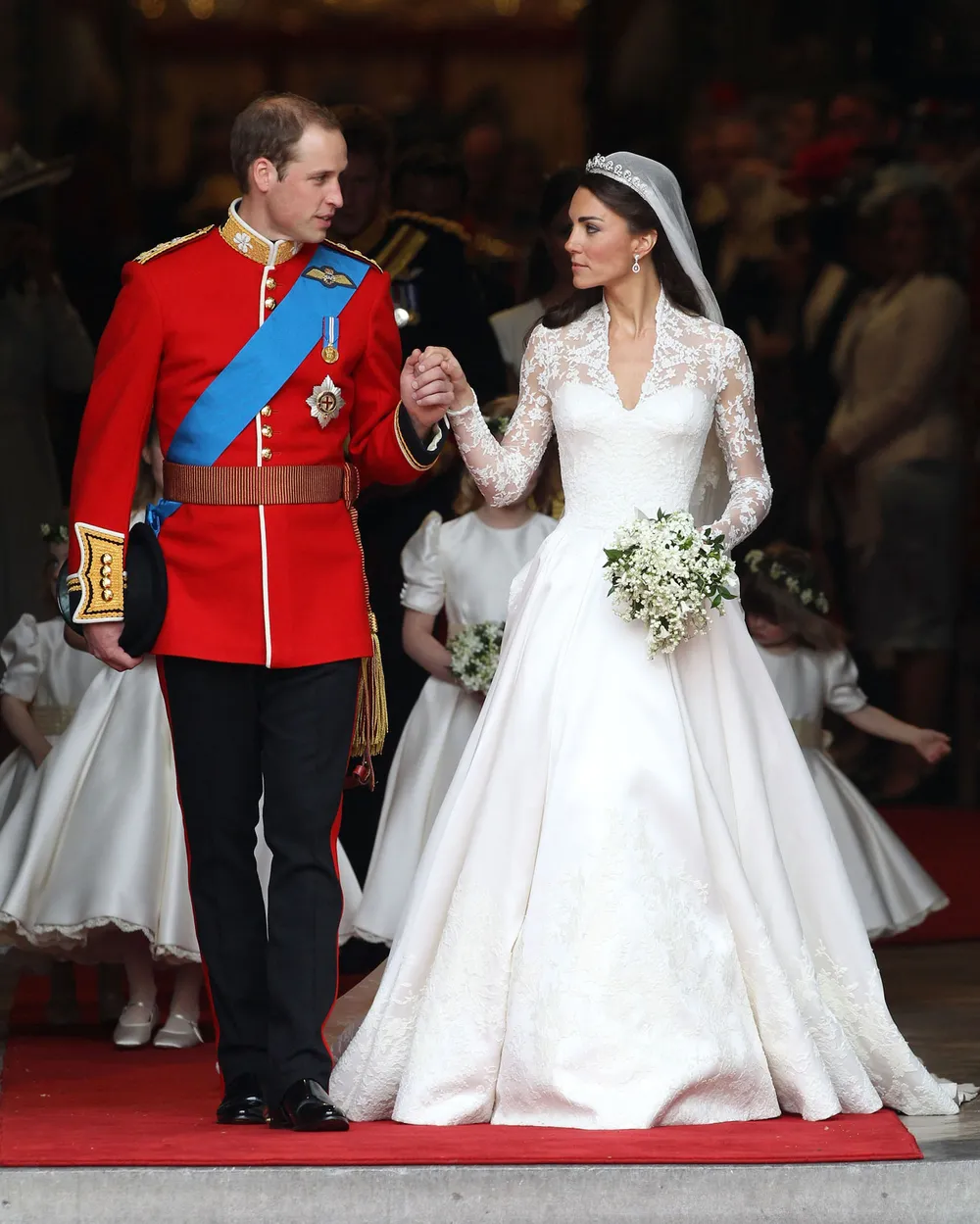
On April 29, 2011, the world paused to witness a remarkable event: the marriage of Prince William of Wales, second in line to the British throne, and Catherine Middleton, a young woman from a non-aristocratic background. The ceremony, held at the historic Westminster Abbey in London, was a celebration of love, tradition, and modern monarchy—and it became one of the most-watched events in television history.This wedding symbolized a h opeful, relatable future for the British Royal Family, blending centuries of royal tradition with the modern values of openness and relatability.
- royal wedding
- Prince William
- Catherine Middleton
1. A Love Story: From University Friends to Royal Couple
The story of William and Catherine began not with royal fanfare but in the more relatable setting of a university campus.
In 2001, both enrolled at the University of St Andrews in Scotland, where they studied art history and became friends before romance blossomed. According to reports, Catherine caught William’s eye during a charity fashion show where she modeled a sheer dress—a moment often described as the spark that led to their romance [1].
Their relationship faced the usual pressures of young love, compounded by relentless media scrutiny. At one point in 2007, they briefly split—an experience William later said strengthened their relationship, giving them the space to grow individually [2].
When William proposed during a trip to Kenya in 2010, he gave Catherine the blue sapphire and diamond ring that had belonged to his mother, Princess Diana—a poignant and deeply symbolic gesture [3].
Their engagement announcement was met with global excitement, fueling anticipation for what many began calling "the wedding of the decade."
Source: https://www.britannica.com/event/British-Royal-Wedding-of-2011/The-wedding
2. The Venue: Westminster Abbey
Westminster Abbey has long been central to royal life, serving as the coronation church since 1066 and hosting numerous royal weddings, including that of Queen Elizabeth II in 1947.
Choosing Westminster Abbey rooted William and Catherine’s marriage deeply in royal history while offering a grand yet intimate atmosphere for the service (Westminster Abbey Official Site).
The Abbey was lavishly decorated with seasonal flowers, including English field maples and hornbeams, chosen to create a natural, almost woodland-like atmosphere reflecting Catherine’s love of the English countryside [4].
3. Titles and Honors
On the morning of the wedding, Queen Elizabeth II bestowed new titles on the couple: The Duke and Duchess of Cambridge. In keeping with tradition, royal men are given peerages on their wedding day.
Later developments in 2022, following Queen Elizabeth II’s passing, would see William and Catherine elevated further, becoming The Prince and Princess of Wales.
4. Fashion That Changed Bridal Trends
One of the most anticipated elements of the day was Catherine’s wedding dress.
Designed by Sarah Burton for Alexander McQueen, the gown was a masterclass in blending tradition with modernity:
-
Lace appliqué featuring hand-cut roses, thistles, daffodils, and shamrocks.
-
A structured bodice, narrow waist, and flowing skirt.
-
A modest yet elegant 9-foot train—graceful but not overpowering.
Fashion critics praised the dress for its sophisticated balance between classic Victorian influences and contemporary bridal trends (V&A Museum, 2011).
Catherine’s dress quickly influenced bridal fashion worldwide, leading to a surge in lace-sleeved gowns and a revival of more traditional, romantic wedding styles.
Her jewelry choices, including the Cartier Halo tiara lent by Queen Elizabeth II, were understated and elegant, emphasizing her natural beauty and relatability.
5. The Ceremony: Tradition with Personal Touches
The service was led by the Dean of Westminster, with the marriage solemnized by the Archbishop of Canterbury, and the sermon delivered by the Bishop of London.
The ceremony included traditional hymns and music, but William and Catherine also added personal selections, such as:
-
"Guide Me, O Thou Great Redeemer"
-
"Jerusalem"
-
Newly commissioned choral works by British composers.
One memorable moment came when Catherine’s brother, James Middleton, delivered a reading from the Book of Romans, emphasizing love, devotion, and humility.
6. Procession and Balcony Moments
After the service, William and Catherine traveled via the historic 1902 State Landau carriage to Buckingham Palace, retracing a route lined with cheering crowds and waving Union Jack flags.
The iconic moment arrived when the couple appeared on the Buckingham Palace balcony.
The cheering crowds famously encouraged not one, but two kisses—a sweet, spontaneous moment captured by media outlets worldwide.
Later, the couple delighted royal watchers by departing the palace in Prince Charles's Aston Martin DB6, festooned with balloons, streamers, and a “Just Married” license plate—breaking royal formality with a splash of youthful fun.
7. Reception and Private Celebrations
Two receptions followed:
-
The Queen’s Lunchtime Reception, featuring a buffet and the cutting of an eight-tiered traditional fruitcake decorated with nearly 900 floral designs.
-
An Evening Dinner and Dance, hosted by Prince Charles, where around 300 close friends and family celebrated with speeches, dancing, and a more relaxed atmosphere.
In his speech, William joked affectionately about Catherine’s beauty, while Prince Harry reportedly delivered a mischievous, heartfelt toast to the newlyweds [5].
8. Global Reaction and Legacy
The wedding had a massive global impact:
-
2 billion viewers tuned in across 180 countries.
-
The British economy saw a boost, with an estimated £2 billion from tourism and memorabilia [6].
-
Over 5,500 street parties were officially registered across the UK [7].
Critically, the event refreshed the monarchy’s image. After years of public skepticism following the tumultuous 1990s, the royal wedding rekindled admiration and hope among younger generations.
The couple's approachability, humility, and genuine affection for each other came to symbolize a modern, relatable monarchy.
9. Life After the Wedding
Since 2011, William and Catherine have embraced both public service and family life with grace.
They have welcomed three children:
-
Prince George Alexander Louis (b. July 22, 2013)
-
Princess Charlotte Elizabeth Diana (b. May 2, 2015)
-
Prince Louis Arthur Charles (b. April 23, 2018)
Each child’s birth was celebrated worldwide, with George’s birth marking the future third in line to the throne.
William and Catherine have also championed key causes, including:
-
Mental health awareness (Heads Together campaign)
-
Early childhood development (The Royal Foundation Centre for Early Childhood)
-
Conservation and climate change (Earthshot Prize)
Their strong focus on mental health destigmatization, in particular, marks a profound cultural shift for the traditionally reserved royal institution [8].
10. A Modern Monarchy
Today, as The Prince and Princess of Wales, William and Catherine are poised to one day lead the monarchy.
Their steady, grounded public presence reassures many that the future of the Crown remains in caring and capable hands.
Where previous generations emphasized duty above all else, William and Catherine embody a more emotional, connected leadership style—grounded in family values, social responsibility, and global awareness.
Their story reminds the world that even amidst ancient tradition, human love, kindness, and modern ideals can flourish.
References
- BBC News. (2011). Royal Wedding watched by two billion worldwide.
- The Guardian. (2011). Prince William and Kate Middleton's Love Story.
- The Royal Household. (2010). The Engagement of Prince William and Catherine Middleton.
- The Royal Collection Trust. (2011). Wedding Flowers and Decorations.
- The Telegraph. (2011). Prince Harry’s Wedding Speech.
- VisitBritain. (2011). Royal Wedding Boost to UK Tourism.
- UK Government. (2011). Royal Wedding Street Parties.
- The Royal Foundation. (2021). The Royal Foundation Work.