
Learn what causes slough in a wound, how it affects healing, and effective ways to manage and treat it for better recovery outcomes.
- causes of slough in a wound
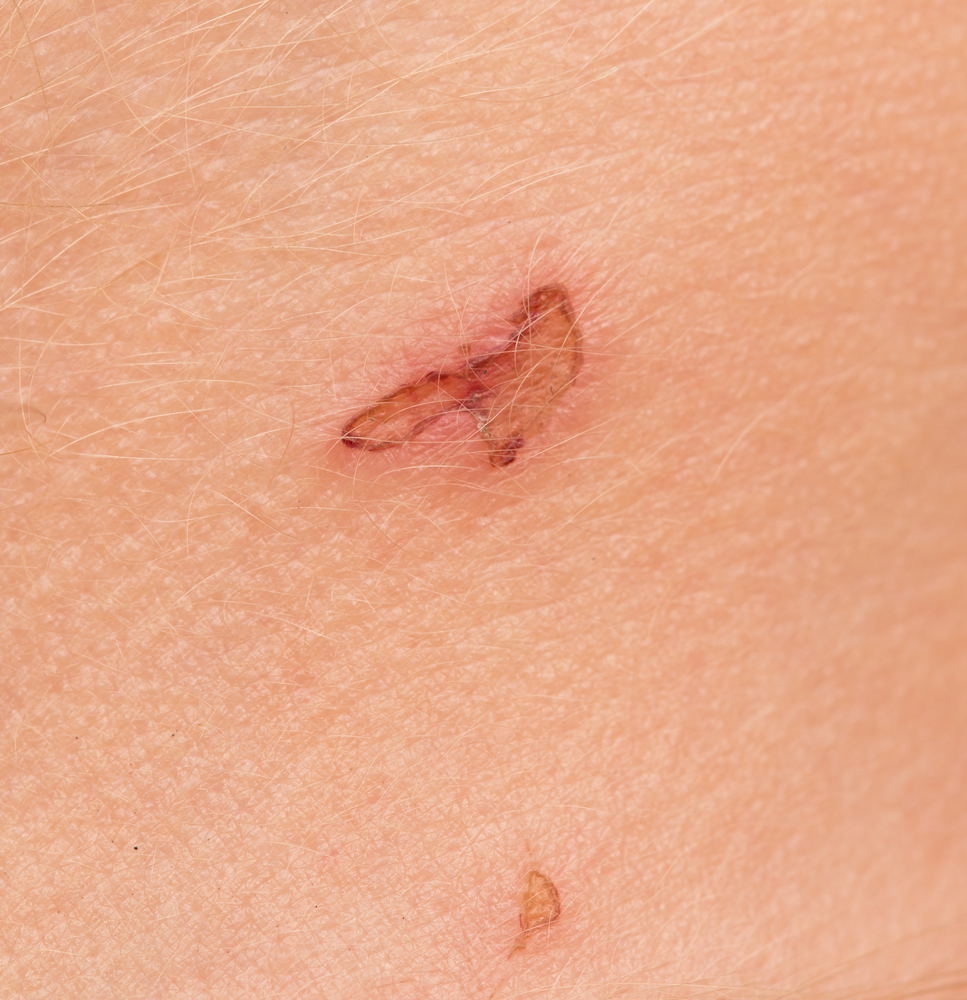
Slough is a common yet problematic occurrence in wound healing, appearing as a yellow, white, or grayish layer of dead tissue that delays recovery and increases infection risk. Understanding the causes of slough in a wound is crucial for proper wound management and faster healing.
In this comprehensive guide, we'll explore the key factors that lead to slough formation, how to identify it, and effective treatment strategies.
What is Slough in a Wound?
Slough is a combination of dead cells, fibrin, proteins, and bacteria that accumulates in a wound when the natural healing process is disrupted. Unlike healthy tissue, slough:
-
Appears moist, stringy, or leathery
-
May have a foul odor if infected
-
Delays wound healing by preventing new tissue growth
Recognizing and addressing the causes of slough in a wound early can prevent complications like chronic wounds and severe infections.
Primary Causes of Slough in a Wound
1. Poor Blood Circulation (Ischemia)
-
Why it causes slough: Reduced blood flow deprives the wound of oxygen and nutrients, leading to tissue death.
-
Common in: Diabetes, peripheral artery disease (PAD), venous insufficiency.
-
Signs: Cold limbs, weak pulses, slow healing.
2. Bacterial Infection & Biofilm Formation
-
Why it causes sloughing: Bacteria create a protective biofilm, trapping dead cells and preventing healing.
-
Common pathogens: Staphylococcus, Pseudomonas, Streptococcus.
-
Signs: Increased pain, redness, pus, foul smell.
3. Excessive Moisture (Maceration)
-
Why it causes sloughing: Too much fluid breaks down healthy tissue, creating a breeding ground for bacteria.
-
Common in: Chronic wounds with heavy exudate.
-
Signs: White, soggy skin around the wound.
4. Necrotic Tissue (Dead Skin & Cells)
-
Why does it cause sloughing? Dead tissue accumulates when the body can't clear it naturally.
-
Common in: Pressure ulcers, burns, traumatic wounds.
-
Signs: Black or hard eschar (scab) before slough forms.
5. Chronic Inflammation
-
Why it causes sloughing: Prolonged inflammation disrupts the healing process, leading to tissue breakdown.
-
Common in: Autoimmune diseases, poorly managed diabetes.
-
Signs: Persistent swelling, redness, warmth.
6. Improper Wound Care
-
Why does it cause sloughing?
-
Using drying agents (e.g., hydrogen peroxide) kills healthy cells.
-
Infrequent dressing changes trap bacteria and dead tissue.
-
Signs: Wound not improving despite treatment.
7. Underlying Health Conditions
-
Diabetes: High blood sugar impairs immune function and circulation.
-
Malnutrition: Lack of protein and vitamins slows tissue repair.
-
Immune disorders: HIV, chemotherapy weaken infection defenses.
How to Identify Slough vs. Healthy Tissue
|
Characteristic |
Slough |
Healthy Granulation Tissue |
|---|---|---|
|
Color |
Yellow/white/gray |
Bright red or pink |
|
Texture |
Stringy, moist |
Firm, bumpy |
|
Bleeding |
No bleeding |
May bleed slightly when touched |
|
Pain |
Usually painless |
Maybe tender |
Note: If unsure, consult a wound care specialist—slough can sometimes hide infection.
Effective Treatments for Slough in Wounds
1. Debridement (Removing Dead Tissue)
-
Autolytic: Uses moist dressings (hydrogels, hydrocolloids) to let the body break down slough naturally.
-
Mechanical: Wet-to-dry gauze (but can damage new tissue).
-
Surgical: Quickest method for thick slough (done by professionals).
2. Antimicrobial Dressings
-
Silver dressings (Acticoat) kill bacteria in infected slough.
-
Iodine dressings (Iodoflex) reduce microbial load.
3. Advanced Wound Therapies
-
Negative Pressure Wound Therapy (NPWT): Speeds up healing by removing excess fluid.
-
Collagen dressings: Stimulate new tissue growth.
4. Addressing Underlying Causes
-
Improve circulation: Manage diabetes, quit smoking.
-
Control infection: Antibiotics if needed.
-
Optimize nutrition: High-protein diet with vitamin C & zinc.
Advanced Insights: Lesser-Known Causes and Special Cases of Slough in Wounds
While we've covered the primary causes of slough in a wound, several additional factors can contribute to its development in specific situations. Understanding these less common but equally important triggers can help healthcare providers and patients prevent and manage slough more effectively.
Medication Side Effects That Promote Slough Formation
Certain prescription drugs can inadvertently contribute to slough development by:
A. Corticosteroids (e.g., Prednisone)
-
Mechanism: Suppress collagen synthesis and immune response
-
Impact: Reduces wound contraction and delays epithelialization
-
Clinical signs: Thin, fragile skin around wound edges
B. Chemotherapy Agents
-
Mechanism: Inhibit cell proliferation
-
Impact: Slows turnover of healthy granulation tissue
-
Risk period: Most significant during active treatment cycles
C. Anticoagulants (e.g., Warfarin)
-
Mechanism: Alter clotting factors
-
Impact: Increases wound exudate and hematoma formation
-
Management: Monitor INR levels closely in chronic wounds
Prevention Strategy: For patients on these medications, consider prophylactic silver-impregnated dressings and more frequent wound assessments.Environmental and Mechanical Factors
A. Pressure and Shear Forces
-
Hospital-acquired: 23% of pressure ulcers develop slough within 72 hours
-
Mechanism: Sustained pressure >32mmHg causes capillary occlusion
-
High-risk areas: Sacrum, heels, and other bony prominences
B. Improper Dressing Selection
-
Common errors:
-
Using adhesive dressings on fragile skin
-
Selecting overly absorbent dressings for dry wounds
-
Failing to fill dead space in deep wounds
-
Solution: Conduct regular wound reassessments and adjust dressing protocols
Biofilm-Related Slough: A Hidden Challenge
Recent research reveals that:
-
60% of chronic wounds contain biofilm
-
Biofilms increase slough production by:
-
Creating a physical barrier against immune cells
-
Releasing endotoxins that damage surrounding tissue
-
Inducing chronic inflammation
Detection Tips:
-
Look for glossy, sticky wound surfaces
-
Note wound deterioration despite proper care
-
Consider molecular diagnostics in recalcitrant cases
Psychological Stress and Wound Healing
Emerging evidence shows:
-
Chronic stress elevates cortisol by 38% in wound patients
-
High cortisol:
-
Reduces fibroblast activity
-
Decreases collagen deposition
-
Weakens epithelial migration
-
Stress management improves healing rates by up to 29%
Intervention Strategies:
-
Cognitive behavioral therapy
-
Mindfulness-based stress reduction
-
Improved sleep hygiene protocols
Seasonal Variations in Slough Formation
Clinical data indicate:
-
Summer months:
-
22% increase in moisture-associated skin damage
-
Higher biofilm formation rates
-
Winter months:
-
18% increase in wound ischemia cases
-
More frequent dressing adhesion problems
Seasonal Care Adjustments:
-
Summer: Increase antimicrobial dressing use
-
Winter: Enhance circulatory support measures
Advanced Diagnostic Approaches
When standard treatments fail, consider:
A. Fluorescence Imaging
-
Detects bacterial loads >10⁴ CFU/g
-
Guides targeted debridement
B. Proteomic Analysis
-
Identifies specific inflammatory markers
-
Helps personalize treatment plans
C. Microbiological Sequencing
-
Reveals polymicrobial communities
-
Directs antibiotic selection
Emerging Treatment Modalities
A. Enzymatic Debridement Agents
-
New collagenase formulations with 40% faster action
-
Combined with topical antibiotics
B. Phage Therapy
-
Targets specific wound pathogens
-
Particularly effective against MRSA
C. Electrostimulation
-
Enhances cellular migration
-
FDA-approved for chronic wounds
Special Population Considerations
A. Geriatric Patients
-
Age-related changes:
-
30% thinner dermis
-
Reduced sebum production
-
Slower cellular turnover
B. Bariatric Patients
-
Unique challenges:
-
Increased wound tension
-
Higher moisture accumulation
-
Limited offloading options
C. Pediatric Cases
-
Different wound physiology:
-
Faster healing baseline
-
Higher risk of hypertrophic scarring
-
Dressing adherence challenges
Quality of Life Implications
Chronic slough impacts patients through:
-
73% report pain interference
-
58% experience social isolation
-
42% develop sleep disturbances
Holistic Care Approach:
-
Incorporate pain management specialists
-
Provide psychosocial support
-
Address nutritional deficiencies
Future Directions in Slough Management
Promising developments include:
-
Smart dressings with pH sensors
-
Stem cell-based therapies
-
Gene editing to enhance healing
-
Nanotechnology for targeted drug delivery
This expansion provides deeper clinical insights into less common but important factors contributing to slough formation, along with advanced diagnostic and treatment approaches. The content maintains the original blog's practical focus while adding valuable specialist knowledge for comprehensive wound care management.
Preventing Slough Formation
✔ Keep wounds clean & moist (not wet or dry).
✔ Change dressings regularly (avoid sticking to slough).
✔ Control chronic diseases (diabetes, PAD).
✔ Use proper debridement techniques.
When to See a Doctor
🚨 Seek immediate care if:
-
Slough turns green/black (sign of gangrene).
-
Fever or spreading redness occurs.
-
The wound isn’t healing after 2 weeks of care.
You may also read: What is the Best Dressing for a Diabetic Foot Ulcer?
Final Thoughts
Understanding the causes of slough in a wound helps in choosing the right treatment—whether debridement, antimicrobials, or advanced therapies. The key is early intervention to prevent infections and promote faster healing.