
Understand the stages of heart failure and learn how early detection can improve outcomes and potentially save lives.
- Systolic and diastolic heart failure
- Maintaining good heart health
- appropriate management
1. Introduction
What if your heart starts working as a dependable old car? For years, it has driven you through the highways of life without a hitch. But one day, you start noticing small issues – a stutter here, a cough there. Ignore these signs, and soon, the once-reliable engine begins to fail, leaving you stranded. Early detection and timely intervention are the keys to keeping your heart’s engine running smoothly.
2. What You Need to Know About Heart Failure?
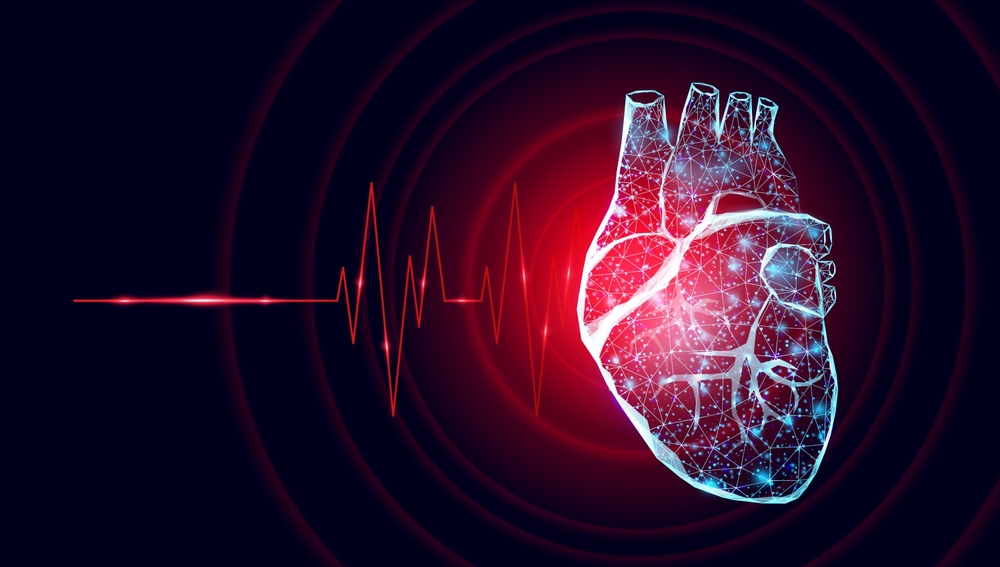
Heart Failure is a condition where the heart is unable to pump enough blood to meet the body's needs. It's not a sudden event but a progressive condition that worsens over time. Recognizing the stages of this condition can help in early detection and management, potentially saving lives.
3. Stages of Heart Failure
This condition is categorized into four stages, A through D, based on the American College of Cardiology and the American Heart Association (ACC/AHA) guidelines.
Stage A: High Risk of Developing Cardiac Insufficiency
Individuals at this stage have no symptoms but have conditions that increase their risk. These conditions include hypertension, diabetes, coronary artery disease, or a family history of cardiomyopathy. Early detection and lifestyle changes are crucial at this stage to prevent the progression to actual myocardial insufficiency.
Stage B: Pre-Heart Failure
Stage B includes individuals who have been diagnosed with structural heart disease but have not yet shown symptoms. Examples include those with previous heart attacks or valve disease. Medications and surgical interventions can manage structural problems and delay the onset of symptoms.
Stage C: Heart Failure with Symptoms
At this stage, patients experience symptoms such as shortness of breath, fatigue, and reduced ability to exercise. These symptoms indicate that the heart's ability to pump blood is compromised. Management involves a combination of lifestyle changes, medications, and possibly device therapy to alleviate symptoms and improve quality of life.
Stage D: Advanced Heart Failure
Stage D is marked by severe symptoms that persist despite treatment. Patients at this stage require advanced interventions, which may include heart transplants or mechanical heart devices. Palliative care is also considered to improve comfort and quality of life.
4. The Importance of Early Detection
Early detection of cardiac insufficiency can dramatically alter the disease's course. Identifying the risk factors and early symptoms allows for timely intervention, which can slow or even halt the progression of the disease. Regular check-ups and being attentive to your heart's health are vital.
5. Prevalence of Heart Failure
Heart Failure is a common condition, affecting millions of people worldwide. According to the American Heart Association, approximately 6.2 million adults in the United States have experienced this condition. The prevalence increases with age, with about 1 in 5 people over the age of 40 at risk of developing myocardial insufficiency during their lifetime.
Globally, the numbers are equally staggering. An estimated 26 million people live with this condition, the prevalence is expected to rise due to aging populations and improved survival rates of heart conditions.
6. Causes of Heart Failure
Several conditions can lead to cardiac insufficiency. The most common causes include:
- Coronary Artery Disease: Narrowed arteries reduce blood flow to the heart muscle.
- High Blood Pressure: This condition forces the heart to work harder than normal, leading to weakening or stiffening of the heart muscle.
- Diabetes: High blood sugar levels can damage the heart's blood vessels and nerves.
- Cardiomyopathy: Diseases of the heart muscle, which can be genetic or acquired.
- Valvular Heart Disease: Malfunctioning heart valves force the heart to work harder to pump blood.
7. Necessary Precautions to Prevent Heart Failure
Preventive measures involve taking proactive steps to manage risk factors and maintaining heart health. Here are some essential precautions:
- Regular Physical Activity: Engage in at least 150 minutes of moderate-intensity exercise each week.
- Healthy Diet: Eat a balanced diet rich in fruits, vegetables, whole grains, and lean proteins while reducing salt, saturated fats, and sugar intake.
- Monitor Blood Pressure: Keep blood pressure within a healthy range through lifestyle changes and medications if necessary.
- Manage Diabetes: Keep blood sugar levels under control through diet, exercise, and medications.
- Quit Smoking: Smoking damages blood vessels and contributes to heart disease.
- Limit Alcohol Intake: Excessive alcohol can lead to high blood pressure and damage the heart muscle.
- Regular Check-ups: Regular visits to your healthcare provider can help monitor and manage risk factors.
8. Treatment Options for Heart Failure
The treatment involves a multifaceted approach that includes lifestyle changes, medications, and sometimes surgical interventions.
9. Lifestyle Changes
- Dietary Modifications: Reducing salt intake can help manage fluid retention. Eating heart-healthy foods can improve overall cardiovascular health.
- Exercise: Regular physical activity strengthens the heart and improves circulation.
- Weight Management: Maintaining a healthy weight reduces the burden on the heart.
10. Medications
Several classes of medications are used to treat this condition:
- ACE Inhibitors: These help relax blood vessels and reduce the workload on the heart.
- Beta-blockers: These medications slow the heart rate and reduce blood pressure.
- Diuretics: These help remove excess fluid from the body.
- Aldosterone Antagonists: These reduce fluid buildup and prevent further damage to the heart.
11. Surgical Interventions
In some cases, surgery may be necessary for the treatment:
- Coronary Artery Bypass Grafting (CABG): This procedure improves blood flow to the heart muscle.
- Valve Repair or Replacement: Fixing or replacing malfunctioning heart valves can improve heart function.
- Implantable Devices: Devices such as pacemakers and defibrillators help regulate heart rhythms.
- Heart Transplant: In severe cases, a heart transplant may be the best option for survival.
12. Defining Systolic and Diastolic Heart Failure
Systolic and diastolic heart failure are two types based on which phase of the heartbeat is affected.
- Systolic heart failure occurs when the heart muscle cannot contract vigorously, indicating a pumping problem.
- Diastolic heart failure occurs when the heart muscle is stiff and unable to relax properly, leading to poor filling of the heart with blood.
Both types require different management strategies, and understanding the distinction is crucial for effective treatment.
13. The Role of Heart Health in Preventing Heart Failure
Maintaining good heart health is the cornerstone of prevention. This involves regular physical activity, a balanced diet, managing stress, avoiding tobacco, and limiting alcohol. Additionally, regular health screenings can detect early signs of heart problems, allowing for timely interventions.
14. Conclusion
Heart failure is a serious condition, but with early detection and appropriate management, individuals can lead healthier lives. By understanding the stages, recognizing symptoms early, and taking necessary precautions, the progression of the disease can be slowed, and the quality of life can be significantly improved. Regular check-ups, a healthy lifestyle, and adherence to medical advice are essential in managing and preventing this condition.