
Discover key insights for parents of children with alopecia areata, including tips on hair loss and care.
- clinical research plays a vital role
- leading to hair loss in small patches
Introduction
As a parent, discovering that your child is losing their hair can be distressing and filled with uncertainty. While hair loss in kids is not as common as it is in adults, it does happen, and one possible cause is alopecia areata. This autoimmune condition affects millions of people worldwide, including children, and can lead to unpredictable hair loss. Understanding this condition and learning how to help your child manage both the physical and emotional challenges of hair loss is key to providing the support they need.
In this blog, we will focus on essential tips for parents who have a child facing hair loss due to alopecia areata, touching on causes, treatment options, and how to help your child manage this condition with confidence and resilience.
2. What is Alopecia Areata?
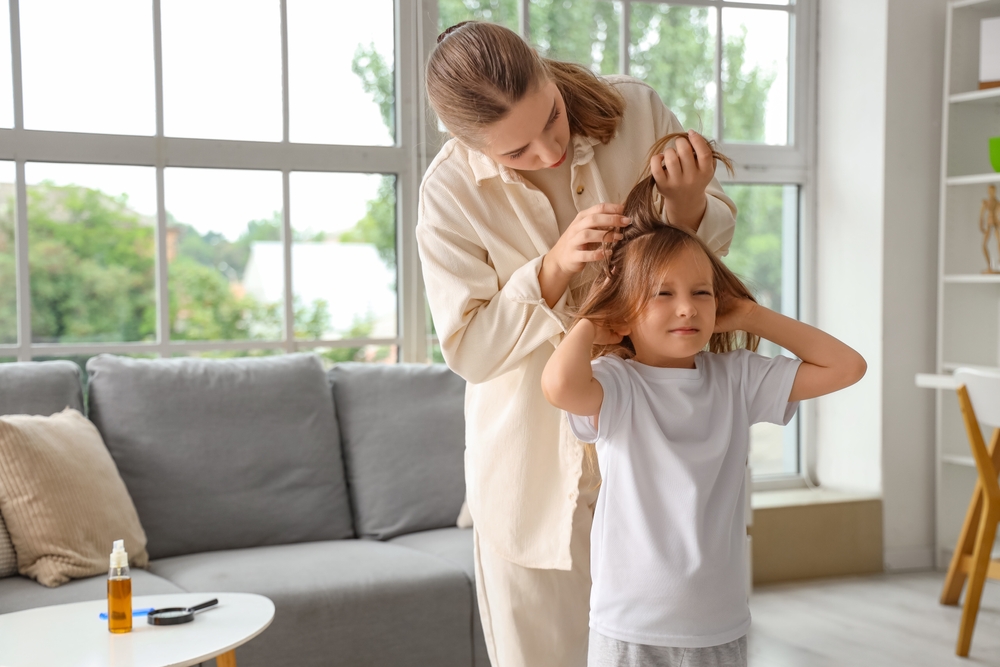
Alopecia areata in children is an autoimmune disorder where the body’s immune system mistakenly attacks hair follicles, leading to hair loss in small patches or more extensive areas. The condition does not cause physical discomfort but can significantly impact a child’s emotional well-being. Managing alopecia becomes important as hair loss often fluctuates, with periods of regrowth followed by further hair loss.
The severity of hair loss can vary. Some children may develop just a few small patches of hair loss, while others might lose all the hair on their scalp. For parents, it is vital to recognize the signs early to help their child cope with the condition.
3. Key Symptoms of Alopecia Areata in Children
Understanding the symptoms of alopecia areata in children is essential for identifying the condition and seeking appropriate treatment. Common signs include:
- Small patches of baldness on the head or other areas
- Rapid thinning of hair over a short period
- Exclamation mark hairs, which are short and broken at the base
- Smooth, hairless skin where the hair has fallen out, without inflammation
In some cases, alopecia areata in children may affect eyebrows, eyelashes, or other body hair. While it is not physically painful, the emotional effects can be significant, making managing children’s alopecia both a practical and emotional process.
4. Tips for Managing Children’s Alopecia
When your child is diagnosed with alopecia areata, your role as a parent becomes key in helping them cope with their changing appearance. Here are some effective tips for managing children’s alopecia:
-
Educate Yourself and Your Child
The first step in managing children’s alopecia is to educate yourself about the condition. Learning about its causes, symptoms, and potential treatment options will enable you to make informed decisions. It is also important to explain the condition to your child in a way they can understand, reassuring them that it is an autoimmune disorder and not something they caused.
When your child is informed about their condition, they will be better prepared to face it with confidence.
-
Encourage Open Communication
Children might feel confused, anxious, or embarrassed about their hair loss. Encouraging open communication is essential. Let your child know it is okay to talk about their feelings. By creating a safe space for expression, your child will feel more supported and less isolated. This can help in overcoming the challenges of alopecia areata in children.
-
Focus on Self-image and Confidence
Hair loss can impact your child’s self-esteem, so it is important to encourage them to focus on their strengths. Help them understand that hair is only one aspect of their appearance and that they are valuable for many other reasons. Whether it is their creativity, kindness, or intelligence, highlight qualities that make them special. This is one of the most critical aspects of managing children’s alopecia.
Consider enrolling your child in activities they enjoy, like sports, arts, or music, to help boost their confidence. Positive reinforcement through hobbies and achievements can help them feel secure despite the physical changes caused by alopecia areata in children.
-
Gentle Hair Care
For children who still have some hair, it is important to take care of it gently. Use mild shampoos and avoid tight hairstyles that could strain fragile hair follicles. Teaching your child to be gentle with their hair is another practical aspect of managing children’s alopecia.
-
Sun and Cold Protection for the Scalp
Without hair to protect their scalp, your child’s skin will be more vulnerable to sunburn and cold. Ensure they wear hats when outdoors for long periods, and in colder weather, keep their scalp warm with soft, comfortable beanies or scarves. This is a simple yet essential tip for managing children’s alopecia practically.
-
Patience and Positivity
Alopecia areata in children can be unpredictable, with hair regrowing and falling out again over time. As a parent, it is important to remain patient and maintain a positive outlook. Reassure your child that even if hair loss happens again, they are still the same wonderful person. Keep focusing on their strengths and remind them that hair is just one part of who they are.
5. Treatment Options for Alopecia Areata in Children
While there is no cure for alopecia areata in children at this time, clinical research plays a vital role in investigating potential treatments that could one day offer a solution. These studies are essential in understanding the condition better and developing new therapies that may improve the management of alopecia areata. Although a permanent cure remains elusive, several treatment options can help stimulate hair regrowth and manage symptoms effectively.
Some common treatment options include:
- Topical corticosteroids, reduce inflammation and encourage hair growth.
- Minoxidil is an over-the-counter treatment that promotes hair regrowth.
- Anthralin is a topical cream used to alter the immune response and stimulate hair growth.
The effectiveness of these treatments differs from one to the other. Your dermatologist will guide you in choosing the best course of action for managing children’s alopecia. Keep in mind, however, that hair may regrow on its own without any intervention, and results are not guaranteed.
6. Emotional and Practical Support
In addition to medical treatment, connecting with a support group for managing children’s alopecia can be incredibly beneficial. Both you and your child can share experiences with others facing similar challenges, helping to build a sense of community and reduce feelings of isolation.
Remember, managing children’s alopecia is not just about treating the condition physically. It is equally important to provide emotional support, encourage confidence, and help your child feel empowered despite the changes in their appearance.
7. In a Nutshell
Alopecia areata in children can be a challenging experience, but with the right knowledge, care, and emotional support, you can help your child navigate this journey. Focus on open communication, build their confidence, and consider treatment options that best suit their needs. By managing children’s alopecia with patience and positivity, you can help your child face the future with resilience and strength.