
Inclusion, equality, and well-being for all, especially for people with special needs and disabilities, is globally recognized as a priority. At the same time, there is an urgent need to create digital training environments for people with special educational needs and disabilities (SEND). Virtual reality (VR) and gaming technologies have entered the race at full speed for skills training. Despite significant research on each of these technologies, there is still limited knowledge about the effectiveness of virtual reality games (VRGs) in targeted groups such as those with SEND. Thus, the current systematic review paper aims to investigate the effectiveness of gaming in virtual reality as an intervention strategy for meta-skills training among people with neurodevelopmental, cognitive disorders, and learning difficulties. The PRISMA 2020 methodology was used to respond to the objective and research questions. This study also emphasizes the mediating role of motivations, metacognition, and emotional intelligence as important assets for meta-skills development. The database search generated 1100 records, and 26 studies met the inclusion criteria. This study concludes that VRGs have the potential to support people with SEND in terms of raising motivation and developing metacognitive skills, as well as in developing the emotional intelligence skills needed for inclusion, accomplishment, an independent life, and personal well-being. As was observed, VRGs provided the subjects with positive experiences, allowing them to internalize motivations and—with less effort—develop self-motivated, self-regulated, and flexible behaviors.
- virtual reality gaming
- meta-skills training
- self-regulation
- emotional inlligence
- self-awareness
- intrinsic motivations
- adaptability
- autonomy
- empathy
- well-being
1. Introduction
Inclusion and equality for all, particularly for disadvantaged social groups, is now widely acknowledged as one of the most important goals of the 21st century[1][2]. According to a growing number of studies, skill acquisition can act as a gateway toward social inclusion [3]. However, a significant percentage of the population with disabilities often are not adequately trained in acquiring the skills needed for inclusion, accomplishment, and personal well-being [4]. Among the skills in which a significant deficit is observed are the metacognitive, self-motivation, and emotional intelligence skills [4][5][6][7].
Special educational needs and disabilities (SEND) is a term that corresponds to the special type of health and the educational support that people with neurodevelopmental disorders, learning difficulties, as well as those which have mental, emotional, and behavioral disorders deserve [8][9]. It is common knowledge that people with SEND face a higher risk of social exclusion [10][11]. The limited participation in skill training programs further increases the risk of exclusion [12].
Μeta-skills refer to a set of higher-order skills that integrate meta-cognitive, social–emotional, and motivational attributes that enable individuals to be self-motivated, self-regulated, and adaptive in every context of human life [3][13][14]. Meta-skills enable individuals to be aware of and consciously regulate cognitive and psychophysiological operations as a means through which to achieve optimal performance. It is about reflection, as well as introspection skills [15]. Meta-skills allow individuals to be open to and accept change, focusing on goals rather than obstacles [4][16]. It enables individuals to recognize their strengths and weaknesses, and to voluntarily apply strategies that compensate for their weaknesses [3][4]. Emotional meta-skills encompass emotional awareness, as well as empathy. In addition, emotional regulation under stressful situations constitutes a fundamental component in the existing meta-skills frameworks [3]. Social meta-skills allow effective social interaction, collaboration, and conflict resolution [16]. In terms of motivation, individuals may rely on internal motivation rather than external reinforcements and rewards [17].
Digital games refer to a wide range of digital applications, which are characterized by some common elements (e.g., the gaming environment, the increased participation of the gamers, the element of interactivity, the immediate use of multimedia) [18]. Although playing digital games is usually used for entertainment, recent studies reveal that serious digital games can effectively train new skills for people with special educational needs, including intellectual disabilities (ID) and neurodevelopmental disorders such as attention deficit/hyperactivity disorder (ADHD) and autism spectrum disorder (ASD) [19][20][21][22][23].
VR technologies provide digital environments that induce virtual immersion through a computerized visual simulation, immersing users in an interactive three-dimensional world that is rich in sensory and emotional cues [24]. VR is becoming increasingly popular as a training tool in educational contexts, raising expectations for its effectiveness when it comes to people with disabilities[25][26][27][28][29][30]. VR educational applications designed for people with specific learning difficulties have already shown promising outcomes indicating that VR can be an interesting avenue of intervention as it offers a ludic, safe, controlled, and motivating training environment [31][32]. According to Rodríguez-Cano et al., VR technology can create sustainable educational spaces for all, especially for people with special education needs [31][32]. Studies have also revealed that interactive and realistic activities within VR environments are safe, motivational, and well accepted by students with ASD and ADHD [33][34]. Over the past few years, the research has mainly focused on examining the effectiveness of VR and digital games as separate intervention strategies. It is only in more recent years that researchers have begun to investigate VRGs as a training strategy for clinical populations [35][36]. It is not by chance that an increasing number of experimental designs, clinical protocols, and experimental studies have already appeared in the international literature [31][32][37][38]. VRGs are becoming a promising tool for skills training. However, there is limited knowledge about its effectiveness in populations with disabilities and learning difficulties. At the same time, there is a constant need for digital training environments for people with SEND [39]. Thus, there is an urgent need to further investigate whether VRGs have the potential to be effectively used among people with SEND.
The current systematic review paper aims to contribute to the abovementioned gaps by reviewing experimental studies that evaluate the effectiveness of VRGs in populations with special training needs. Another important point is that of co-examining the mediating role of motivations, metacognition, and emotional intelligence as important assets for meta-skills development. The current review intends to provide answers about the effectiveness of VRGs in training people with SEND. In addition, we expect to find out whether VRGs can effectively train people with SEND with the meta-skills needed for inclusion in the 21st century. These meta-skills may include self-regulation, adaptation, emotional and social awareness, and self-motivation skills.
This study begins with a theoretical section to support the study’s hypothesis according to what VRGs may be effective training strategies for people with SEND in developing meta-skills.
The second part of this paper attempts to summarize the results of the selected studies and present the key findings regarding the potential of VRGs in being applied as an effective training intervention for target groups with special training needs. In this part of the study, we emphasize various target groups and the circumstances under which the training took place. Finally, we attempt to critically discuss the results of this review, as well as their importance for future research.
2. Materials and Methods
In this systematic review paper, we intend to examine the effectiveness of VRGs in meta-skills training for people with SEND. The current review collects and synthesizes the previous research intending to examine the feasibility of VRGs in populations with special training needs, as well as the potential of VRGs in training higher-order skills. Finally, we expect to identify areas in which more research is needed [40].
2.1. Study Design
This systematic review was conducted by taking into consideration the guidelines of the preferred reporting items for systematic reviews and meta-analyses statement (PRISMA) [41]. The present study was carried out through a systematic research effort by a team of three authors from September 2022 to February 2023.
2.2. Eligibility Criteria
By applying the inclusion and exclusion criteria, studies that fulfilled the inclusion criteria were chosen for further investigation and content assessment. The predefined literature inclusion and exclusion criteria to achieve this review work are described in Table 1. Τhis study mainly concentrated on the experimental research that combined gaming in VR as a training intervention for people with SEND. On the other hand, studies that presented VRG designs without testing were excluded. In addition, studies that were applied only to healthy populations were excluded. We mainly focused on studies that evaluated or provided findings about the development of skills with metacognitive, socio-emotional, and motivational orientation. Gray literature and review articles were excluded. All the studies included in the review provide basic data on the research design, the participants, the type of VR device, the context of the intervention, the duration, the measurements, and the main outcomes.
Table 1. Selection of literature using inclusion and exclusion criteria.
|
Inclusion |
Exclusion |
|
(a) The publication is an experimental study |
(a) Book chapters, posters, and review articles were excluded from the current review |
|
(b) Published after 2010 |
(b) Design frameworks without any testing |
|
(c) The intervention combined gaming with virtual reality |
(c) Studies that apply gaming with other technologies |
|
(d) Studies that evaluate abilities and skills related to metacognition, emotional intelligence, and self-motivated behaviors |
(d) Studies that employ VRG only as an assessment tool |
|
(e) The research group included participants with SEND |
(e) Studies that employ VRG only in healthy populations |
2.3. Information Sources
To meet this objective, a computerized search was undertaken of the following digital research databases to identify studies that were eligible for this review: (1) Scopus, (2) Science Direct, (3) PubMed, and (4) Google Scholar. These engines include relevant digital libraries and/or publishers in the fields of Computer Science, Education Science, and Educational Technology. These digital libraries provide peer-reviewed articles from journals that are potentially relevant to the objectives of this study.
2.4. Search Strategy
The search was restricted to articles published between 2010 and 2023. The literature search was conducted in the databases via a combination of the keywords “virtual reality games”, terms referring to “special education needs and disabilities”, and terms referring to “metacognitive skills, emotional intelligence, and motivations”. The combination of the above keywords was applied to each database from 2010 up until February 2023. Table 2 provides an overview of the research strategy applied in database research.
le 2. The search terms used.
|
Searching String and Main Searching Terms |
|
“Virtual Reality Games” OR “VR gaming” OR “3D games” OR “Immersive games” |
|
AND |
|
“Attention Deficit/Hyperactivity Disorder” OR “Autism Spectrum Disorder” OR “Intellectual Disability” OR “Dyslexia” OR “Dyscalculia” OR “Down Syndrome” OR “Specific Learning Difficulties” |
|
AND |
|
“Metacognitive Skills” OR “Self-regulation” OR “Emotion Regulation” OR “Self-awareness” OR “Socio-Emotional awareness” OR “Inhibition control” OR “Attention regulation” |
2.5. Selection Processes
For every paper found in each digital database, a series of criteria were applied to narrow down the findings to a set of relevant studies that could answer the research questions (i.e., articles in English, articles published in peer-reviewed scientific journals, and titles or abstracts that explicitly focus on VRGs for people with SEND). The selection criteria were elaborated as a first filter for gathering relevant works. The quality of the articles was not examined in this initial stage. The selected articles were then further elaborated regarding their content, as part of the exclusion criteria. If any of the exclusion criteria were met, the article was excluded from the results. The remaining papers were further examined for their context, as part of the inclusion criteria. In the selection process, we also took into consideration several quality criteria. We selected articles with adequately developed experimental designs, well-conducted evaluations, well-described evaluations, as well as clearly stated goals, clearly described methods, tools, and technologies. We then clearly described the findings. In addition, we selected papers that provided sufficient data and information about VRG interventions to have a clear picture of what was achieved in every study.
2.6. Data Collection and Data Items
At this stage, each article was accessed in more detail to extract the key data, as part of the synthesis stage. The data extracted included information such as the authors’ information, technical aspects such as the VRG design, the equipment, and the game genre. In addition, information about the participants and their characteristics was gathered. The duration of sessions and main findings were also collected.
2.7. Quality (Risk of Bias Assessments)
A quality appraisal of each study was conducted independently by two authors, and disagreements were resolved with the third author. The Cochrane Collaboration’s ROB-2 (Risk of Bias version 2) tool was utilized to evaluate the risk of bias for the randomized studies [42]. RoB 2 is structured into a fixed set of domains of bias, focusing on different aspects of trial design, conduct, and reporting. Biases were classified into five domains; namely, (1) bias due to randomization, (2) bias due to deviations from the intended intervention, (3) bias due to missing outcome data, (4) bias due to measurement of outcome, and (5) bias due to selection of the reported results. A general risk of bias indicator was also created, with three levels of risk: low risk, some concerns, and high risk. The ROBINS-I (Risk of Bias in Non-randomized Studies of Interventions) tool was used to evaluate the risk of bias for all of the other non-randomized studies [43]. Biases were classified into seven domains; namely, (1) bias due to confounding, (2) bias in selection of participants, (3) bias in the classification of interventions, (4) bias due to deviations from the intended interventions, (5) bias due to missing data, (6) bias in the measurement of outcomes, and (7) bias in selection of the reported results. The authors answered signaling questions and utilized the ROBINS-I evaluation table to evaluate the risk in each domain and the overall risk. The overall risk was presented as “low”, “moderate”, “serious”, “critical”, or “no information”. A robvis visualization tool format was utilized. The tool created “traffic light” plots for the domain-level judgments of each result, and weighted bar plots for the distribution of risk-of-bias judgments within each bias domain [44].
2.8. Search Results
The general screening processes and the flow of selecting representative research are presented in Figure 1. The initial search provided 1100 studies, of which 150 were common and removed. The titles and abstracts of the remaining studies were screened for inclusion in the review by the two authors. This process led to 250 studies for full-text screening.

- Flowchart depicting the literature research and selection of studies for review [41].
A total of 115 initial studies were reviewed, taking into account the inclusion and exclusion criteria. After the full-text screening, 89 studies did not meet the inclusion criteria and were removed. The 26 remaining studies were included in the final analysis. Figure 1 depicts the process and the results of the research strategy.
3. Background Knowledge
3.1. Μotivations, Metacognition, and Emotional Intelligence: The Meta-Skills Triad
Motivations are widely acknowledged as indicators of achievement. They work as forces within agents, driving them toward goal-directed behaviors [45]. Motivations influence mental and emotional states, as well as determine the human readiness to deal with new challenges [46]. Motivations have the potential to foster decision making, persistence, determination, and the self-regulation of behavior [17][46]. Highly motivated individuals are more likely to accept change and appropriately modify thinking patterns and behaviors [47].
One common approach to differentiating between various kinds of motivation is to use the terms intrinsic and extrinsic motivation. Intrinsic motivation refers to engaging with something because it is naturally engaging or pleasurable, whereas extrinsic motivation refers to performing something aiming to satisfy external demands [17]. Intrinsic motivation is closely related to self-need satisfaction. It is about the inherent desire to search for novelty, to broaden and strengthen one’s capabilities, and to achieve personal growth [48]. External motivations represent impoverished forms of motivation, while intrinsic motivation results in high-quality learning and creativity [17]. Activities intrinsically motivated often induce a mental state of entire immersion in the present moment, which leads subjects to joyful experiences and guarantees optimal performance [49].
Metacognition refers to a set of regulation meta-abilities and meta-skills that are consciously implemented, and they aim at the balancing of the cognitive and psychophysiological mechanisms as a means of achieving adaptability, autonomy, and life satisfaction. Metacognition corresponds to consciousness-raising skills, including the subject’s ability to observe, regulate, and adapt their cognitive operations, discern between functional and dysfunctional states of mind, and to consciously choose those states that awaken the full range of their abilities and self-identity [15].
The literature provides evidence that metacognition and motivations, especially intrinsic motivations, may have a close relationship. Intrinsic motivation encourages individuals to initiate self-regulated and adaptive behaviors [50]. Theories of metacognition recognize that motivations implicitly or explicitly shape conscious perception, as well as direct human decisions and behaviors [15].
Emotional intelligence refers to the objective perception, evaluation, and expression of emotion in oneself and others, the effective regulation of emotion in the self and in others, and the deliberate employment of positive feelings with the aim to increase internal motivation, thus ensuring optimal performance [51][52][53]. According to this study’s view, emotional intelligence, metacognition, and motivations are three interrelated concepts that provide the ground for meta-skills development (Figure 2).
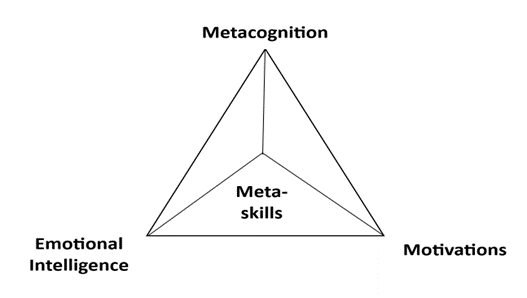
Figure 2. Metacognition, emotional intelligence, and motivations are inextricably linked and provide the ground for meta-skills development.
3.2. Motivation, Metacognitive, and Emotional Training as an Urgent Need in Special Education
For students with SEND, motivation has a primary role. However, studies confirm that low motivation is recognized as a common challenge to personal, academic, and professional achievement [54] Recent studies suggest that motivations are predictors of disability status [55]. While internal motivations are regarded as a key factor for inclusion and personal achievement, people with learning difficulties need additional intervention to develop as well as to maintain this kind of motivation, which, in turn, has a significant impact on the person’s autonomy level, competence, and relatedness [56].
Along with the challenge of initiating self-motivated behaviors, people with SEND often exhibit difficulties in metacognition [57]. For instance, people with neurodevelopmental disorders such as ASD find it more difficult to apply self-observation, to be reflective on their mental states, and recognize intentions [58][59][60]. Self-control difficulties are a common characteristic among people with SEND. They find it more difficult to consciously observe and regulate cognitive operations, inhibit impulses, make accurate judgments, set goals, and initiate self-motivated behaviors [61]. Regarding self-regulation, it is worth noting that people with SEND tend to show more emotional dysregulation compared to the typically developing population [62][63]. Significant challenges are also observed regarding adaptive skills [64][65]. Researchers have confirmed that individuals with SEND, when compared to neurotypical populations, perceive the socio-emotional world as more challenging in terms of implementing emotional recognition, emotional management, and emotional expression in a socially competent manner [66].
3.3. The Benefits of VR and Gaming Technologies for Training People with SEND
In terms of SEND training, VR has several features that make it ideal compared to other representational technologies. The virtual environments are safe enough and do not expose people with risky behaviors to unpredictable conditions. Stimuli are provided in a controllable way and tasks can be adapted according to the participant’s strengths and weaknesses [67]. Stimulation can be either enhanced to increase motivation, engagement, and attention, or reduced as a means to prevent sensory overload and attentional distraction [27][68]. In addition, VR can stimulate multiple sensory channels (vision, audition, and haptics) and provide users with engaging environments that maximize training outcomes [28][69]. A significant advantage of VR is that the use of personalized scenarios can target specific skills [67]. Personalization of interventions is a requirement in special education training [27].
Attention has a regulatory role and thus plays a crucial role in behavior modification. VR has the unique feature of direct attention. It can either distract participants’ attention from unhelpful stimuli (i.e., stressful or phobic stimuli) or direct attention in a targeted direction (i.e., desired goals or behaviors). In addition, VR familiarizes subjects with attentional operations. Most importantly, it helps users in developing attentional awareness, i.e., the realization that one can use attention as a tool for self-regulation [69]. In addition, VR supports memory processes, makes memorization easier, and helps subjects to better control meta-memory processes [28][70].
When subjects are immersed in VR, they have the unique opportunity to engage in roleplaying, to change their perspective, and to perceive situations from a different point of view. Thus, VR makes it easier for people with SEND to deal with cognitive bias and to better understand both their own and others’ mental and emotional states. The abovementioned processes are facilitated by the employment of virtual agents, who can take the form of a teacher, a mentor, an advisor, a friend, a co-worker, or a positive role model. This makes behavioral adjustment an easier task [27][28][30][71][72].
VR relies substantially on visual interaction that minimizes cognitive load while increasing processing capacity. In addition, the use of visual cues is helpful for those struggling to deal with verbal cues such as people with dyslexia and other mental imagery deficits [28].
VR technologies provide assessments, feedback, and scaffolding, as well as promote collaboration. Feedback plays a significant role in regulating behaviors and flexibly applying metacognitive strategies. Subjects can interact inside the same virtual area and share virtual spaces, avatars, and chat rooms. Learners are encouraged to collaborate, reflect, develop observation skills, and raise a better awareness of the knowledge construction processes [24][27][30][71][73].
Digital game-based training provides various characteristics that may have a positive impact on training people with SEND. Digital games offer attractive training environments that are brimming with entertaining features in combination with pleasant environments, esthetic quality (graphics, effects, music), and a structured framework based on pedagogical principles. Digital games stimulate interest and positive emotions such as enthusiasm, which are considered major motivations for active learning and behavior modification. In addition, gaming induces the flow state, which is considered the gateway for maximizing training outcomes [18][74].
Digital games are based on predetermined rules, the basis of which players will regulate and adapt their gaming actions. Gamers learn to follow instructions and develop gaming strategies based on specific objectives, tasks, and challenges. Games provide feedback that promotes reflection and adaptation, as well as fast and accurate decision making. To overcome obstacles with flexibility, digital games require gamers’ attention and observation [18][74][75][76]. Digital games require the ability to deal with conflicts, competitions, challenges, and rivalry.
A significant advantage that games provide concerns the adaptation of game difficulty according to players’ strengths and weaknesses, thus providing optimal challenges that, in turn, reduce stress and increase motivation [74]. Gaming promotes constant interaction either with various gaming elements or with other players [20]. Multiplayer games, for instance, promote social skills and teamwork [75]. Most importantly, games gradually train players to be autonomous, self-motivated, and self-regulated agents [74]. Games provide different levels of challenge and permit repetition. Adapting the game’s difficulty to participants’ level of competency along with the choice of repetition may create ideal circumstances for people with SEND in accomplishing gaming goals and avoiding anxiety [77].
3.4. The Potential of VR and Gaming Technologies in Meta-Skills Training
Studies show that digital games can help players satisfy basic psychological needs, thus increasing intrinsic motivations. By starting with external rewards and continuous reinforcement, and moving toward gaming techniques that encourage the internalization of motivations, players can experience positive emotions and internalize motivations [74][75][76][77][78]. Digital games provide players with choices and feedback, as well as create a sense of freedom encouraging the development of autonomy, the feeling that decisions during gaming are volitional, and the actions under the player’s control. In addition, games offer the optimal level of challenge as a means to enhance competence and improve self-efficacy. In addition, gaming, for instance in the context of multiplayer games, can cultivate players’ sense of belongingness and can increase meaningful connectedness with others [74]. Other studies outline that gaming fosters positive emotions and raises harmonious passion, which is linked to the flow state, the state of optimal performance, as well as mental and emotional well-being [79]. Finally, gaming encourages players to become self-regulated and to take responsibility during gameplay [75].
Empirical studies on this raise hopes about the potential of VR to revolutionize the ways of playing digital games. Reer et al. [80], based on self-determination theory, investigated the impact of virtual reality on the gaming experience via a sample of 133 participants. It was found that playing the VR version positively impacted autonomy, competence, and needs satisfaction,
Background Knowledge
3.1. Μotivations, Metacognition, and Emotional Intelligence: The Meta-Skills Triad
Motivations are widely acknowledged as indicators of achievement. They work as forces within agents, driving them toward goal-directed behaviors [45]. Motivations influence mental and emotional states, as well as determine the human readiness to deal with new challenges [46]. Motivations have the potential to foster decision making, persistence, determination, and the self-regulation of behavior [17][46]. Highly motivated individuals are more likely to accept change and appropriately modify thinking patterns and behaviors [47].
One common approach to differentiating between various kinds of motivation is to use the terms intrinsic and extrinsic motivation. Intrinsic motivation refers to engaging with something because it is naturally engaging or pleasurable, whereas extrinsic motivation refers to performing something aiming to satisfy external demands [17]. Intrinsic motivation is closely related to self-need satisfaction. It is about the inherent desire to search for novelty, to broaden and strengthen one’s capabilities, and to achieve personal growth [49]. External motivations represent impoverished forms of motivation, while intrinsic motivation results in high-quality learning and creativity [17]. Activities intrinsically motivated often induce a mental state of entire immersion in the present moment, which leads subjects to joyful experiences and guarantees optimal performance [49].
Metacognition refers to a set of regulation meta-abilities and meta-skills that are consciously implemented, and they aim at the balancing of the cognitive and psychophysiological mechanisms as a means of achieving adaptability, autonomy, and life satisfaction. Metacognition corresponds to consciousness-raising skills, including the subject’s ability to observe, regulate, and adapt their cognitive operations, discern between functional and dysfunctional states of mind, and to consciously choose those states that awaken the full range of their abilities and self-identity [15].
The literature provides evidence that metacognition and motivations, especially intrinsic motivations, may have a close relationship. Intrinsic motivation encourages individuals to initiate self-regulated and adaptive behaviors [50]. Theories of metacognition recognize that motivations implicitly or explicitly shape conscious perception, as well as direct human decisions and behaviors [15].
Emotional intelligence refers to the objective perception, evaluation, and expression of emotion in oneself and others, the effective regulation of emotion in the self and in others, and the deliberate employment of positive feelings with the aim to increase internal motivation, thus ensuring optimal performance [51][52][53]]. According to this study’s view, emotional intelligence, metacognition, and motivations are three interrelated concepts that provide the ground for meta-skills development (Figure 2).
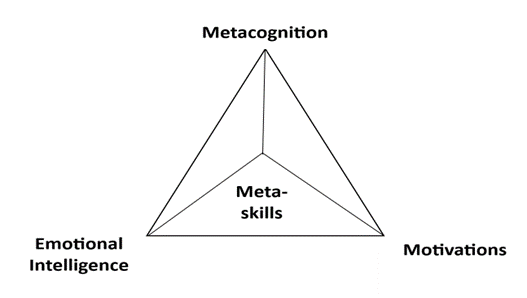
Figure 2. Metacognition, emotional intelligence, and motivations are inextricably linked and provide the ground for meta-skills development.
3.2. Motivation, Metacognitive, and Emotional Training as an Urgent Need in Special Education
For students with SEND, motivation has a primary role. However, studies confirm that low motivation is recognized as a common challenge to personal, academic, and professional achievement [55]. Recent studies suggest that motivations are predictors of disability status [56]. While internal motivations are regarded as a key factor for inclusion and personal achievement, people with learning difficulties need additional intervention to develop as well as to maintain this kind of motivation, which, in turn, has a significant impact on the person’s autonomy level, competence, and relatedness [56].
Along with the challenge of initiating self-motivated behaviors, people with SEND often exhibit difficulties in metacognition [57]. For instance, people with neurodevelopmental disorders such as ASD find it more difficult to apply self-observation, to be reflective on their mental states, and recognize intentions [58][59][60]. Self-control difficulties are a common characteristic among people with SEND. They find it more difficult to consciously observe and regulate cognitive operations, inhibit impulses, make accurate judgments, set goals, and initiate self-motivated behaviors [61]. Regarding self-regulation, it is worth noting that people with SEND tend to show more emotional dysregulation compared to the typically developing population [62][63]. Significant challenges are also observed regarding adaptive skills [64][65]. Researchers have confirmed that individuals with SEND, when compared to neurotypical populations, perceive the socio-emotional world as more challenging in terms of implementing emotional recognition, emotional management, and emotional expression in a socially competent manner [66].
3.3. The Benefits of VR and Gaming Technologies for Training People with SEND
In terms of SEND training, VR has several features that make it ideal compared to other representational technologies. The virtual environments are safe enough and do not expose people with risky behaviors to unpredictable conditions. Stimuli are provided in a controllable way and tasks can be adapted according to the participant’s strengths and weaknesses [67]. Stimulation can be either enhanced to increase motivation, engagement, and attention, or reduced as a means to prevent sensory overload and attentional distraction [27][68]. In addition, VR can stimulate multiple sensory channels (vision, audition, and haptics) and provide users with engaging environments that maximize training outcomes [28][69]. A significant advantage of VR is that the use of personalized scenarios can target specific skills [67]. Personalization of interventions is a requirement in special education training [27].
Attention has a regulatory role and thus plays a crucial role in behavior modification. VR has the unique feature of direct attention. It can either distract participants’ attention from unhelpful stimuli (i.e., stressful or phobic stimuli) or direct attention in a targeted direction (i.e., desired goals or behaviors). In addition, VR familiarizes subjects with attentional operations. Most importantly, it helps users in developing attentional awareness, i.e., the realization that one can use attention as a tool for self-regulation[69] In addition, VR supports memory processes, makes memorization easier, and helps subjects to better control meta-memory processes [28][70].
When subjects are immersed in VR, they have the unique opportunity to engage in roleplaying, to change their perspective, and to perceive situations from a different point of view. Thus, VR makes it easier for people with SEND to deal with cognitive bias and to better understand both their own and others’ mental and emotional states. The abovementioned processes are facilitated by the employment of virtual agents, who can take the form of a teacher, a mentor, an advisor, a friend, a co-worker, or a positive role model. This makes behavioral adjustment an easier task [27][28][30][71][72].
VR relies substantially on visual interaction that minimizes cognitive load while increasing processing capacity. In addition, the use of visual cues is helpful for those struggling to deal with verbal cues such as people with dyslexia and other mental imagery deficits [28].
VR technologies provide assessments, feedback, and scaffolding, as well as promote collaboration. Feedback plays a significant role in regulating behaviors and flexibly applying metacognitive strategies. Subjects can interact inside the same virtual area and share virtual spaces, avatars, and chat rooms. Learners are encouraged to collaborate, reflect, develop observation skills, and raise a better awareness of the knowledge construction processes [24][27][30][71][73].
Digital game-based training provides various characteristics that may have a positive impact on training people with SEND. Digital games offer attractive training environments that are brimming with entertaining features in combination with pleasant environments, esthetic quality (graphics, effects, music), and a structured framework based on pedagogical principles. Digital games stimulate interest and positive emotions such as enthusiasm, which are considered major motivations for active learning and behavior modification. In addition, gaming induces the flow state, which is considered the gateway for maximizing training outcomes [18][74].
Digital games are based on predetermined rules, the basis of which players will regulate and adapt their gaming actions. Gamers learn to follow instructions and develop gaming strategies based on specific objectives, tasks, and challenges. Games provide feedback that promotes reflection and adaptation, as well as fast and accurate decision making. To overcome obstacles with flexibility, digital games require gamers’ attention and observation [18][74][75][76]. Digital games require the ability to deal with conflicts, competitions, challenges, and rivalry.
A significant advantage that games provide concerns the adaptation of game difficulty according to players’ strengths and weaknesses, thus providing optimal challenges that, in turn, reduce stress and increase motivation [74]. Gaming promotes constant interaction either with various gaming elements or with other players [20]. Multiplayer games, for instance, promote social skills and teamwork [75]. Most importantly, games gradually train players to be autonomous, self-motivated, and self-regulated agents [74]. Games provide different levels of challenge and permit repetition. Adapting the game’s difficulty to participants’ level of competency along with the choice of repetition may create ideal circumstances for people with SEND in accomplishing gaming goals and avoiding anxiety [77].
3.4. The Potential of VR and Gaming Technologies in Meta-Skills Training
Studies show that digital games can help players satisfy basic psychological needs, thus increasing intrinsic motivations. By starting with external rewards and continuous reinforcement, and moving toward gaming techniques that encourage the internalization of motivations, players can experience positive emotions and internalize motivations [74][75][76][77][78]. Digital games provide players with choices and feedback, as well as create a sense of freedom encouraging the development of autonomy, the feeling that decisions during gaming are volitional, and the actions under the player’s control. In addition, games offer the optimal level of challenge as a means to enhance competence and improve self-efficacy. In addition, gaming, for instance in the context of multiplayer games, can cultivate players’ sense of belongingness and can increase meaningful connectedness with others [74]. Other studies outline that gaming fosters positive emotions and raises harmonious passion, which is linked to the flow state, the state of optimal performance, as well as mental and emotional well-being [80]. Finally, gaming encourages players to become self-regulated and to take responsibility during gameplay[75].
Empirical studies on this raise hopes about the potential of VR to revolutionize the ways of playing digital games. Reer et al. [80], based on self-determination theory, investigated the impact of virtual reality on the gaming experience via a sample of 133 participants. It was found that playing the VR version positively impacted autonomy, competence, and needs satisfaction, which, in turn, elevated feelings of enjoyment. Peng et al. [81] demonstrated that playing games with a VR device elicited stronger motivations and positive feelings such as interest, contentment, and happiness than playing the same game using traditional display technology. Pallavicini et al. [83,84] examined the role of VRGs as a tool for emotional training. It was found that gaming in VR increased surprise and positive feelings such as happiness and flow experience. Other studies suggest that gaming in virtual reality facilitates the development of fundamental meta-cognitive skills, such as those of meta-memory skills [70].
In the current paper, through recognizing the urgent need for meta-skills training as a means of inclusion and considering the potential of virtual reality and gaming in assisting training interventions, we investigated the potential of VRGs as an intervention strategy in training people with SEND to enhance motives, socio-emotional competences, and metacognitive abilitieswhich, in turn, elevated feelings of enjoyment. Peng et al. [81]] demonstrated that playing games with a VR device elicited stronger motivations and positive feelings such as interest, contentment, and happiness than playing the same game using traditional display technology. Pallavicini et al. [83,84] examined the role of VRGs as a tool for emotional training. It was found that gaming in VR increased surprise and positive feelings such as happiness and flow experience. Other studies suggest that gaming in virtual reality facilitates the development of fundamental meta-cognitive skills, such as those of meta-memory skills [70].
In the current paper, through recognizing the urgent need for meta-skills training as a means of inclusion and considering the potential of virtual reality and gaming in assisting training interventions, we investigated the potential of VRGs as an intervention strategy in training people with SEND to enhance motives, socio-emotional competences, and metacognitive abilities
4. VR Gaming for Meta-skills Training in Special Education
The existing research provided a sample of twenty-six studies that met the inclusion criteria. These studies included participants with SEND. Specifically, participants in the selected studies were diagnosed with ADHD, ASD, ID, Down syndrome, and SLD, including dyscalculia, dyslexia, and dysgraphia. The VRG interventions were applied to a total of 834 subjects. The participants in most studies were children and adolescents. Most studies were randomized control trials and pilot studies. Studies included non-immersive, semi-immersive, and immersive virtual reality. The game designs included action games, adventurous games, roleplaying games, and escape rooms. Targeted skills included inhibitory control, self-regulation, mental flexibility, empathy, social skills, attention regulation, observation skills, decision making, memory, and motor control.
4.1. VRGs for Meta-Skills Training in Attention-Deficit/Hyperactivity Disorder (ADHD)
In a total of twenty-six papers, eight concerned the effective training of people with ADHD. All papers confirmed that VRGs have a positive influence on people with ADHD. Specifically, VRG training allowed subjects to have a better awareness and control over attentional operations [82][83][84]. They were more able to inhibit impulses and aggressive behaviors [83] Studies also showed that participants could better exhibit flexible and self-regulated behaviors [78,86,88]. Their thinking abilities were also more flexible[82][85]]. It is notable that positive feelings increased, resulting in an increased motivation to continue practice [77][83][84][86][87].
The results indicated that the use of positive emotional cues in VRGs helped people with ADHD to be more attentive, make better predictions about other intentions, and develop more flexible behaviors [85]. In a VR social exchange game, forty adults (twenty of them with ADHD) were asked to play a multi-round trust game. Players had to adopt the role of the investor and interact with four virtual trustees. Afterward, they had to assess the fairness of the trustees’ behavior based on the emotional facial cues. The results showed that participants with ADHD could better identify trustee intentions and adapt their behavior, but only when trustees had happy faces[85].
Embodiment in VRGs was found to be an effective strategy for children with ADHD in terms of increasing engagement, motivation, and self-regulation abilities [86]. A full-body video game was utilized in a sample of seventy-three school-aged children with ADHD. In the experimental group, thirty-seven participants embodied a young and inattentive dragon that had to accomplish a variety of cognitive tasks to save its home world from an enemy. An Xbox camera captured their movement and translated it to the movement of the avatar on the screen. Teacher evaluations showed that children in the experimental group improved inhibition skills and their self-regulated behaviors increased. In addition, they were more motivated and satisfied compared to the control group (who played a commercial videogame [86].
The results also revealed that learning by playing in a virtual context can help subjects with ADHD to perceive learning as a positive experience [87]. In a pilot study, a game-based 3D virtual environment was evaluated in a sample of four students with SEND, including ADHD. A total of eight contexts were created, including basic game factors. The environment was also designed to encourage students’ self-directed learning. The results showed improvements in motivation and concentration. In addition, participants were friendlier after gaming and perceived learning as a reward [87].
VRGs that trained balance and coordination were found to improve mental and behavioral flexibility, as well as helped with maintaining players’ active interest[78]. For instance, Ou et al. [78] evaluated, in a sample of three children with ADHD, the effectiveness of VRGs that trained balance control and coordination in increasing attention, mental flexibility, abstract reasoning, and information processing capacity. After the intervention, participants could more flexibly self-regulate hyperactivity and aggressive behavior. In addition, it was observed that the feeling of enthusiasm kept participants with ADHD self-motivated to continue and systematize daily practice.
VRGs combined with breathing techniques and biofeedback technologies were found to improve self-regulation skills [88]. A VR biofeedback game was evaluated in a sample of eight adolescents with ADHD. The players using the VRG explored an underwater virtual world, whereby they used their breathing as a means to control their movement within the game. After six sessions, subjects could better regulate anxiety and disruptive behavior[88].
VR serious games were found to help players to adopt positive behaviors and to perceive learning as a positive and rewarding experience [90]. Rodrigo-Yanguas et al. [90] conducted a randomized control trial to evaluate the efficacy of a serious VR game on improving metacognitive thinking abilities, including attention, inhibition control, working memory, and mental flexibility. The main goal of the VRG was to follow the main storyline, during an adventurous game, while resolving problems. Spectacular VR environments were used to inspire players. In addition, avatars were used as role models to encourage players to regulate their behavior. The findings showed improvements in behavioral change. They perceived training as a positive experience, they were motivated to repeat, and they found tasks easier in being understood.
VRGs were found to improve executive functions, which is an indicator of self-control [91]. A serious VR game was structured around activities that aimed to train the cognitive-behavioral skills that are impaired in ADHD subjects. Participants were randomly divided into two groups, one experimental and one control. They were given VRG therapy with the IAmHero system, and this was alternated with traditional therapies. The use of the VRG on a group of children with ADHD aged 5 to 12 revealed improvements in the basic indicators of self-control and positive behavior change [91].
VRGs have a positive impact on mental operations that assure speed and flexible thinking [89]. A randomized experimental study evaluated the efficacy of VRGs on basic indicators for flexible and self-regulated thinking; namely, processing speed and working memory. The results showed improvement for the experimental group compared to the passive control group [89].
4.2. VRGs for Meta-Skills Training in Autism Spectrum Disorder (ASD)
Eight studies investigated the efficacy of VRGs for subjects with ASD. Overall, the studies showed a significant improvement in self- and socio-emotional awareness [92][93][94][95][96][97]. Subjects with ASD improved their ability in expressing their feelings and needs, as well as in recognizing others’ emotions and intentions [92][95][96]. They were more able in being adaptive in social interactions and in effectively collaborating with peers [97] Positive signs were also observed regarding their ability to regulate hypersensitivity as well as anxiety [98]. The sense of self-satisfaction also increased[99].
The results showed that VRGs that promote social collaboration and perspective-taking can be beneficial for children with ASD in improving socio-emotional skills [92]. For instance, a multi-user VRG was evaluated in a sample of 14 participants, 6 of them with ASD. The results showed that participants with ASD improved social awareness and empathy. In addition, they could more flexibly collaborate with more typically developed players [92].
Role-playing games within virtual environments were found to encourage children with ASD to develop social and adaptive skills [93][96][99]. Lu et al. [99]evaluated the efficacy of a single-player VR role-playing game in training twelve children with ASD to follow and give instructions. After taking instructions from an avatar dolphin trainer, the players were asked to adopt the role of a trainer giving directions to the dolphins on how to perform tricks. The findings showed that participants improved their ability in maintaining eye contact and following the rules of communication.
Similarly, Ke et al. [93], via a 3D virtual world, provided different types of social gameplay, including role-playing and problem-solving tasks that aimed to train adaptive behaviors and interpersonal skills such as negotiation and self-expression. Another positive point for the VRG was that the game tasks were presented in a dynamic pacing and sequence according to the players’ progress and preferences. The results showed general improvements in self-awareness and mental flexibility. In addition, motivation, engagement, and satisfaction increased.
Through using a CAVE-like immersive VR role-playing game, Tsai et al. [96] aimed to train three children with ASD in self-observation, emotion recognition, and social flexibility. The participants were instructed to role play with VR animations and watch two different real-time switchable role-play animations of themselves and their counterparts socially interacting. Results showed improvements in social interaction, emotional awareness, and empathy. Thus, VRGs that train individuals to alter between the first- and third-person perspectives can have positive outcomes in raising awareness skills.
VRGs with the use of an eye-tracking system was found to be beneficial for individuals with ASD. Rosenfield et al. [95] evaluated the feasibility of an immersive VRG that integrated gaze tracking and voice processing, and this was aimed at training the social and conversation skills of two children with ASD. VR enabled participants to make movements in the room. The eye-tracking system recorded where the user’s visual attention was during the conversation. The participants’ interest was high. Social skills improved not only in virtual, but also in real life. Participants could better observe and adapt during the conversation with the virtual characters of the game.
VRGs combined with exposure therapy techniques showed positive effects in training the self-regulation skills of six individuals with ASD [98]. In a pilot study, Johnston et al. [98] used a VRG combined with exposure-based therapy techniques. The game delivered target auditory stimuli to the player, which was rendered via binaural-based spatial audio. The intervention aimed to familiarize subjects with sounds that might provoke irritability or/and anxiety. It was found to be method for a better self-management of anxiety and hypersensitivity.
A VR escape room was found to be effective not only in raising children’s interest, but also in training teamwork skills. Terlouw et al. [97] designed and tested the feasibility of a serious escape-room-based game in training joint attention and social skills, including cooperation and connection with typical peers. Results appeared promising about the use of serious VR gaming tools in triggering collaborative behaviors between high-functioning children with ASD and their peers.
4.3. VRGs for Meta-Skills Training in Intellectual Disabilities (ID)
Four studies, with a total of 167 participants, revealed that VRGs had a positive impact on crucial cognitive functions such as those of memory and perception [100][101][102] In addition, it also revealed a significant improvement in self-control abilities [101][102][103]. Specifically, participants were more able to apply self-regulation strategies, which resulted in an improved sense of autonomy [102].
VRGs that employed body and brain exercises had a positive impact on cognitive impairments. In a randomized control trial, the short- and long-term effects of VRGs on subjects with ID were explored. In the experimental group, a VR platform was used with commercially available brain games. EEG was recorded. After the intervention, the subjects in the experimental group showed improvement in their cognitive operations compared with the control group, which performed only motion and stretching exercises [100].
VRGs were effective in training the life skills needed for social inclusion and well-being, such as autonomy, self-control, self-efficacy, memory, and flexibility. A sample of 145 participants with ID were divided into three groups: the VRG life skills training group ( = 42), the traditional life skills training group (n = 53), and the control group. It was found that VRGs helped individuals with ID to better control fear, irritation, and distraction. In addition, independence, decision making, and self-efficacy increased [102].
In another study, Thapa et al. [103] investigated the efficacy of VRGs in a sample of 67 participants with ID. Four VRGs were applied, including tasks that required memorization, attention skills, and response speed. The results revealed improvements in executive functions, an indicator of self-control, after eight weeks of training.
In a pilot study, Ahn [101] attempted to combine VRGs with cognitive therapy with the intention to help thirteen children with ID to develop visuomotor integration. Visuomotor integration requires intact visual perception, fine motor coordination, motor inhibition, and sustained attention. All participants in the study received conventional therapy and VRG-based cognitive therapy. After twelve sessions, the participants in the experimental group developed better control over visual and motor coordination abilities.
4.4. VRGs for Meta-Skills Training in Down Syndrome
The two selected studies revealed positive signs for people with Down syndrome. Specifically, Wuang et al. [104]investigated whether gaming via VR could be beneficial for children with Down syndrome. They compared the effectiveness of VR, via Wii games, with standard occupational therapy. One hundred and five children were randomly assigned to the VRG group and the standard occupation therapy group, while fifty participants served as a control group. The experimental group outperformed in motor proficiency, visual–integrative abilities, and sensory–integrative functions. Thus, VRGs provided subjects with optimal sensory intakes, allowing them to better organize and control sensory input.
Gómez Ál-varez et al. [105] aimed to determine the effectiveness of a VRG in training sixteen children with Down syndrome on motor and postural control. An experimental group with nine children received an exercise program based on the Nintendo Wii. Results showed that VRGs had positive effects compared with the control group on motor control.
4.5. VRGs for Meta-Skills Training in Specific Learning Difficulties
Four studies explored the feasibility of VRGs on SLDs, such as dyslexia, dysgraphia, and dyscalculia. The results showed that people with SLD improved in their attention control skills, resulting in significant improvements in learning performance [106][107][108][109]. Motivation and interest in learning increased [107]. Participants could better deal with negative feelings under stressful tasks, such as problem-solving and reading comprehension [109].
Specifically, Pedroli et al. [106] investigated whether an action video game using cues in the context of a virtual environment could improve attention regulation skills and reading abilities in ten children with dyslexia. After four weeks of intervention, improvements were found in regulating eye fixations and attention in general. The authors concluded that VRGs may be a promising intervention for students with dyslexia and poor reading.
An action VRG was also utilized by Flores-Gallegos et al. [108] in children with reading learning difficulties. The VRG focused on reading abilities, balance, gross motor coordination, visual–spatial attention, and self-perception. An experiment group of six children received a 30-session training, while a control group was placed on a waiting list and received the same intervention after the post-test. Results showed that the experimental group had better control over their attention. In addition, improvements in self-perception was also observed.
A virtual system for developing language skills was evaluated in a sample of eight children with dyslexia. The interface consisted of three games that trained language skills, each with three levels of difficulty. Visual and audible feedback was constantly provided to improve attention and the learning procedure. After five weeks of training, children improved comprehension, were more confident, and perceived the learning procedure as more interesting and motivational, as per Buele et al. [107].
Castro et al. [109] evaluated the impact of a virtual environment that incorporated eighteen mini games for children with dyscalculia in improving their working memory, spatial visualization, and other mathematical skills. Players in the form of avatars played the role of a monkey attempting to save a turtle. The findings revealed positive effects on self-control. Players could better control negative feelings. They had more positive feelings during problem-solving tasks. Finally, they felt more autonomous and willing to continue in their efforts.
4.6. Quality of Studies and Risk of Bias Assessments
Risk of the majority of the reviewed papers reported positive preliminary results, with improvements in the functional domains addressed. ROB2 [42] was utilized to evaluate the 12 randomized controlled studies, and it was found that 6 studies had a low risk of bias, 5 studies had some concerns, and 1 study had a high risk of bias. The remaining 14 non-randomized controlled studies were assessed using ROBINS-I [43]. A total of 4 studies were evaluated to have a moderate risk of bias, and 10 studies had a low risk of bias. The details of the ROB-2 and ROBINS-I assessments were presented with an adapted robvis visualization tool [44]. The majority of these studies had a low risk of bias. The concerns were mainly linked with the randomization, the selection of the participants, as well as the selection of the reported results. The small sample size of the participants was also a significant reason for having concerns.
5. Discussion
Looking at the data as a whole, we can infer that VRGs have a positive impact on people with SEND. The usefulness of VRGs was investigated in several target groups, and it was revealed that this sort of intervention is a valuable training strategy for improving the meta-skills needed for inclusion, accomplishment, and personal well-being. Specifically, VRGs were found to be an effective training intervention for people with neurodevelopmental disorders such as ADHD and ASD, for people with ID and Down syndrome, as well as for those populations with SLDs. People with ADHD were more able to concentrate and develop self-regulation strategies [87] Subjects with ASD increased social and emotional awareness [92][93]. They could better understand emotions, identify intentions, and predict behaviors [82] A significant improvement was observed in social interactions. Players were more able to deal with social anxiety and sensory hypersensitivity [91]. Their behaviors were significantly more flexible not only in the gaming environment, but also in real life [92][93][95]. Regarding ID, subjects improved in indicators of mental flexibility, such as working memory [100][102]. Participants were more able to flexibly collaborate with peers [97] In general, they were more independent, with better control over their actions [101][102][103]. Positive outcomes were also found for people with SLDs, including dyscalculia, dyslexia, and dysgraphia. The findings revealed that those with SLD had greater control over their learning throughout the comprehension and problem-solving activities [106][109]. Furthermore, subjects could better manage math phobia [109]. Confidence, positive attitude, and self-perception improved, thus encouraging them to more easily overcome anxiety and learning difficulties [107][108][109].
The selected studies provided evidence that VRGs effectively trained the skills needed for better awareness and control over thoughts, emotions, and actions. VRGs were found to foster subject dispositions in terms of changing dysfunctional habits and behaviors. A clear increase in self-directed as well as self-regulated behaviors was also observed. The data revealed a significant increase in self-control abilities, such as the ability to inhibit inappropriate thoughts, desires, behaviors, and actions [86][88].
As we mentioned in the theoretical background section, motivating students with SEND constitutes a significant objective. Gaming in VR was found to inspire players, raise interest, and made them feel self-motivated [93]. Most importantly, it was found that subjects with low motivation changed their perception of learning. As was reported, they could see learning as a reward, as a satisfactory method for self-development [86]. The results of this review study are in line with other studies that outline the superiority of VRGs when compared to non-VRGs in internalizing subject motivations [81].
Studies showed that VRGs helped participants to develop adaptive skills, which are examples of the most needed meta-skills in the 21st century. Flexibility was observed in the ways of thinking, feeling, or behaving. It is important to highlight that several studies showed improvements in well-recognized indicators of mental flexibility, such as working memory capacity and information processing capacity [89].
It is notable that VRGs that provided affective cues with positive emotions improved subject attention toward goals in gaming and enhanced their ability to be empathetic. In general, positive emotions predicted more flexible and self-regulated behaviors [78]. Thus, this may indicate that VR environments could enrich the gaming experience with affective cues on positive emotions as a means to facilitate targeted meta-skills. It is not by accident that there are studies that highlight the positive impact of subliminal cues with positive emotional content within virtual environments in the development of self- and emotional regulation skills [70][110].
VR, through presence, interaction, and immersion, make the gaming experience less stressful, more enjoyable, and meaningful. In general, participants were found to be more satisfied compared with other traditional interventions. Players enhanced their efforts during gaming, and they were more self-motivated, seeking to perform more repetitions as a means to increase performance [90].
Virtual reality provided players with more opportunities to increase awareness about their thinking processes, as well as their mental and emotional states during gaming. Similar positive outcomes were observed when players were asked to identify, characterize, or predict others’ thoughts, feelings, and intentions [92][93][96].
The use of virtual agents was found to have added value. For instance, Rodrigo-Yanguas et al. [90]used avatars as role models to help players adopt self-regulating behaviors. The findings showed improvements in self-regulation ability. The participants were also more positive to change.
Virtual reality provided appropriate environments for playing role-playing games. This type of game offered players the opportunity to change their perspective and to perceive situations from a different point of view [96]. Within virtual environments, subjects could more flexibly adopt a different point of view.
As we mentioned in the theoretical background section, virtual reality has already shown positive outcomes for people with SEND [26][27][28][29][30]. According to Ou et al. [78], gaming helped participants to keep their enthusiasm and motivation active, as well as continuing in their efforts via repetition [81]. This observation may reveal why gaming in VR may excel over other conventional VR interventions. VR, especially immersive technologies, seem to facilitate the internalization of motivations, moving players away from the habitual way of thinking and acting, thus transforming the gaming experience into a journey of self-knowledge [81].
Despite the positive effects mentioned, it is important to consider the possible risks linked with the use of VRGs in treating SEND. According to the systematic review conducted by Simon-Vicente et al.[111], VR—in addition to therapeutic effects—may cause various adverse events. A common physical safety issue is cybersickness, which can provoke fatigue, dizziness, and malaise, or even lead to a series of symptoms, such as nausea, eye strain, and bodily disorientation [111]. Some researchers have also reported the potential psychological safety risks associated with the use of VR [112]. It is notable that the side effects may be different depending on the population and the underlying clinical conditions, the use of various devices, VR contents, the exposure period, as well as the special features of the required task [111]. In the current review, researchers in most studies have not noticed serious side effects from the use of VR. For instance, Rodrigo-Yanguas et al. reported that a small proportion of participants (5/36, 14%) experienced either dizziness or motion sickness [90]. Although the safety risks have led to some disputes over the use of VR in clinical populations, rather than discouraging its application, it is suggested to carefully examine these risks in the design of future studies [39][111]. The use of risk assessments based on predictive questionnaires, the immediate reports of discomfort, as well as timely support from therapists could enhance the effectiveness and safety of VR intervention [39][113]. For that reason, more research is needed about the selection of appropriate VR technology that meets the subject’s needs. For instance, in the case of ADHD, it is necessary to avoid the risk of developing addictive behaviors [83] For people with ASD, it is important to minimize the risk of elevating anxiety and sensory overload [26]. However, it is equally important to identify VR equipment that finds the best fit with the selected target groups, as well as their training needs [114].
Looking at the results of this review as a whole, we can conclude that VRGs constitute effective digital training environments for people with SEND. Under this point of view, people with SEND, caregivers, educators, and even therapists can make use of the advantages that VR environments and gaming technologies, when co-existing, can offer [78].
The results of the current study revealed positive findings. However, more research is required to identify the underlying mechanisms behind VRG experience, as well as to determine the theoretical bases, pedagogies, and the neuropsychological theoretical background for making VRG environments sensitive to people with SEND. Future research and experimental designs may consider the role of artificial intelligence in optimizing personalization and gamers’ assistance [102]. In addition, eye-tracking, haptics, sensors, biofeedback, and brain–computer interfaces may be promising tools for optimizing the outcomes in interventions with VRGs [88][95][115].
Furthermore, multi-disciplinary work is needed to design and implement VRGs that are personalized and learner-adaptive, thus addressing the need for diversity in special education needs [116]. Attention should be placed on the VR equipment, the design of the virtual environment, as well as the game characteristics to maximize the positive outcomes. Scenarios and tasks, for instance, should be adapted to learners’ needs, existing abilities, progress, and preferences. In addition, attention should be placed on learning and training goals that are based on a well-established theoretical background.
VRG as a strategy for people with SEND provides significant opportunities. However, research is in its early stages. More large-scale experimental studies with follow-up are needed, with an appropriate design according to the target group’s characteristics and needs. Furthermore, research may integrate theories of metacognition and motivation, as well as theories of emotional intelligence. It would be interesting to blend VRGs with psychological techniques such as neurolinguistic programming, mindfulness exercises, or breathing techniques [117][118][119], such as those used with the assistance of neurofeedback by Bossenbroek et al.[88].
6. Conclusions
In the current review paper, VRGs were examined as a training technique for persons with SEND to build the meta-skills needed for inclusion, achievement, independent living, and well-being. To achieve this objective, we co-examined the mediating role of motivations, metacognition, and emotional intelligence.
Based on the findings of this review, we can conclude that VRGs have a significant potential to be an effective tool for training people with SEND. People with neurodevelopmental disorders, cognitive impairments, as well as emotional, behavioral, or learning difficulties improved important meta-abilities. These ranged from the ability to be self-conscious, make conscious and volitional decisions, adopt flexible behaviors, as well as to self-regulate thoughts, emotions, and actions. Participants, after systematic training, were more willing to modify dysfunctional patterns of thoughts and behaviors. They had better awareness both about themselves and others, which led to improved social interactions, more empathetic decisions, and an improved sense of belonging. Most importantly, they were more independent, self-confident, and self-motivated. In several cases, they perceived training as a reward and an enjoyable process.
In trying to interpret our results, we came to the conclusion that gaming and VR—especially in the case of immersive technologies—can join forces to induce positive experiences, can help with internalizing users’ motivations, as well as can encourage people with SEND to develop self-regulated and adaptive behaviors. The games stimulated interest, induced positive emotions (e.g., enthusiasm, excitement), as well as provided rewards and reinforcement toward functional behaviors. Subjects were encouraged to observe, communicate, cooperate, express themselves, and to understand others. Providing optimal challenges and levels of difficulty, rules, instructions, recording progress, as well as providing feedback enabled participants to continue in their efforts, to inhibit impulses, and to maintain active focus on the goals rather than on the obstacles or on the fear of failure.
Regarding the role of VR, we conclude that VR, through presence, interaction, and immersion, made gaming experiences more reflective. Subjects perceived the gaming experience as real, thus minimizing their resistance. VR provided attractive environments, allowing subjects to relax, have better control over their inner states, and to find it easier to obtain the state of optimal performance. Gaming experience in VR was perceived as more enjoyable. Sensory feedback advanced experiences. Visual cues reduced mental fatigue and increased mental imagery. Virtual agents encouraged players to set and accomplish goals in problem-solving tasks. VR enabled the subjects’ self-identity to be expressed. In VR, participants did not play the character—they were the character. They could better change their perspective and perceive situations from a different point of view. In VR, subjects were active rather than passive observers.
Despite the benefits, the implementation of VRGs in special education faces some challenges. General challenges include reduced clinical expert training, reduced educator training, cost challenges, and users’ attitudes, while specific challenges include designing the program, safety considerations, VR side effects, assessment, and the validation of VR applications [111][120] It is essential to further examine the safety and usability of VR before planning an intervention, and this has to be achieved by carefully examining the special characteristics and needs that the clinical population have [26][111][114]. The design content of VR depends on the cooperation of different professions in different fields, which can make it too expensive. It is essential to train clinical experts and patients in the proper, professional, and ethical utilization of VR. The need to design and implement education interventions by teams of experts should be prioritized and guaranteed by the financial support of the projects. The acceptance of VR by students with SEND and caregivers for educational use should be considered an essential objective. A comprehensive manual that specifies how, where, and for whom this technology is appropriate is also needed. Diagnostic and preventive plans for the alteration in participants’ behavior after applying VR-based games and applications should also be examined [121].
We conclude that VRGs are a promising training strategy for people with SEND to have more opportunities for inclusion, accomplishment, autonomy, and well-being in terms of their sustainable development of the 21st century society. The results of this study may provide positive feedback for further research.
This entry is adapted from the peer-reviewed paper 10.3390/educsci13070639
References
- UNESCO. World Education Forum. Quality, Equitable and Inclusive Education and Lifelong Learning for All by 2030. Transforming Lives through Education; UNESCO: Incheon, Republic of Korea, 2014. [Google Scholar]
- OECD. Equity and Inclusion in Education: Finding Strength through Diversity; OECD Publishing: Paris, France, 2023. [Google Scholar] [CrossRef]
- Prasittichok, P.; Klaykaew, K.K. Meta-Skills Development Needs Assessment among Undergraduate Students. Heliyon 2022, 8, e08787. [Google Scholar] [CrossRef] [PubMed]
- Mitsea, E.; Drigas, A.; Mantas, P. Soft Skills & Metacognition as Inclusion Amplifiers in the 21st Century. Int. J. Online Biomed. Eng. iJOE 2021, 17, 121. [Google Scholar] [CrossRef]
- Taguma, M.; Barrera, M. OECD Future of Education and Skills 2030: Curriculum Analysis. 2019. Available online: https://www.oecd.org/education/2030-project/teaching-and-learning/learning/skills/Skills_for_2030.pdf (accessed on 15 December 2022).
- Commodari, E.; La Rosa, V.L.; Sagone, E.; Indiana, M.L. Interpersonal Adaptation, Self-Efficacy, and Metacognitive Skills in Italian Adolescents with Specific Learning Disorders: A Cross-Sectional Study. Eur. J. Investig. Health Psychol. Educ. 2022, 12, 1034–1049. [Google Scholar] [CrossRef] [PubMed]
- McConnell, A.E.; Martin, J.E.; Juan, C.Y.; Hennessey, M.N.; Terry, R.A.; El-Kazimi, N.A.; Pannells, T.C.; Willis, D.M. Identifying Nonacademic Behaviors Associated with Post-School Employment and Education. Career Dev. Transit. Except. Individ. 2012, 36, 174–187. [Google Scholar] [CrossRef]
- Joyce-Beaulieu, D.; Sulkowski, M.L. The Diagnostic and Statistical Manual of Mental Disorders: Fifth Edition (DSM-5) Model of Impairment. In Assessing Impairment; Springer: Boston, MA, USA, 2016; pp. 167–189. [Google Scholar]
- Muktamath, V.R.; Hegde, P.; Chand, S. Types of Specific Learning Disability. In Learning Disabilities-Neurobiology, Assessment, Clinical Features and Treatments; Intech Open: London, UK, 2022. [Google Scholar]
- Magoulios, G.; Trichopoulou, A. Employment Status for People with Disabilities in Greece. SSRN Electron. J. 2012. [Google Scholar] [CrossRef]
- Birau, F.R.; Dănăcică, D.-E.; Spulbar, C.M. Social Exclusion and Labor Market Integration of People with Disabilities. A Case Study for Romania. Sustainability 2019, 11, 5014. [Google Scholar] [CrossRef]
- Ginevra, M.C.; Santilli, S.; Di Maggio, I.; Nota, L. Career Interventions with an Inclusive Perspective for Individuals with Disabilities and Vulnerabilities. Transit. Programs Child. Youth Divers. Needs 2022, 127–141. [Google Scholar] [CrossRef]
- Drigas, A.; Mitsea, E.; Skianis, C. Meta-Learning: A Nine-Layer Model Based on Metacognition and Smart Technologies. Sustainability 2023, 15, 1668. [Google Scholar] [CrossRef]
- D’Amico, A.; Geraci, A. Beyond Emotional Intelligence: The New Construct of Meta-Emotional Intelligence. Front. Psychol. 2023, 14. [Google Scholar] [CrossRef]
- Drigas, A.; Mitsea, E. 8 Pillars X 8 Layers Model of Metacognition: Educational Strategies, Exercises &Trainings. Int. J. Online Biomed. Eng. iJOE 2021, 17, 115. [Google Scholar] [CrossRef]
- Senova, M. Meta-skills are the key to human potential. J. Behav. Econ. Soc. Syst. 2020, 2, 133–137. [Google Scholar] [CrossRef]
- Ryan, R.M.; Deci, E.L. Intrinsic and Extrinsic Motivations: Classic Definitions and New Directions. Contemp. Educ. Psychol. 2000, 25, 54–67. [Google Scholar] [CrossRef] [PubMed]
- Manesis, D. Digital Games in Primary Education. Game Des. Intell. Interact. 2020. [Google Scholar] [CrossRef]
- Cheah, I.; Shimul, A.S.; Phau, I. Motivations of Playing Digital Games: A Review and Research Agenda. Psychol. Mark. 2021, 39, 937–950. [Google Scholar] [CrossRef]
- Papanastasiou, G.; Drigas, A.; Skianis, C. Serious Games: How Do They Impact Special Education Needs Children. Tech. Educ. Humanit. 2022, 2, 41–58. [Google Scholar] [CrossRef]
- Terras, M.M.; Boyle, E.A.; Ramsay, J.; Jarrett, D. The Opportunities and Challenges of Serious Games for People with an Intellectual Disability. Br. J. Educ. Technol. 2018, 49, 690–700. [Google Scholar] [CrossRef]
- Shahmoradi, L.; Mohammadian, F.; Rahmani Katigari, M. A Systematic Review on Serious Games in Attention Rehabilitation and Their Effects. Behav. Neurol. 2022, 2022, 2017975. [Google Scholar] [CrossRef]
- Tsikinas, S.; Xinogalos, S. Studying the Effects of Computer Serious Games on People with Intellectual Disabilities or Autism Spectrum Disorder: A Systematic Literature Review. J. Comput. Assist. Learn. 2018, 35, 61–73. [Google Scholar] [CrossRef]
- Mikropoulos, T.A. Presence: A Unique Characteristic in Educational Virtual Environments. Virtual Real. 2006, 10, 197–206. [Google Scholar] [CrossRef]
- Villena-Taranilla, R.; Tirado-Olivares, S.; Cózar-Gutiérrez, R.; González-Calero, J.A. Effects of Virtual Reality on Learning Outcomes in K-6 Education: A Meta-Analysis. Educ. Res. Rev. 2022, 35, 100434. [Google Scholar] [CrossRef]
- Mesa-Gresa, P.; Gil-Gómez, H.; Lozano-Quilis, J.-A.; Gil-Gómez, J.-A. Effectiveness of Virtual Reality for Children and Adolescents with Autism Spectrum Disorder: An Evidence-Based Systematic Review. Sensors 2018, 18, 2486. [Google Scholar] [CrossRef] [PubMed]
- Bashiri, A.; Ghazisaeedi, M.; Shahmoradi, L. The Opportunities of Virtual Reality in the Rehabilitation of Children with Attention Deficit Hyperactivity Disorder: A Literature Review. Korean J. Pediatr. 2017, 60, 337. [Google Scholar] [CrossRef] [PubMed]
- Kalyvioti, K.; Mikropoulos, T.A. Virtual Environments and Dyslexia: A Literature Review. Procedia Comput. Sci. 2014, 27, 138–147. [Google Scholar] [CrossRef]
- Nabors, L.; Monnin, J.; Jimenez, S. A Scoping Review of Studies on Virtual Reality for Individuals with Intellectual Disabilities. Adv. Neurodev. Disord. 2020, 4, 344–356. [Google Scholar] [CrossRef]
- Carreon, A.; Smith, S.J.; Mosher, M.; Rao, K.; Rowland, A. A Review of Virtual Reality Intervention Research for Students with Disabilities in K–12 Settings. J. Spec. Educ. Technol. 2020, 37, 82–99. [Google Scholar] [CrossRef]
- Rodríguez-Cano, S.; Delgado-Benito, V.; Ausín-Villaverde, V.; Martín, L.M. Design of a Virtual Reality Software to Promote the Learning of Students with Dyslexia. Sustainability 2021, 13, 8425. [Google Scholar] [CrossRef]
- Cano, S.R.; Alonso, P.S.; Benito, V.D.; Villaverde, V.A. Evaluation of Motivational Learning Strategies for Children with Dyslexia: A FORDYSVAR Proposal for Education and Sustainable Innovation. Sustainability 2021, 13, 2666. [Google Scholar] [CrossRef]
- Lorenzo, G.G.; Newbutt, N.N.; Lorenzo-Lledó, A.A. Designing Virtual Reality Tools for Students with Autism Spectrum Disorder: A Systematic Review. Educ. Inf. Technol. 2023. [Google Scholar] [CrossRef]
- Corrigan, N.; Păsărelu, C.-R.; Voinescu, A. Immersive Virtual Reality for Improving Cognitive Deficits in Children with ADHD: A Systematic Review and Meta-Analysis. Virtual Real. 2023. [Google Scholar] [CrossRef]
- Checa, D.; Bustillo, A. A Review of Immersive Virtual Reality Serious Games to Enhance Learning and Training. Multimed. Tools Appl. 2019, 79, 5501–5527. [Google Scholar] [CrossRef]
- Gamito, P.; Oliveira, J.; Coelho, C.; Morais, D.; Lopes, P.; Pacheco, J.; Brito, R.; Soares, F.; Santos, N.; Barata, A.F. Cognitive Training on Stroke Patients via Virtual Reality-Based Serious Games. Disabil. Rehabil. 2015, 39, 385–388. [Google Scholar] [CrossRef]
- Fu, Y.; Hu, Y.; Sundstedt, V. A Systematic Literature Review of Virtual, Augmented, and Mixed Reality Game Applications in Healthcare. ACM Trans. Comput. Healthc. 2022, 3, 1–27. [Google Scholar] [CrossRef]
- Wasserman, B.; Prate, D.; Purnell, B.; Muse, A.; Abdo, K.; Day, K.; Boyd, L. vrSensory: Designing Inclusive Virtual Games with Neurodiverse Children. In Proceedings of the Annual Symposium on Computer-Human Interaction in Play Companion, Barcelona, Spain, 22–25 October 2019. [Google Scholar] [CrossRef]
- Zhang, M.; Ding, H.; Naumceska, M.; Zhang, Y. Virtual Reality Technology as an Educational and Intervention Tool for Children with Autism Spectrum Disorder: Current Perspectives and Future Directions. Behav. Sci. 2022, 12, 138. [Google Scholar] [CrossRef] [PubMed]
- Snyder, H. Literature Review as a Research Methodology: An Overview and Guidelines. J. Bus. Res. 2019, 104, 333–339. [Google Scholar] [CrossRef]
- Page, M.J.; McKenzie, J.E.; Bossuyt, P.M.; Boutron, I.; Hoffmann, T.C.; Mulrow, C.D.; Shamseer, L.; Tetzlaff, J.M.; Akl, E.A.; Brennan, S.E.; et al. The PRISMA 2020 Statement: An Updated Guideline for Reporting Systematic Reviews. BMJ 2021, 88, n71. [Google Scholar] [CrossRef] [PubMed]
- Sterne, J.A.C.; Savović, J.; Page, M.J.; Elbers, R.G.; Blencowe, N.S.; Boutron, I.; Cates, C.J.; Cheng, H.-Y.; Corbett, M.S.; Eldridge, S.M.; et al. RoB 2: A Revised Tool for Assessing Risk of Bias in Randomised Trials. BMJ 2019, 366, l4898. [Google Scholar] [CrossRef]
- Sterne, J.A.; Hernán, M.A.; Reeves, B.C.; Savović, J.; Berkman, N.D.; Viswanathan, M.; Henry, D.; Altman, D.G.; Ansari, M.T.; Boutron, I.; et al. ROBINS-I: A Tool for Assessing Risk of Bias in Non-Randomised Studies of Interventions. BMJ 2016, 355, i4919. [Google Scholar] [CrossRef]
- McGuinness, L.A.; Higgins, J.P.T. Risk-of-bias VISualization (Robvis): An R Package and Shiny Web App for Visualizing Risk-of-bias Assessments. Res. Synth. Methods 2020, 12, 55–61. [Google Scholar] [CrossRef]
- McCoach, D.B.; Flake, J.K. The Role of Motivation. In APA Handbook of Giftedness and Talent; American Psychological Association: Washington, DC, USA, 2018; pp. 201–213. [Google Scholar] [CrossRef]
- Schunk, D.H.; DiBenedetto, M.K. Motivation and Social Cognitive Theory. Contemp. Educ. Psychol. 2020, 60, 101832. [Google Scholar] [CrossRef]
- Hardcastle, S.J.; Hancox, J.; Hattar, A.; Maxwell-Smith, C.; Thøgersen-Ntoumani, C.; Hagger, M.S. Motivating the Unmotivated: How Can Health Behavior Be Changed in Those Unwilling to Change? Front. Psychol. 2015, 6, 835. [Google Scholar] [CrossRef]
- Ryan, R.M.; Deci, E.L. Self-Determination Theory and the Facilitation of Intrinsic Motivation, Social Development, and Well-Being. Am. Psychol. 2000, 55, 68–78. [Google Scholar] [CrossRef] [PubMed]
- Mehta, P.; Vyas, M. A Systematic Literature Review on the Experience of Flow and its Relation to Intrinsic Motivation in Students. Indian J. Posit. Psychol. 2022, 13, 299–304. [Google Scholar]
- Siqueira, M.A.M.; Gonçalves, J.P.; Mendonça, V.S.; Kobayasi, R.; Arantes-Costa, F.M.; Tempski, P.Z.; Martins, M.d.A. Relationship between Metacognitive Awareness and Motivation to Learn in Medical Students. BMC Med. Educ. 2020, 20, 393. [Google Scholar] [CrossRef] [PubMed]
- Mayer, J.D.; Salovey, P. The Intelligence of Emotional Intelligence. Intelligence 1993, 17, 433–442. [Google Scholar] [CrossRef]
- Magnano, P.; Craparo, G.; Paolillo, A. Resilience and Emotional Intelligence: Which Role in Achievement Motivation. Int. J. Psychol. Res. 2016, 9, 9–20. [Google Scholar] [CrossRef]
- Christie, A.; Jordan, P.; Troth, A.; Lawrence, S. Testing the Links between Emotional Intelligence and Motivation. J. Manag. Organ. 2007, 13, 212–226. [Google Scholar] [CrossRef]
- Úbeda-Colomer, J.; Devís-Devís, J.; Sit, C.H.P. Barriers to Physical Activity in University Students with Disabilities: Differences by Sociodemographic Variables. Disabil. Health J. 2019, 12, 278–286. [Google Scholar] [CrossRef]
- Sideridis, G.D.; Morgan, P.L.; Botsas, G.; Padeliadu, S.; Fuchs, D. Predicting LD on the Basis of Motivation, Metacognition, and Psychopathology. J. Learn. Disabil. 2006, 39, 215–229. [Google Scholar] [CrossRef]
- Kim, S.Y. The Experiences of Adults with Autism Spectrum Disorder: Self-Determination and Quality of Life. Res. Autism Spectr. Disord. 2019, 60, 1–15. [Google Scholar] [CrossRef]
- Khasawneh, M.; Alkhawaldeh, M.; Al-Khasawneh, F. The Level of Metacognitive Thinking Among Students with Learning Disabilities. Int. J. Engl. Linguist. 2020, 10, 343. [Google Scholar] [CrossRef]
- Frith, U.; Happe, F. Theory of Mind and Self-Consciousness: What Is It Like to Be Autistic? Mind Lang. 1999, 14, 82–89. [Google Scholar] [CrossRef]
- Lombardo, M.V.; Barnes, J.L.; Wheelwright, S.J.; Baron-Cohen, S. Self-Referential Cognition and Empathy in Autism. PLoS ONE 2007, 2, e883. [Google Scholar] [CrossRef] [PubMed]
- Williams, D.; Happé, F. Representing Intentions in Self and Other: Studies of Autism and Typical Development. Dev. Sci. 2010, 13, 307–319. [Google Scholar] [CrossRef] [PubMed]
- Harris, K.R.; Reid, R.R.; Graham, S. Self-Regulation among Students with LD and ADHD. In Learning about Learning Disabilities; Elsevier Inc.: San Diego, CA, USA, 2004; pp. 167–195. [Google Scholar] [CrossRef]
- Shaw, P.; Stringaris, A.; Nigg, J.; Leibenluft, E. Emotion Dysregulation in Attention Deficit Hyperactivity Disorder. Am. J. Psychiatry 2014, 171, 276–293. [Google Scholar] [CrossRef]
- Samson, A.C.; Phillips, J.M.; Parker, K.J.; Shah, S.; Gross, J.J.; Hardan, A.Y. Emotion Dysregulation and the Core Features of Autism Spectrum Disorder. J. Autism Dev. Disord. 2013, 44, 1766–1772. [Google Scholar] [CrossRef]
- Tassé, M.J.; Luckasson, R.; Schalock, R.L. The Relation Between Intellectual Functioning and Adaptive Behavior in the Diagnosis of Intellectual Disability. Intellect. Dev. Disabil. 2016, 54, 381–390. [Google Scholar] [CrossRef]
- Ditterline, J.; Banner, D.; Oakland, T.; Becton, D. Adaptive Behavior Profiles of Students with Disabilities. J. Appl. Sch. Psychol. 2008, 24, 191–208. [Google Scholar] [CrossRef]
- Arthur, A.R. The Emotional Lives of People with Learning Disability. Br. J. Learn. Disabil. 2003, 31, 25–30. [Google Scholar] [CrossRef]
- Savickaite, S.; McDonnell, N.; Simmons, D. Defining Virtual Reality (VR). Scoping Literature Review on VR Applications in Autism Research. PsyArXiv 2022. [Google Scholar] [CrossRef]
- Sattar, M.U.; Palaniappan, S.; Lokman, A.; Hassan, A.; Shah, N.; Riaz, Z. Effects of Virtual Reality Training on Medical Students’ Learning Motivation and Competency. Pak. J. Med. Sci. 2019, 35, 852. [Google Scholar] [CrossRef] [PubMed]
- Drigas, A.; Mitsea, E.; Skianis, C. Virtual Reality and Metacognition Training Techniques for Learning Disabilities. Sustainability 2022, 14, 10170. [Google Scholar] [CrossRef]
- Drigas, A.; Mitsea, E.; Skianis, C. Metamemory: Metacognitive Strategies for Improved Memory Operations and the Role of VR and Mobiles. Behav. Sci. 2022, 12, 450. [Google Scholar] [CrossRef] [PubMed]
- Huang, H.-M.; Rauch, U.; Liaw, S.-S. Investigating Learners’ Attitudes toward Virtual Reality Learning Environments: Based on a Constructivist Approach. Comput. Educ. 2010, 55, 1171–1182. [Google Scholar] [CrossRef]
- O’Connor, S. Virtual Reality and Avatars in Health Care. Clin. Nurs. Res. 2019, 28, 523–528. [Google Scholar] [CrossRef] [PubMed]
- Yoon, G.; Vargas, P.T. Know Thy Avatar. Psychol. Sci. 2014, 25, 1043–1045. [Google Scholar] [CrossRef]
- Uysal, A.; Yildirim, I.G. Self-Determination Theory in Digital Games. In Gamer Psychology and Behavior; Springer: Cham, Switzerland, 2016; pp. 123–135. [Google Scholar] [CrossRef]
- Mayer, R.E. Computer games in education. Annu. Rev. Psychol. 2019, 70, 531–549. [Google Scholar] [CrossRef]
- Alexiou, A.; Schippers, M.C. Digital Game Elements, User Experience and Learning: A Conceptual Framework. Educ. Inf. Technol. 2018, 23, 2545–2567. [Google Scholar] [CrossRef]
- Ou, Y.-K.; Wang, Y.-L.; Chang, H.-C.; Yen, S.-Y.; Zheng, Y.-H.; Lee, B.-O. Development of Virtual Reality Rehabilitation Games for Children with Attention-Deficit Hyperactivity Disorder. J. Ambient. Intell. Humaniz. Comput. 2020, 11, 5713–5720. [Google Scholar] [CrossRef]
- Baranowski, T.; Buday, R.; Thompson, D.I.; Baranowski, J. Playing for real: Video games and stories for health-related behavior change. Am. J. Prev. Med. 2008, 34, 74–82.e10. [Google Scholar] [CrossRef]
- Przybylski, A.K.; Weinstein, N.; Ryan, R.M.; Rigby, C.S. Having to versus Wanting to Play: Background and Consequences of Harmonious versus Obsessive Engagement in Video Games. Cyber Psychol. Behav. 2009, 12, 485–492. [Google Scholar] [CrossRef]
- Reer, F.; Wehden, L.-O.; Janzik, R.; Tang, W.Y.; Quandt, T. Virtual Reality Technology and Game Enjoyment: The Contributions of Natural Mapping and Need Satisfaction. Comput. Hum. Behav. 2022, 132, 107242. [Google Scholar] [CrossRef]
- Peng, X.; Huang, J.; Li, L.; Gao, C.; Chen, H.; Tian, F.; Wang, H. Beyond Horror and Fear. In Proceedings of the 2019 CHI Conference on Human Factors in Computing Systems, Glasgow, UK, 4–9 May 2019. [Google Scholar] [CrossRef]
- Lis, S.; Baer, N.; Franzen, N.; Hagenhoff, M.; Gerlach, M.; Koppe, G.; Sammer, G.; Gallhofer, B.; Kirsch, P. Social Interaction Behavior in ADHD in Adults in a Virtual Trust Game. J. Atten. Disord. 2013, 20, 335–345. [Google Scholar] [CrossRef] [PubMed]
- Weerdmeester, J.; Cima, M.; Granic, I.; Hashemian, Y.; Gotsis, M. A Feasibility Study on the Effectiveness of a Full-Body Videogame Intervention for Decreasing Attention Deficit Hyperactivity Disorder Symptoms. Games Health J. 2016, 5, 258–269. [Google Scholar] [CrossRef] [PubMed]
- Lan, Y.J.; Hsiao, I.Y.; Shih, M.F. Effective learning design of game-based 3D virtual language learning environments for special education students. J. Educ. Technol. Soc. 2018, 21, 213–227. [Google Scholar]
- Cunha, F.; Campos, S.; Simões-Silva, V.; Brugada-Ramentol, V.; Sá-Moura, B.; Jalali, H.; Trigueiro, M.J. The effect of a virtual reality based intervention on processing speed and working memory in individuals with ADHD–A pilot-study. Front. Virtual Real. 2023, 4, 21. [Google Scholar] [CrossRef]
- Rodrigo-Yanguas, M.; Martin-Moratinos, M.; Menendez-Garcia, A.; Gonzalez-Tardon, C.; Royuela, A.; Blasco-Fontecilla, H. A Virtual Reality Game (The Secret Trail of Moon) for Treating Attention-Deficit/Hyperactivity Disorder: Development and Usability Study. JMIR Serious Games 2021, 9, e26824. [Google Scholar] [CrossRef]
- Schena, A.; Garotti, R.; D’Alise, D.; Giugliano, S.; Polizzi, M.; Trabucco, V.; Riccio, M.P.; Bravaccio, C. IAmHero: Preliminary Findings of an Experimental Study to Evaluate the Statistical Significance of an Intervention for ADHD Conducted through the Use of Serious Games in Virtual Reality. Int. J. Environ. Res. Public Health 2023, 20, 3414. [Google Scholar] [CrossRef]
- Bossenbroek, R.; Wols, A.; Weerdmeester, J.; Lichtwarck-Aschoff, A.; Granic, I.; van Rooij, M.M.J.W. Efficacy of a Virtual Reality Biofeedback Game (DEEP) to Reduce Anxiety and Disruptive Classroom Behavior: Single-Case Study. JMIR Ment. Health 2020, 7, e16066. [Google Scholar] [CrossRef]
- Cunha, F.; Campos, S.; Simões-Silva, V.; Brugada-Ramentol, V.; Sá-Moura, B.; Jalali, H.; Trigueiro, M.J. The effect of a virtual reality based intervention on processing speed and working memory in individuals with ADHD–A pilot-study. Front. Virtual Real. 2023, 4, 21. [Google Scholar] [CrossRef]
- Rodrigo-Yanguas, M.; Martin-Moratinos, M.; Menendez-Garcia, A.; Gonzalez-Tardon, C.; Royuela, A.; Blasco-Fontecilla, H. A Virtual Reality Game (The Secret Trail of Moon) for Treating Attention-Deficit/Hyperactivity Disorder: Development and Usability Study. JMIR Serious Games 2021, 9, e26824. [Google Scholar] [CrossRef]
- Schena, A.; Garotti, R.; D’Alise, D.; Giugliano, S.; Polizzi, M.; Trabucco, V.; Riccio, M.P.; Bravaccio, C. IAmHero: Preliminary Findings of an Experimental Study to Evaluate the Statistical Significance of an Intervention for ADHD Conducted through the Use of Serious Games in Virtual Reality. Int. J. Environ. Res. Public Health 2023, 20, 3414. [Google Scholar] [CrossRef]
- Parsons, S. Learning to Work Together: Designing a Multi-User Virtual Reality Game for Social Collaboration and Perspective-Taking for Children with Autism. Int. J. Child Comput. Interact. 2015, 6, 28–38. [Google Scholar] [CrossRef]
- Ke, F.; Moon, J. Virtual Collaborative Gaming as Social Skills Training for High-Functioning Autistic Children. Br. J. Educ. Technol. 2018, 49, 728–741. [Google Scholar] [CrossRef]
- Muneer, R.; Saxena, T.; Karanth, P. Virtual Reality Games as an Intervention for Children: A Pilot Study. Disabil. CBR Incl. Dev. 2015, 26, 77. [Google Scholar] [CrossRef]
- Rosenfield, N.S.; Lamkin, K.; Re, J.; Day, K.; Boyd, L.; Linstead, E. A Virtual Reality System for Practicing Conversation Skills for Children with Autism. Multimod. Technol. Interact. 2019, 3, 28. [Google Scholar] [CrossRef]
- Tsai, W.-T.; Lee, I.-J.; Chen, C.-H. Inclusion of Third-Person Perspective in CAVE-like Immersive 3D Virtual Reality Role-Playing Games for Social Reciprocity Training of Children with an Autism Spectrum Disorder. Univers. Access Inf. Soc. 2020, 20, 375–389. [Google Scholar] [CrossRef]
- Terlouw, G.; Kuipers, D.; van ’t Veer, J.; Prins, J.T.; Pierie, J.P.E.N. The Development of an Escape Room–Based Serious Game to Trigger Social Interaction and Communication Between High-Functioning Children with Autism and Their Peers: Iterative Design Approach. JMIR Serious Games 2021, 9, e19765. [Google Scholar] [CrossRef] [PubMed]
- Johnston, D.; Egermann, H.; Kearney, G. SoundFields: A Virtual Reality Game Designed to Address Auditory Hypersensitivity in Individuals with Autism Spectrum Disorder. Appl. Sci. 2020, 10, 2996. [Google Scholar] [CrossRef]
- Lu, A.; Chan, S.; Cai, Y.; Huang, L.; Nay, Z.T.; Goei, S.L. Learning through VR Gaming with Virtual Pink Dolphins for Children with ASD. Interact. Learn. Environ. 2017, 26, 718–729. [Google Scholar] [CrossRef]
- Amjad, I.; Toor, H.; Niazi, I.K.; Pervaiz, S.; Jochumsen, M.; Shafique, M.; Haavik, H.; Ahmed, T. Xbox 360 Kinect Cognitive Games Improve Slowness, Complexity of EEG, and Cognitive Functions in Subjects with Mild Cognitive Impairment: A Randomized Control Trial. Games Health J. 2019, 8, 144–152. [Google Scholar] [CrossRef]
- Ahn, S. Combined Effects of Virtual Reality and Computer Game-Based Cognitive Therapy on the Development of Visual-Motor Integration in Children with Intellectual Disabilities: A Pilot Study. Occup. Ther. Int. 2021, 2021, 1–8. [Google Scholar] [CrossRef]
- Cheung, J.C.-W.; Ni, M.; Tam, A.Y.-C.; Chan, T.T.-C.; Cheung, A.K.-Y.; Tsang, O.Y.-H.; Yip, C.-B.; Lam, W.-K.; Wong, D.W.-C. Virtual Reality Based Multiple Life Skill Training for Intellectual Disability: A Multicenter Randomized Controlled Trial. Eng. Regen. 2022, 3, 121–130. [Google Scholar] [CrossRef]
- Thapa, N.; Park, H.J.; Yang, J.-G.; Son, H.; Jang, M.; Lee, J.; Kang, S.W.; Park, K.W.; Park, H. The Effect of a Virtual Reality-Based Intervention Program on Cognition in Older Adults with Mild Cognitive Impairment: A Randomized Control Trial. J. Clin. Med. 2020, 9, 1283. [Google Scholar] [CrossRef]
- Wuang, Y.-P.; Chiang, C.-S.; Su, C.-Y.; Wang, C.-C. Effectiveness of Virtual Reality Using Wii Gaming Technology in Children with Down Syndrome. Res. Dev. Disabil. 2011, 32, 312–321. [Google Scholar] [CrossRef] [PubMed]
- Gómez Álvarez, N.; Venegas Mortecinos, A.; Zapata Rodríguez, V.; López Fontanilla, M.; Maudier Vásquez, M.; Pavez-Adasme, G.; Hemández-Mosqueira, C. Effect of an intervention based on virtual reality on motor development and postural control in children with Down Syndrome. Rev. Chil. Pediatr. 2018, 89, 747–752. [Google Scholar] [CrossRef] [PubMed]
- Pedroli, E.; Padula, P.; Guala, A.; Meardi, M.T.; Riva, G.; Albani, G. A Psychometric Tool for a Virtual Reality Rehabilitation Approach for Dyslexia. Comput. Math. Methods Med. 2017, 2017, 7048676. [Google Scholar] [CrossRef] [PubMed]
- Buele, J.; López, V.M.; Franklin Salazar, L.; Edisson, J.-H.; Reinoso, C.; Carrillo, S.; Soria, A.; Andrango, R.; Urrutia-Urrutia, P. Interactive System to Improve the Skills of Children with Dyslexia: A Preliminary Study. In Smart Innovation, Systems and Technologies; Springer: Singapore, 2019; pp. 439–449. [Google Scholar] [CrossRef]
- Flores-Gallegos, R.; Rodríguez-Leis, P.; Fernández, T. Effects of a Virtual Reality Training Program on Visual Attention and Motor Performance in Children with Reading Learning Disability. Int. J. Child Comput. Interact. 2022, 32, 100394. [Google Scholar] [CrossRef]
- De Castro, M.V.; Bissaco, M.A.S.; Panccioni, B.M.; Rodrigues, S.C.M.; Domingues, A.M. Effect of a Virtual Environment on the Development of Mathematical Skills in Children with Dyscalculia. PLoS ONE 2014, 9, e103354. [Google Scholar] [CrossRef]
- Hawes, D.; Arya, A. VR-Based Student Priming to Reduce Anxiety and Increase Cognitive Bandwidth. In Proceedings of the 2021 IEEE Virtual Reality and 3D User Interfaces (VR), Lisbon, Portugal, 27 March–1 April 2021. [Google Scholar] [CrossRef]
- Simón-Vicente, L.; Rodríguez-Cano, S.; Delgado-Benito, V.; Ausín-Villaverde, V.; Cubo Delgado, E. Cybersickness. A Systematic Literature Review of Adverse Effects Related to Virtual Reality. Neurología 2022. [Google Scholar] [CrossRef]
- Madary, M.; Metzinger, T.K. Recommendations for Good Scientific Practice and the Consumers of VR-Technology. Front. Robot. AI 2016, 3. [Google Scholar] [CrossRef]
- Golding, J.F. Motion Sickness Susceptibility Questionnaire Revised and Its Relationship to Other Forms of Sickness. Brain Res. Bull. 1998, 47, 507–516. [Google Scholar] [CrossRef]
- Newbutt, N.; Bradley, R.; Conley, I. Using Virtual Reality Head-Mounted Displays in Schools with Autistic Children: Views, Experiences, and Future Directions. Cyberpsychol. Behav. Soc. Netw. 2020, 23, 23–33. [Google Scholar] [CrossRef]
- Cattan, G.; Andreev, A.; Visinoni, E. Recommendations for Integrating a P300-Based Brain–Computer Interface in Virtual Reality Environments for Gaming: An Update. Computers 2020, 9, 92. [Google Scholar] [CrossRef]
- Sattar, M.; Palaniappan, S.; Lokman, A.; Shah, N.; Riaz, Z.; Khalid, U. User Experience Design in Virtual Reality Medical Training Application. J. Pak. Med. Assoc. 2021, 71, 1730–1735. [Google Scholar] [CrossRef]
- Drigas, A.; Mitsea, E.; Skianis, C. Neuro-Linguistic Programming, Positive Psychology & VR in Special Education. Sci. Electron. Arch. 2021, 15. [Google Scholar] [CrossRef]
- Mitsea, E.; Drigas, A.; Skianis, C. Mindfulness Strategies for Metacognitive Skills Training in Special Education: The Role of Virtual Reality. Tech. Soc. Sci. J. 2022, 35, 232–262. [Google Scholar] [CrossRef]
- Mitsea, E.; Drigas, A.; Skianis, C. Breathing, Attention & Consciousness in Sync: The Role of Breathing Training, Metacognition & Virtual Reality. Tech. Soc. Sci. J. 2022, 29, 79–97. [Google Scholar] [CrossRef]
- Baniasadi, T.; Ayyoubzadeh, S.M.; Mohammadzadeh, N. Challenges and Practical Considerations in Applying Virtual Reality in Medical Education and Treatment. Oman Med. J. 2020, 35, e125. [Google Scholar] [CrossRef]
- Lie, S.S.; Helle, N.; Sletteland, N.V.; Vikman, M.D.; Bonsaksen, T. Implementation of Virtual Reality in Health Professions Education: Scoping Review. JMIR Med. Educ. 2023, 9, e41589. [Google Scholar] [CrossRef]