
The following concerns and measures of neurotrauma are discussed here: It expands more on the protection role that the skull encompasses regarding the encephalon together with a detailed explanation of the effects of head injuries and their implications, which may include coma or death as a result of fractures or dysfunctions. The text gives descriptions of the incidence, especially in car-related accidents, and details about TBI such as the symptoms and the issues likely to occur as a result of the injury. The paper also draws attention to certain dangerous behaviors; such as; non-utilization of seat belts, driving when drunk, no helmet usage, and inadequate supervision to eliminate traumatic brain injury. Among the changes in management of the TBIs whether surgical or through medication, the text lastly highlights the fact that more emphasis has been placed on preventing this condition than on finding a cure for it.
- Concussions
- Contusions
- CT scans
- Encephalon
- Hematoma
- MRI scans
- Seizures
- Stroke
Study of the effects of different mechanical mishaps or Traumatic Brain Injury (TBI) on brain region: A Review
Nikesh Lagun*
St. Xavier’s College, Maitighar Kathmandu, Nepal.
Abstract:
The following concerns and measures of neurotrauma are discussed here: It expands more on the protection role that the skull encompasses regarding the encephalon together with a detailed explanation of the effects of head injuries and their implications, which may include coma or death as a result of fractures or dysfunctions. The text gives descriptions of the incidence, especially in car- related accidents, and details about TBI such as the symptoms and the issues likely to occur as a result of the injury. The paper also draws attention to certain dangerous behaviors; such as; non-utilization of seat belts, driving when drunk, no helmet usage, and inadequate supervision to eliminate traumatic brain injury. Among the changes in management of the TBIs whether surgical or through medication, the text lastly highlights the fact that more emphasis has been placed on preventing this condition than on finding a cure for it.
Keywords: Concussions, Contusions, CT scans, Encephalon, Hematoma, MRI scans, Seizures, Stroke.
1. Introduction:
1.1. General Background
Thus, it is quite complex to investigate the heads due to the complexity of their neurovascular systems. Aside from the emotions and other functions in the body, the skull is also protection for the encephalon of an individual. Injuries causing coma or death can result from many types of fractures or dysfunctions of the brain. Severe changes in brain functioning are possible even if it was not exposed to a severe injury; at the same time, brain injury may have no consequences at all. Have you ever been victimized in a road accident? Like accidents, any sort of mechanical injury to tissue is called Trauma. TBI is defined as any damage to the head region, brain, and scalp. Head hits could bring TBIs, knocks cuts on the head, or any form of fluid leakage that leads to stroke, memory loss, or imbalance in the body. According to the CDC, TBI entails a new injury that prevents the individual’s brain from functioning as it was before the trauma, and it commonly results from accidents, making it the leading cause of disability or death. As explained in other sections, there are many forms of TBIs. Still, car accidents are quite common, whereby severe crashes are fatal upon impact and other circumstances that include falls also cause death. Guns and bullets misfire and scatter to cause head injuries, which are Traumatic Brain Injuries, among law enforcers or the military. TBI incidents can happen to any person when there is an impact on the head in unexpected circumstances. Thus, there are no prerequisite factors for the occurrence of TBI, and the numerous potential causes cannot be discussed in one study paper. Traffic injuries are in the process of becoming chronic worldwide, but in South-East Asia specifically, they are of rather big concern. Thus, it is caused by reckless driving, speeding beyond the recommended limit, and attempts to overtake other vehicles [1][2][3][4][5][6][7][8].
1.2. Objectives of the Study
- The main concern of this study is to examine the functions of the skull in protecting the encephalon and possible outcomes of brain injuries, with emphasis on TBIs in situations like motor vehicle crashes.
- To assess the role of various types of cracks and malfunctions in the head area concerning the development of traumatic brain injury (TBI).
- It would also be important to look deeper into the range of symptoms and possible complications of TBIs, which may range from minor to severe ones that affect the cognitive, sensory, and physical well-being of the patients.
- Thus, this study aims to analyze TBI occurrence and its distribution regarding specific situations, including traffic accidents, as well as define potential risk factors.
- It assesses the existing and emerging surgical procedures, drugs, and rehabilitation techniques that are used to treat TBIs.
- This is to make a point about the importance of preventive measures, including seat belts, helmet usage, or close supervision, in preventing the occurrence and magnitude of TBIs among the population.
- To introduce changes in the contemporary trends of research in cases of head injuries to prevent, diagnose, and treat such cases.
1.3. Limitations of the Study
- The study has reported some limitations that should be taken into account to strengthen the given results and orient further research to a better understanding of traumatic brain injury and its efficient treatment.
- At the same time, the weaknesses of this research might stem from the lack of information, or from using patients’ data where sometimes medical records are not complete. The data are collected according to the use of available databases.
- It should be noted that due, in part, to differences in the approaches to treatment and medical treatments offered in various healthcare facilities and regions, the results obtained in the study may not be relevant in some other healthcare settings.
- The problem of subjectivity might be an issue for the study if the study depends on the respondents’ information that results from self-reports, or confidential opinions of Medical practitioners concerning injuries and symptoms.
- These factors from the external environment may distort the analysis of the collected data by the end of the research period due to changes in the legislation governing the health sector or advancement in medical techniques.
1.4. Rationale of the Project
This work’s motivation lies in the identification of research gaps regarding the mechanism of traumatic brain injury (TBI) and its consequences. The study aims to give essential information concerning the problems of traumatic brain injuries (TBI) especially considering the intricate design of the neurovascular network and the several protective layers that are provided by a skull. Thus, TBIs constitute a significant global public health concern. The objective of the project is simple yet ambitious – to diminish major gaps in scientific and research practices when it comes to symptoms, preventive measures, and potential treatments. Doing so can enhance the quality of practical medical activities as well as help in shaping the policies in the sphere, as a result enhancing the quality of life for those people who can become the victims of traumatic brain injuries.
2. Methods:
This article includes various articles like research papers, news, blogs, and reviews for its completion. Different mediums were thoroughly researched in order to provide the best-compiled work. The links are mentioned elsewhere.
3. Results:
Specifically, it was found that out-patients who experienced a motor vehicle crash were more likely to have a brain injury as opposed to other types of accidents. Motorcycle accidents entail the victims involved in an accident not wearing helmets while on the motorcycle. Concerning the cases of motor vehicle mishaps, nearly half of the affected individuals die on the scene. The primary traumatized subjects are the patients who are still alive after the attack in the hospital. A brain injury poses the possibility of dying or being left with a disability that permanently alters one’s life. Cells and the body start to fail when the brain is no longer working the heart is no longer pumping and breathing stops because of lack of oxygen. The term brain death is associated with the state in which there is no brain function, nevertheless, cardiorespiratory function sustains the tissues and organs. The actual brain may be contused and one can find intraparenchymal hemorrhages or bruises in the brain which can make the brain swell and bleed.
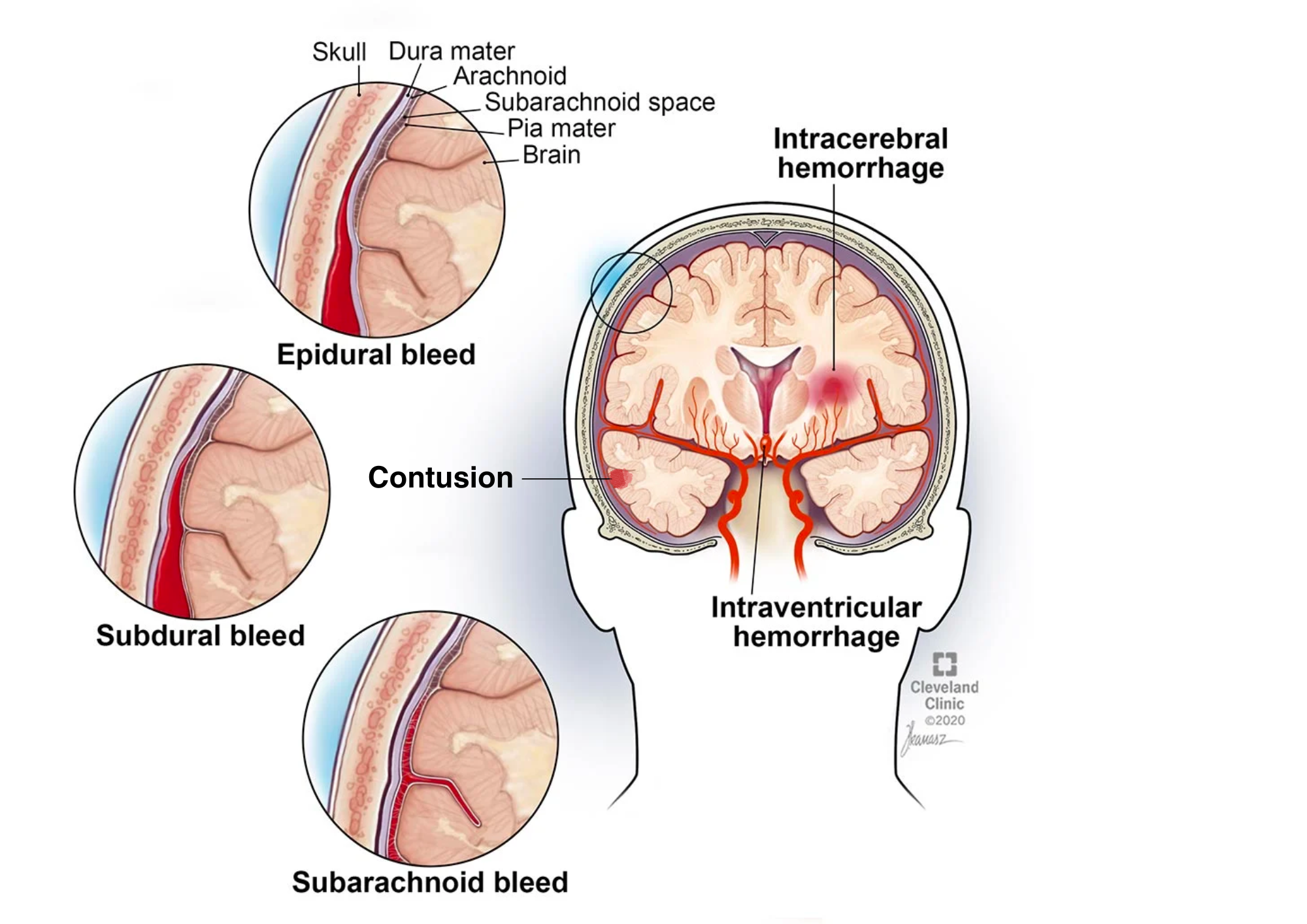
Figure 1. Contusion and Intraventricular hemorrhage (source: clevelandclinic.org)
Fig. 1: Contusion and Intraventricular hemorrhage (source: clevelandclinic.org)
Many different kinds of brain injuries can cause headaches, back discomfort, memory loss, epi or subdural hematomas, and even paralysis. There are two categories for the symptoms: moderate and severe. Severe traumatic brain injury can cause bleeding, ruptured brain tissues, and other physical damage to the brain, whereas mild trauma can just temporarily impact brain cells. Indications of minor traumatic brain injury include physical signs like headache, vomiting, fatigue, and speech difficulties. Sensory symptoms may manifest as changes in smell, ear ringing, taste alterations, or impaired eyesight. Mental and cognitive issues include unconsciousness, confusion, focus/memory problems, mood fluctuations, anxiety, depression, and sleep disturbances. Furthermore, there could be instances of concussions.
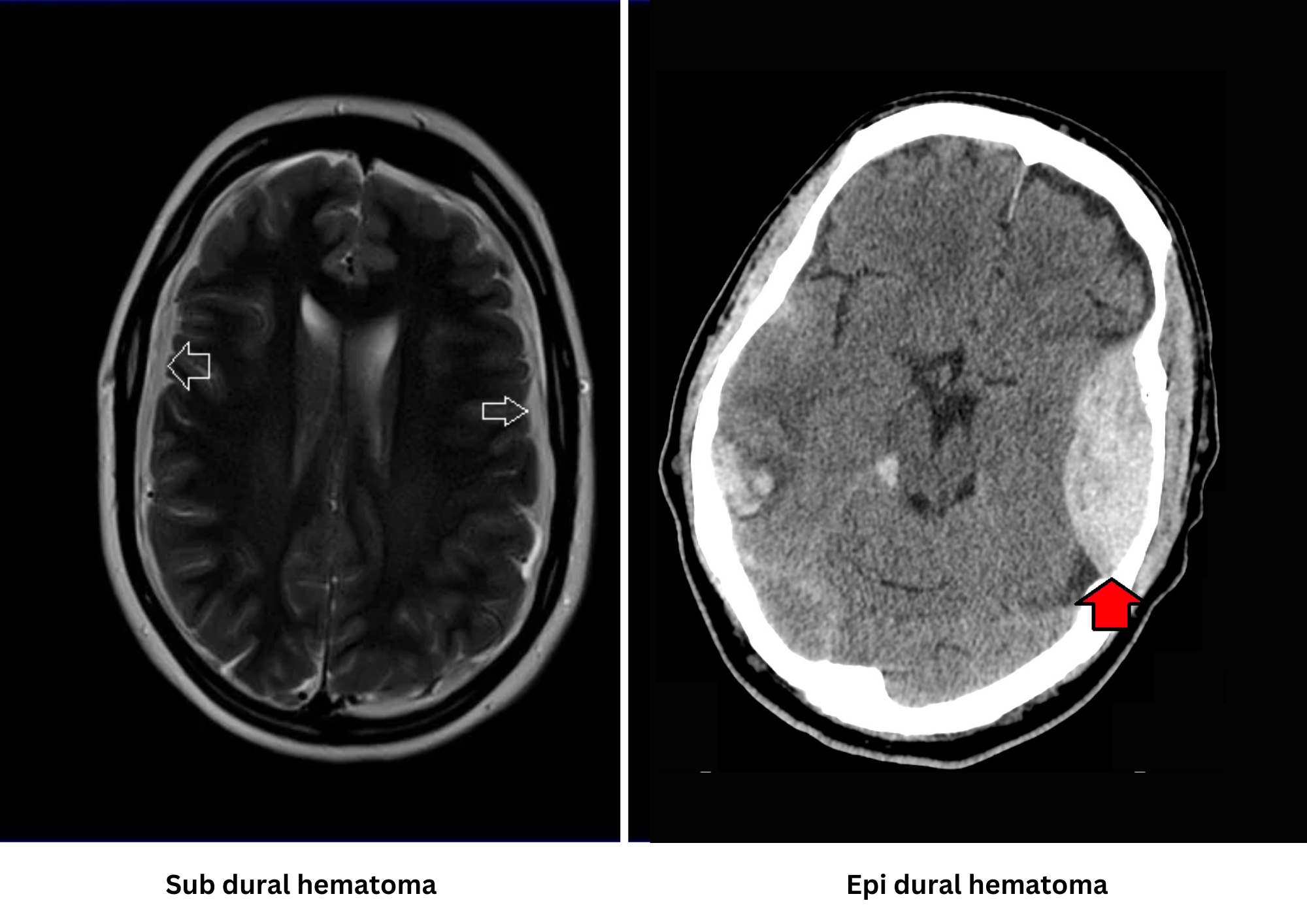
Figure 2. Subdural hematoma and Epidural hematoma (source: mrimaster.com and wikipedia.org, resp.)
Fig. 2: Subdural hematoma and Epidural hematoma (source: mrimaster.com and wikipedia.org, resp.)
Some of the signs that may be displayed in moderate to severe traumatic brain injury are not shown where there is mild injury. Symptoms include occasional convulsions, confusion, frequent or worsening headache, vomiting, continuous or frequent unconsciousness, dilated pupils, clear water from the ear or nose, tiredness, weak muscles, and poor coordination. Cognitive-related symptoms include severe disorientation, unpredictable temper, difficulty speaking, and disturbances in consciousness; which could culminate in a coma.
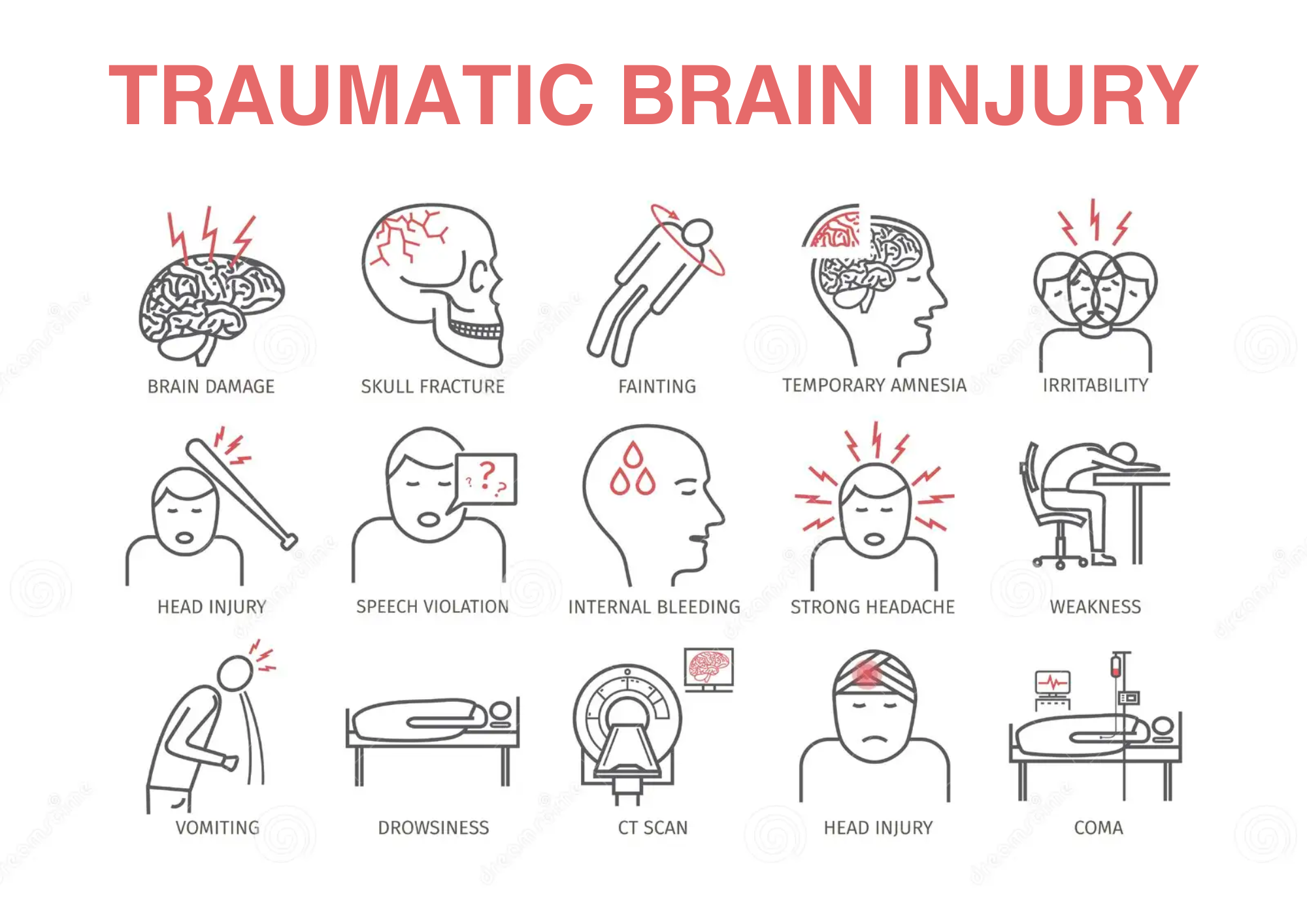
Figure 3. Indication of head injury (source: dreamstime.com).
Fig. 3: Indication of head injury (source: dreamstime.com)
Normal presentations of traumatic brain damage are not easily seen in infants and young children. Some of the symptoms that should raise the suspicion of the health practitioner include changes in feeding and aggressiveness, frequent crying that cannot be consoled, changes in attention, interrupted sleep patterns, seizures, symptoms of depression, excessive sleepiness, and lack of desire to engage in activities that were previously enjoyed.
It is advisable to seek prompt medical help if the individual becomes too sleepy, is confused or hard to wake up, has a bad headache or stiff neck, has had a seizure, has pupils of different sizes, cannot move one or more limbs on one side of the body, passes out even for a short time, or vomits repeatedly. Some of the proportional complications may include seizures, coma, infections, nerve damage, and many others.
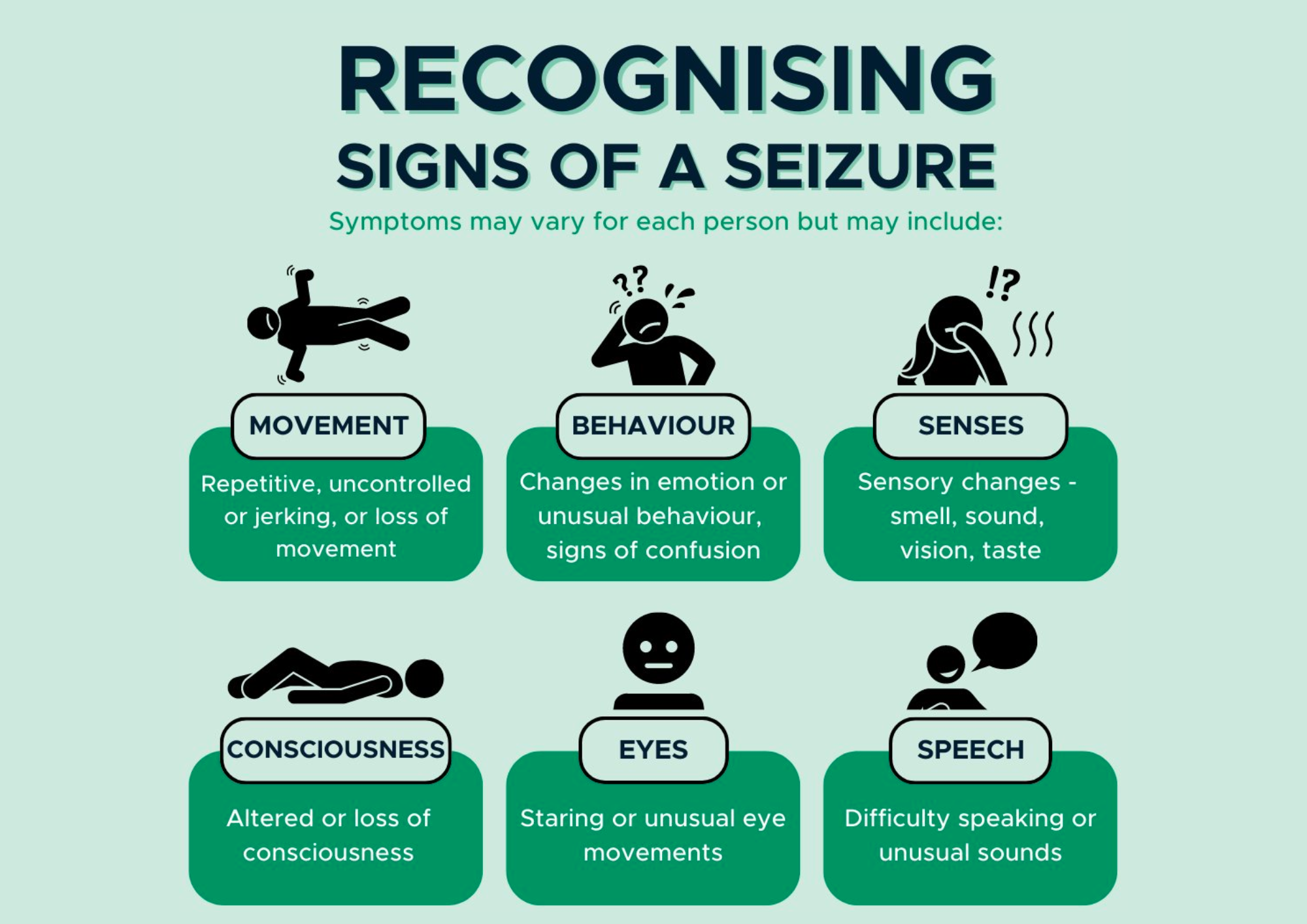
Figure 4. Signs of a seizure (source: twitter.com/GCPHN).
Fig. 4: Signs of a seizure (source: twitter.com/GCPHN)
The treatment of traumatic brain injuries has evolved procedures such as isotope scans, carotid angiographies, intracranial pressure monitoring, and other Computerized tomography and Magnetic resonance imaging. There are other new effective ways of carrying out surgery in case of brain injury as will be discussed below.
Therapies are valuable with a patient who has a TBI to help with alleviating symptoms of this acquired condition. Muscle relaxants such as propofol are used for reducing the tension in muscles. Medications like Mannitol are those that control fluids, specifically, diuretics. Headaches may be alleviated using Tylenol; however, one should note that using any other sedative for no apparent reason may lead to a cerebral hemorrhage. Anticonvulsants also prevent posttraumatic seizures in the weeks following a head injury. Some of the neurosurgery procedures that might be undertaken include: The management of bleeding from within the head; Neuro trauma especially when there is an invasive injury on the head; Management of elevated intracranial pressures. Surgery seems to be an emergency to treat internal bleeding and reduce consequent brain damage. Rehabilitation is needed for severe sleds; the process by which the client learns how to perform all his/her daily activities all over again and formulating physical therapeutic regimens that will help improve this client’s well-being.
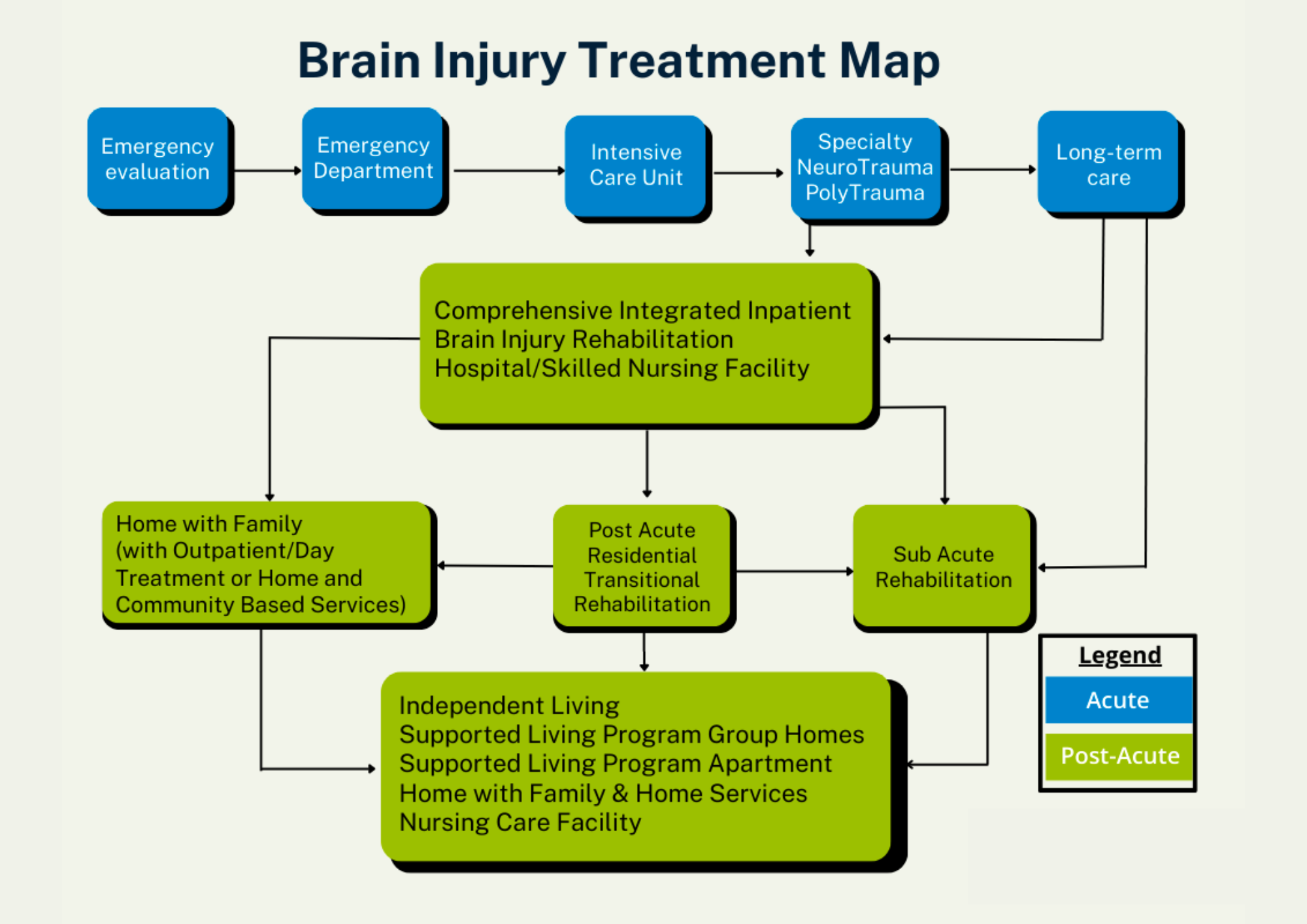
Figure 5. Brain Injury Treatment Map (source: biausa.org).
Fig. 5: Brain Injury Treatment Map (source: biausa.org)
Note: Medication should only be taken under prescription from a doctor since taking medication on your own is very dangerous to one’s health.
Prevention is better than cure, emphasizing key measures to avert traumatic brain injury: ‘An ounce of prevention is worth a pound of cure’, particularly as it relates to the strategic approaches in mitigating Traumatic Brain Injury.
It also takes the use of seat belts to improve safety in matters to do with traveling additionally.
Avoid taking alcohol and driving because alcohol weakens muscles and numbs the feeling of one's sensitive organs. In the racing of bicycles and automobiles, helmets should also be worn and so the riders/drivers should also be mandatory. Those in the young ages especially the toddlers and the old aged people should be supervised most of the time. Preventable action of possible risks; this implies that objects with sharp edges should not be put in reach of the child. These are among the measures which if observed assist in reducing the cases of TBI hence ensuring everyone’s safety.
4. Discussions:
The study entails a comprehensive review of TBI in light of the fact that these lesions are relatively intricate, especially considering the protective role played by the skull. Road traffic, particularly motorbike accidents without helmets was found to be the primary reason for TBI’s. The study sheds weight on the different ways through which neurological afflictions manifest themselves by outlining all possible symptoms and their consequences in terms of mild, moderate, and severe impacts. It defines the important post-trauma period of brain malfunction and demarcates the severe consequence of death or a lifetime disability. Emphasizing that TBI is really tough to diagnose, especially in infancy and early childhood, reveals certain peculiarities and possible subtle signs that might be ignored. The research divides symptoms into two categories: Moreover, the relational analysis points out the moderate and severe ones, thus highlighting the differences depending on the level of trauma experienced.
Apart from the symptoms, the study focuses on the progress of the TBI therapies including modern techniques and different scanning and surgery. It also urges people to adhere to medication and expresses the severity of an operation to stop internal bleeding as soon as possible. Finally, in extreme cases, rehabilitation is required and endeavors aiming at regaining functional and overall health.
In view of this, the study would like to urge drivers and vehicle occupants alike, especially the youth to embrace strong preventative measures to check cases of traffic accidents and the associated tragedies hence; putting on seat belts while driving, avoiding driving after taking alcohol, supporting the. use of helmets when riding and lastly enhanced monitoring. Despite this study’s limitations it relies on articles by other authors and may lack some information – the study advises that there should be measures that set protocols for research in the future. The mentioned objective to enhance the positive impact of this research on the improvement of public health practices, medicine, and policy is reinforced by the global involvement of traumatic brain injuries.
These findings point to the fact that more studies have to be done to reduce the existing gaps in the global management of TBI and increase the effectiveness of strategies associated with its prevention, identification, and therapy. The study propounds the systematic management and prevention of TBI and contributes a lot to gains in the knowledge of TBI from a contextual standpoint.
5. Acknowledgments:
On behalf of the study on the causation between TBI and mechanical accidents, this is to thank all the people who assisted. Friends were very helpful with comments that ensued and enhanced the piece.
6. Recommendations:
Recommendations for TBI patients and research studies include the following:
- This is particularly so because extensive public education campaigns can massively help in creating awareness concerning the various ways in which TBI can be prevented.
- Emphasize such things as withstanding the use of seat belts, not taking alcohol in moderation, and promoting the use of helmets.
- Support the bills that demand that bike riders wear helmets and advanced punishments for drivers under the influence of alcohol.
- Ensure funding of research in the area that aims at developing proper ways of managing and preventing TBIs.
- Integrate TBI awareness units into the syllabuses of the medical schools to enhance medical practitioners’ knowledge of the same.
- Ensure that there are adequate support systems to be provided to the affected survivors and families in the impacts of TBI.
- This is particularly so because extensive public education campaigns can massively help in creating awareness concerning the various ways in which TBI can be prevented.
- Emphasize such things as withstanding the use of seat belts, not taking alcohol in moderation, and promoting the use of helmets.
- Support the bills that demand that bike riders wear helmets and advanced punishments for drivers under the influence of alcohol.
- Ensure funding of research in the area that aims at developing proper ways of managing and preventing TBIs.
- Integrate TBI awareness units into the syllabuses of the medical schools to enhance medical practitioners’ knowledge of the same.
- Ensure that there are adequate support systems to be provided to the affected survivors and families in the impacts of TBI.
7. Conflict of interest:
No conflict of interest is to be disclosed.
8. References:
[1] “Head Injury.” Johns Hopkins Medicine, https://www.hopkinsmedicine.org/health/conditions- and- diseases/head-injury. Accessed 5 January 2024.
[2] Traumatic brain injury - Symptoms & causes - Mayo Clinic. (2021, February 4). Mayo Clinic. https://www.mayoclinic.org/diseases-conditions/traumatic-brain-injury/symptoms- causes/syc-20378557
[3] Head injury - first aid: MedlinePlus Medical Encyclopedia. (n.d.). https://medlineplus.gov/ency/article/000028.htm
[4] Brazier, Y. (2018, January 22). Causes and effects of traumatic brain injury (TBI). https://www.medicalnewstoday.com/articles/179837#symptoms
[5] NHS inform. (2023, November 21). Severe head injury - Injuries & first aid | NHS inform. NHS Inform. https://www.nhsinform.scot/illnesses-and-conditions/injuries/head-and-neck- injuries/severe-head-injury/
[6] Faaem, B. W. M. F. (2023, March 1). Head injury (Traumatic Brain Injury) types, treatment, symptoms. MedicineNet. https://www.medicinenet.com/head_injury/article.html
[7] Stupar, Maja. “Delayed-onset post-traumatic headache after a motor vehicle collision: a case report.” NCBI, https://www.ncbi.nlm.nih.gov/pmc/articles/PMC1924661/. Accessed 5 January 2024.
[8] Harvard Health. (2023, July 7). Head injury In adults. https://www.health.harvard.edu/a_to_z/head-injury-in-adults-a-to-z