
Learn the signs and symptoms of skin cancer in the ear, from unusual growths to persistent irritation. Understand what to watch for and when to seek help.
- Best Primary Care Walk-In Clinic
- signs and symptoms of skin cancer in the ear
1. Introduction
Skin cancer is one of the most prevalent cancers found in skin cells. It is essentially caused by the abnormal appearance of skin cells on the skin. Skin cancer can occur anywhere on the body, including the face, neck, arms, and ears. Skin ear cancer generally begins as a skin carcinoma on the outer ear and spreads to other tissues. This can lead to further complications, making early detection of signs and symptoms essential. To identify the potential threats causing ear cancer, let’s learn more about the signs and symptoms of skin cancer in the ear in this blog.
.
What is skin cancer on the ear?
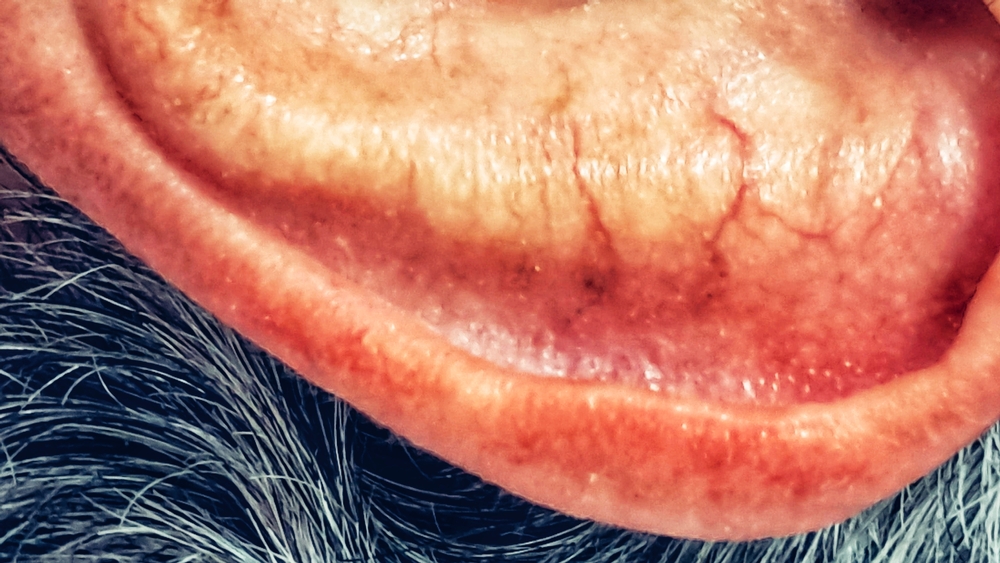
Skin cancer appears on the skin in various forms, and its symptoms vary depending on the type of skin cancer. It is an uncontrollable growth of abnormal skin cells damaging the outer ear, ear canal, or skin surrounding the ear. Ear cancer may develop with red patches of skin, sores, lumps, and growth.
There are two typical types of skin cancer: Basal two typical types of basal cell carcinoma and squamous cell carcinoma. There is also a disruptive form of cancer known as melanoma cancer. Each type of cancer has distinct features that can appear in different parts of the ear, including the ear canal, earlobe, and outer folds of the ear. If it is diagnosed early, it can be treated with surgery. However, it may spread to other areas of the body if it is not diagnosed on time.
3.Types of Ear Cancer
The different types of ear cancer can be distinguished by their characteristics. Skin cancers are available in two different types which are mentioned below:
Basal Cell Carcinoma (BCC):
Basal cell carcinoma is the most common type of skin cancer that be identified as a small, bump or flat scaly patch on the skin. This type of skin cancer affects the epidermis which is the basal layer cell of the outermost layer of skin. Moreover, this cancer is usually slower growing and rarely spreads past its original site. It can also cause damage to the surrounding tissues if it is left untreated.
Squamous Cell Carcinoma (SCC):
Squamous cell carcinoma is the second most typical kind of skin cancer. This is identified as a red scaly patch of the skin that is rough and may look like lumps or bumps. These bumps may bleed or ulcerate and never heal completely. Squamous cell carcinoma is more likely to spread than basal cell carcinoma, but it is highly treatable with early detection. SCC more often occurs on sun-exposed areas like face, hands, and ears. People with darker skin tones are likely to be prone to this cancer.
4.Melanoma:
Melanoma, one of the most aggressive and disruptive forms of skin cancer, develops from an existing mole on your body making it cancerous. Melanoma of the ear is complex to diagnose as compared to other different types of skin cancer. It starts to develop in cells called melanocytes which produce pigmentation in the skin. Melanoma skin cancer is characterized by an abnormal shape without defined borders, multiple colors, and changes in shape or size.
This type of cancer can be easily spread to other body parts, which is why early detection and treatment is crucial. Thus, any suspicious growth on the ear must be checked by a healthcare provider as soon as possible.
5.Signs and Symptoms of Skin Cancer
Skin cancer may be present in several ways and its symptoms vary depending on the type of skin cancer it is. Some of the skin symptoms include:
Change in Appearance:
One of the common signs and symptoms is a visible change in the appearance of the skin. For instance, you might experience new growth or lumps. The skin may become flaky resulting in scaling or crusting. Additionally, open sores and ulcers may persist despite over-the-counter treatments. On the other hand, color changes to darker or uneven pigmentation.
Persistent Pain and Bleeding:
Bleeding, itching, and pain are also essential symptoms that point towards skin cancer of the ear. For instance, a mole or growth on the ear starts to bleed. Moreover, persistent itching or tenderness in the growth areas may be a warning sign. In addition to bleeding and itching, one may experience discomfort or tenderness around a growth or a lump. The pain may be a signal of a deeper issue.
Changes in Shape or Size:
Normal moles are round, having oval smooth edges, but malignant moles are entirely different. Malignant moles have asymmetrical shapes, irregular borders, and multiple shades and colors. If there is a mole near your ear that changes shape, size or color, it could be a sign of skin cancer.
Swollen Lymph Nodes:
In most cases, skin cancer may spread to lymph nodes nearby. For instance, if you experience any swelling or tenderness in lymph nodes near your ear, know that the cancer has already spread. Swollen lymph nodes are a sign of more advanced skin cancer which requires immediate action.
6.Causes of Ear Cancer:
The prevalent cause of ear cancer is still not identified, as few occurrences make it difficult to determine how it started. However, some factors may raise your risk of acquiring ear cancer. This includes:
- Spending time in the sun without sunscreen.
- Having light skin.
- Having regular ear infections.
- Being old.
- Spending time in the sun without sunscreen.
- Having light skin.
- Having regular ear infections.
- Being old.
Moreover, the most common cause of skin cancer in the ear is excessive UV light exposure from the sun. UV radiation can lead to DNA damage in your skin, which develops in abnormal, cancerous (malignant) cells.
7.Diagnosis and Treatment of Ear Cancer:
To diagnose ear cancer, your healthcare provider will conduct a physical exam. If there is any cancer suspected they’ll conduct a biopsy and send the sample to a laboratory where a pathologist examines it under a microscope. Moreover, if the biopsy finds the tissue sample is cancerous, they may recommend an MRI or CT scan to further evaluate the condition.
8.Under Lying Treatments:
Skin cancer treatment options depend on the types and stages of cancer. Some of the common treatment options include:
- Surgical Removal.
- Mohs Surgery.
- Radiation Therapy.
- Chemotherapy.
- Surgical Removal.
- Mohs Surgery.
- Radiation Therapy.
- Chemotherapy.
9.Risk Factors of Ear Cancer:
Various factors can increase the risk of developing ear skin cancer. The most common risk factors include:
- Excessive Sun Exposure
- Fair & Light Skin
- Previous Skin Cancer
- Family History
- Weakened Immune System
- Excessive Sun Exposure
- Fair & Light Skin
- Previous Skin Cancer
- Family History
- Weakened Immune System
10.Prevention of Ear Cancer:
Prevention is the only key to sustainable and healthier skin away from all types of cancer. However, there are several tips one may take to reduce any further risks:
- Wear Sunscreen.
- Avoid peak sun hours.
- Wear protective clothing.
- Frequent Skin Checkups.
- Wear Sunscreen.
- Avoid peak sun hours.
- Wear protective clothing.
- Frequent Skin Checkups.
Read
11 Also: What are symptoms of basal cell carcinoma?
Outlook:
Skin cancer in the ear can gradually spread, leading to issues such as ear pain and hearing loss. This is why early detection is essential, as it ensures prompt treatment for the condition. A healthcare professional can remove the affected area, test it for cancer, and create a treatment plan if the cancer has advanced. Ear Skin cancer is present in various ways, including changes in skin appearance, pain, bleeding, or persistent sores. If you notice any concerning symptoms, visit the Best Primary Care Walk-In Clinic to acquire the expert care you need.