
Explore common asthma triggers, from pets to pollen, and learn how to manage symptoms effectively for a healthier life.
- managing respiratory conditions like asthma
- worsen asthma symptoms
- particularly during specific seasons
1. What is Asthma?
Asthma is more than just a medical condition. For those affected, it can feel like a constant battle against invisible enemies lurking in their environment. Understanding asthma triggers that can provoke an asthma attack can empower individuals to take control of their health. In this blog, we’ll explore what asthma is, its signs and symptoms, and dive into various asthma triggers, followed by effective treatments and prevention strategies.
What is
Asthm?
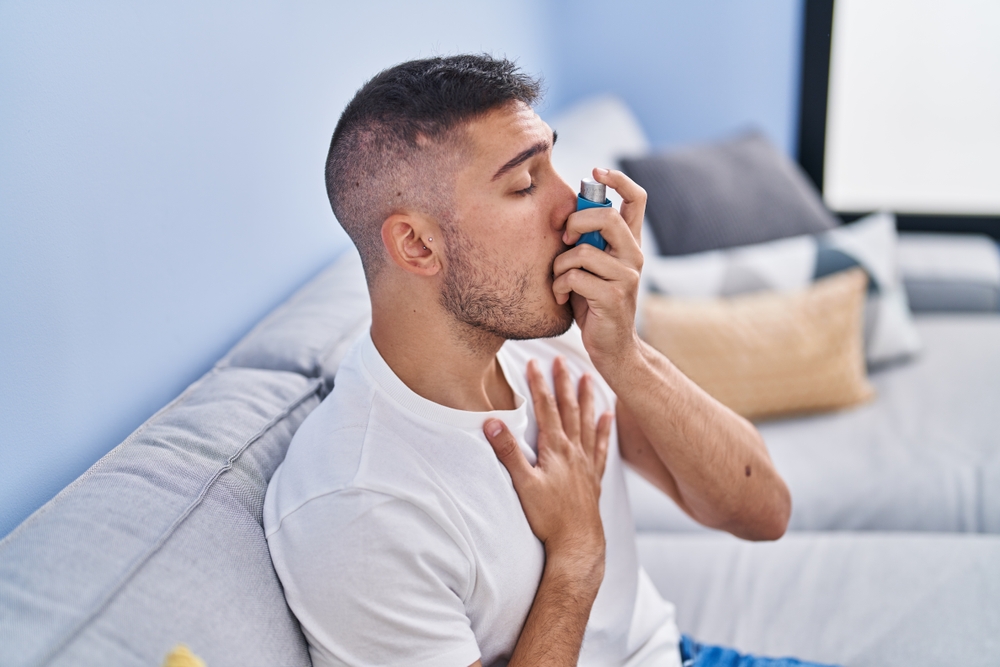
Asthmaa is a chronic respiratory condition that affects the airways, making them inflamed and narrowed. This condition can cause breathing difficulties, wheezing, coughing, and tightness in the chest.
2. Signs and Symptoms of Asthma
Recognizing the signs and symptoms of asthma is crucial for early intervention. Common symptoms include:
- Wheezing: A whistling sound when you breathe, particularly during exhalation.
- WShortness of Breateezingh
- : FeelinAg out of breath or struggling to catch youwhistling sound when your breath, especiae, particularlly during physical activitexhalationy.
- SChest Tighorttnes of Breaths
- : A Ffeeling of pressure or discomfort in the chest, often described as a heavyweigh out of breath or struggling to catch your breath, especially during physical activityt.
- ChPersistent Coughinst Tightnessg
- : FA frequent coughing, particularly at night or during exerciseling of pressure or discomfort in the chest, often described as a heavyweighte.
- Persistent Coughing: Frequent coughing, particularly at night or during exercise.
Symptoms can vary in severity and frequency, often worsening during certain times of the year or in specific environments.
3. Causes of Asthma
The exact cause of asthma remains unclear, but it is believed that the combination of genetic and environmental factors contributes to the development of this condition. Common factors include:
- Genetics: A family history of asthma or other allergic conditions can increase your risk.
- EnvirGeonmental Factoeticrs: EnA family hvironmental factors such as allergens, pollutants, and irritanstory of asthma or other allergic conditionts can provoke asthma symptomincrease your risks.
4.
- Environmental Factors: Environmental factors such as allergens, pollutants, and irritants can provoke asthma symptoms.
Asthma Triggers
Asthma can be triggered by a variety of environmental factors, allergens, and even emotional states. Recognizing these triggers is vital for managing asthma effectively. Here are some of the most prevalent asthma triggers:
1. Allergens
- Pollen: Pollen from trees, grasses, and weeds is a significant trigger, particularly during specific seasons. Spring often sees an increase in tree pollen, while grass pollen dominates in late spring and summer. In the fall, weed pollen becomes prevalent. Individuals with asthma should monitor pollen counts and limit outdoor activities on high pollen days.
- Dust Mites: These are tiny creatures that thrive in warm, humid environments, particularly in bedding, upholstered furniture, and carpets. Regular washing of bedding in hot water and using dust-mite-proof covers on pillows and mattresses can help reduce exposure.
- Mold: Mold spores can grow in damp areas of the home, such as bathrooms, basements, and kitchens. Mold can become airborne and trigger asthma symptoms. Individuals can keep humidity levels low, by using dehumidifiers and ensuring proper ventilation to minimize mold growth.
- Pet Dander: For many, furry companions bring joy, but pet dander can be a significant asthma trigger. Dander, which consists of skin flakes, saliva, and urine, can linger in the air and on surfaces. If an individual has pets, regular cleaning and grooming, along with using air purifiers, can help reduce exposure.
- Pollen: Pollen from trees, grasses, and weeds is a significant trigger, particularly during specific seasons. Spring often sees an increase in tree pollen, while grass pollen dominates in late spring and summer. In the fall, weed pollen becomes prevalent. Individuals with asthma should monitor pollen counts and limit outdoor activities on high pollen days.
- Dust Mites: These are tiny creatures that thrive in warm, humid environments, particularly in bedding, upholstered furniture, and carpets. Regular washing of bedding in hot water and using dust-mite-proof covers on pillows and mattresses can help reduce exposure.
- Mold: Mold spores can grow in damp areas of the home, such as bathrooms, basements, and kitchens. Mold can become airborne and trigger asthma symptoms. Individuals can keep humidity levels low, by using dehumidifiers and ensuring proper ventilation to minimize mold growth.
- Pet Dander: For many, furry companions bring joy, but pet dander can be a significant asthma trigger. Dander, which consists of skin flakes, saliva, and urine, can linger in the air and on surfaces. If an individual has pets, regular cleaning and grooming, along with using air purifiers, can help reduce exposure.
2. Irritants
- Tobacco Smoke: Secondhand smoke is a well-known asthma trigger. Exposure can lead to increased inflammation and airway constriction. If an individual is a smoker, quitting can dramatically improve your asthma control.
- Strong Odors: Household cleaners, air fresheners, perfumes, and paints can release strong chemicals that irritate the airways. An individual should use fragrance-free products and ensure good ventilation during cleaning or painting to reduce exposure to these irritants.
- Air Pollution: Poor air quality, often marked by high levels of smog and industrial emissions, can worsen asthma symptoms. Individuals should stay indoors on days with high pollution levels and use air conditioning to help limit exposure.
- Tobacco Smoke: Secondhand smoke is a well-known asthma trigger. Exposure can lead to increased inflammation and airway constriction. If an individual is a smoker, quitting can dramatically improve your asthma control.
- Strong Odors: Household cleaners, air fresheners, perfumes, and paints can release strong chemicals that irritate the airways. An individual should use fragrance-free products and ensure good ventilation during cleaning or painting to reduce exposure to these irritants.
- Air Pollution: Poor air quality, often marked by high levels of smog and industrial emissions, can worsen asthma symptoms. Individuals should stay indoors on days with high pollution levels and use air conditioning to help limit exposure.
3. Weather Changes
- Cold Air: Breathing in cold, dry air can trigger bronchospasm, a sudden constriction of the muscles in the walls of the bronchi. Wearing a scarf over the nose and mouth during colder months can help warm the air before it enters the lungs.
- Humidity: High humidity can make the air feel heavy and trigger asthma symptoms. It can also create an environment conducive to mold growth. Using air conditioners or dehumidifiers can help maintain a comfortable indoor humidity level.
- Cold Air: Breathing in cold, dry air can trigger bronchospasm, a sudden constriction of the muscles in the walls of the bronchi. Wearing a scarf over the nose and mouth during colder months can help warm the air before it enters the lungs.
- Humidity: High humidity can make the air feel heavy and trigger asthma symptoms. It can also create an environment conducive to mold growth. Using air conditioners or dehumidifiers can help maintain a comfortable indoor humidity level.
4. Physical Activity
- Exercise-Induced Asthma: Physical exertion, particularly in cold or dry air, can lead to asthma symptoms for many individuals. An individual must have an asthma action plan that includes using a quick-relief inhaler before exercise if necessary.
- Exercise-Induced Asthma: Physical exertion, particularly in cold or dry air, can lead to asthma symptoms for many individuals. An individual must have an asthma action plan that includes using a quick-relief inhaler before exercise if necessary.
5. Respiratory Infections
- Colds and Flu: Viral infections are common triggers for worsening asthma. Colds can lead to increased mucus production and airway inflammation, making it vital for asthmatics to practice good hygiene, such as hand washing, and to get vaccinated against the flu.
- Colds and Flu: Viral infections are common triggers for worsening asthma. Colds can lead to increased mucus production and airway inflammation, making it vital for asthmatics to practice good hygiene, such as hand washing, and to get vaccinated against the flu.
6. Emotional Factors
- Stress and Anxiety: Intense emotions can trigger hyperventilation and lead to asthma symptoms. Techniques such as deep breathing, meditation, or yoga can help individuals manage stress levels and keep asthma symptoms in check.
- Stress and Anxiety: Intense emotions can trigger hyperventilation and lead to asthma symptoms. Techniques such as deep breathing, meditation, or yoga can help individuals manage stress levels and keep asthma symptoms in check.
7. Certain Foods and Additives
- Food Allergies: Some individuals may experience asthma symptoms in response to specific foods, such as nuts, shellfish, or dairy. Keeping a food diary can help identify any potential food-related asthma triggers.
- Sulfites: Found in dried fruits, wine, and some processed foods, sulfites are one of the asthma triggers. Reading food labels and avoiding sulfite-containing products can help manage these reactions.
- Food Allergies: Some individuals may experience asthma symptoms in response to specific foods, such as nuts, shellfish, or dairy. Keeping a food diary can help identify any potential food-related asthma triggers.
- Sulfites: Found in dried fruits, wine, and some processed foods, sulfites are one of the asthma triggers. Reading food labels and avoiding sulfite-containing products can help manage these reactions.
Treatment and Prevention
Understanding your asthma triggers is only the first step. Effective treatment and prevention strategies are vital for managing respiratory conditions like asthma.
1. Medications
- Quick-Relief Medications: These bronchodilators provide immediate relief by relaxing the muscles around the airways. They are essential for managing acute asthma attacks.
- LonQuickg-Term ControReliefl Medications: These medicatbrions, such as inhaled corticosteroids, help reduce inflammation and prevent symptoms from occurring. They need to be taken regularly, even when feeling welchodilators provide immediate relief by relaxing the muscles around the airways. They are essential for managing acute asthma attacksl.
- Long-Term Control Medications: These medications, such as inhaled corticosteroids, help reduce inflammation and prevent symptoms from occurring. They need to be taken regularly, even when feeling well.
2. Allergy Management
- Allergy Testing: Identifying specific allergens through testing can help tailor a management plan, reducing exposure to known triggers.
- ImmunotAllheragp Testingy: ForIden those with severifying specifice allergies, allergy shots maens through testing cany help desensitize the immune system to specific allergens over timtailor a management plan, reducing exposure to known triggerse.
- Immunotherapy: For those with severe allergies, allergy shots may help desensitize the immune system to specific allergens over time.
3. Lifestyle Changes
- Avoid Triggers: Understanding and minimizing exposure to triggers is key. For example, keeping pets out of the bedroom or using hypoallergenic bedding can help reduce allergens.
- voAir Qualitd Triggersy
- :
- nder
- Using air purifiers antanding and minimizing exposure to triggers is key. For example,d keeping windows closed during high pollen seasons can improve indoor air qualitpets out of the bedroom or using hypoallergenic bedding can help reduce allergensy.
5
- Air Quality: Using air purifiers and keeping windows closed during high pollen seasons can improve indoor air quality.
Read.Also: Epilepsy and Memory: How Seizures Can Affect Cognitive Skills
Conclusion
Understanding asthma triggers, from pets to pollen, is essential for effectively managing this chronic condition. By recognizing the signs and symptoms, identifying triggers, and implementing a treatment and prevention plan, individuals with asthma can lead healthy, active lives.