- Patient-Centered Care
- Medical Ontology
- Conceptual Frameworks
- Electronic Health Record
- Chronic Disease Management
- Digital Health Ecosystem
- Semantic Interoperability
- Evidence Synthesis
- Ontology & Data Mapping
- Hierarchical Knowledge Representation
- Front-End Integration
- Phenotypic Data
- Genotypic Data
- Secure Scalable Interoperability
- COVID-19
- Long COVID
R→ Proficiegisterednt in utilizing comprehensive academic databases such as PubMed, ScientistceDirect, Scopus,
Web of (RSci), recognised byence, EMBASE, and The Cochrane Library.
→ thOver 14 ye Scars of experience Council through the Royalin medical literature databases and research methods.
→ SProciety of Biology, and a Bficient in PRISMA guidelines for ethical biomedical Rresearch.
→ Expertise at in writing and formatting papers for academic journals.
→ Familiarity withe Sel citation styles: Chicago Manual of Style 17th Edition, APA Style Edition 6/7.
→ Proficient in editing Research Instcitations, endnotes, references, and bibliographies for consistency.
→ Experience witute (SRI), h reference management software: Zotero, ReadCube, Mendeley.
→ Skilled in workith over a dng with HL7 FHIR, US Core Data for Interoperability (USCDI) standards, and
hecadelthIT data elements.
→ Prof academic aicient in mapping data classes and elements to align with FHIR resources, ensuring data
integrity and seapplied emless interoperability between healthcare systems.
→ Experienced spanning biochemistry, public health inforin managing both the technical and clinical aspects of data extraction and export.
→ Committed to matics, and ontology-based healthintaining accuracy and compliance with HIPAA regulations in all data i
managementeg prationocesses.
- Proficient in utilizing comprehensive academic databases such as PubMed, ScienceDirect, Scopus, and Web of Science.
- Over a decade of experience in medical literature databases and research methods.
- Proficient in PRISMA guidelines for ethical biomedical research.
- Expertise in writing and formatting papers for academic journals.
- Familiarity with citation styles: Chicago Manual of Style 17th Edition, APA Style Edition 6/7.
- Proficient in editing citations, endnotes, references, and bibliographies for consistency.
- Experience with reference management software: Zotero, ReadCube, Mendeley.
- Skilled in working with HL7 FHIR, US Core Data for Interoperability (USCDI) standards, and healthIT data elements.
- Proficient in mapping medical data classes and elements to align with FHIR resources, ensuring data integrity and seamless interoperability between healthcare systems.
- Experienced in identifying fragmented health data across systems and applying interoperability frameworks to connect, standardize, and harmonize clinical information.
- Experienced in managing both the technical and clinical aspects of data extraction and export.
- Committed to maintaining accuracy and compliance with HIPAA regulations in all data management processes.
My work across all articles shows that chronic disease management is significantly disrupted when health data remains fragmented, scattered across incompatible systems, and without semantic alignment. I emphasize that true continuity of care requires strong interoperability frameworks such as HL7 FHIR, SNOMED CT, LOINC, OMOP, and GA4GH, supported by ontology-driven semantic models. These frameworks are essential to connect, standardize, and harmonize clinical, phenotypic, genomic, and patient-generated data. The core message in my work is that integrated, interoperable, and ontology-aligned data ecosystems form the foundation for effective long-term chronic care, precision medicine, AI-enabled decision support, and equitable patient-centered healthcare.
1. Challenges and Strategies in Building a Foundational Digital Health Data Integration Ecosystem (Systematic Review)
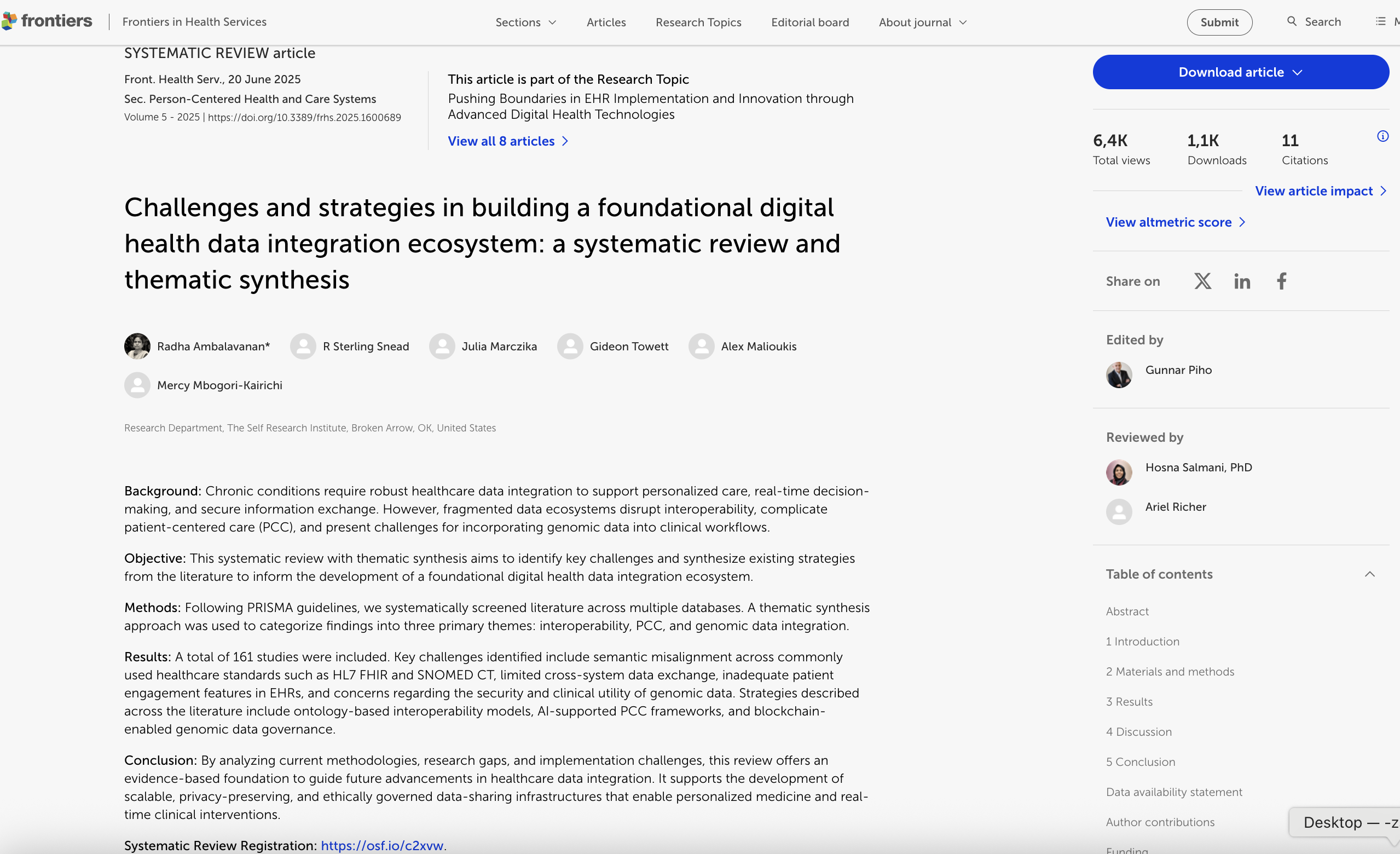
This review shows that chronic disease management is heavily affected by fragmented EHR systems, inconsistent standards, and poor cross-system data exchange. It highlights how interoperability failures—such as misaligned HL7 FHIR, SNOMED CT, and LOINC implementations—directly delay coordinated care for chronic conditions. The review proposes ontology-based semantic alignment, standardized APIs, and PCC-driven tools to harmonize clinical, PGHD, and genomic data. The entire paper argues that overcoming fragmentation is essential for long-term chronic care, precision medicine, and secure genomic integration.
Chronic disease care fails without interoperable, standardized, and harmonized data streams.
https://doi.org/10.3389/frhs.2025.1600689
2. Epidemiological / Chronic Condition Article (Long COVID & Chronic Care Themes)
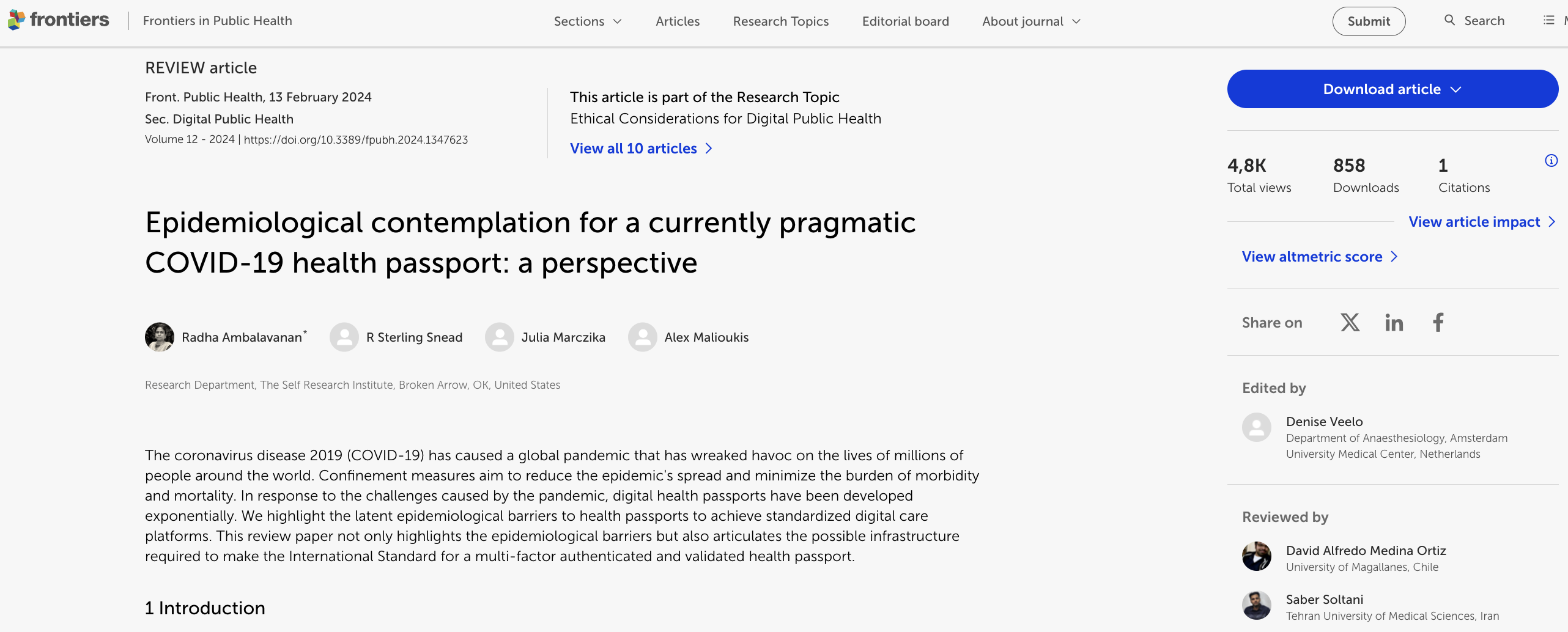
This article emphasizes how chronic conditions—particularly long COVID—expose the weaknesses of fragmented health data infrastructures. It explains that long-term monitoring, symptom tracking, and follow-up care require unified data flows that current siloed systems cannot provide. The study calls for integrated clinical–phenotypic–genomic datasets to support disease evolution tracking, recurrence prediction, and personalized long-term management.
Long COVID proves that chronic disease management collapses when health data remains fragmented and non-interoperable.
https://doi.org/10.3389/fpubh.2024.1347623
3. Advancing the Management of Long COVID by Integrating into the Health Informatics Domain
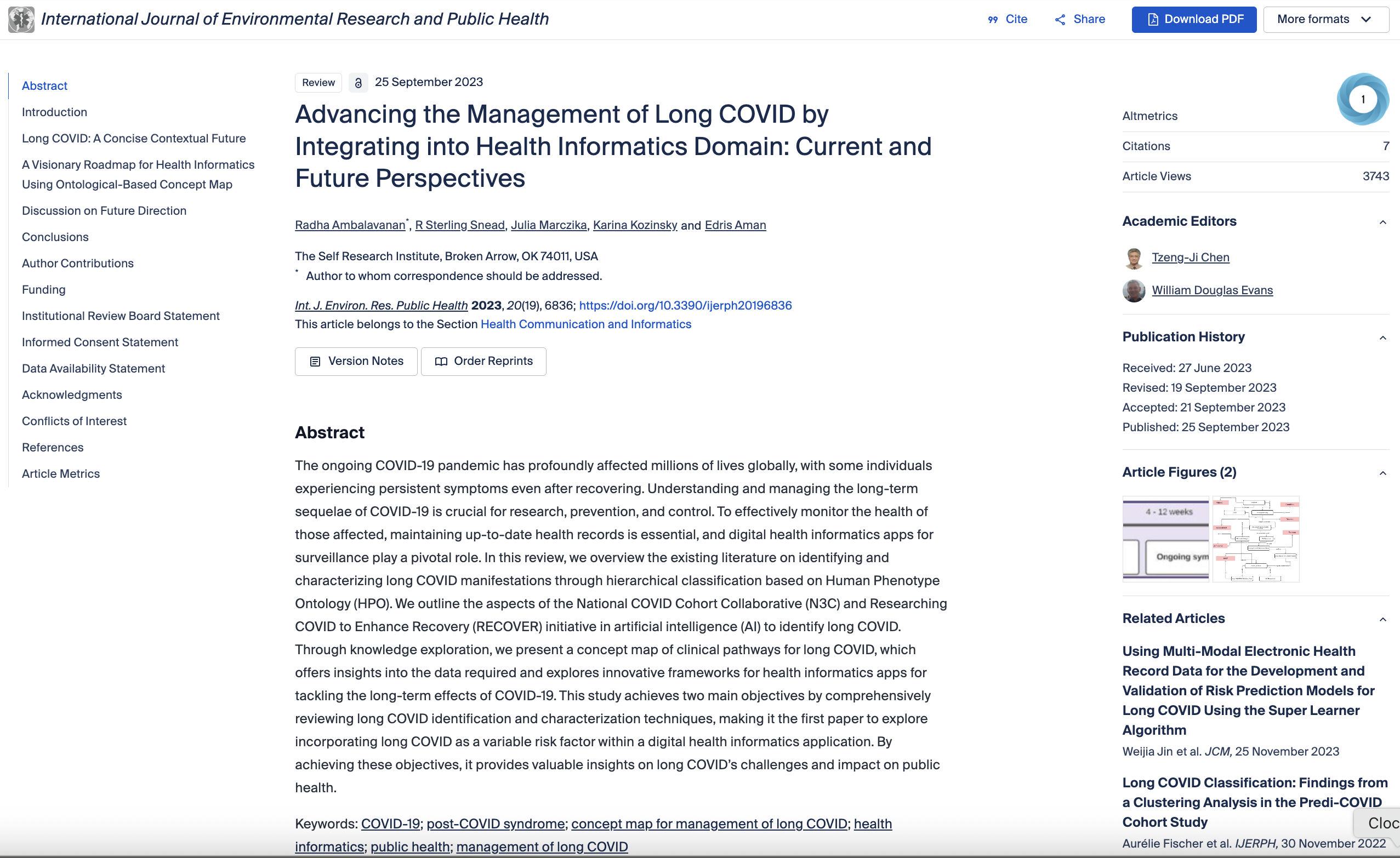
This article focuses on chronic, post-acute conditions and highlights why long COVID patients experience care delays: disjointed clinical records, incomplete symptom histories, and non-standardized reporting across hospitals. It argues that HL7 FHIR and ontology-driven integration can unify longitudinal patient data, track symptom progression, and support personalized, long-term care plans. It also emphasizes the importance of patient-generated data for ongoing symptom monitoring.
For long-term conditions like long COVID, integrated and interoperable health data is essential for continuity of care.
https://doi.org/10.3390/ijerph20196836
4. Ontologies as the Semantic Bridge Between AI and Healthcare
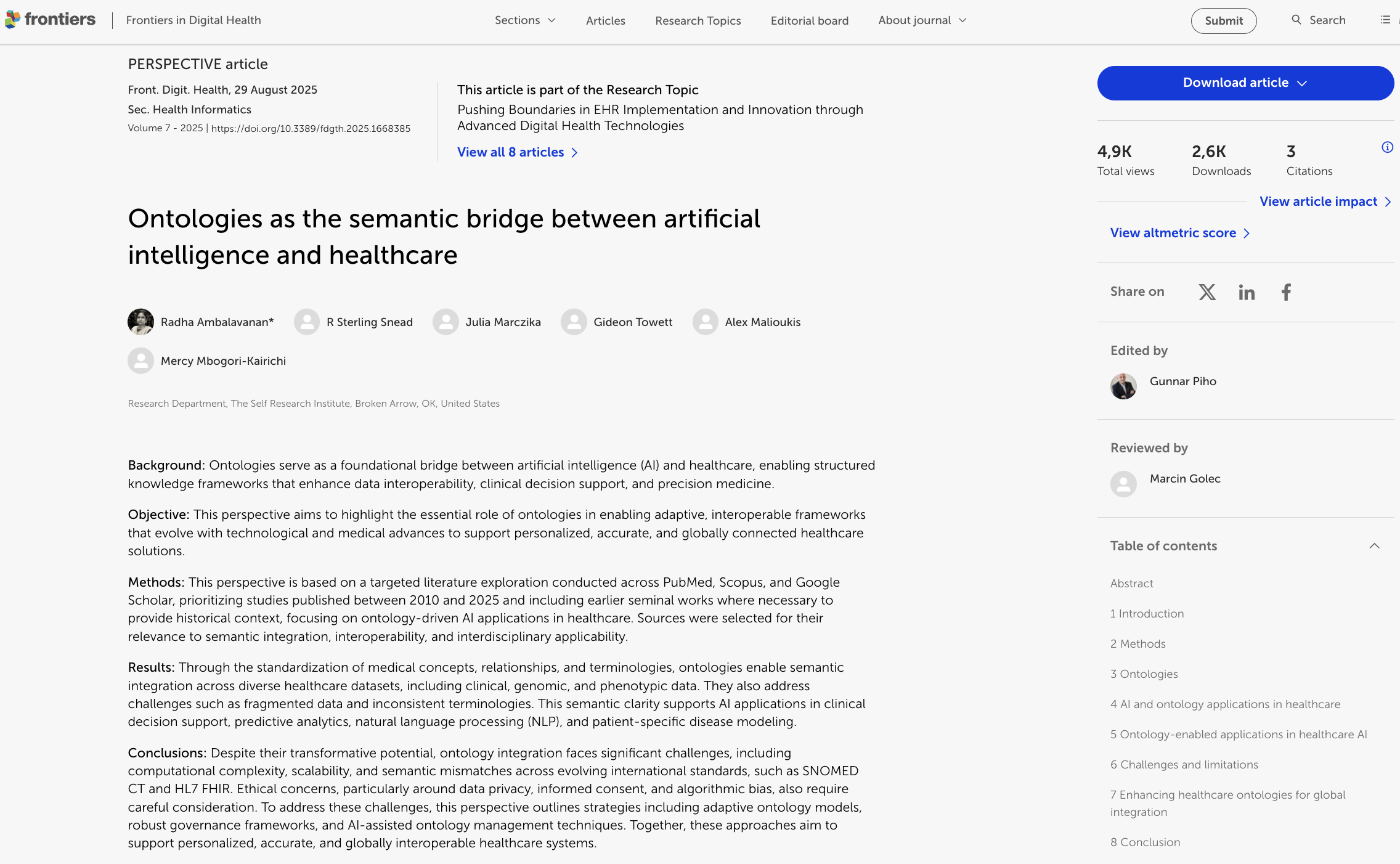
This perspective article explains how ontologies fight data fragmentation by creating a semantic bridge between clinical, genomic, phenotypic, and multi-modal datasets. It shows how AI cannot function safely in chronic disease environments without ontologies that standardize terminology, align concepts, and harmonize cross-system data. The paper stresses that interoperability requires more than FHIR—it needs semantic mapping, ontology alignment, and ethical/secure frameworks for integrated chronic care models.
Ontologies are the technical backbone for eliminating fragmentation and enabling AI-supported chronic disease management.
https://doi.org/10.3389/fdgth.2025.1668385